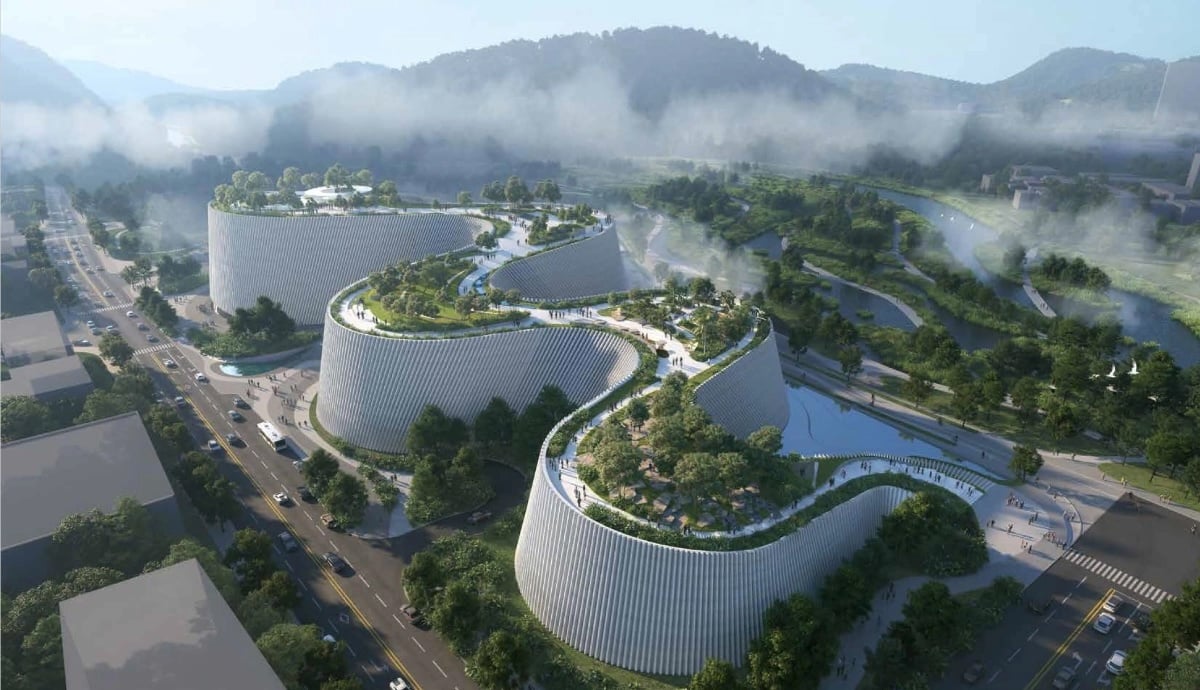
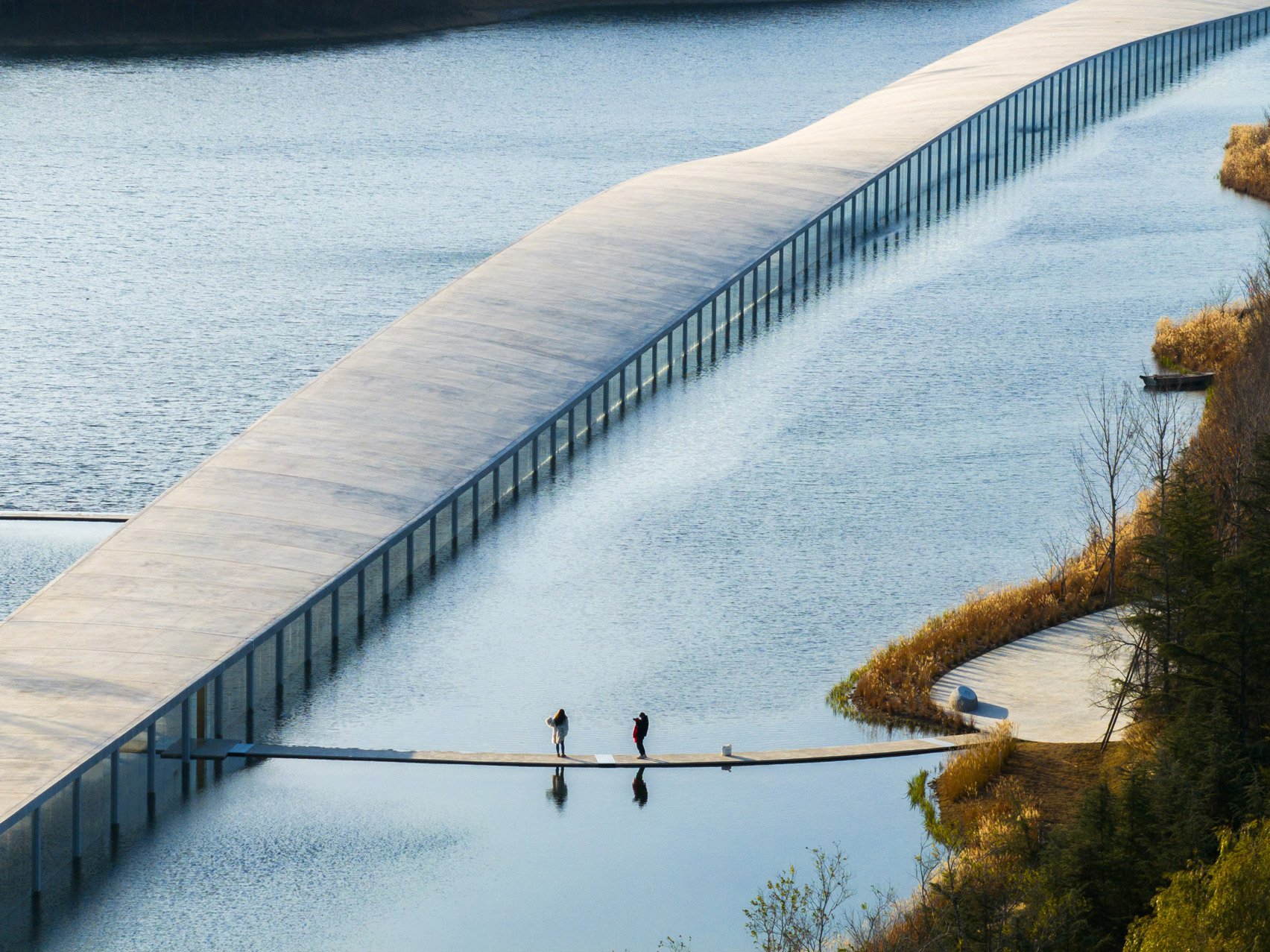

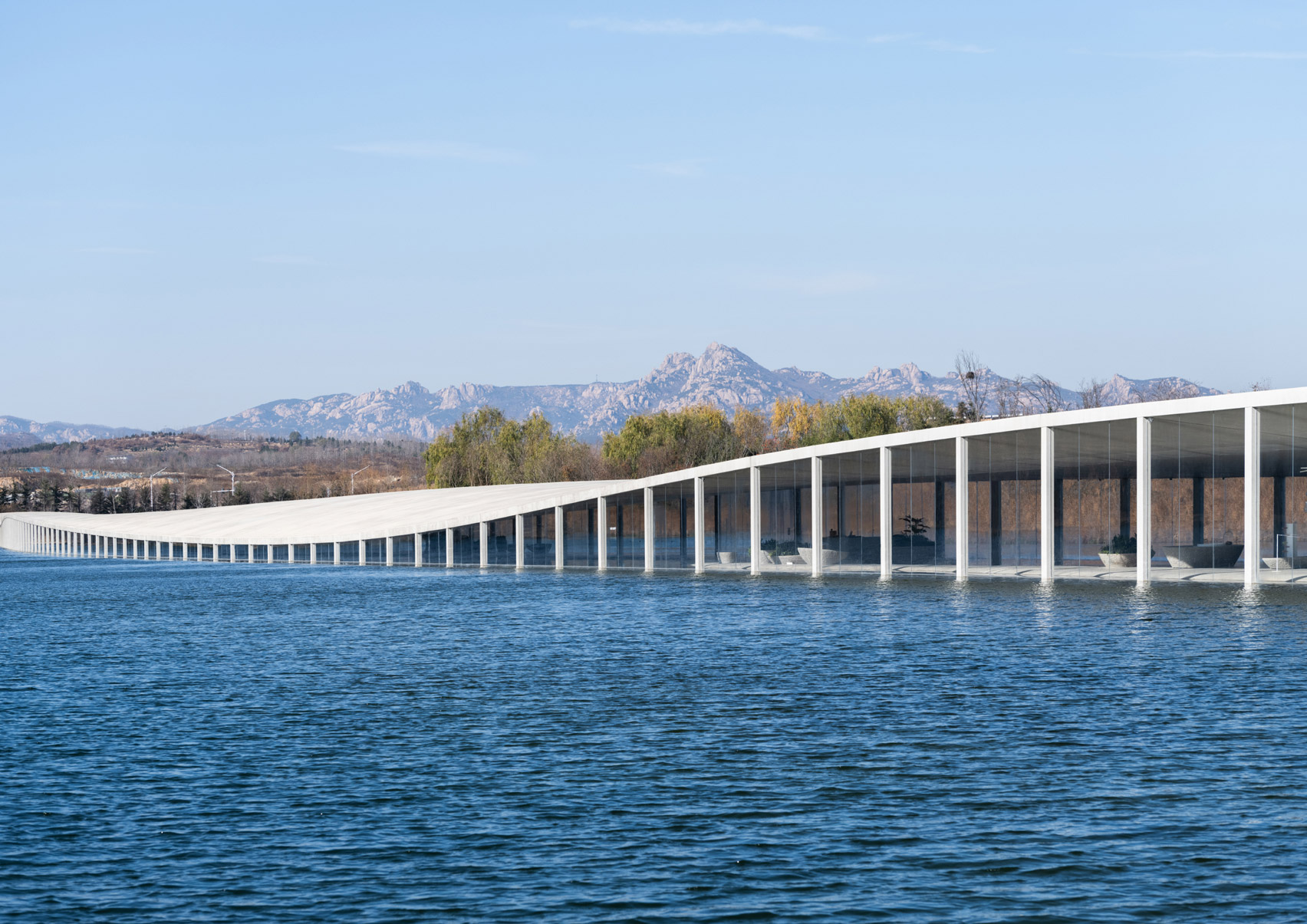
In 2023, a “gentle giant” settled in Rizhao, Shandong. This ivory-white art museum sits on a lake in a small village, linking different parts of the town through its one-kilometer-long corridor. Not only is the museum itself man-made, but the lake is artificial too. Designed by renowned Japanese architect Junya Ishigami, Zaishui Art Museum is already poetic by name alone, which is adapted from an ancient Chinese poem.
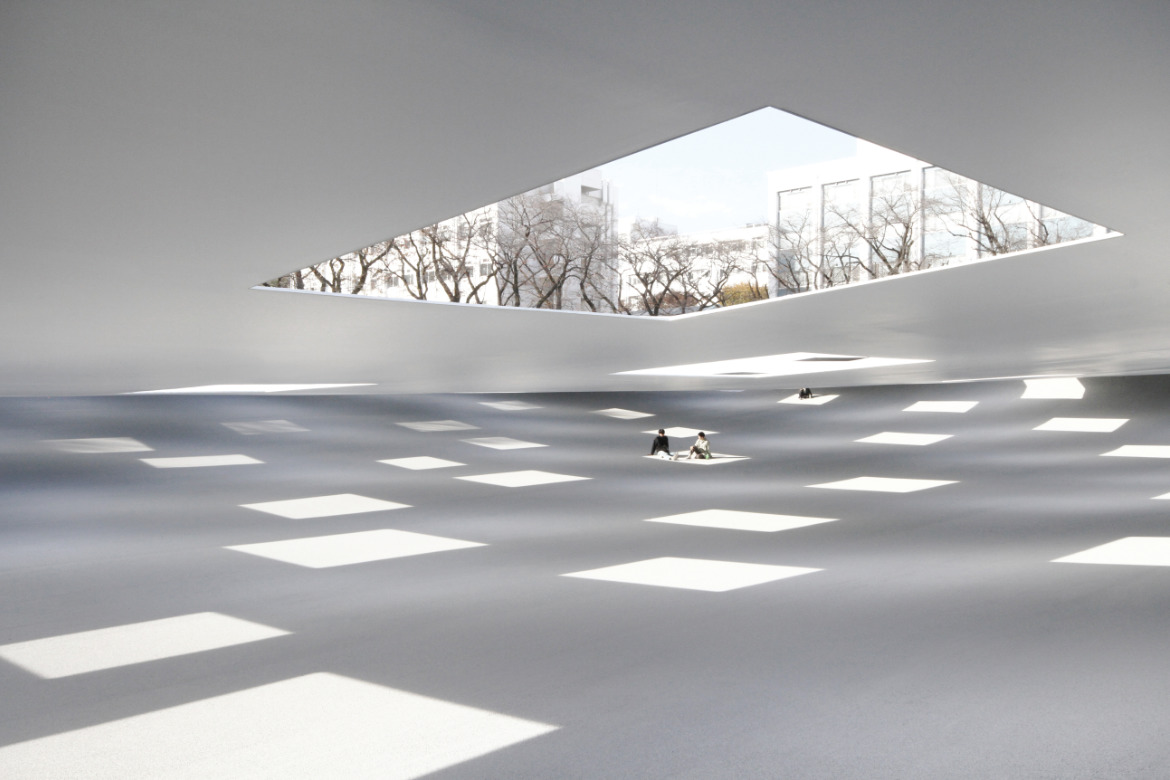
Junya Ishigami is best known for projects like KAIT Workshop and KAIT Plaza. In those works, his use of ceiling windows creates a striking interplay between architecture and natural light, turning sunlight into part of the spatial experience.
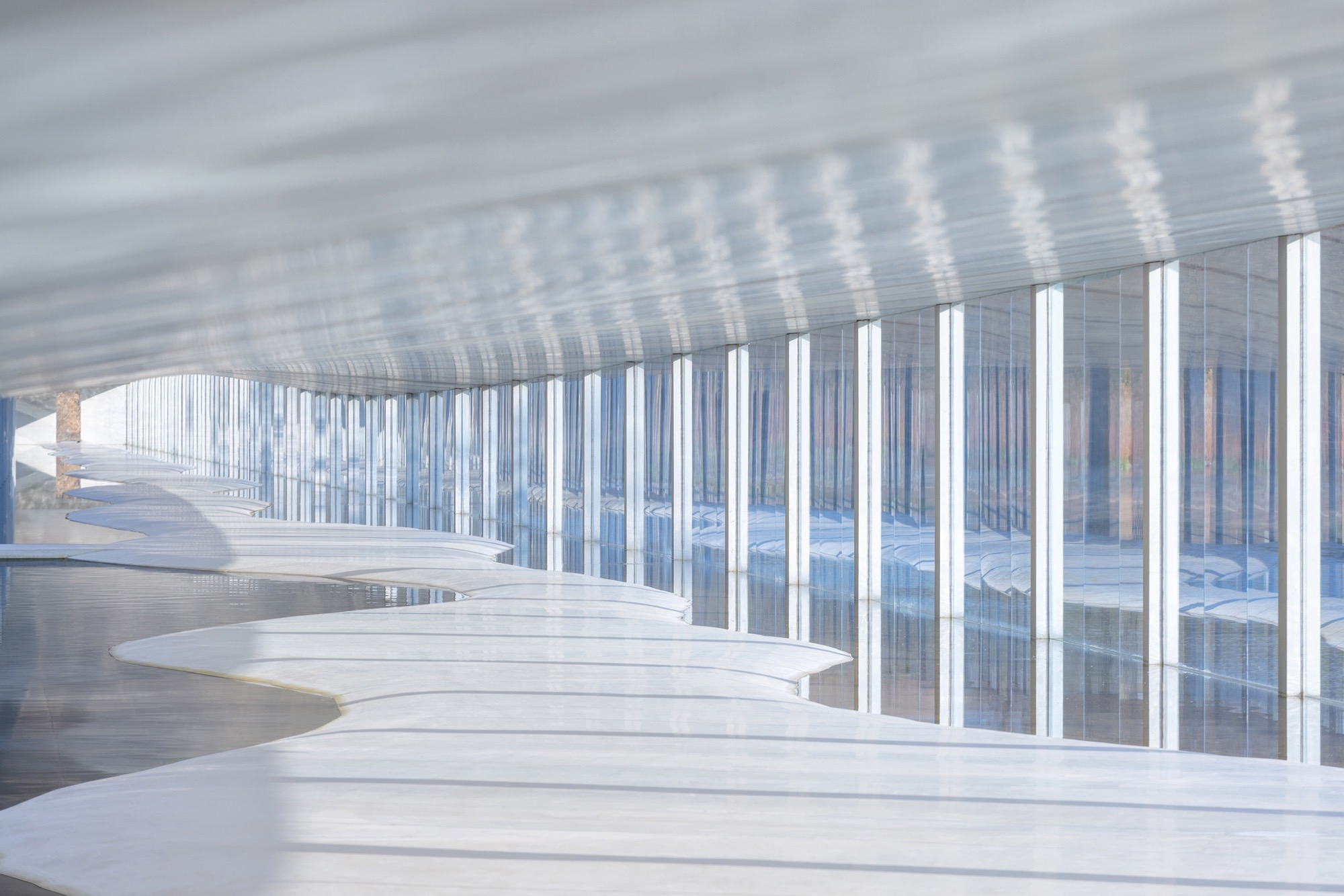
This time, Ishigami continues his dreamy white aesthetic with a one-kilometer-long immersive walkway. By boldly allowing water to flow into the structure, the hallway itself becomes a uniquely atmospheric experience to explore.
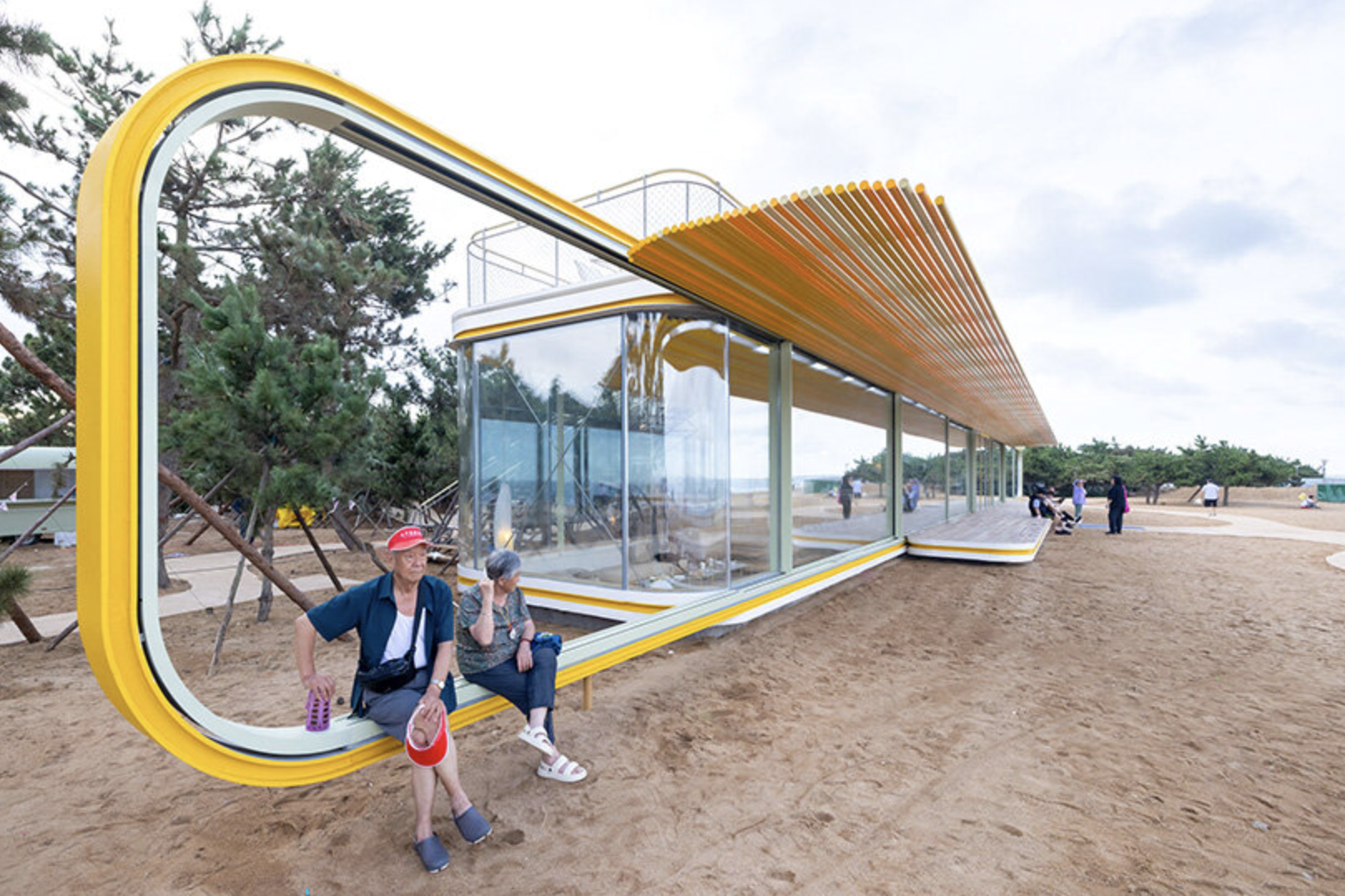
Zaishui Art Museum is part of the local government’s push to develop tourism in the area. Combining art and tourism, the project aims to shape a distinct cultural identity for Bailuwan Town in Rizhao. Other well-known architects, including Selgascano, have also contributed eye-catching buildings to the area.
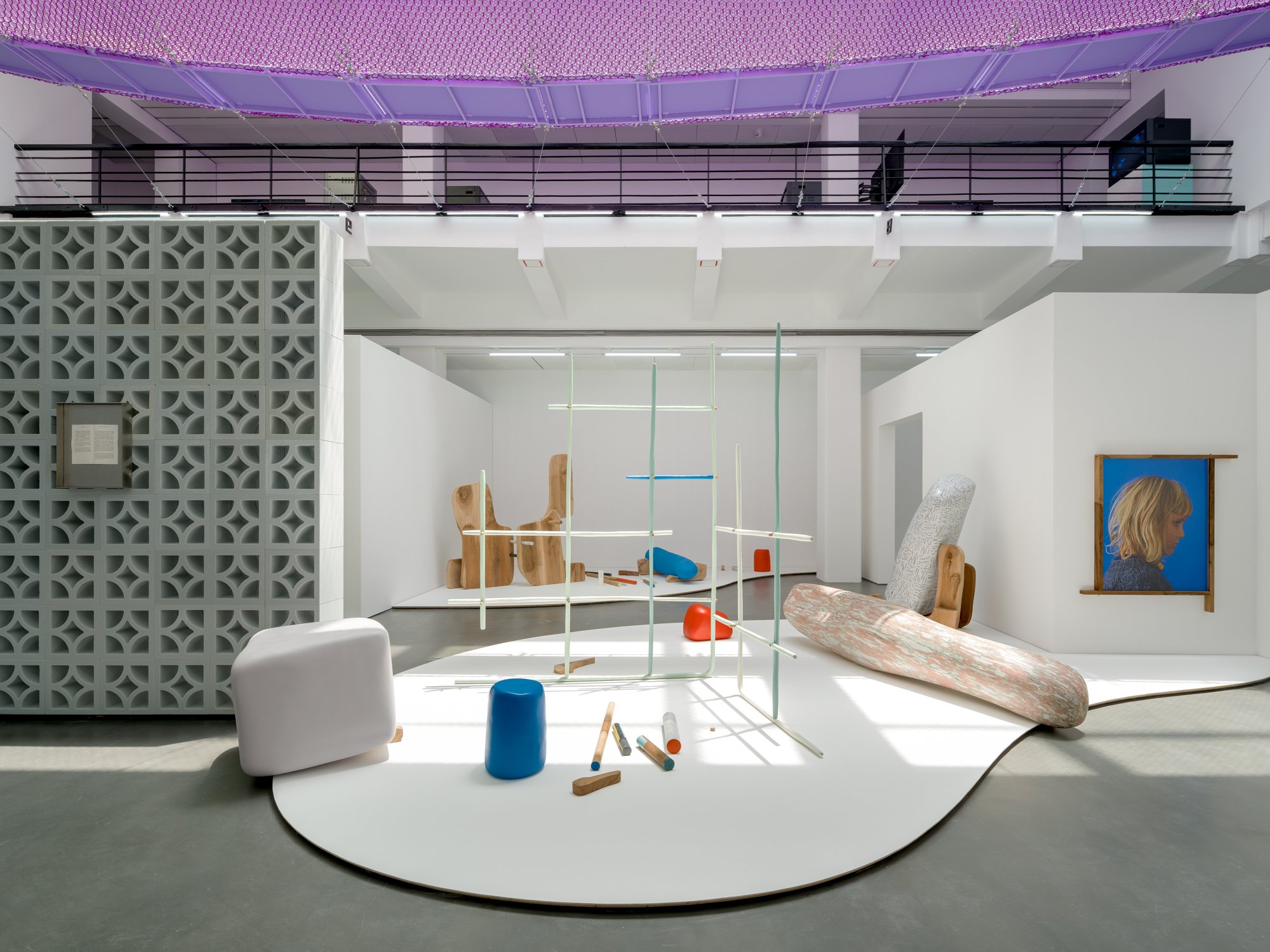
Currently, Zaishui Art Museum is hosting an exhibition centered on the history and production process of chocolate — an unexpectedly whimsical choice for a space that otherwise feels almost spiritual in its minimalism. The exhibition reportedly traces chocolate-making from cacao bean to finished product, blending industrial displays with contemporary artworks and immersive installations. In some ways, the contrast actually works: the warm, sensory world of chocolate softens the museum’s stark concrete-and-water aesthetic, making the space feel less like a traditional gallery and more like an experiential landscape.
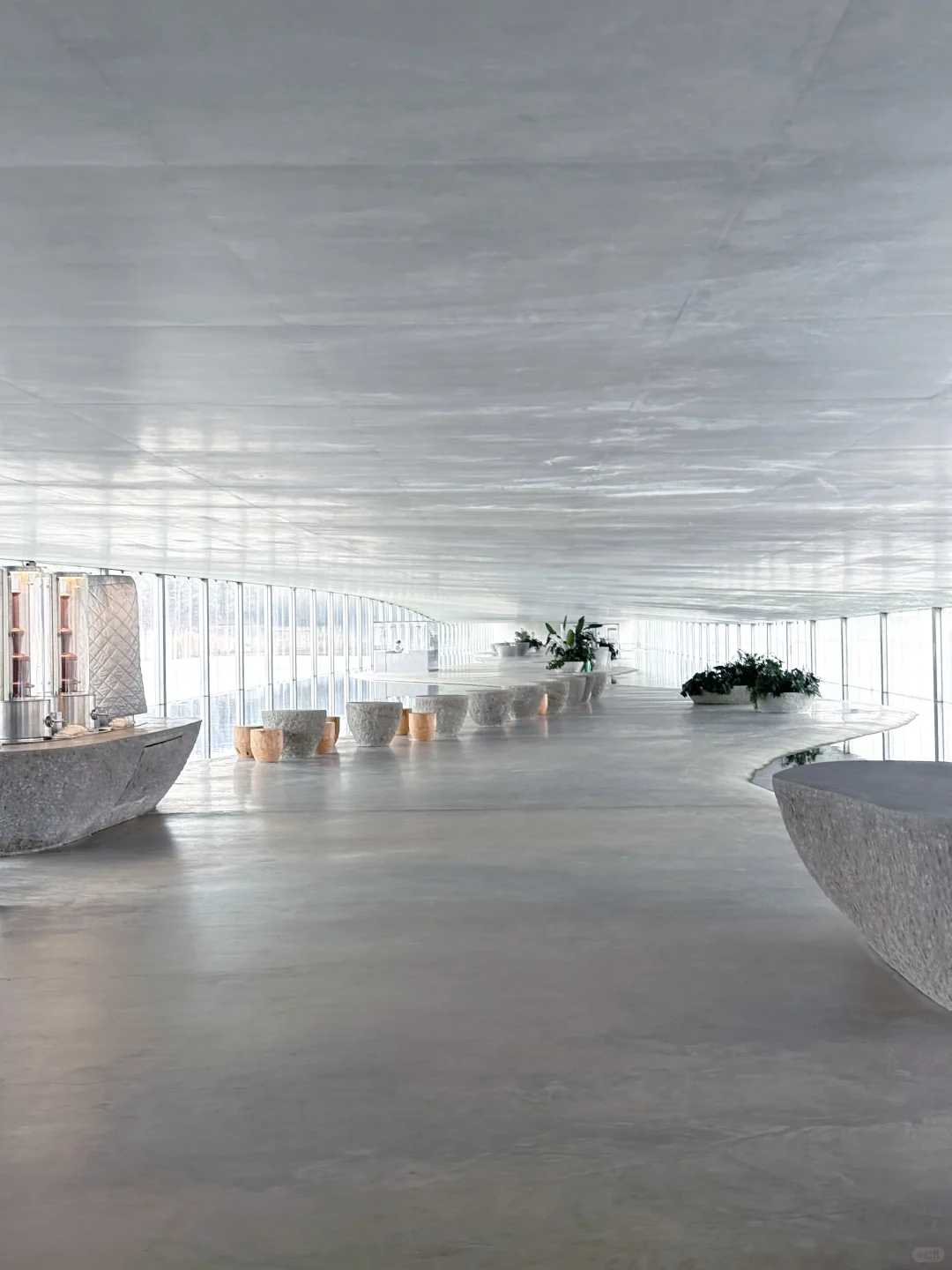
Still, it’s the building itself that remains the real attraction. As visitors move through the kilometer-long structure, shallow water slips through openings in the floor, and glass walls frame the lake outside, blurring the boundary between interior and exterior. The experience feels less like walking through a museum and more like drifting through a dream sequence. Even if the chocolate exhibition sounds slightly out of left field, it almost becomes secondary — a backdrop to Ishigami’s larger architectural experiment, where nature, infrastructure, and exhibition space dissolve into one another.
Cover Image via Dezeen.