

If the Louis Vuitton versus Molly Tea lawsuit had you wondering whether luxury conglomerate LVMH was finished sparring with Chinese brands over intellectual property, here’s your answer: not yet.
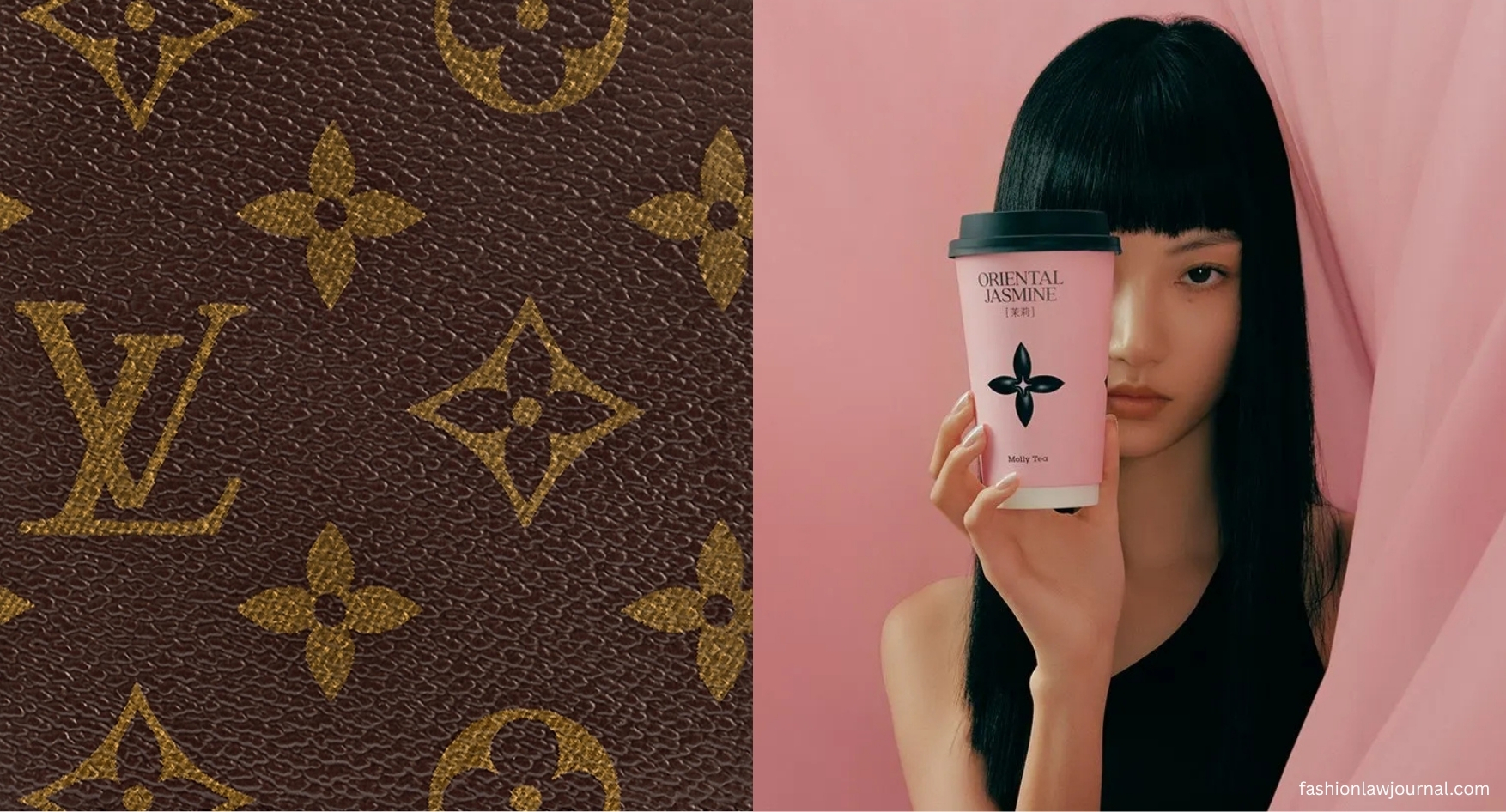
Just weeks after a Chinese court ordered tea chain Molly Tea to pay Louis Vuitton 10.3 million RMB over its four-petal floral logo, another LVMH-owned maison has become the subject of a remarkably similar social media conversation. This time, Tiffany & Co. is challenging trademarks belonging to Chinese feminine-care brand alffany (艾芙尼).
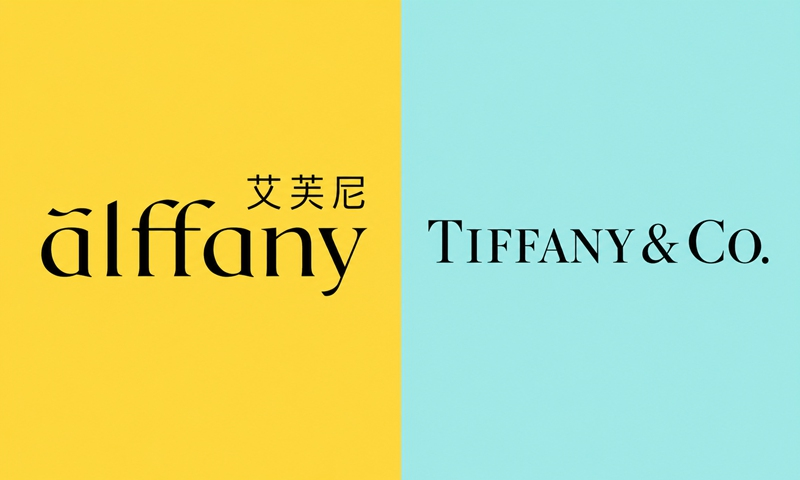
And yes, the names look rather familiar. Tiffany’s dispute with Alffany stretches back years. According to public trademark records reported by Chinese media, Tiffany challenged an “ALFFANY” mark filed in 2016 for stationery and related products. Authorities later invalidated the registration, finding the English mark visually similar to “TIFFANY” and “TIFFANY & CO.” and concluding that the goods could overlap enough in terms of consumers and sales channels to create confusion.
But Tiffany has not won every round. A separate ALFFANY trademark filed in 2023, covering products including sleep masks, was allowed to proceed after authorities found the goods sufficiently different from those covered by Tiffany’s earlier marks.
The latest dispute reached the Beijing High People’s Court on July 9. Unlike Louis Vuitton’s civil infringement case against Molly Tea, this is an administrative trademark dispute over whether an earlier registration decision should stand.
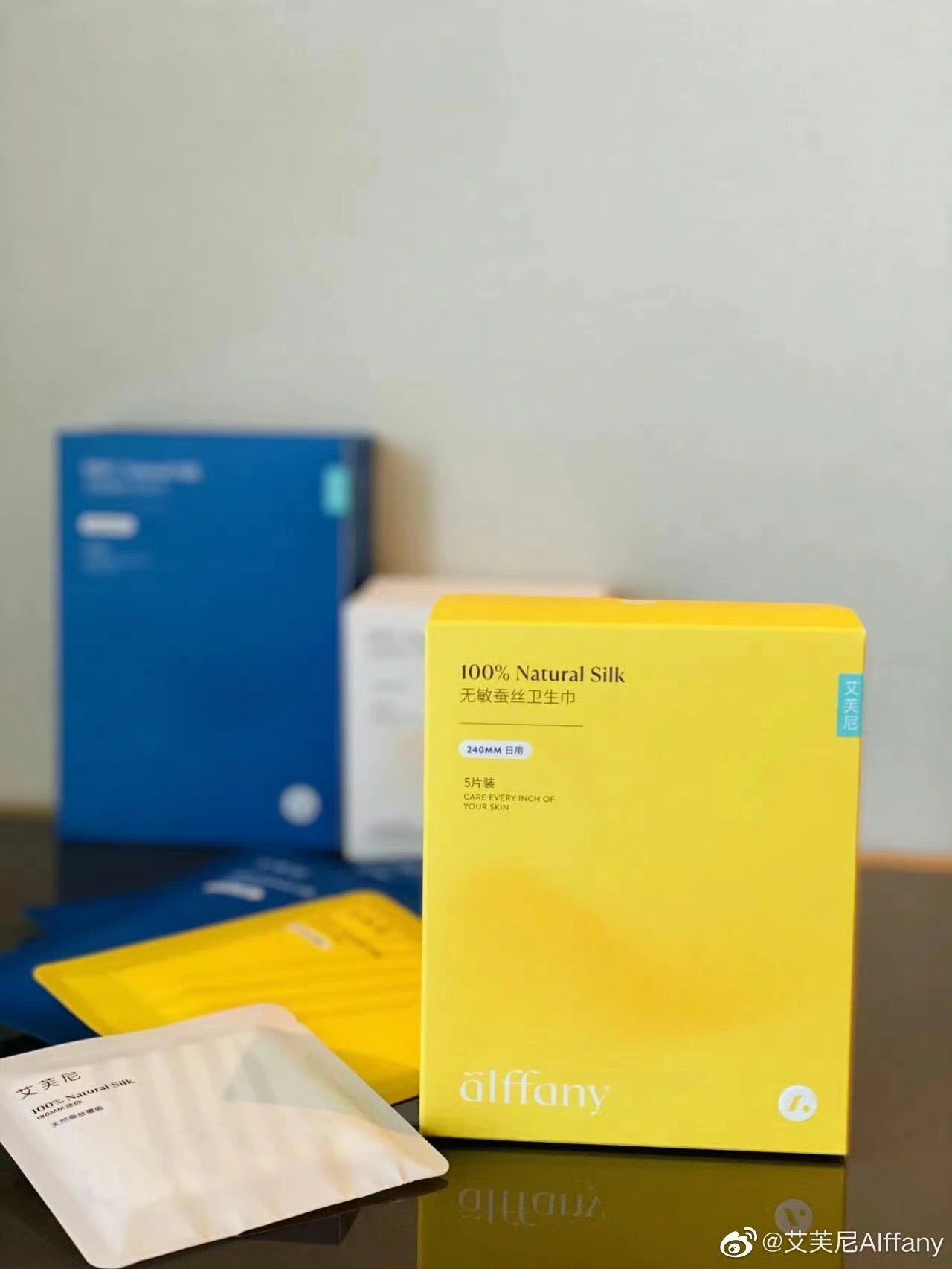
alffany, meanwhile, operates in a category far removed from diamond necklaces: sanitary pads. Its Chinese name, 艾芙尼, is marketed as sounding like 爱护你 (ài hù nǐ), or “to care for you.” The company has argued that its products are sufficiently different from Tiffany’s jewelry to avoid consumer confusion. That difference has become part of the joke online. On Xiaohongshu, users quickly placed the case alongside Louis Vuitton’s recent lawsuit against Molly Tea, especially given that both Tiffany & Co. and Louis Vuitton belong to luxury conglomerate LVMH.
Two cases do not make an LVMH-wide strategy. But with Louis Vuitton’s flower and Tiffany’s name both landing in Chinese courtrooms, the boundaries of what luxury brands can claim as uniquely their own are becoming increasingly visible.
Cover image via Tiffany.