
Feature image of Brand Purpose Is Nonsense — Culture Is Not

Brand Purpose Is Nonsense — Culture Is Not

3 mins read

3 mins read

Feature image of Brand Purpose Is Nonsense — Culture Is Not
RADII's latest Op-Ed looks at why brand purpose falls short — and how culture in China drives real customer engagement.

A Purpose Is Not a Customer Relationship

Every brand seems to have one: a carefully worded statement about why the company exists beyond making money. It probably took weeks to agree on. But how many customers have heard it, let alone chosen a product because of it?

Renowned brand and marketing consultant Mark Ritson has argued that purpose means little if it never changes what a company does. Byron Sharp, a professor of marketing science, has questioned why brands feel the need to act like saints when making good products, and serving customers is valuable work—I share their scepticism.
RADII's latest VIEWPOINTS op-ed looks at why 'brand purpose' is nonsent, and how cultire is now, through examples of Chinese brands that do it right.
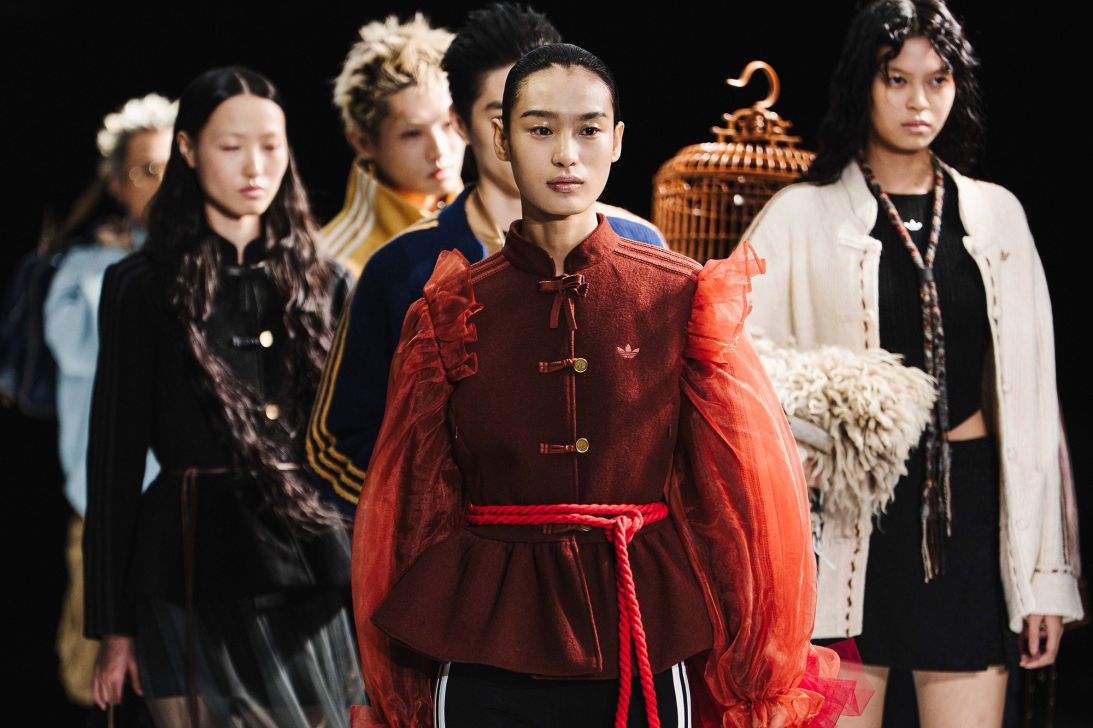
adidas Originals’ POWER OF THREE show during Shanghai Fashion Week 2025. Image via CNN.

So we ask: What exactly is brand purpose? Poke around, and you will get a different definition from almost everyone. Culture, on the other hand, is more tangible. You can see it in what people make, wear, and share—and where they choose to show up.

But alas! You might be thinking, “Yet another marketing bullshit article,” but for those who know, culture can give us something real to work with.

Brands Earn a Place in Culture by Making Something People Want

Let’s take cues from Chinese fragrances. Brands are making scents that recall osmanthus courtyards, green-plum wine and childhood sweets. They did not create those memories, but they recognised something people already felt and made a product that lets them hold on to it.
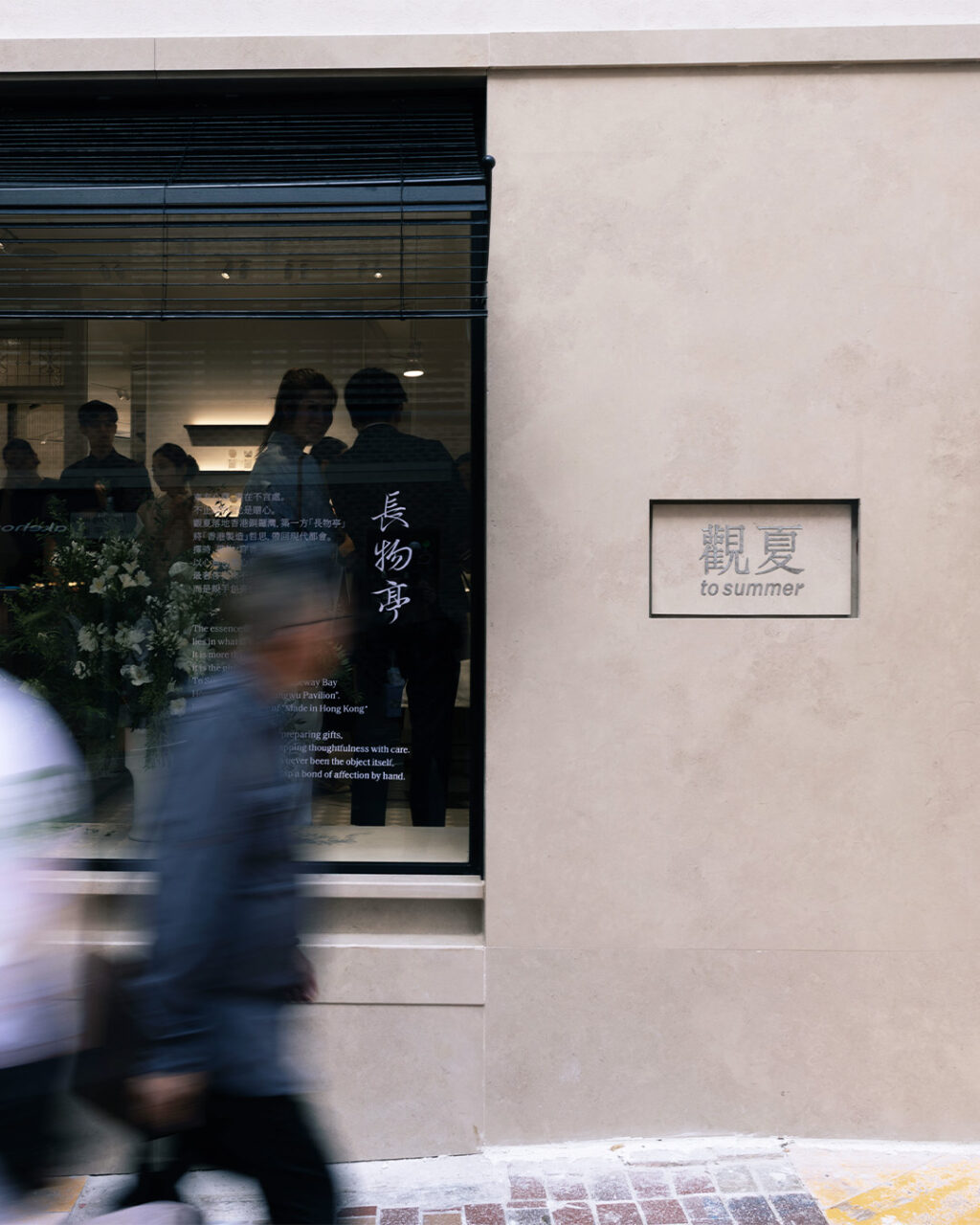

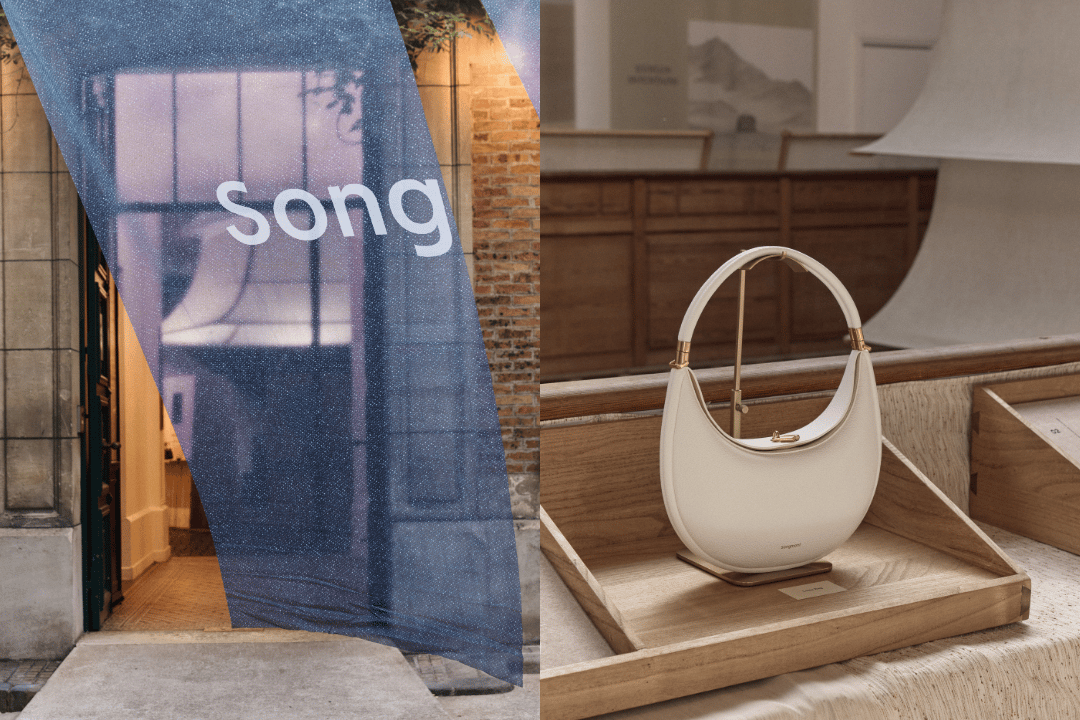
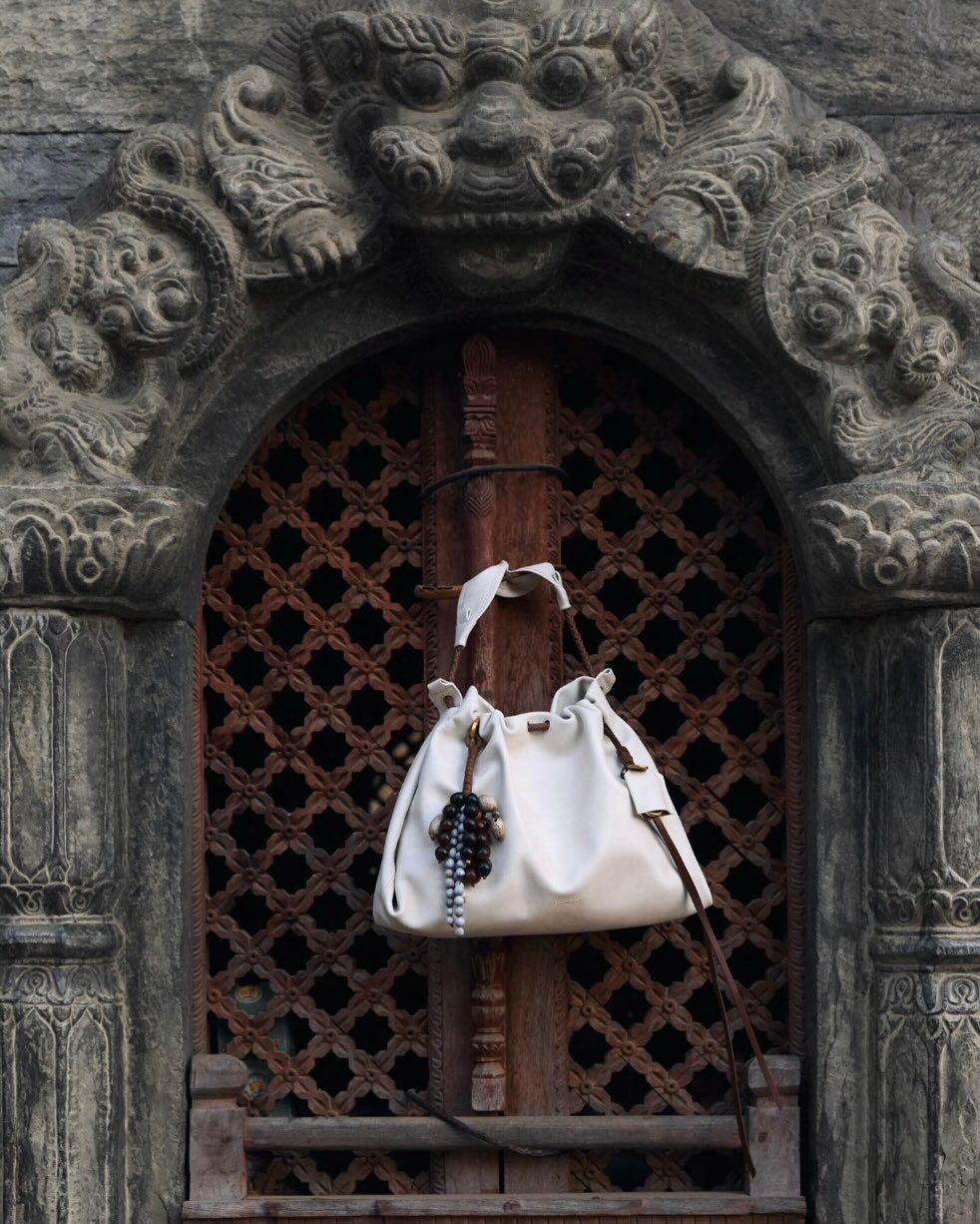
Chinese designer bag brand Songmont has taken that instinct beyond the product. Its Shanghai exhibitions bring Chinese craft, artists, and audiences together; its 2026 edition explored patchwork, indigo dyeing and weaving. You can come for the bags, but there is a wider world to spend time in. Its online bag sales grew about 90% in the first three quarters of 2025, according to reported market data.

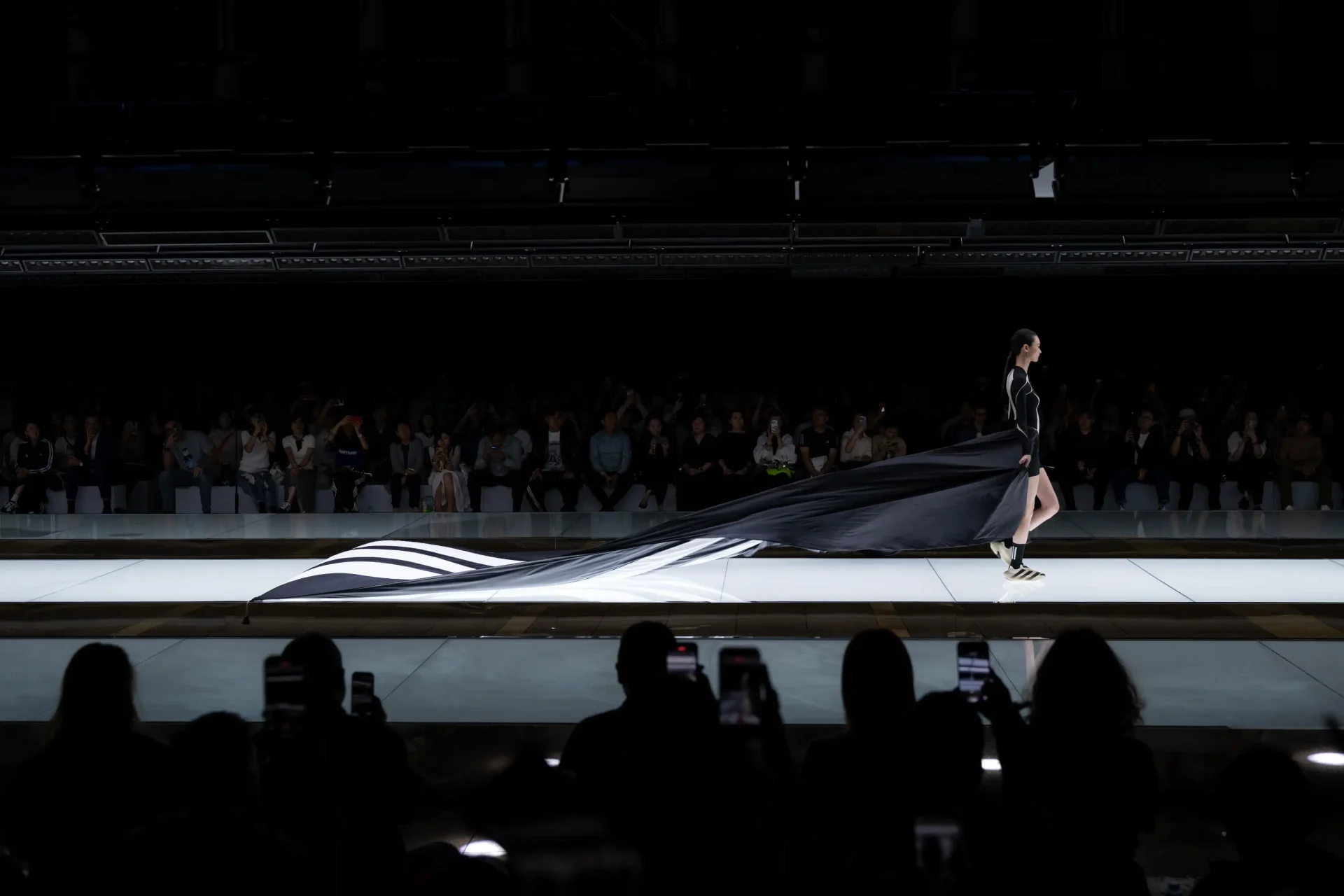
And then there are the global giants. adidas Originals’ China division has made room for culture on another scale. At Shanghai Fashion Week, it worked with local creatives and presented an exhibition on 20 years of Chinese street culture. Visitors could see the clothes alongside the artists and influences around them. adidas’ Greater China sales grew 13% on a currency-neutral basis in 2025.
RADII's latest VIEWPOINTS op-ed looks at why 'brand purpose' is nonsent, and how cultire is now, through examples of Chinese brands that do it right.
Chinese supermodel He Cong walking the adidas Originals SS26 show during Shanghai Fashion Week. Image via Sneakerize.

Neither brand is relying on people to remember “purpose.” They give people ways to discover the brand, spend time with it, and ultimately decide it belongs in their lives.

When Content is Cheap, Being There Matters More

Oh, the magic word: “AI.” Artificial Intelligence can make an image, film, or story in a matter of seconds, but with today’s flood of content, people are increasingly trying to connect to something that they actually relate to; to be a part of something, or a place where they would really want to go.

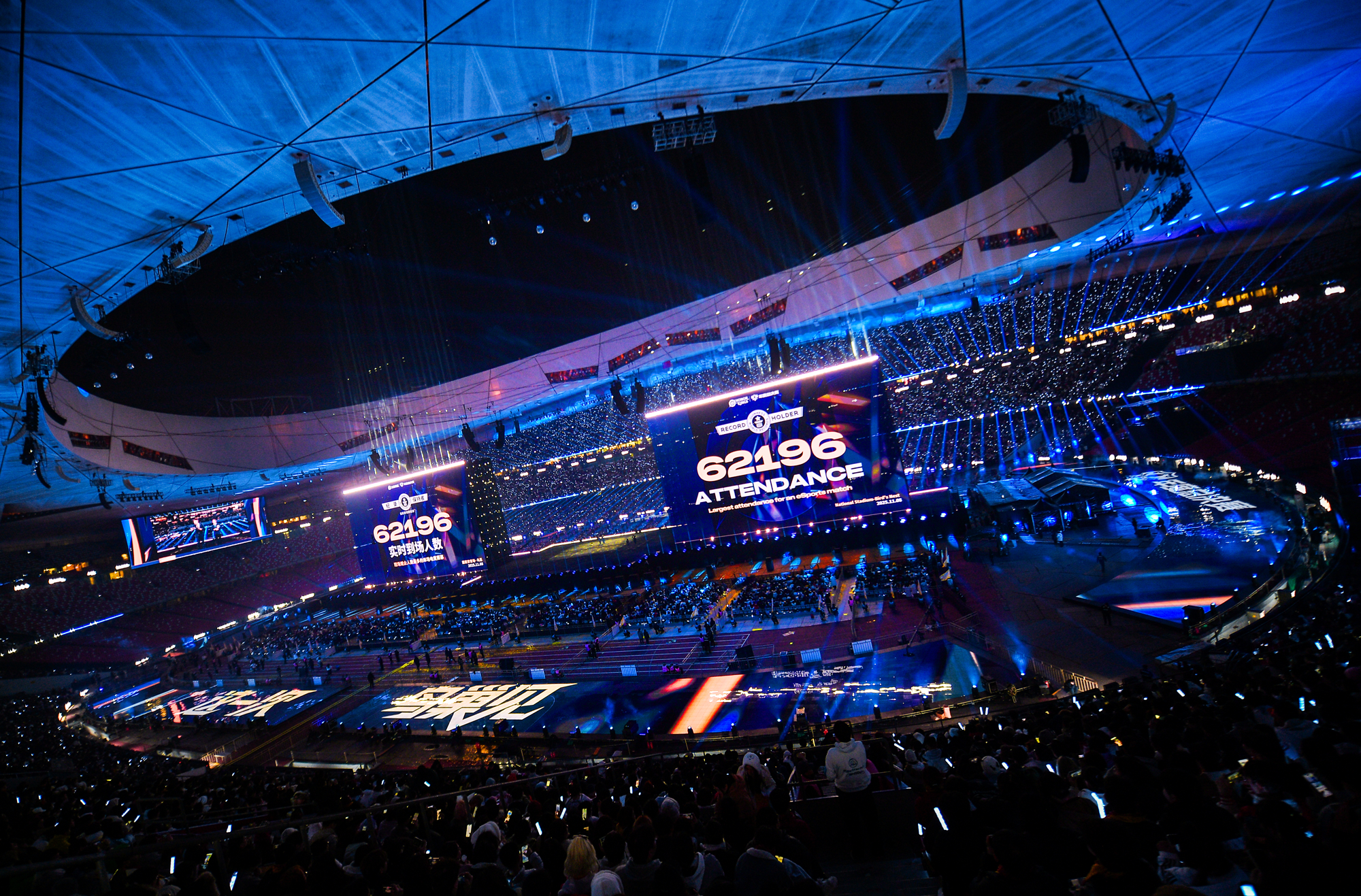
We can see the appetite clearly in China. Shanghai recorded 25.45 million attendees at commercial performances in 2024, with attendance and ticket revenues both rising more than 20%. Large concerts nationwide drew nearly 38 million attendees in 2025, which is up 30.8%. People in China are happily paying to show up and share an experience.
RADII's latest VIEWPOINTS op-ed looks at why 'brand purpose' is nonsent, and how cultire is now, through examples of Chinese brands that do it right.
A live tournament hosted by China’s leading esports company, Hero Esports, with record-breaking attendance. Image via Hero Esports.

For brands, the opportunity goes beyond making content about culture. It lies in the actual participation of culture, helping create experiences, spaces, and products that people choose to include in their lives.

Contribution Works When the Brand Knows Its Role

There is no single formula for joining culture. Songmont gives craft a place beyond the bag. adidas creates space for street culture and its makers. RADII brings creators and audiences together, giving brands a way to help make those encounters happen.

At a Shanghai gathering supported by adidas Originals, RADII and community games collective [[rect*]]repair invited creators to make things with AI and show one another the results. In Hong Kong, RADII partnered with the OMNI International AI Film Festival on an AI cinema event. In both cases, people had something to make, see, and talk about together.

By all means, keep purpose as an internal guide if it helps. But if the goal is growth, find the cultural behaviours connected to your product, understand what people value in them, and help make something they will choose to use, attend, or share.

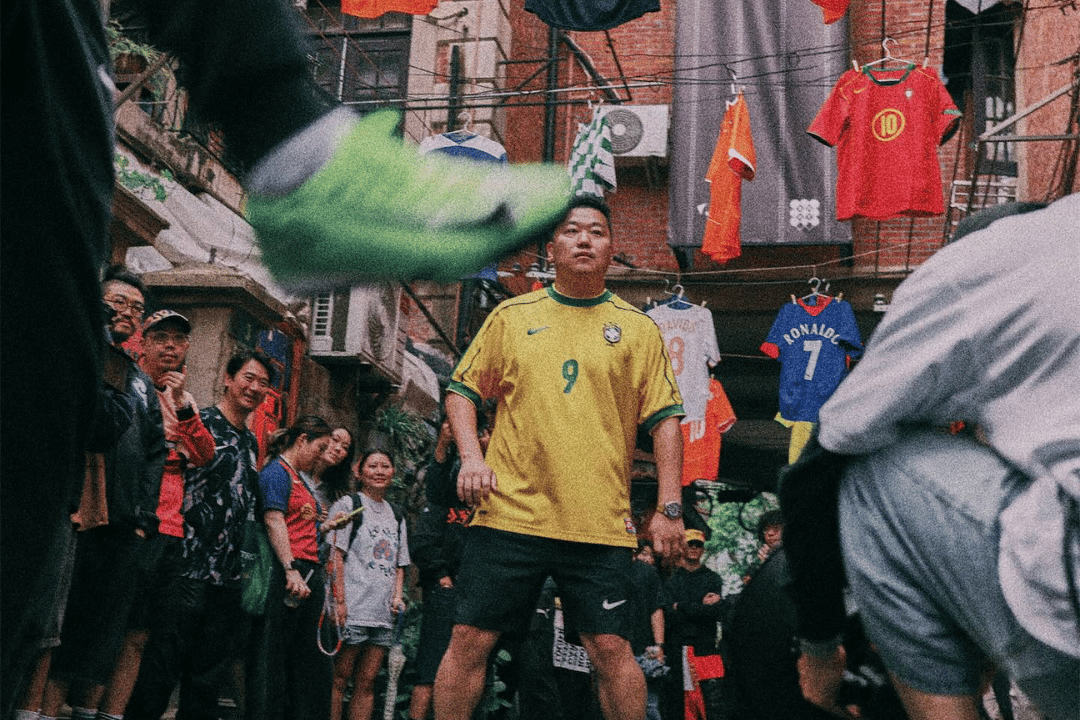
Cover image of Nike x ANAR FC’s T90 event in Shanghai, via Instagram/ANAR FC.

NEWSLETTER

Get weekly top picks and exclusive, newsletter only content delivered straight to you inbox.

NEWSLETTER

Get weekly top picks and exclusive, newsletter only content delivered straight to you inbox.

RADII NEWSLETTER

Get weekly top picks and exclusive, newsletter only content delivered straight to you inbox

Feature image of Brand Purpose Is Nonsense — Culture Is Not

Brand Purpose Is Nonsense — Culture Is Not

3 mins read

RADII's latest Op-Ed looks at why brand purpose falls short — and how culture in China drives real customer engagement.

A Purpose Is Not a Customer Relationship

Every brand seems to have one: a carefully worded statement about why the company exists beyond making money. It probably took weeks to agree on. But how many customers have heard it, let alone chosen a product because of it?

Renowned brand and marketing consultant Mark Ritson has argued that purpose means little if it never changes what a company does. Byron Sharp, a professor of marketing science, has questioned why brands feel the need to act like saints when making good products, and serving customers is valuable work—I share their scepticism.

RADII's latest VIEWPOINTS op-ed looks at why 'brand purpose' is nonsent, and how cultire is now, through examples of Chinese brands that do it right.
adidas Originals’ POWER OF THREE show during Shanghai Fashion Week 2025. Image via CNN.

So we ask: What exactly is brand purpose? Poke around, and you will get a different definition from almost everyone. Culture, on the other hand, is more tangible. You can see it in what people make, wear, and share—and where they choose to show up.

But alas! You might be thinking, “Yet another marketing bullshit article,” but for those who know, culture can give us something real to work with.

Brands Earn a Place in Culture by Making Something People Want

Let’s take cues from Chinese fragrances. Brands are making scents that recall osmanthus courtyards, green-plum wine and childhood sweets. They did not create those memories, but they recognised something people already felt and made a product that lets them hold on to it.

Chinese designer bag brand Songmont has taken that instinct beyond the product. Its Shanghai exhibitions bring Chinese craft, artists, and audiences together; its 2026 edition explored patchwork, indigo dyeing and weaving. You can come for the bags, but there is a wider world to spend time in. Its online bag sales grew about 90% in the first three quarters of 2025, according to reported market data.

And then there are the global giants. adidas Originals’ China division has made room for culture on another scale. At Shanghai Fashion Week, it worked with local creatives and presented an exhibition on 20 years of Chinese street culture. Visitors could see the clothes alongside the artists and influences around them. adidas’ Greater China sales grew 13% on a currency-neutral basis in 2025.

RADII's latest VIEWPOINTS op-ed looks at why 'brand purpose' is nonsent, and how cultire is now, through examples of Chinese brands that do it right.
Chinese supermodel He Cong walking the adidas Originals SS26 show during Shanghai Fashion Week. Image via Sneakerize.

Neither brand is relying on people to remember “purpose.” They give people ways to discover the brand, spend time with it, and ultimately decide it belongs in their lives.

When Content is Cheap, Being There Matters More

Oh, the magic word: “AI.” Artificial Intelligence can make an image, film, or story in a matter of seconds, but with today’s flood of content, people are increasingly trying to connect to something that they actually relate to; to be a part of something, or a place where they would really want to go.

We can see the appetite clearly in China. Shanghai recorded 25.45 million attendees at commercial performances in 2024, with attendance and ticket revenues both rising more than 20%. Large concerts nationwide drew nearly 38 million attendees in 2025, which is up 30.8%. People in China are happily paying to show up and share an experience.

RADII's latest VIEWPOINTS op-ed looks at why 'brand purpose' is nonsent, and how cultire is now, through examples of Chinese brands that do it right.
A live tournament hosted by China’s leading esports company, Hero Esports, with record-breaking attendance. Image via Hero Esports.

For brands, the opportunity goes beyond making content about culture. It lies in the actual participation of culture, helping create experiences, spaces, and products that people choose to include in their lives.

Contribution Works When the Brand Knows Its Role

There is no single formula for joining culture. Songmont gives craft a place beyond the bag. adidas creates space for street culture and its makers. RADII brings creators and audiences together, giving brands a way to help make those encounters happen.

At a Shanghai gathering supported by adidas Originals, RADII and community games collective [[rect*]]repair invited creators to make things with AI and show one another the results. In Hong Kong, RADII partnered with the OMNI International AI Film Festival on an AI cinema event. In both cases, people had something to make, see, and talk about together.

By all means, keep purpose as an internal guide if it helps. But if the goal is growth, find the cultural behaviours connected to your product, understand what people value in them, and help make something they will choose to use, attend, or share.

Cover image of Nike x ANAR FC’s T90 event in Shanghai, via Instagram/ANAR FC.

NEWSLETTER

Get weekly top picks and exclusive, newsletter only content delivered straight to you inbox.

RADII NEWSLETTER

Get weekly top picks and exclusive, newsletter only content delivered straight to you inbox

RELATED POSTS

Feature image of Brand Purpose Is Nonsense — Culture Is Not

Brand Purpose Is Nonsense — Culture Is Not

3 mins read

3 mins read

Feature image of Brand Purpose Is Nonsense — Culture Is Not
RADII's latest Op-Ed looks at why brand purpose falls short — and how culture in China drives real customer engagement.

A Purpose Is Not a Customer Relationship

Every brand seems to have one: a carefully worded statement about why the company exists beyond making money. It probably took weeks to agree on. But how many customers have heard it, let alone chosen a product because of it?

Renowned brand and marketing consultant Mark Ritson has argued that purpose means little if it never changes what a company does. Byron Sharp, a professor of marketing science, has questioned why brands feel the need to act like saints when making good products, and serving customers is valuable work—I share their scepticism.

RADII's latest VIEWPOINTS op-ed looks at why 'brand purpose' is nonsent, and how cultire is now, through examples of Chinese brands that do it right.
adidas Originals’ POWER OF THREE show during Shanghai Fashion Week 2025. Image via CNN.

So we ask: What exactly is brand purpose? Poke around, and you will get a different definition from almost everyone. Culture, on the other hand, is more tangible. You can see it in what people make, wear, and share—and where they choose to show up.

But alas! You might be thinking, “Yet another marketing bullshit article,” but for those who know, culture can give us something real to work with.

Brands Earn a Place in Culture by Making Something People Want

Let’s take cues from Chinese fragrances. Brands are making scents that recall osmanthus courtyards, green-plum wine and childhood sweets. They did not create those memories, but they recognised something people already felt and made a product that lets them hold on to it.

Chinese designer bag brand Songmont has taken that instinct beyond the product. Its Shanghai exhibitions bring Chinese craft, artists, and audiences together; its 2026 edition explored patchwork, indigo dyeing and weaving. You can come for the bags, but there is a wider world to spend time in. Its online bag sales grew about 90% in the first three quarters of 2025, according to reported market data.

And then there are the global giants. adidas Originals’ China division has made room for culture on another scale. At Shanghai Fashion Week, it worked with local creatives and presented an exhibition on 20 years of Chinese street culture. Visitors could see the clothes alongside the artists and influences around them. adidas’ Greater China sales grew 13% on a currency-neutral basis in 2025.

RADII's latest VIEWPOINTS op-ed looks at why 'brand purpose' is nonsent, and how cultire is now, through examples of Chinese brands that do it right.
Chinese supermodel He Cong walking the adidas Originals SS26 show during Shanghai Fashion Week. Image via Sneakerize.

Neither brand is relying on people to remember “purpose.” They give people ways to discover the brand, spend time with it, and ultimately decide it belongs in their lives.

When Content is Cheap, Being There Matters More

Oh, the magic word: “AI.” Artificial Intelligence can make an image, film, or story in a matter of seconds, but with today’s flood of content, people are increasingly trying to connect to something that they actually relate to; to be a part of something, or a place where they would really want to go.

We can see the appetite clearly in China. Shanghai recorded 25.45 million attendees at commercial performances in 2024, with attendance and ticket revenues both rising more than 20%. Large concerts nationwide drew nearly 38 million attendees in 2025, which is up 30.8%. People in China are happily paying to show up and share an experience.

RADII's latest VIEWPOINTS op-ed looks at why 'brand purpose' is nonsent, and how cultire is now, through examples of Chinese brands that do it right.
A live tournament hosted by China’s leading esports company, Hero Esports, with record-breaking attendance. Image via Hero Esports.

For brands, the opportunity goes beyond making content about culture. It lies in the actual participation of culture, helping create experiences, spaces, and products that people choose to include in their lives.

Contribution Works When the Brand Knows Its Role

There is no single formula for joining culture. Songmont gives craft a place beyond the bag. adidas creates space for street culture and its makers. RADII brings creators and audiences together, giving brands a way to help make those encounters happen.

At a Shanghai gathering supported by adidas Originals, RADII and community games collective [[rect*]]repair invited creators to make things with AI and show one another the results. In Hong Kong, RADII partnered with the OMNI International AI Film Festival on an AI cinema event. In both cases, people had something to make, see, and talk about together.

By all means, keep purpose as an internal guide if it helps. But if the goal is growth, find the cultural behaviours connected to your product, understand what people value in them, and help make something they will choose to use, attend, or share.

Cover image of Nike x ANAR FC’s T90 event in Shanghai, via Instagram/ANAR FC.

NEWSLETTER

Get weekly top picks and exclusive, newsletter only content delivered straight to you inbox.

NEWSLETTER

Get weekly top picks and exclusive, newsletter only content delivered straight to you inbox.

RADII NEWSLETTER

Get weekly top picks and exclusive, newsletter only content delivered straight to you inbox

Feature image of Brand Purpose Is Nonsense — Culture Is Not

Brand Purpose Is Nonsense — Culture Is Not

3 mins read

RADII's latest Op-Ed looks at why brand purpose falls short — and how culture in China drives real customer engagement.

A Purpose Is Not a Customer Relationship

Every brand seems to have one: a carefully worded statement about why the company exists beyond making money. It probably took weeks to agree on. But how many customers have heard it, let alone chosen a product because of it?

Renowned brand and marketing consultant Mark Ritson has argued that purpose means little if it never changes what a company does. Byron Sharp, a professor of marketing science, has questioned why brands feel the need to act like saints when making good products, and serving customers is valuable work—I share their scepticism.

RADII's latest VIEWPOINTS op-ed looks at why 'brand purpose' is nonsent, and how cultire is now, through examples of Chinese brands that do it right.
adidas Originals’ POWER OF THREE show during Shanghai Fashion Week 2025. Image via CNN.

So we ask: What exactly is brand purpose? Poke around, and you will get a different definition from almost everyone. Culture, on the other hand, is more tangible. You can see it in what people make, wear, and share—and where they choose to show up.

But alas! You might be thinking, “Yet another marketing bullshit article,” but for those who know, culture can give us something real to work with.

Brands Earn a Place in Culture by Making Something People Want

Let’s take cues from Chinese fragrances. Brands are making scents that recall osmanthus courtyards, green-plum wine and childhood sweets. They did not create those memories, but they recognised something people already felt and made a product that lets them hold on to it.

Chinese designer bag brand Songmont has taken that instinct beyond the product. Its Shanghai exhibitions bring Chinese craft, artists, and audiences together; its 2026 edition explored patchwork, indigo dyeing and weaving. You can come for the bags, but there is a wider world to spend time in. Its online bag sales grew about 90% in the first three quarters of 2025, according to reported market data.

And then there are the global giants. adidas Originals’ China division has made room for culture on another scale. At Shanghai Fashion Week, it worked with local creatives and presented an exhibition on 20 years of Chinese street culture. Visitors could see the clothes alongside the artists and influences around them. adidas’ Greater China sales grew 13% on a currency-neutral basis in 2025.

RADII's latest VIEWPOINTS op-ed looks at why 'brand purpose' is nonsent, and how cultire is now, through examples of Chinese brands that do it right.
Chinese supermodel He Cong walking the adidas Originals SS26 show during Shanghai Fashion Week. Image via Sneakerize.

Neither brand is relying on people to remember “purpose.” They give people ways to discover the brand, spend time with it, and ultimately decide it belongs in their lives.

When Content is Cheap, Being There Matters More

Oh, the magic word: “AI.” Artificial Intelligence can make an image, film, or story in a matter of seconds, but with today’s flood of content, people are increasingly trying to connect to something that they actually relate to; to be a part of something, or a place where they would really want to go.

We can see the appetite clearly in China. Shanghai recorded 25.45 million attendees at commercial performances in 2024, with attendance and ticket revenues both rising more than 20%. Large concerts nationwide drew nearly 38 million attendees in 2025, which is up 30.8%. People in China are happily paying to show up and share an experience.

RADII's latest VIEWPOINTS op-ed looks at why 'brand purpose' is nonsent, and how cultire is now, through examples of Chinese brands that do it right.
A live tournament hosted by China’s leading esports company, Hero Esports, with record-breaking attendance. Image via Hero Esports.

For brands, the opportunity goes beyond making content about culture. It lies in the actual participation of culture, helping create experiences, spaces, and products that people choose to include in their lives.

Contribution Works When the Brand Knows Its Role

There is no single formula for joining culture. Songmont gives craft a place beyond the bag. adidas creates space for street culture and its makers. RADII brings creators and audiences together, giving brands a way to help make those encounters happen.

At a Shanghai gathering supported by adidas Originals, RADII and community games collective [[rect*]]repair invited creators to make things with AI and show one another the results. In Hong Kong, RADII partnered with the OMNI International AI Film Festival on an AI cinema event. In both cases, people had something to make, see, and talk about together.

By all means, keep purpose as an internal guide if it helps. But if the goal is growth, find the cultural behaviours connected to your product, understand what people value in them, and help make something they will choose to use, attend, or share.

Cover image of Nike x ANAR FC’s T90 event in Shanghai, via Instagram/ANAR FC.

NEWSLETTER

Get weekly top picks and exclusive, newsletter only content delivered straight to you inbox.

RADII NEWSLETTER

Get weekly top picks and exclusive, newsletter only content delivered straight to you inbox

RELATED POSTS

RADII newsletter pop up visual

NEWSLETTER​

Get weekly top picks and exclusive, newsletter only content delivered straight to you inbox

RADII Newsletter Pop Up small banner

NEWSLETTER

Get weekly top picks and exclusive, newsletter only content delivered straight to you inbox.

Link Copied!

Share

Feature image of Brand Purpose Is Nonsense — Culture Is Not

Brand Purpose Is Nonsense — Culture Is Not

RADII's latest Op-Ed looks at why brand purpose falls short — and how culture in China drives real customer engagement.

PULSE

Tap into the latest in music, fashion, art, design, entertainment, pop culture, celebrity news, and contemporary culture

DISCOVER

Embark on a journey through food, travel, wellness, heritage, traditional culture, and lifestyle

STYLE

An insider’s look at the intersection of fashion, art, and design

FEAST

Titillate your taste buds with coverage of the best food and drink trends from China and beyond.

FUTURE

Explore the cutting edge in tech, AI, gadgets, gaming, and innovative tech-related products

FEAST

Titillate your taste buds with coverage of the best food and drink trends from China and beyond

STYLE

An insider’s look at the intersection of fashion, art, and design

PULSE

Unpacking Chinese youth culture through coverage of nightlife, film, sports, celebrities, and the hottest new music