
Have you ever wanted to create your own custom version of Minecraft stripped of its gloomy caves, replacing the dark forests with pastel-hued meadows and narwhals wandering instead of creepers? Or build a custom sidescroller, à la the classic mobile game Flappy Bird, except it’s a pterodactyl narrowly avoiding flying asteroids instead of green pipes?
All of these mind-bending crossovers are now possible—no coding or funding required. All you need is a single prompt.

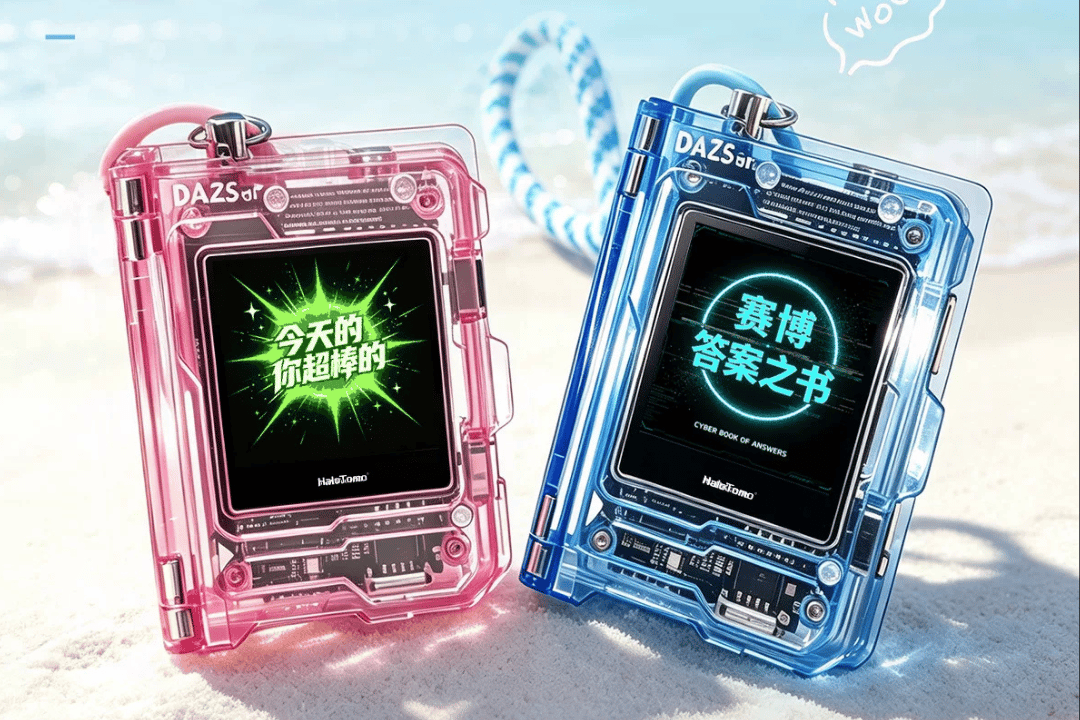
From July 31 to August 3, China’s largest digital entertainment expo, ChinaJoy, took up 140,000 square meters of space in Shanghai, featuring over 900 companies from dozens of countries. This year’s theme was “Level Up with AI,” and front and center was TapTap—the mobile gaming giant showcasing its in-house AI game development tool, TapTap Maker. Launched just six months ago, TapTap Maker enables users to build fully rendered, interactive games that can run smoothly without typing a single line of code.
The results have been momentous. Since TapTap Maker’s release in early 2026, new releases have exploded on the platform. Over 5,000 games were released in the first half of the year, an 843.8% increase from the same period last year. Roughly 4,000 of these games were built using AI, with the majority being amateurs and first-time creators. Skyrocketing numbers of new releases come as no surprise — not when making a game from scratch is now as effortless as making a Google search.
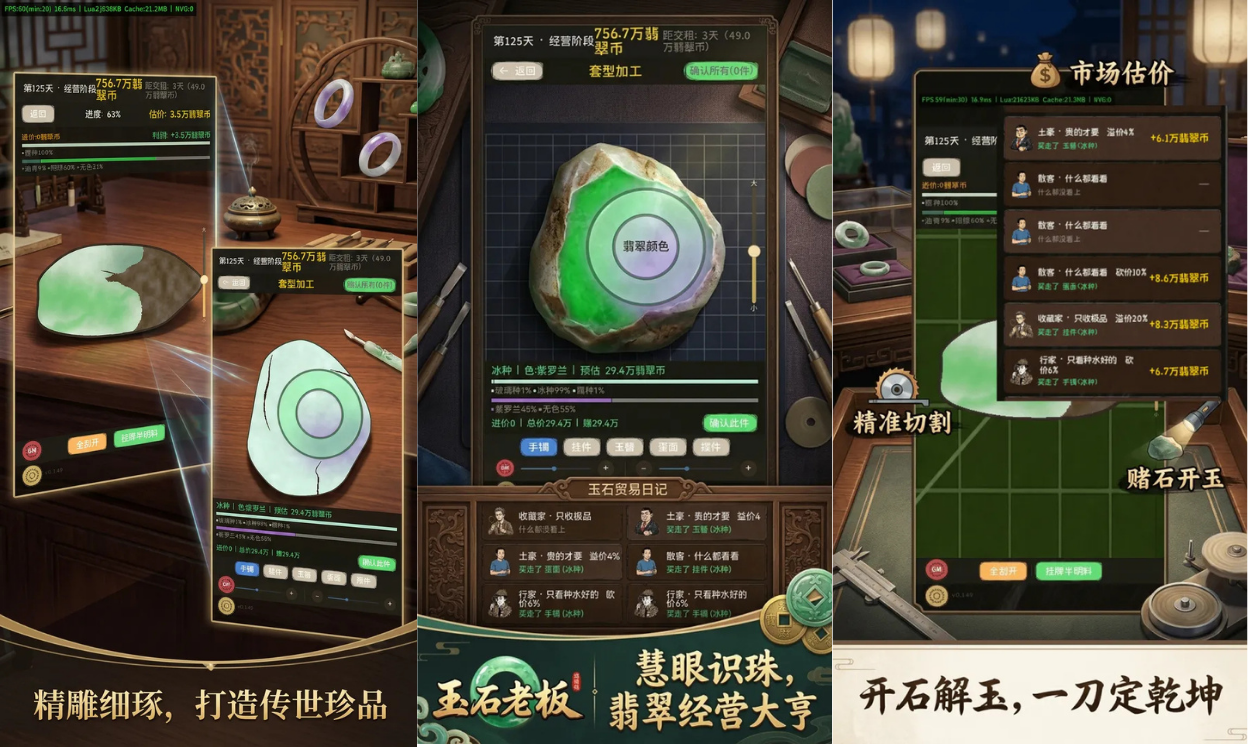
The lack of skill required to develop these games doesn’t translate to a lack of interest from users. One viral hit, Jade Business Simulator, racked up 1.17 million players in just 58 days. In this simulation game, the user plays as a jewelry shop owner buying stones and attempting to turn them into valuable jewelry. The thrill of Jade Business Simulator largely draws from the gamble of the jade stones: users scrape at the outer layers of a raw boulder in the hopes of uncovering valuable jade on the interior. This centuries-old business practice has officially been gamified.
Jade Business Simulator’s success goes to show that in the world of AI agents, the core idea itself is paramount. TapTap can handle the rest.
Every stage of the development process can be achieved through TapTap—creation, iteration, and distribution—all happening directly on the host platform, which boasts nearly 50 million users. In this sense, the tool doesn’t just lower the barrier to entry; it comes close to removing it entirely. Beyond turning raw concepts into playable games for beginner creators, the platform also offers professional developers a timely, cost-efficient method of prototyping potential games and streamlining the iteration process.
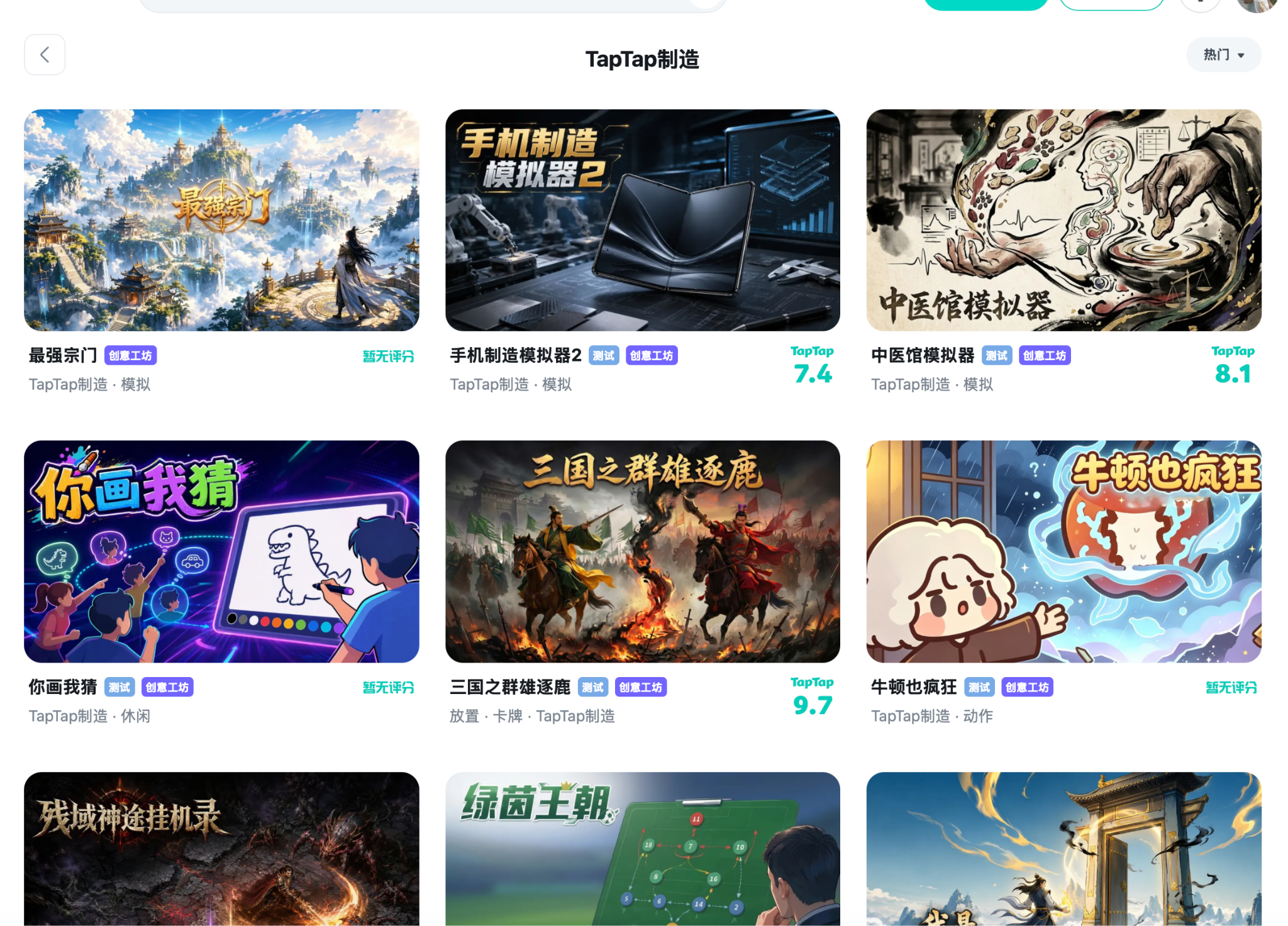
But the success of TapTap Maker poses more existential questions: Where does the future lie for an industry that is increasingly reliant on AI agents?
The tool is still in its infancy, and whether TapTap Maker will prove to be a tool of democratization that pushes creative frontiers or unleashes a tide of hastily produced material is yet to be seen. What we do know is that with playable worlds simply being prompted into existence, the flood of AI-created games can no longer be held back. As AI-made games and human-made games become increasingly indistinguishable, the next generation of Chinese game developers is being put to the task of forging an entirely new understanding of what it means to be a creator.
Cover image via XD.