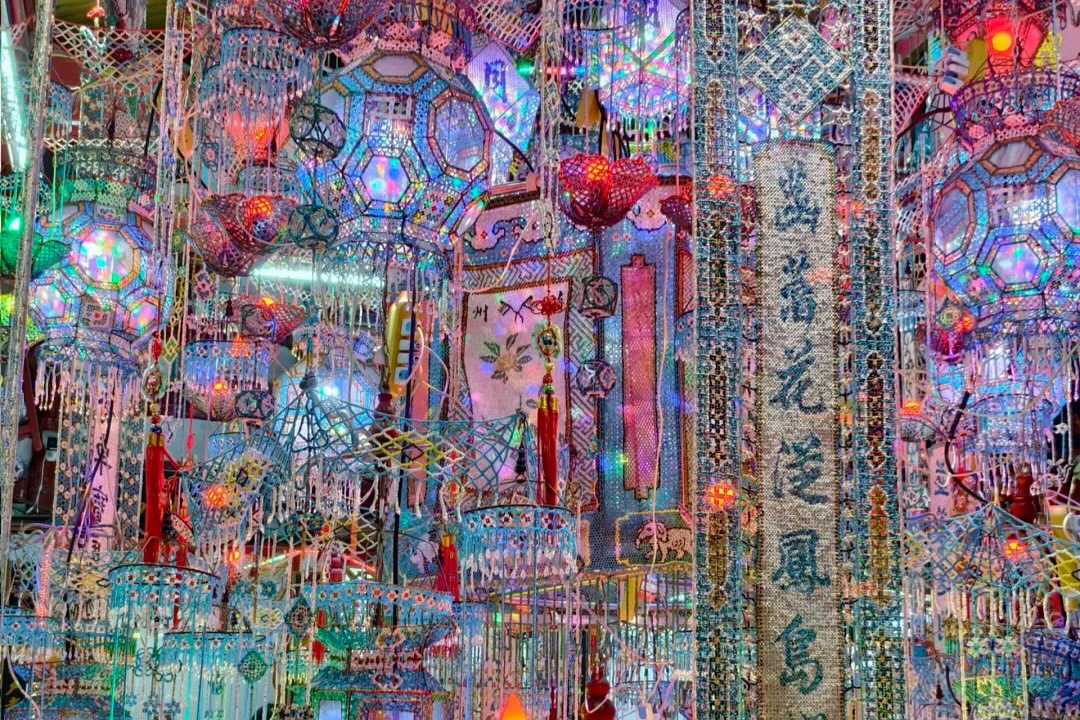

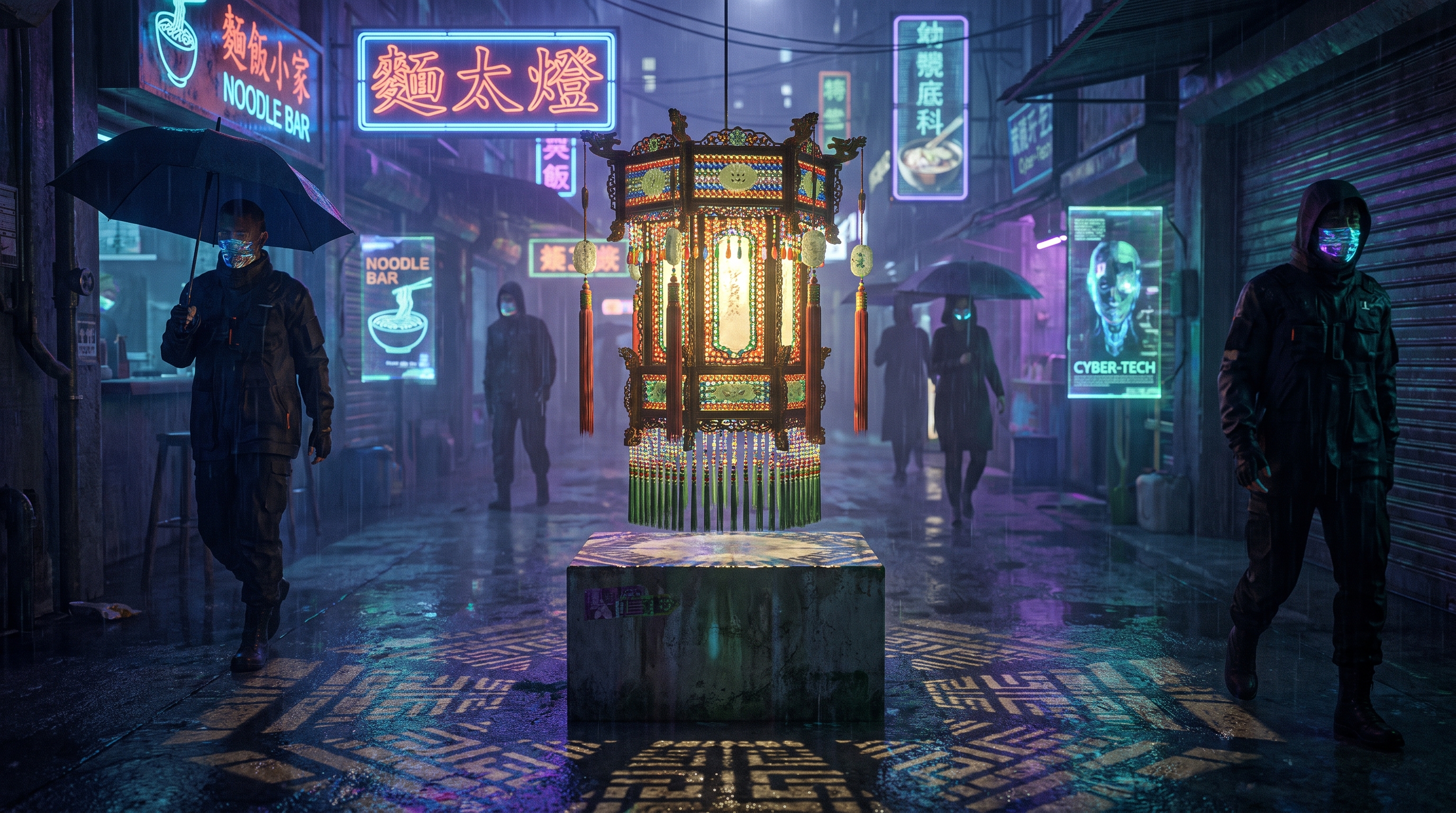
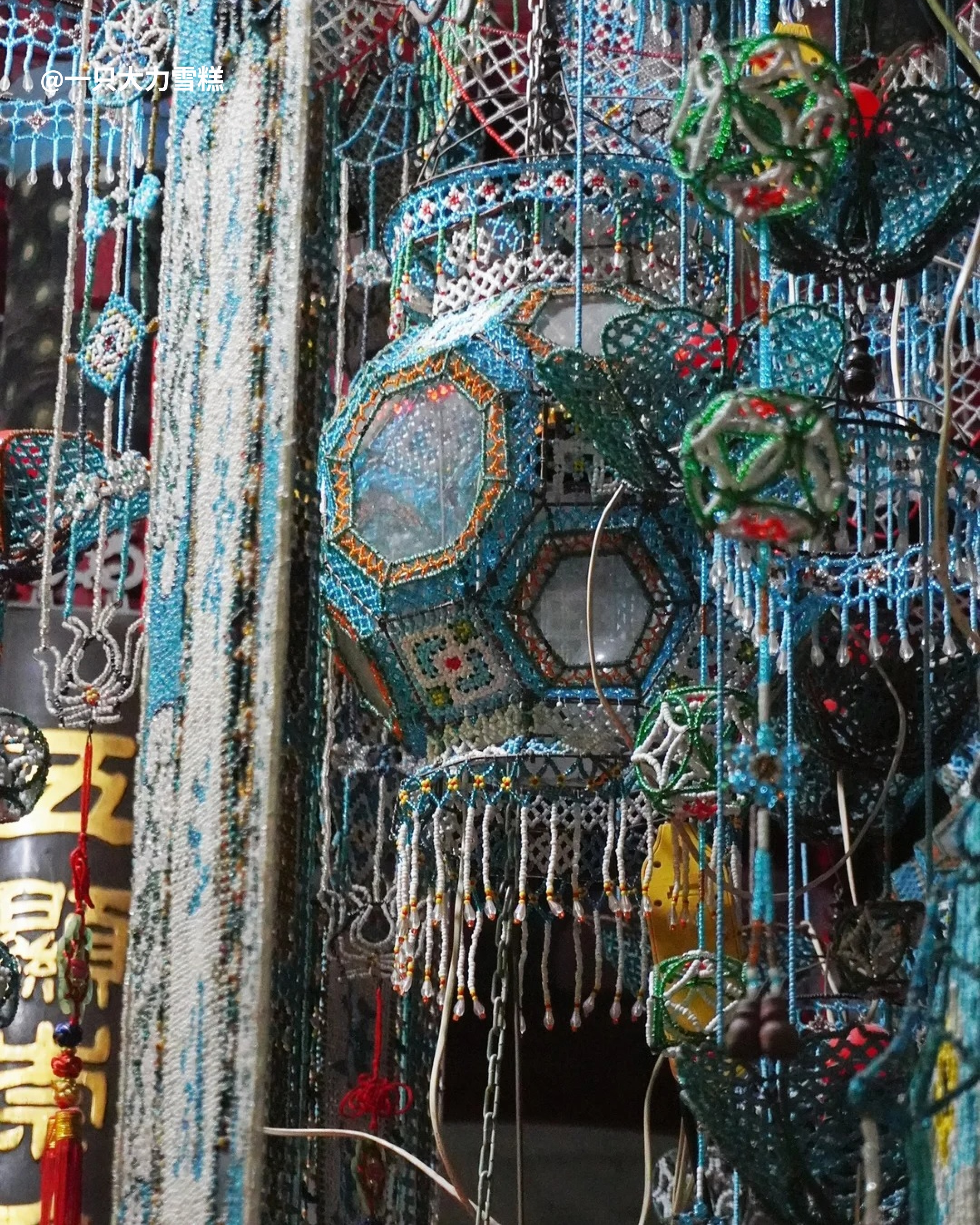
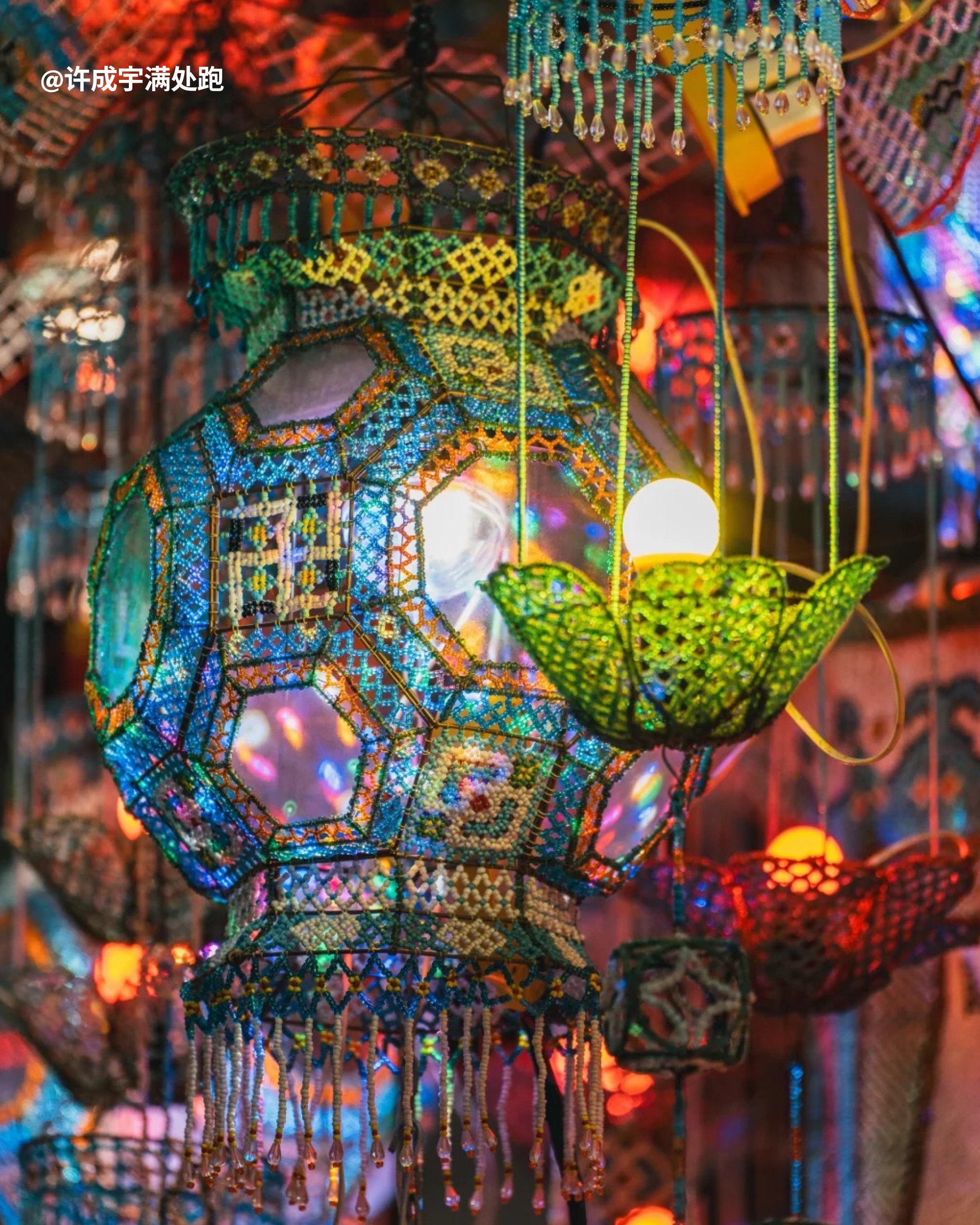
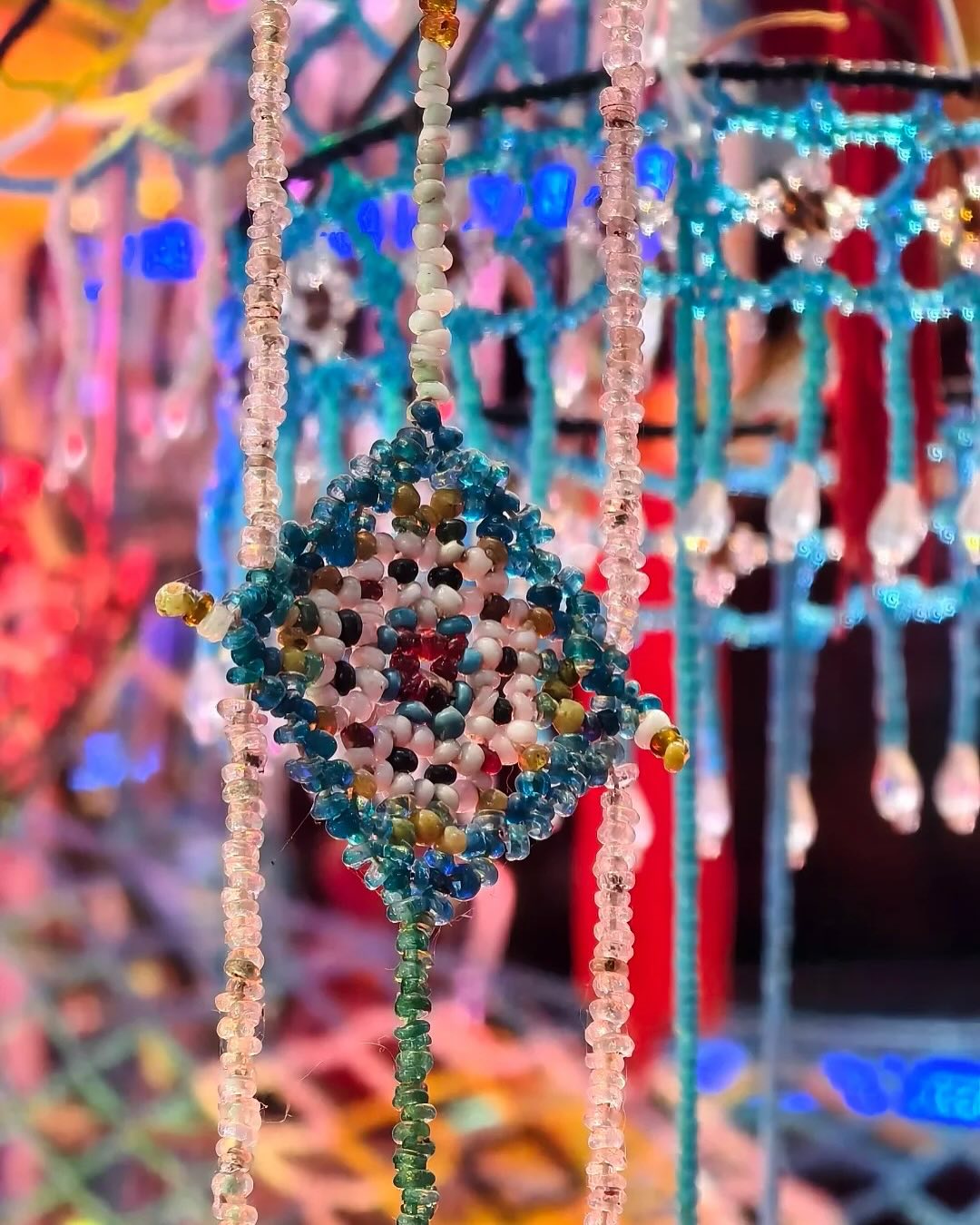
If you squint, these images look exactly like a piece of neon-lit, dystopian street furniture straight out of Blade Runner. But we can promise you this isn’t an AI Nano Banana generation or sci-fi concept art. Welcome to the mesmerizing, analog reality of the beaded lantern, or zhū dēng (珠灯).
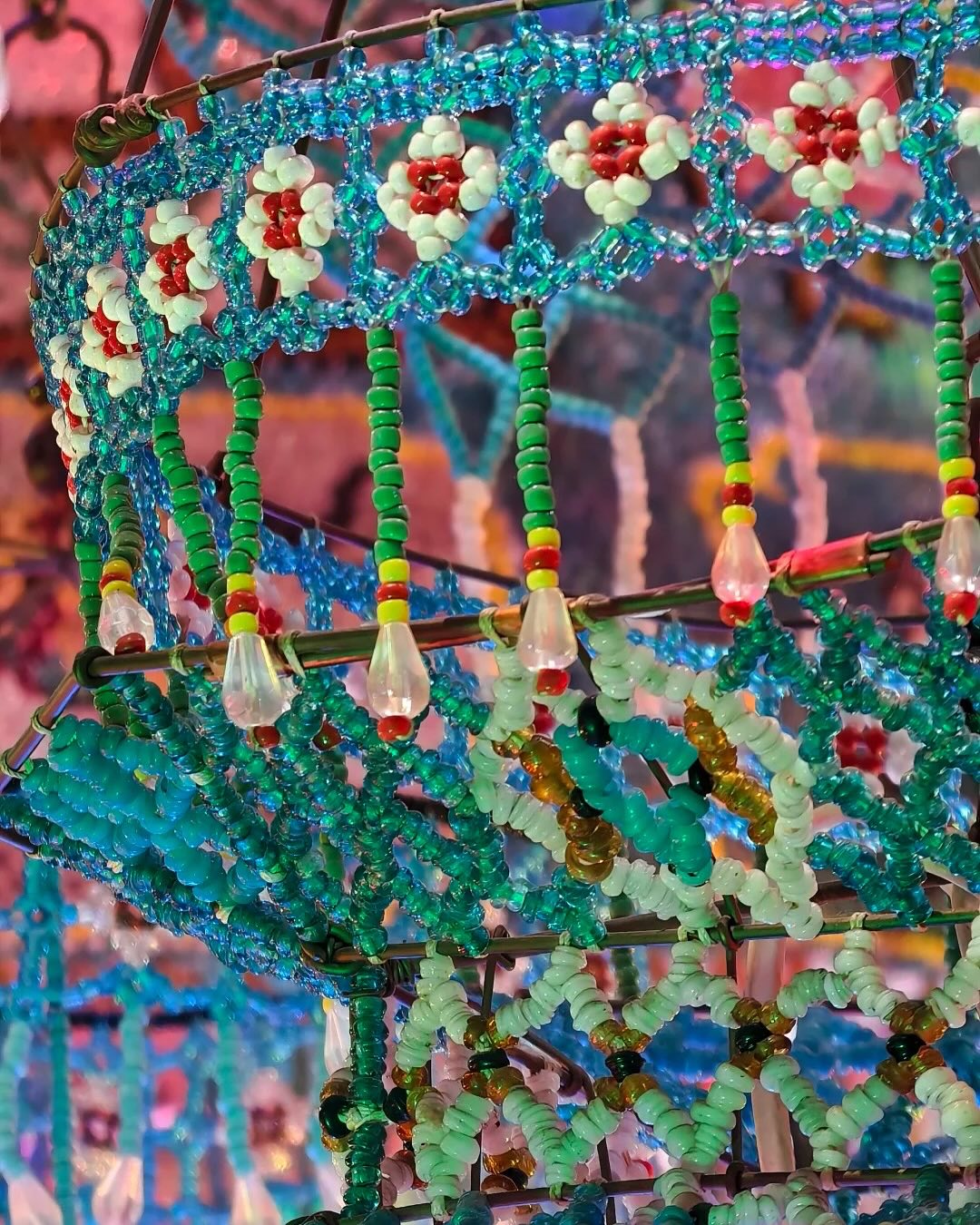
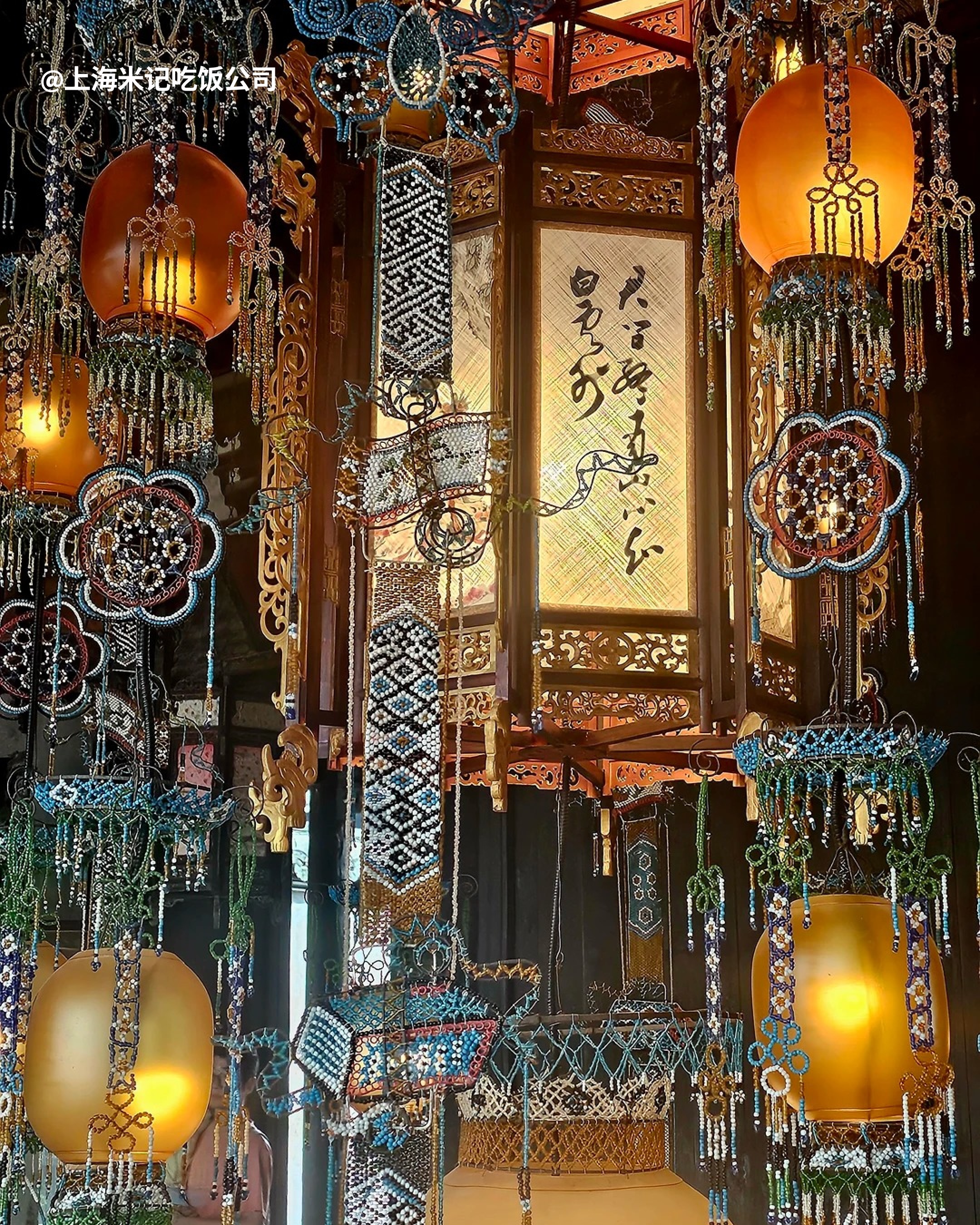
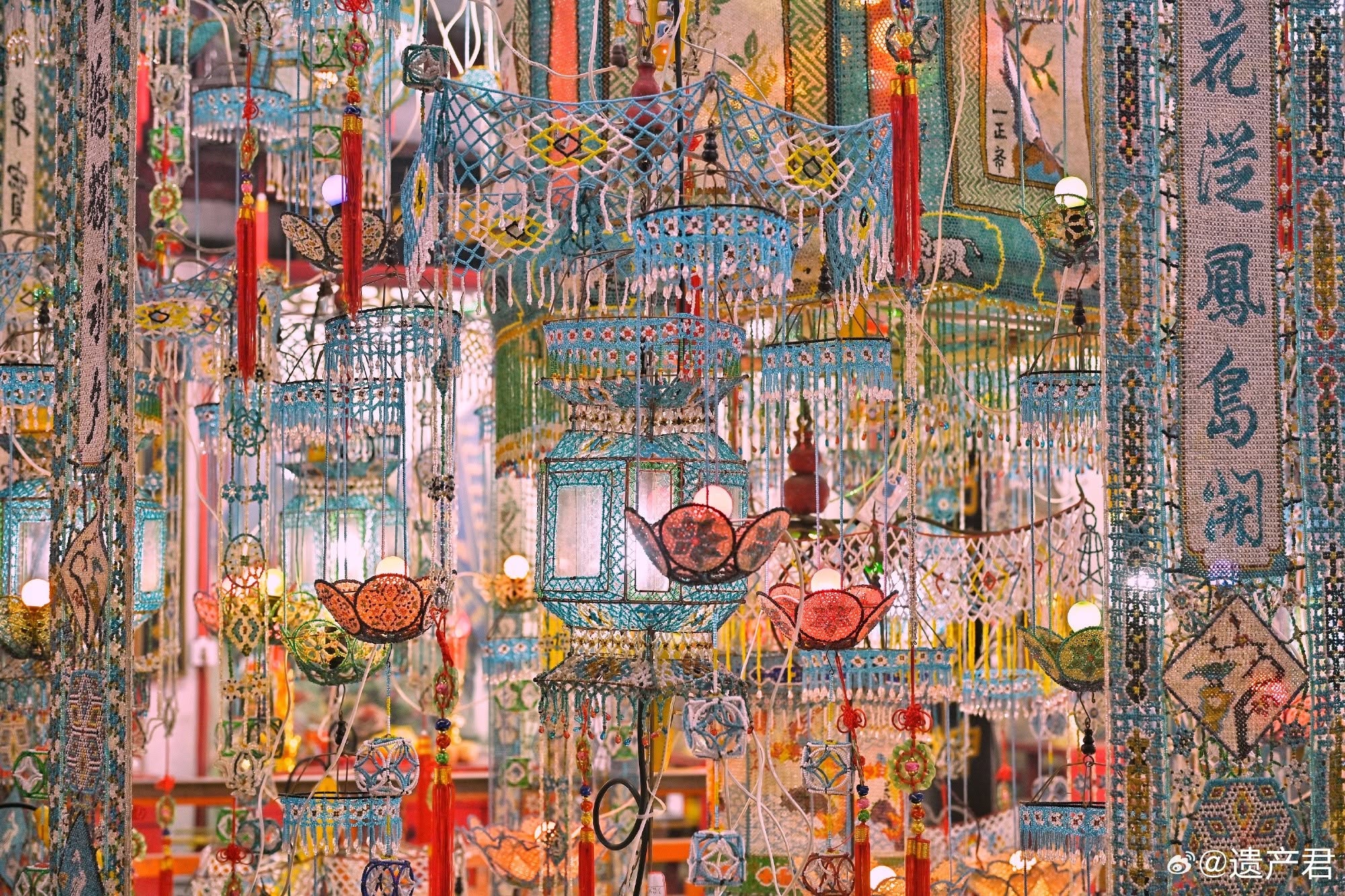
Popularized during the Qing Dynasty and officially recognized as an intangible cultural heritage in 2009, these intricate lanterns are pure craftsmanship. Artisans meticulously thread glass, jade, and precious stones onto bamboo and twine frames, building them up in elaborate, glowing layers. The patterns adapt to the occasion—often flexing auspicious vibes like birds, flowers, or lucky calligraphy. When lit, the layered gems cast intricate, dancing shadows that could rival any modern light installation.
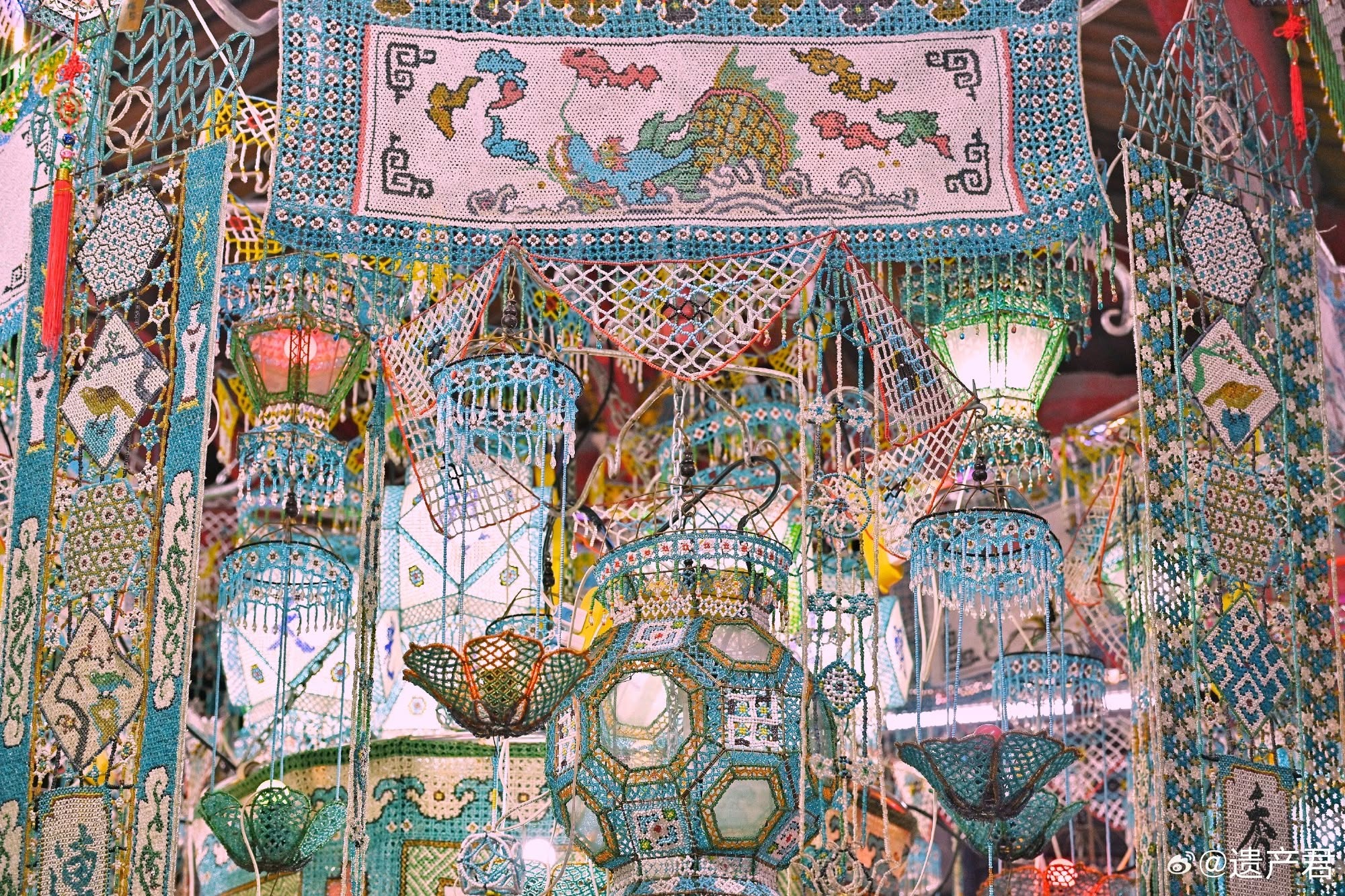
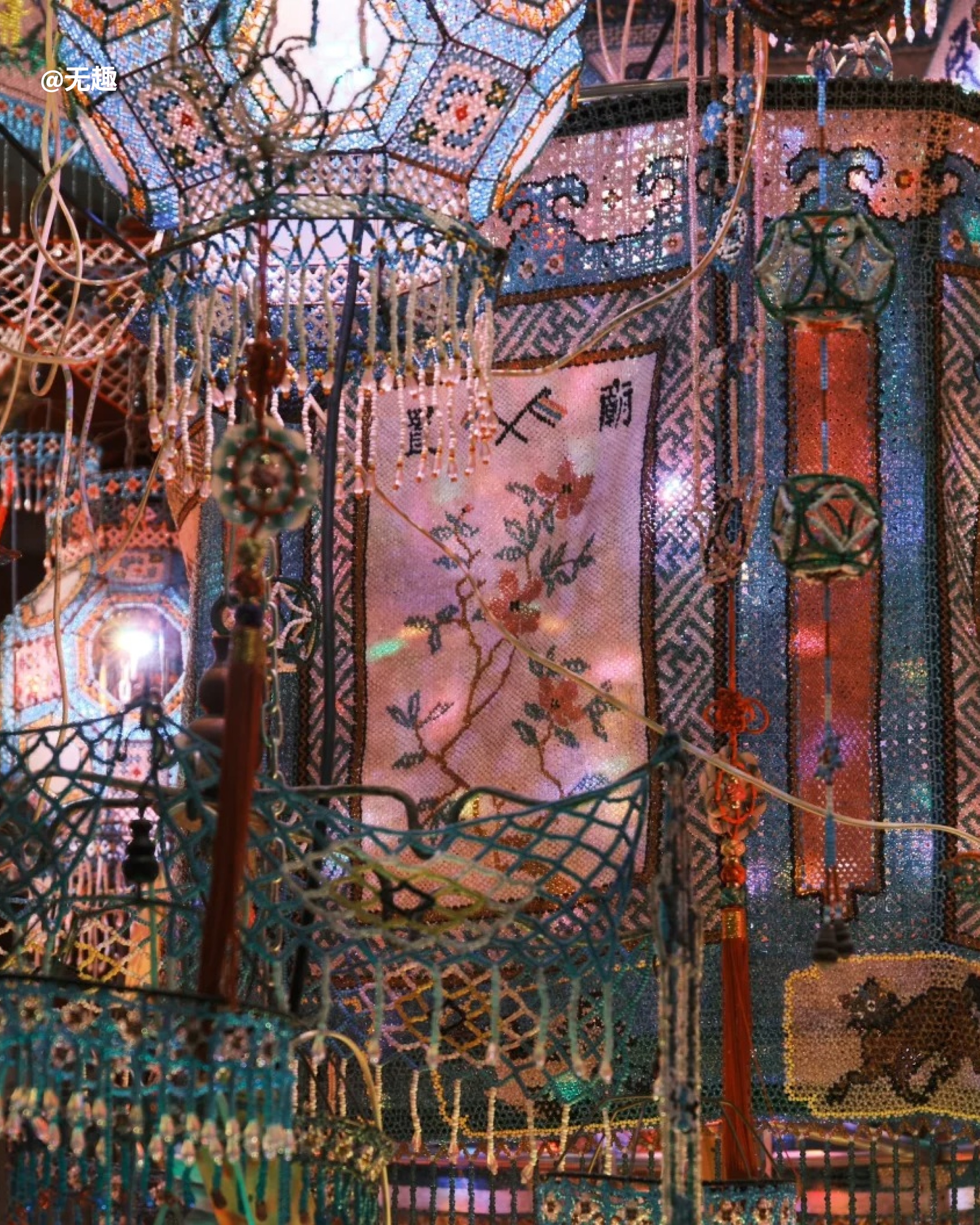
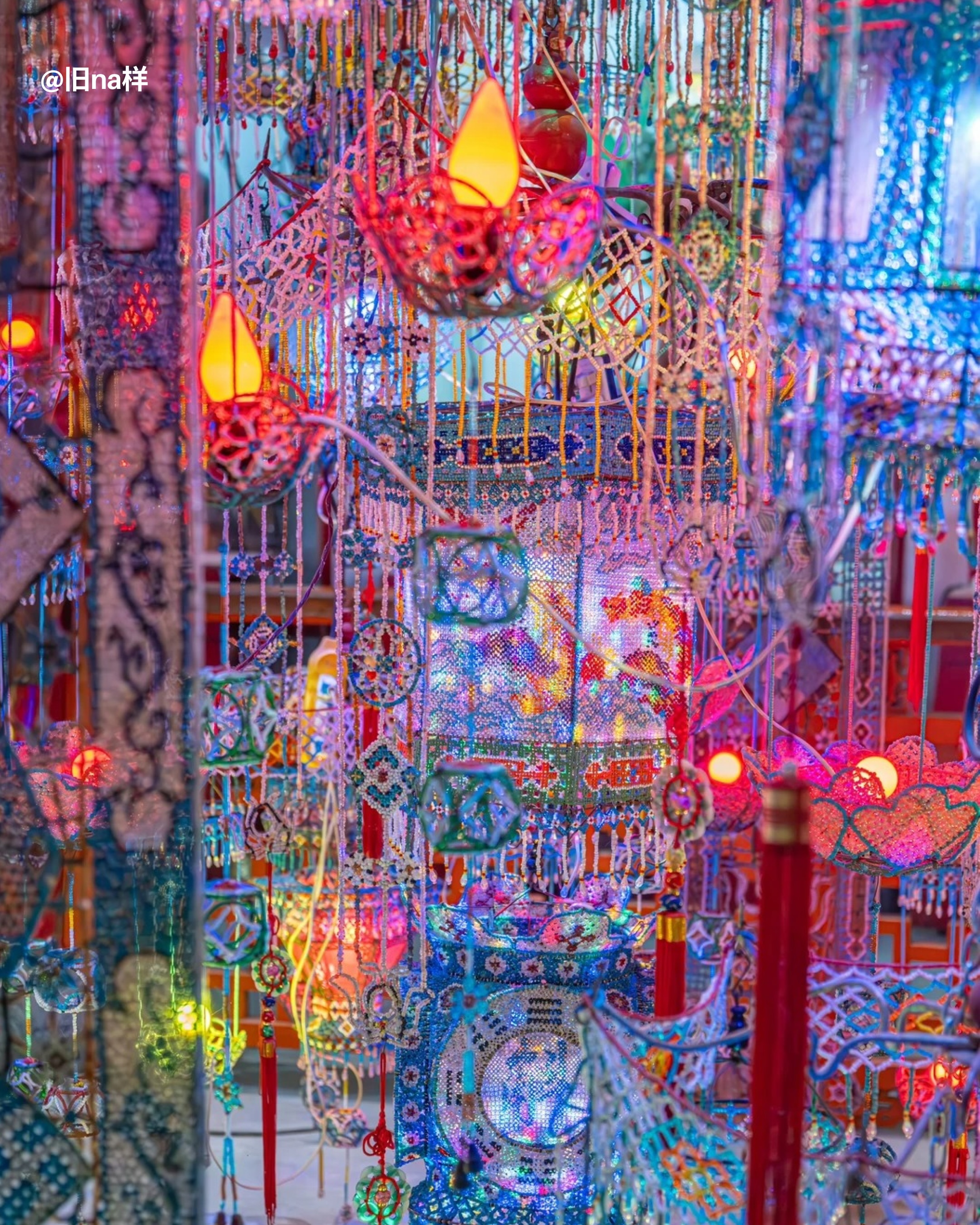
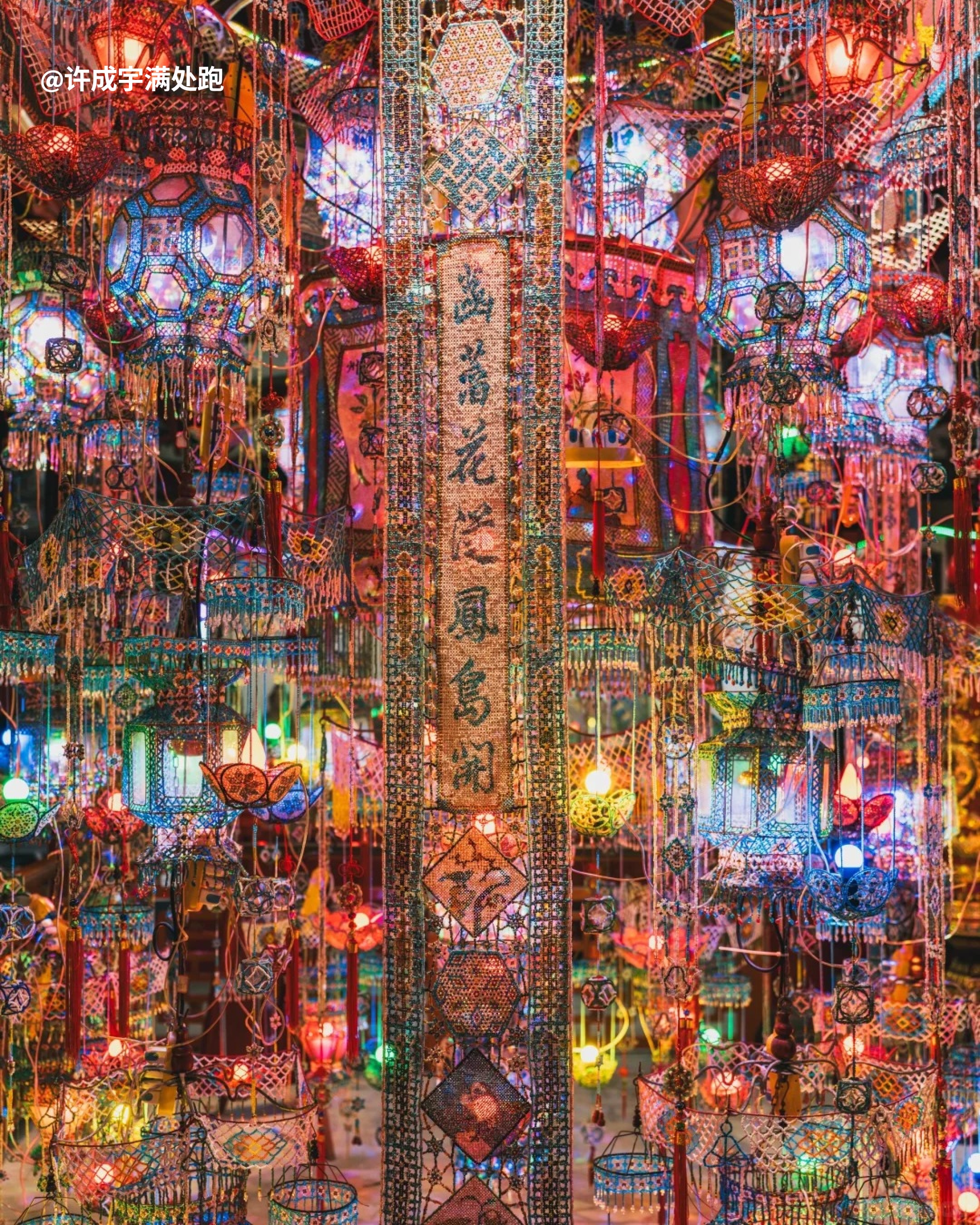
One of the most mind-blowing surviving examples hangs in the Wuxian Temple (五显庙) in Zhejiang Province. Crafted over 300 years ago, this absolute unit stands over four meters tall, boasting layer upon layer of delicate beads. Because it’s insanely fragile, it’s not an everyday exhibit. Catching this historical masterpiece fully illuminated is a rare, IRL drop.
Sadly, like many traditional crafts, the painstaking art of making zhū dēng is slowly being lost to time. In an era obsessed with instant digital gratification, these handmade lanterns remind us that sometimes the ultimate flex is centuries-old, analog patience. Whether you’re into the guochao movement or just a sucker for cyberpunk aesthetics, the beaded lantern is a glowing reminder of China’s rich, aesthetic past.
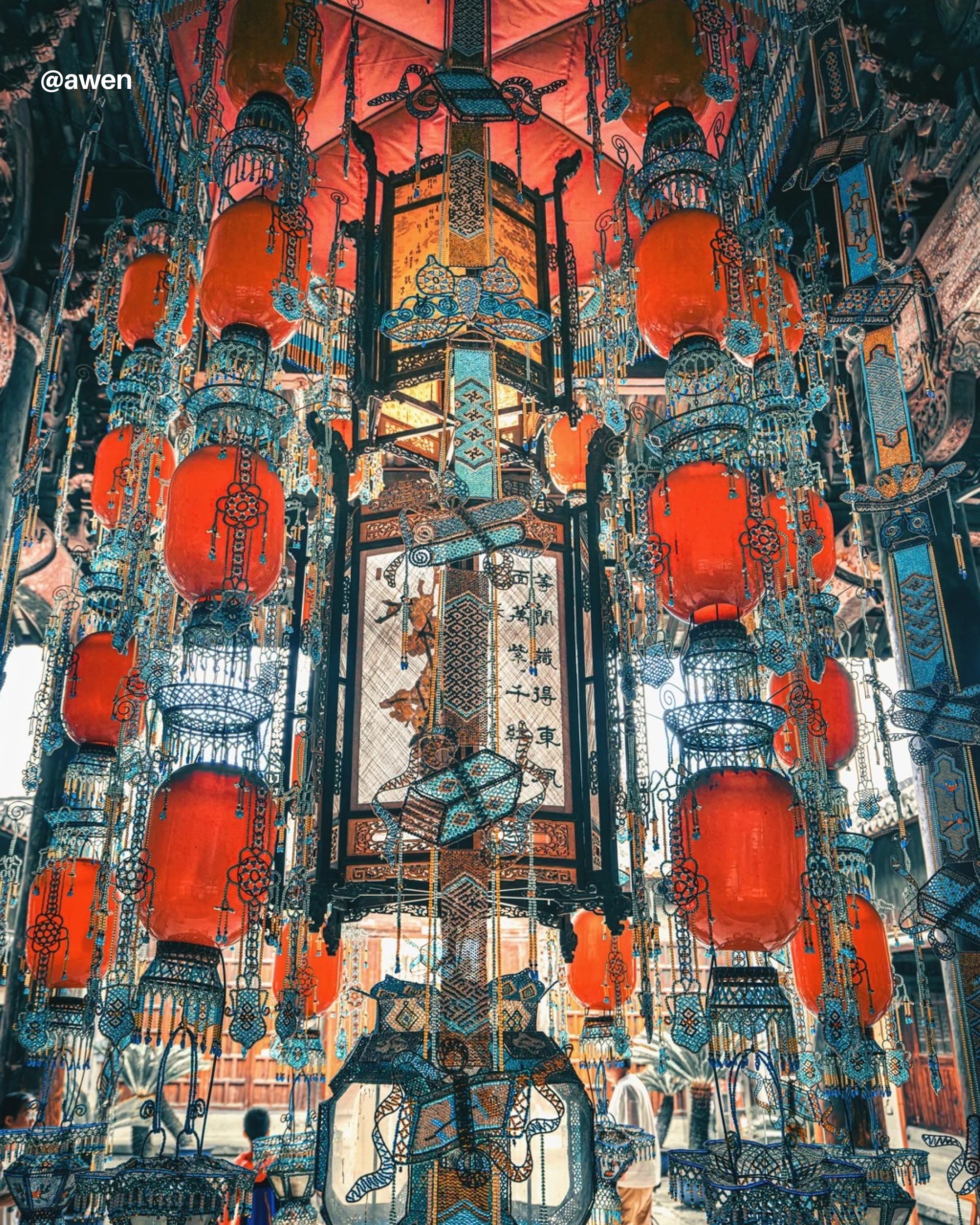
Cover image via Xiaohongshu.