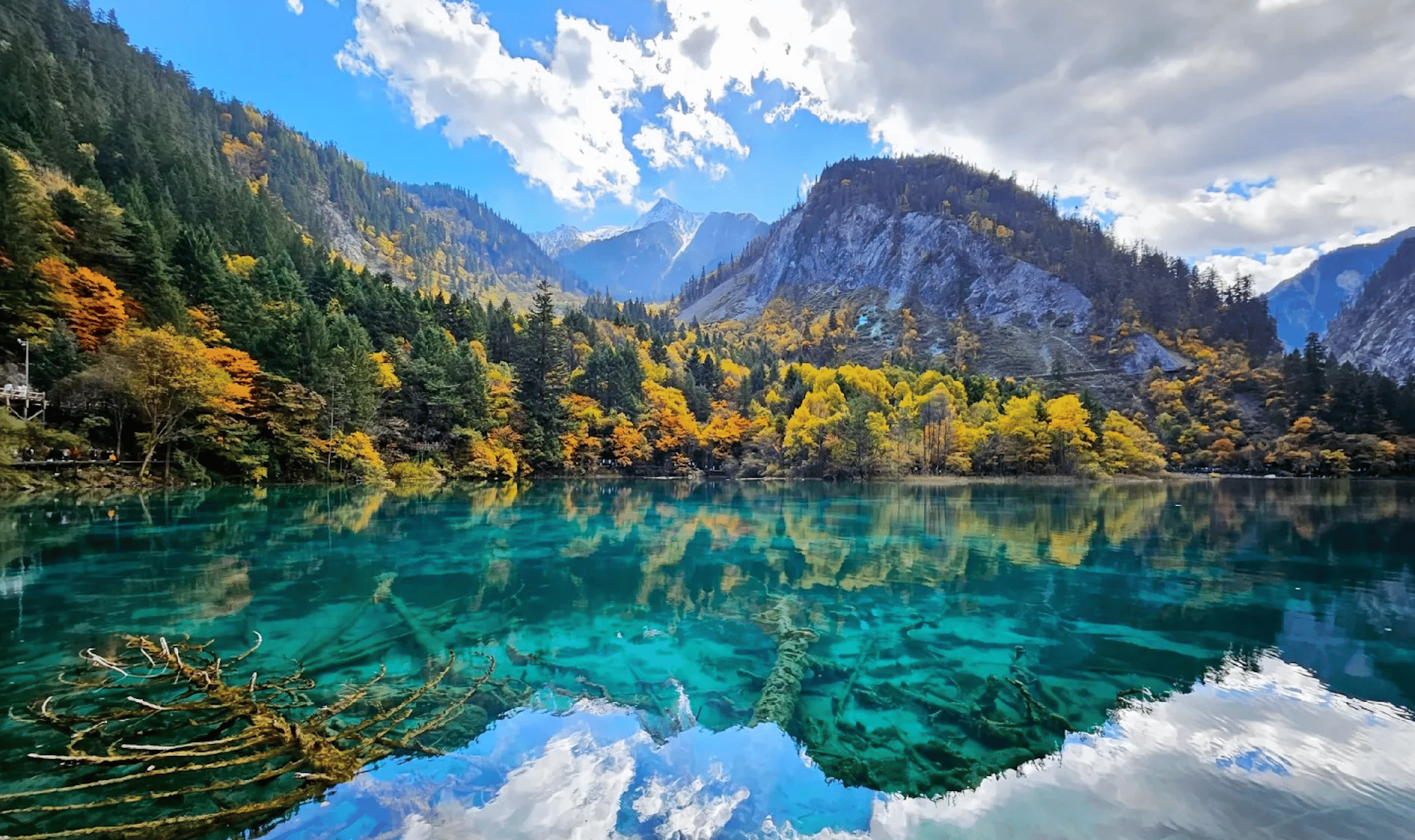
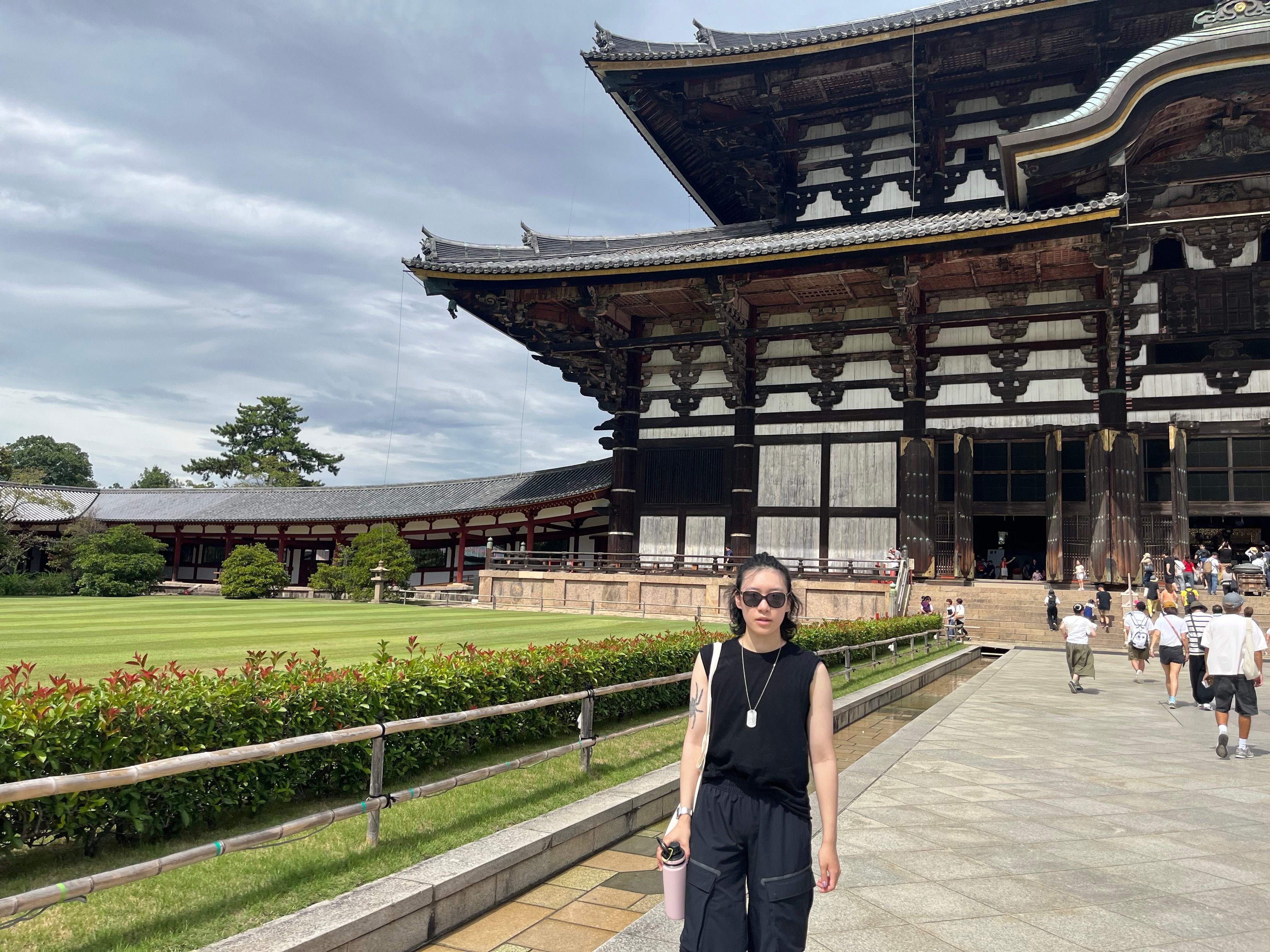
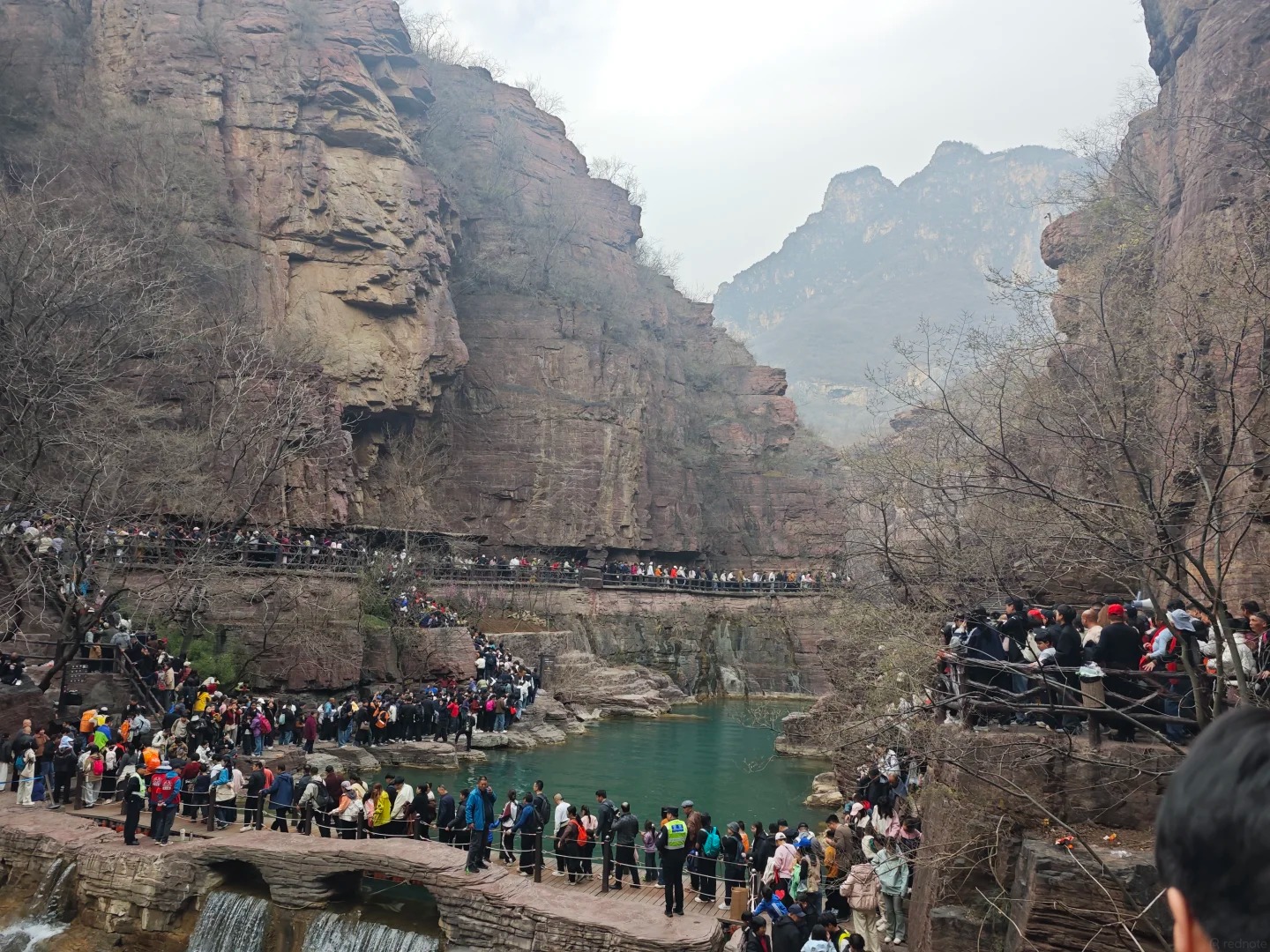
In a country of 1.4 billion people, you’d bet that even the most obscure travel destinations will be packed with people on national holidays. But for China’s 5A Tourist Attractions, the sardine experience is on a whole other level. These are the scenic sites awarded the highest tourism ranking by the Ministry of Culture and Tourism. In other words, the 5As are where tourists flock to year-round.
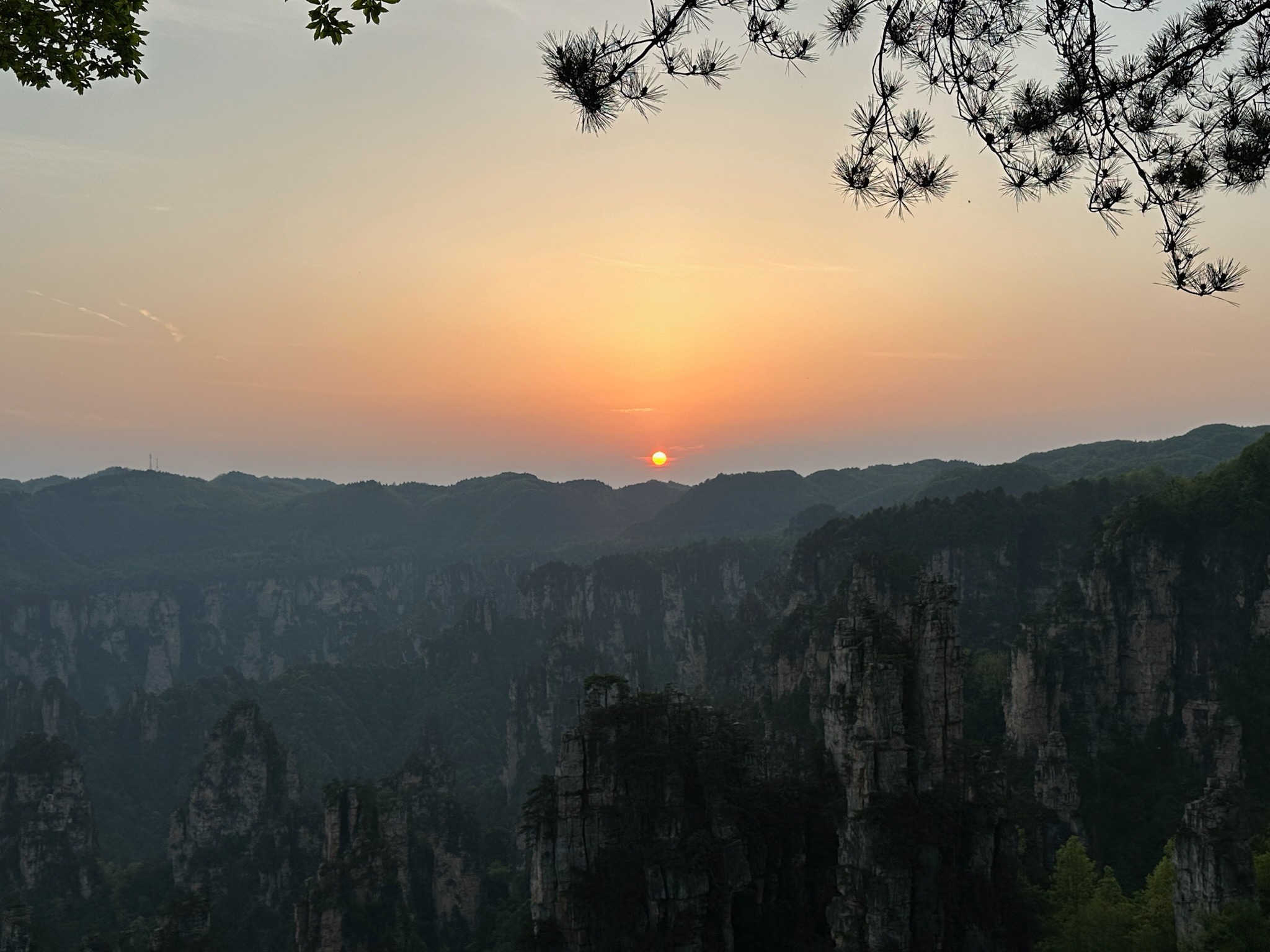
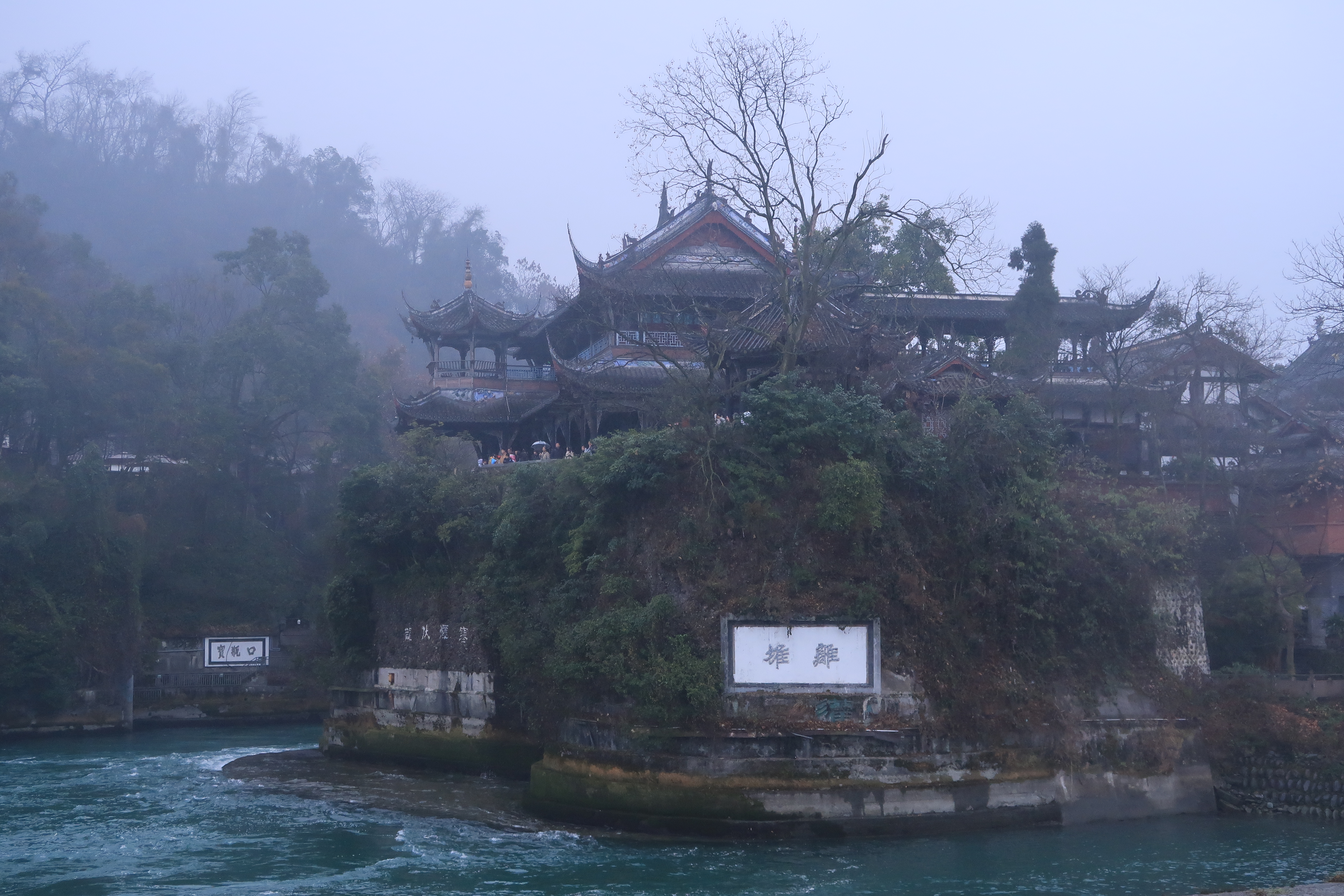
The rating system dates back to 1986 and currently includes over 16,000 A-level destinations, rated from 1A to 5A. The prestigious 5A destinations, however, did not arrive until 2007. The inaugural list included 66 locations, including some of the country’s most iconic landmarks, such as the Forbidden City in Beijing, Shanghai’s Oriental Pearl Tower, and the Zhangjiajie National Forest Park.
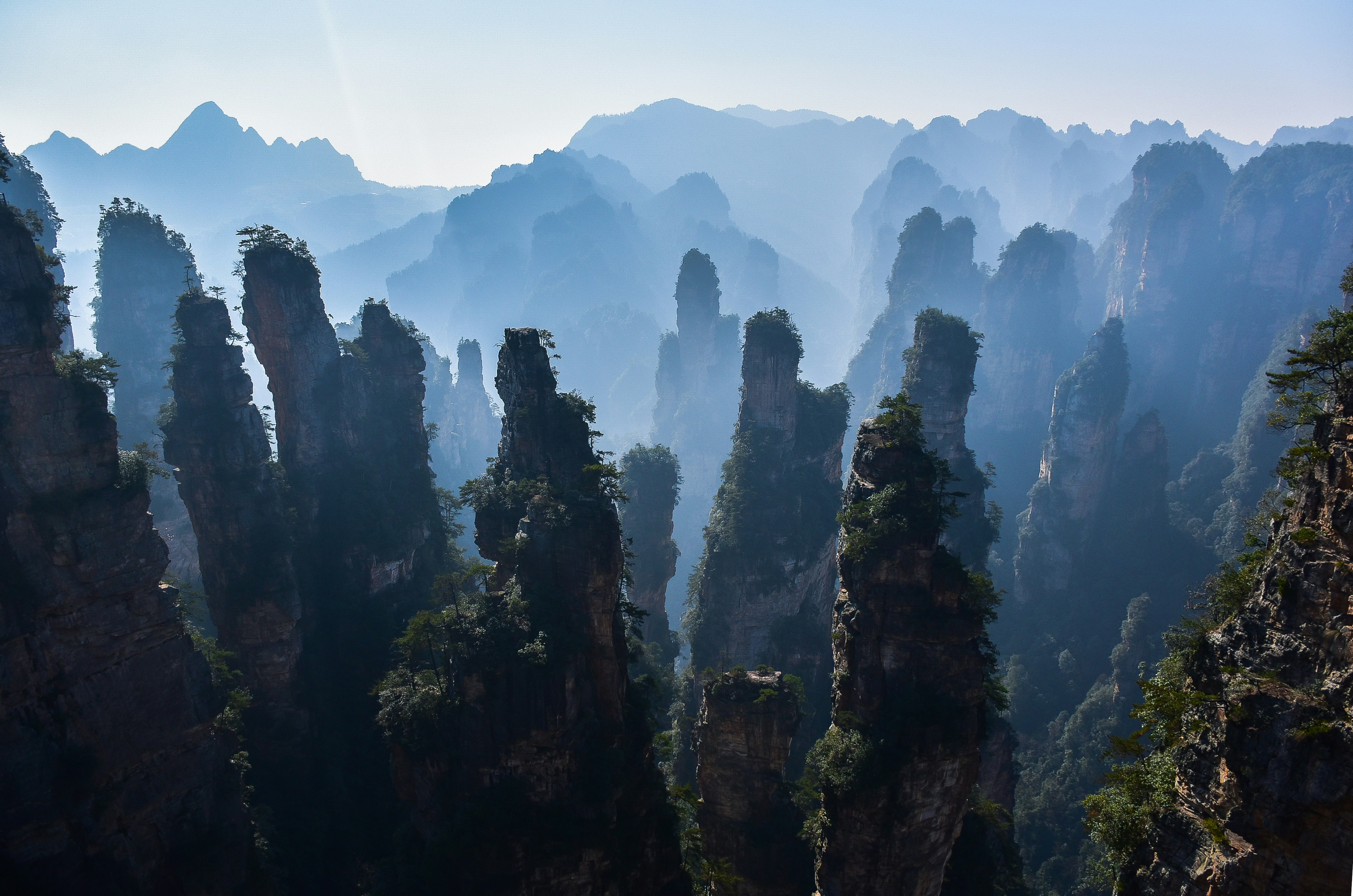
By 2025, the number of 5A attractions has grown to 358. To earn a 5A rating, attractions are evaluated through a scoring system covering infrastructure, environmental management, cultural significance, plus an annual traffic quota. Yet as the list continues to expand, it leaves you wondering: Are all 5A attractions really created equally?
The issue recently came to light during a conference hosted by the Ministry of Culture and Tourism, where officials highlighted complaints against several 5A sites. One of the most common grievances was the widespread use of shuttle bus systems that visitors described as expensive, inconvenient, and often unavoidable.
Visitors often purchase an admission ticket only to discover that reaching the main attraction requires an additional shuttle bus ticket. In some destinations, those transportation fees are just as expensive as the admission ticket itself.
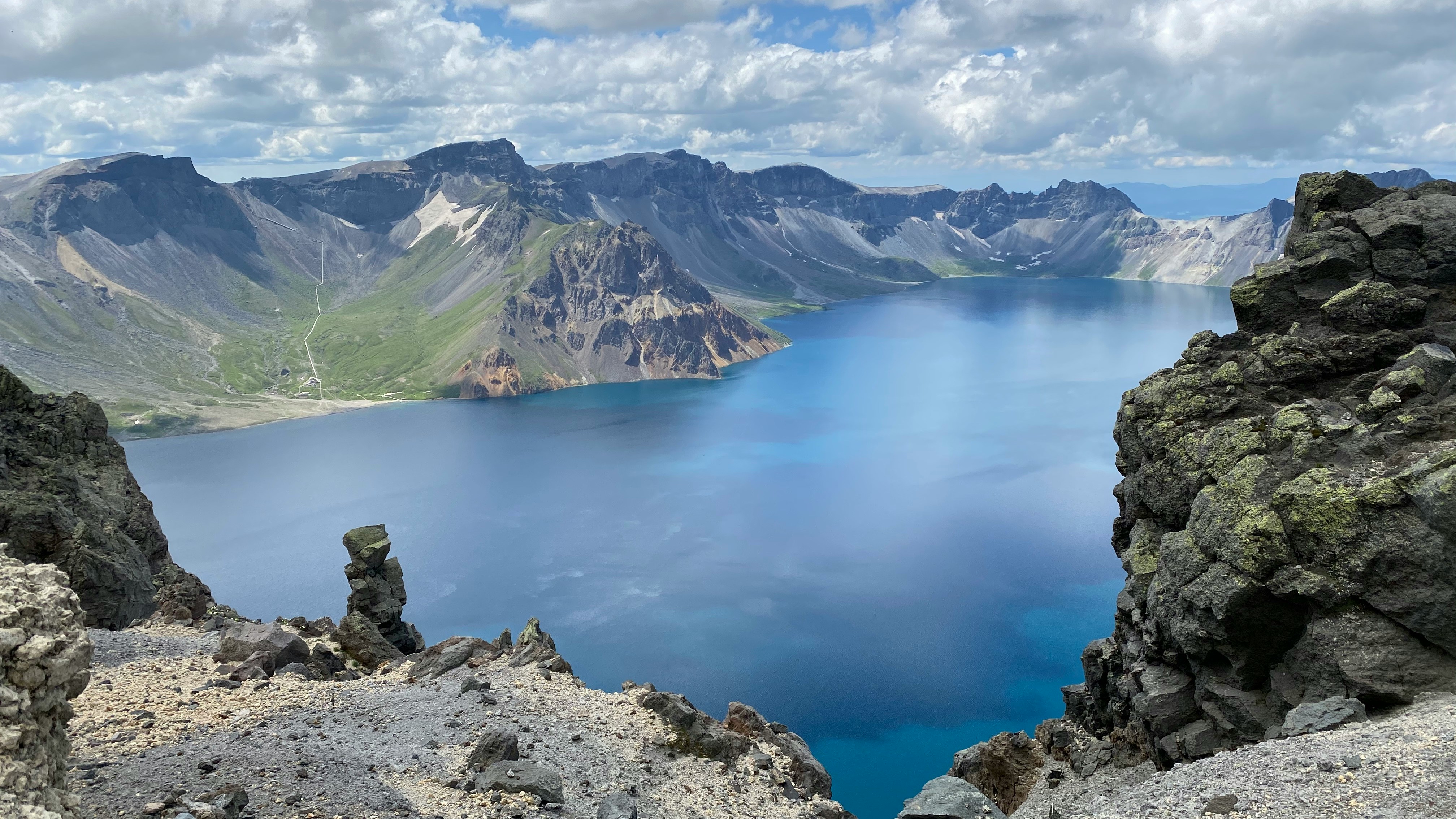
Take Changbai Mountain, a popular volcanic peak on the China-North Korea border, for example. Admission costs 105 RMB ($16 USD), but private vehicles are prohibited from entering the scenic zone due to safety concerns, so a shuttle bus is mandatory for all scenic routes. Visitors entering the northern scenic area must purchase two separate bus tickets priced at 80 RMB ($12 USD) and 85 RMB ($12.50 USD). Now, the total cost is 270 RMB ($40 USD).
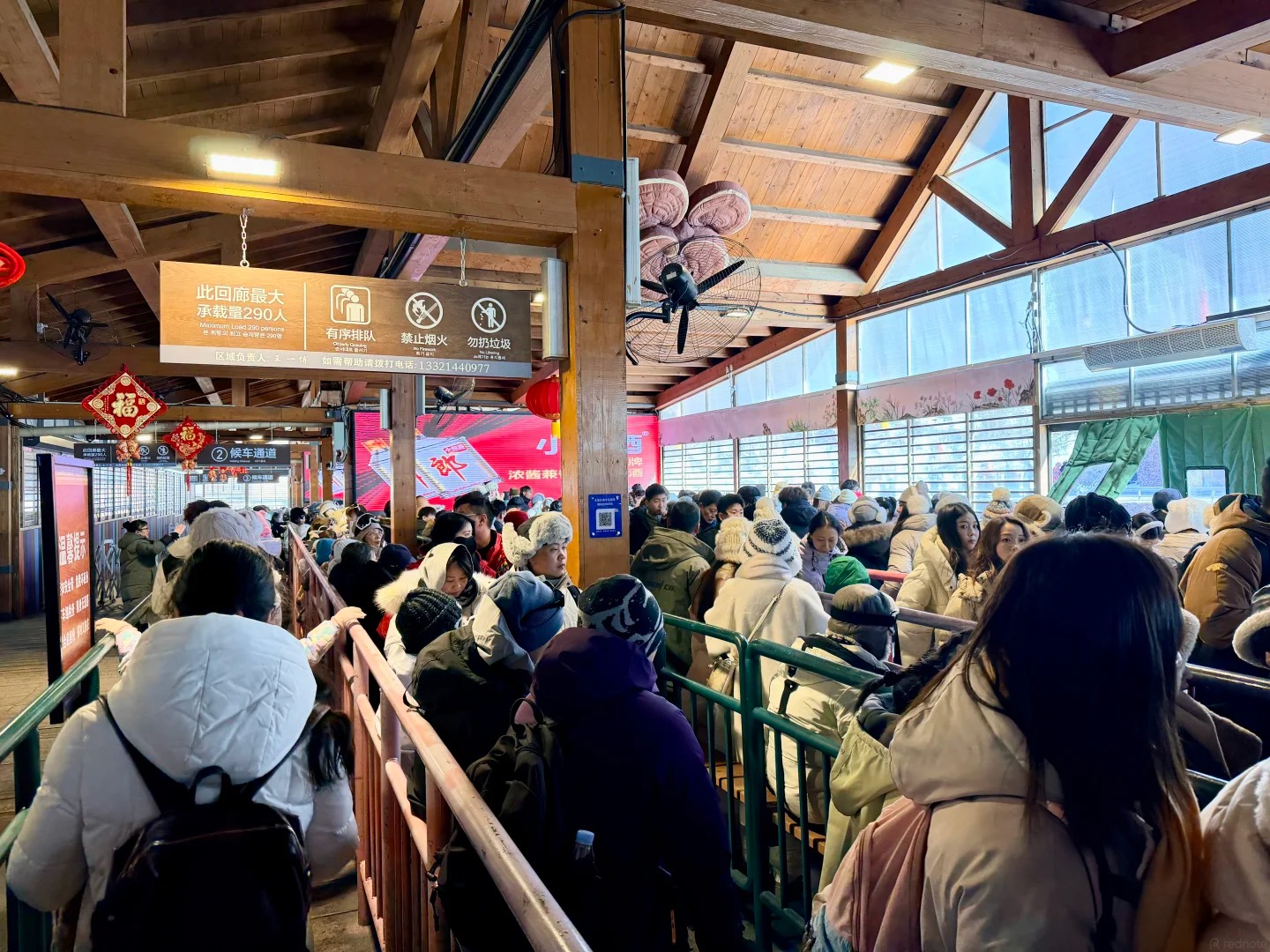
But to be fair, few visitors would argue that the Changbai Mountain views are not worth it. And Changbai Mountain is far from the most extreme example of questionable transportation planning, with some locations reportedly having a queue time of two to three hours just to access the shuttle bus. Still, much of the backlash seems to stem from the hidden costs. If only mandatory transportation fees were simply included in the advertised ticket price, perhaps that would ease some of the frustration.
The debate over shuttle buses is only one part of a larger issue with China’s tourism industry. In 2024 alone, 40 new sites were added to the 5A list, yet only a handful have ever been removed at all. As the 5A destinations appear to be losing exclusivity, Chinese travelers are also moving away from conventional sightseeing itineraries. Recent travel trends like Citywalk and Colorwalk have dominated social media, encouraging travelers to explore cities more slowly and spontaneously.
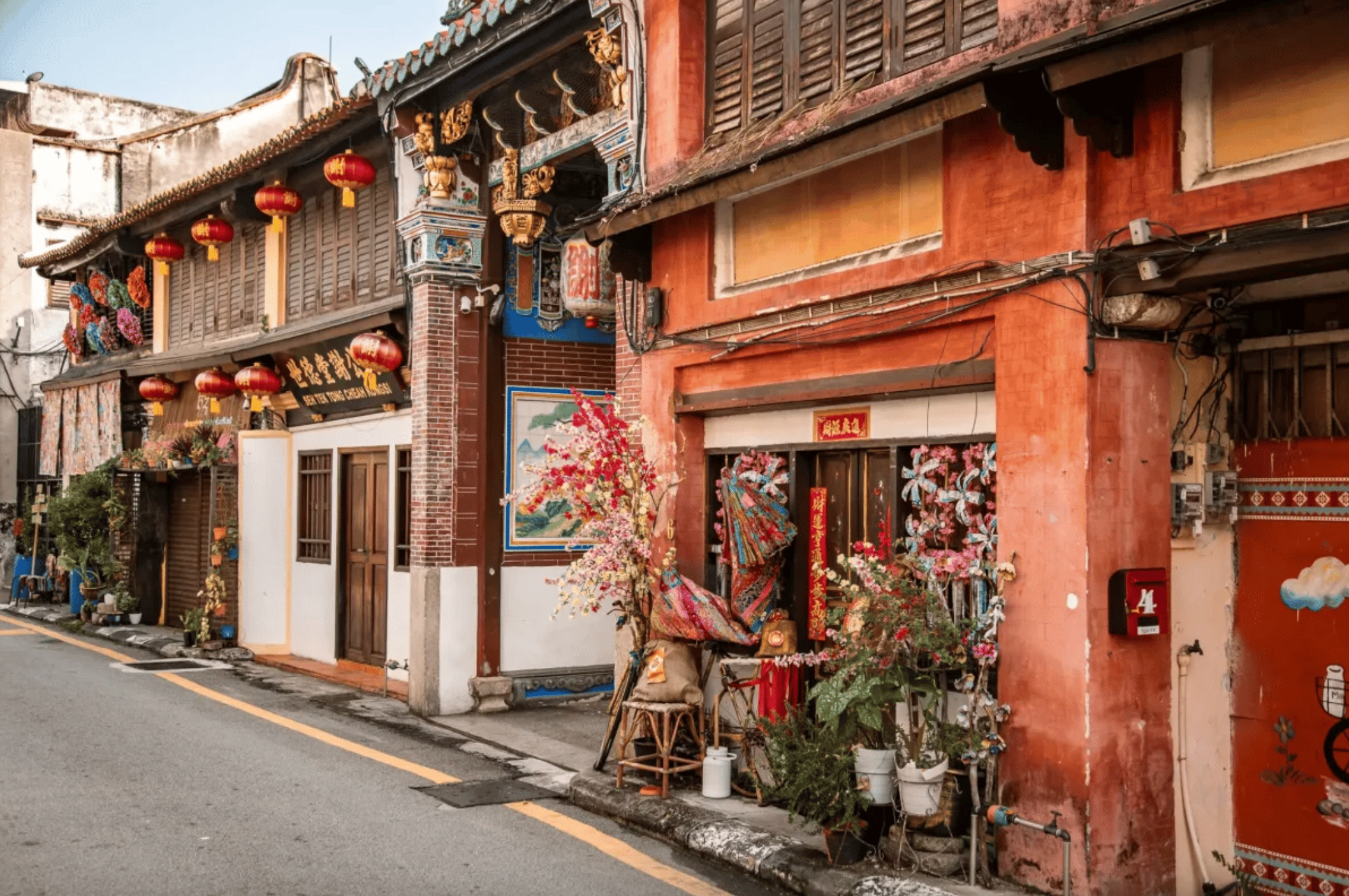
On social media, posts criticizing major tourist destinations for being overcrowded, overpriced, and increasingly homogenous have become commonplace. This also propelled the trend of “reverse travel” (fǎn xiàng lǚ yóu, 反向旅游), which always surges in popularity online during national holidays. It’s where people seek out lesser-known destinations to avoid the holiday rush. It seems like authenticity and chill-ness mean more to this generation of travelers than official rankings.

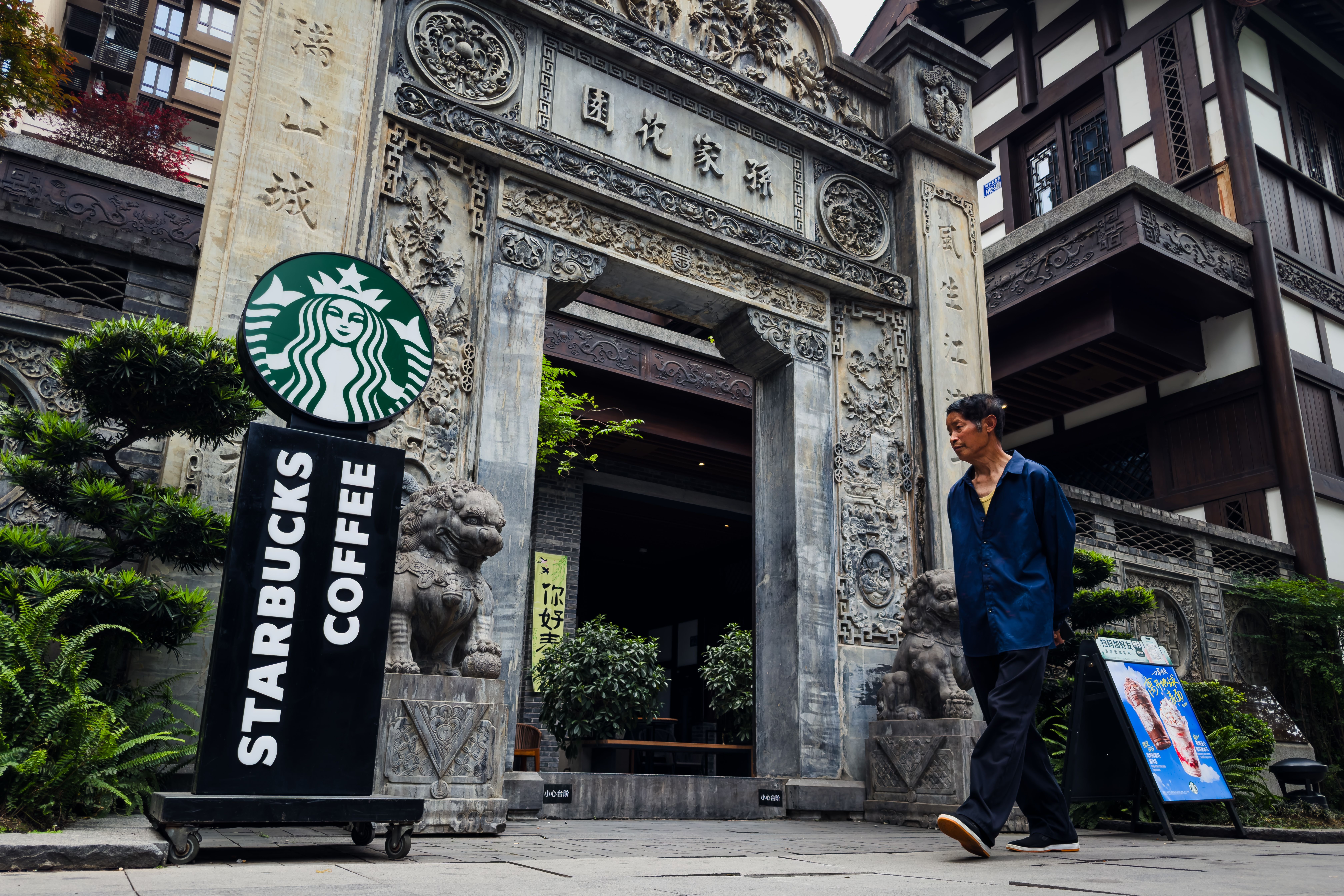
This leaves the future of the 5A system in an interesting position. As more attractions are added each year, it becomes more difficult to convince people that an ancient, town-style shopping district holds the same significance as world-famous cultural treasures and national parks. Perhaps that’s why some Chinese travel bloggers have been referring to exceptional destinations as “6A attractions”—a ranking that doesn’t yet exist.
Of course, creating an official 6A rating wouldn’t solve the problem. A more effective solution would be to maintain stricter standards for existing 5A sites. If new attractions are so frequently added, underperforming ones should also face a stricter removal policy. Prestige should be earned, and it can only endure when people are willing to pay for it.
Cover image via RedNote