We’ve all heard the stereotype of Chinese kids being good at math. But it doesn’t come from nowhere. China’s notorious college entrance exam, “gaokao,” has students preparing numbers since the first grade—and the payoff is undeniable. Chinese STEM scholars are a constant presence at top universities worldwide. And according to a 2023 report by the Organization for Economic Cooperation and Development, China surpassed the United States to become the world leader in the output of top-cited scientific publications.
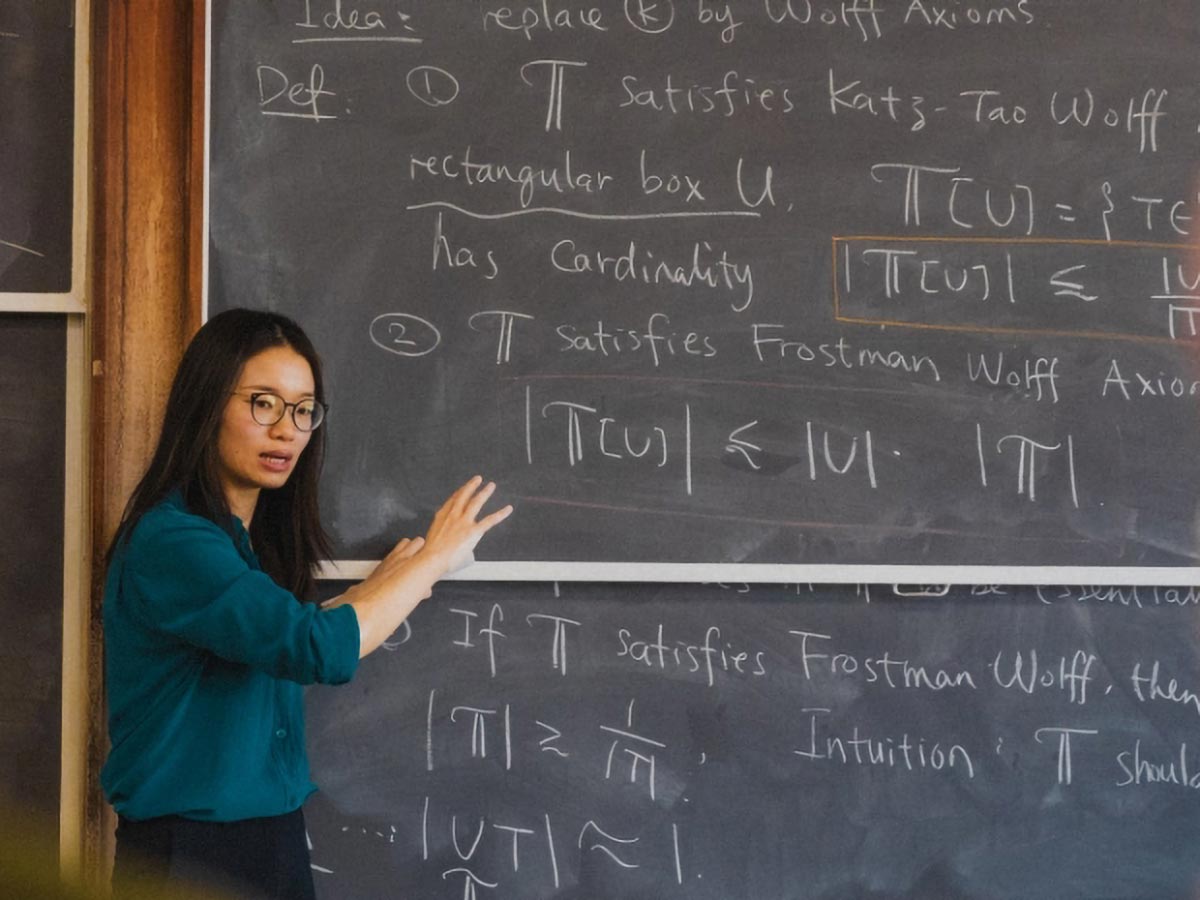
Now, three Chinese women are making headlines in the STEM world. The Breakthrough Prize in Mathematics, often dubbed the “Oscars of Science,” has recognized Hong Wang, Yunqing Tang, and Mingjia Zhang in its 2026 honors, placing them in the global spotlight.
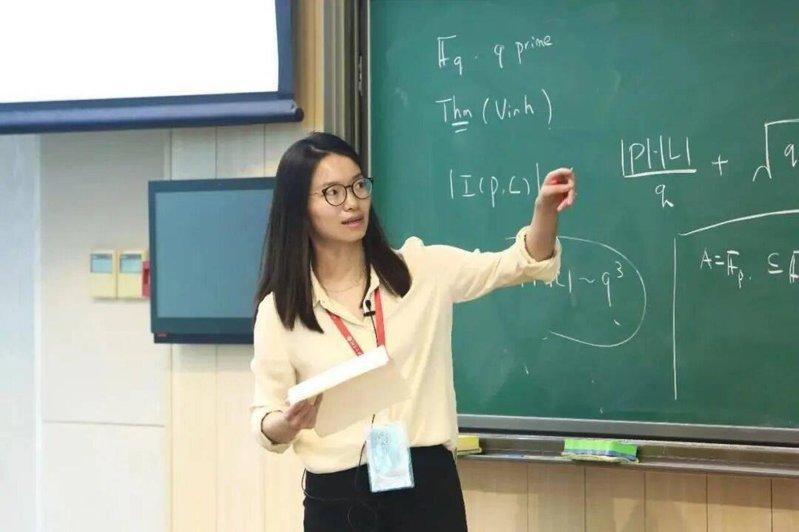
For some, Hong Wang is already a familiar name. Beyond academia, she has also been widely shared on RedNote, where her story and achievements have been linked to women and youth empowerment. In her field, she is best known for her groundbreaking work in geometric analysis, including her contributions to a once-in-a-century solution to the three-dimensional Kakeya conjecture. She earned her PhD from MIT at 28 and has since built her career in higher education and research.
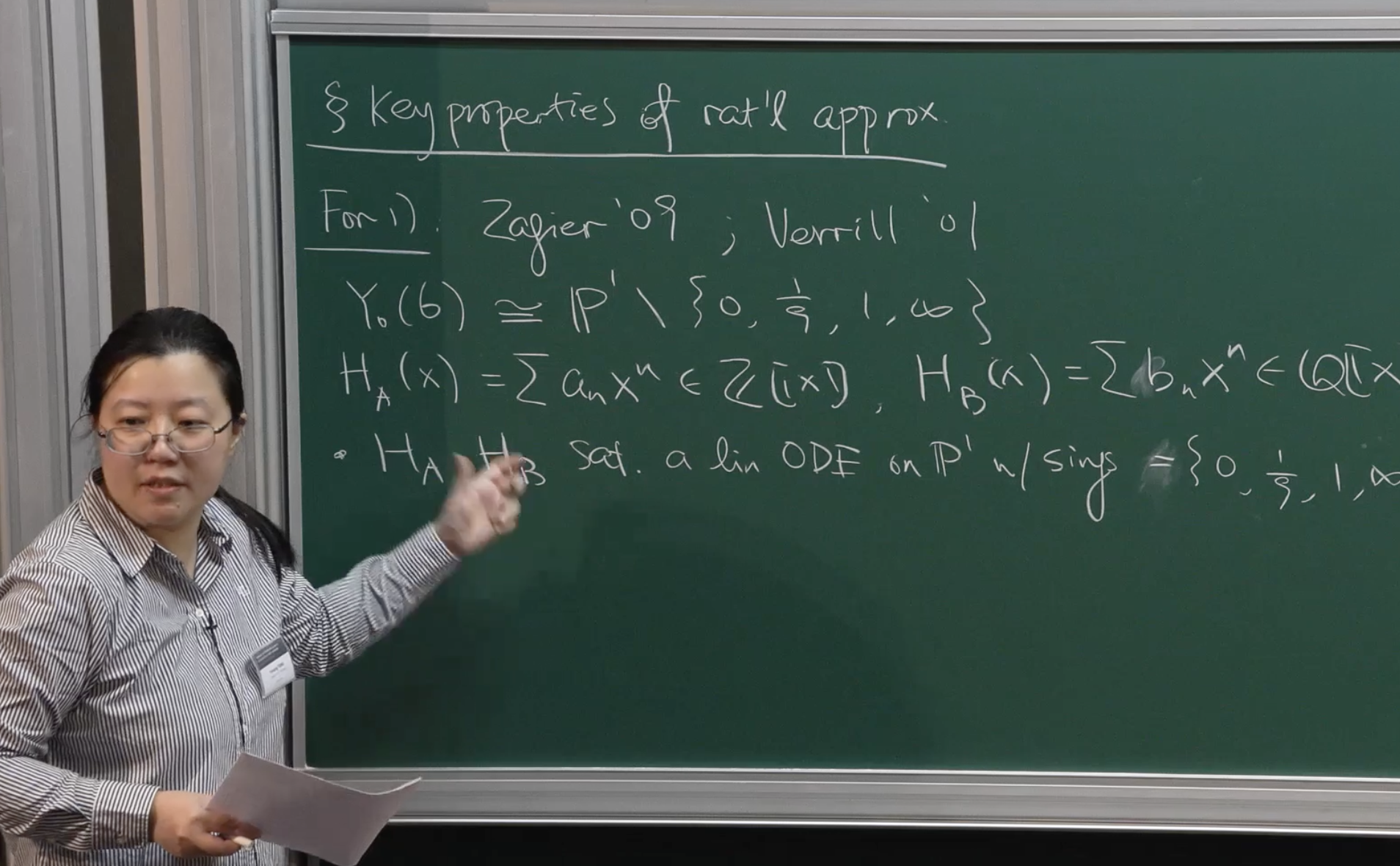
Yunqing Tang, meanwhile, has carved out her own space in number theory and arithmetic geometry. Her most celebrated achievement is the proof of the unbounded denominators conjecture, completed in collaboration with Vesselin Dimitrov and Frank Calegari.
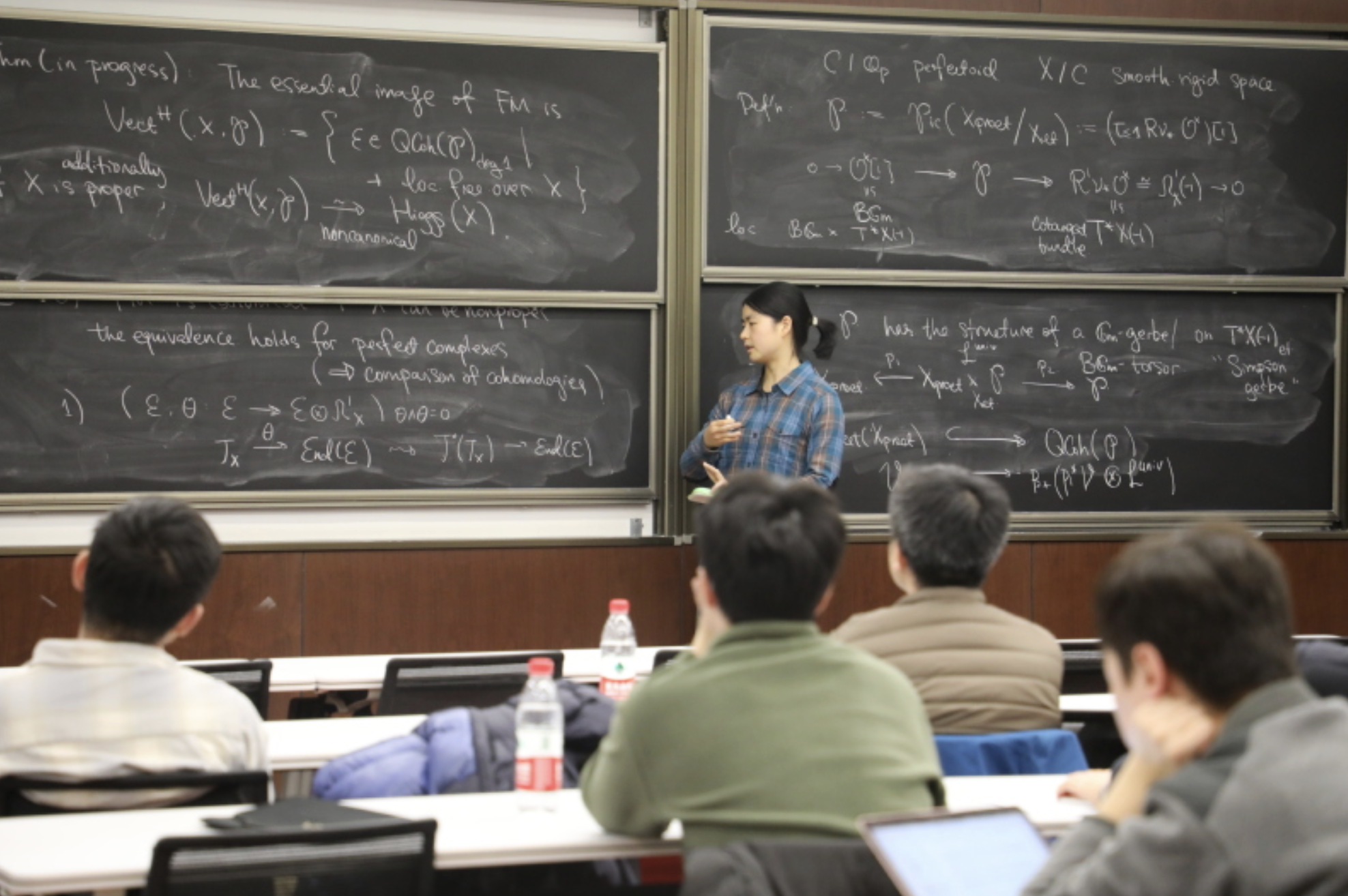
Finally, we have Mingjia Zhang, the youngest of the group, born in 1995. She received the Maryam Mirzakhani New Frontiers Prize, which honors women mathematicians who earned a PhD in the past two years. Zhang is recognized for her work on the Shimura varieties.
But their victories go beyond individual milestones. Wang, Tang, and Zhang aren’t just advancing abstract theories, but also redefining who gets to be seen at the highest levels of mathematics. Hats off to these women!
Cover image via Beijing International Center for Mathematical Research.