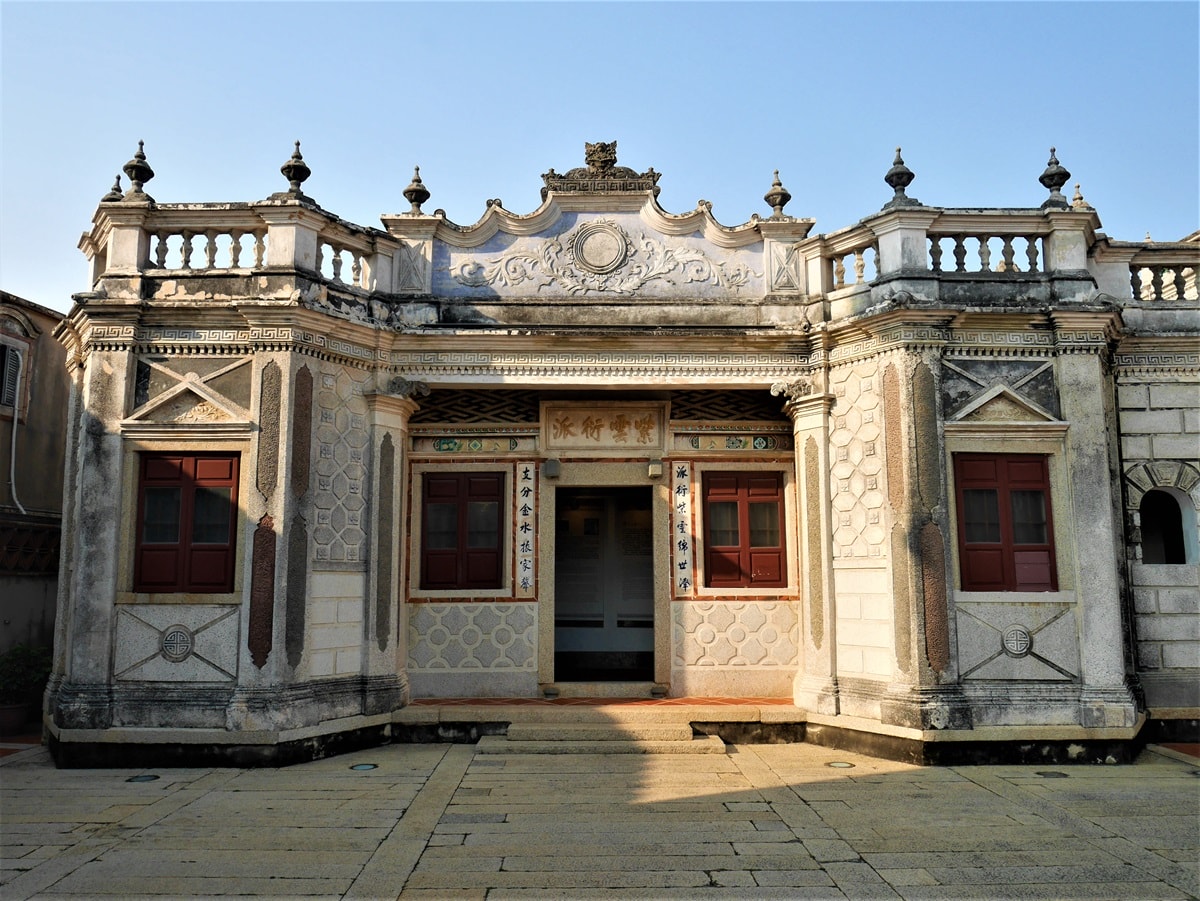

In the sun-drenched landscapes of southern Fujian and Chaoshan, a unique architectural marvel stands as a testament to centuries of global exchange: the Fan Zai Lou (番仔樓). These “foreigners‘ houses,” as their name loosely translates, are more than just homes; they are the physical embodiment of a powerful historical narrative, built by overseas Chinese, or Huaqiao, returning from the “Nanyang” (Southeast Asia) during the late Qing dynasty and Republican era.
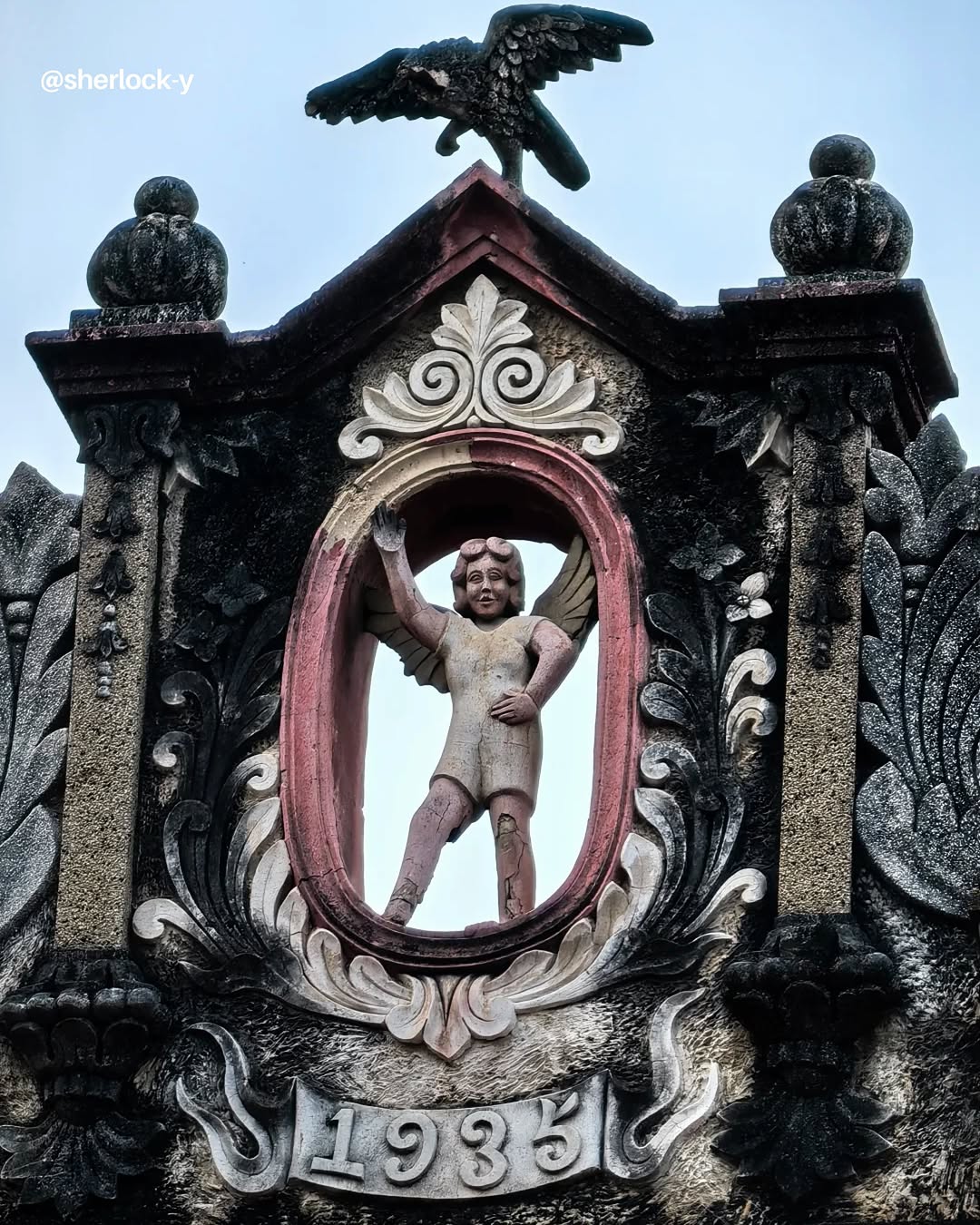
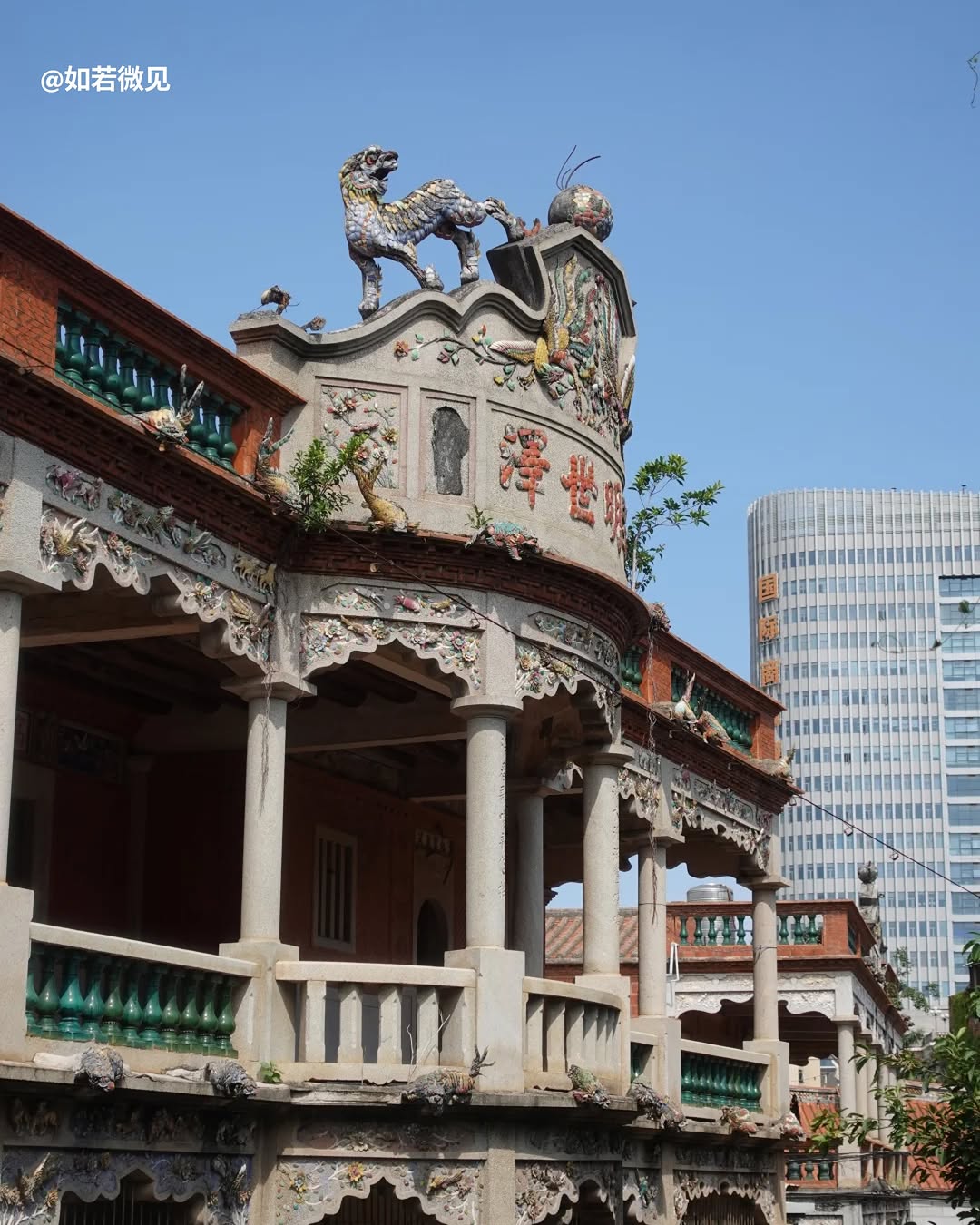
The very name Fan Zai Lou is steeped in cultural context. “Fan Zai” was a local term for those who ventured abroad, particularly to Southeast Asia, making these structures potent symbols of return, prosperity, and an unbroken connection to the wider world. Architecturally, they are a captivating fusion, where Roman-style pillars might flank a traditional ancestral hall, stained-glass windows glow above intricately carved wooden beams, and imported cement harmonizes with local brickwork. This eclectic blend of Western elements like arches, columns, and decorative façades with traditional Minnan or Chaoshan layouts makes them instantly recognizable yet deeply rooted in their local environment.
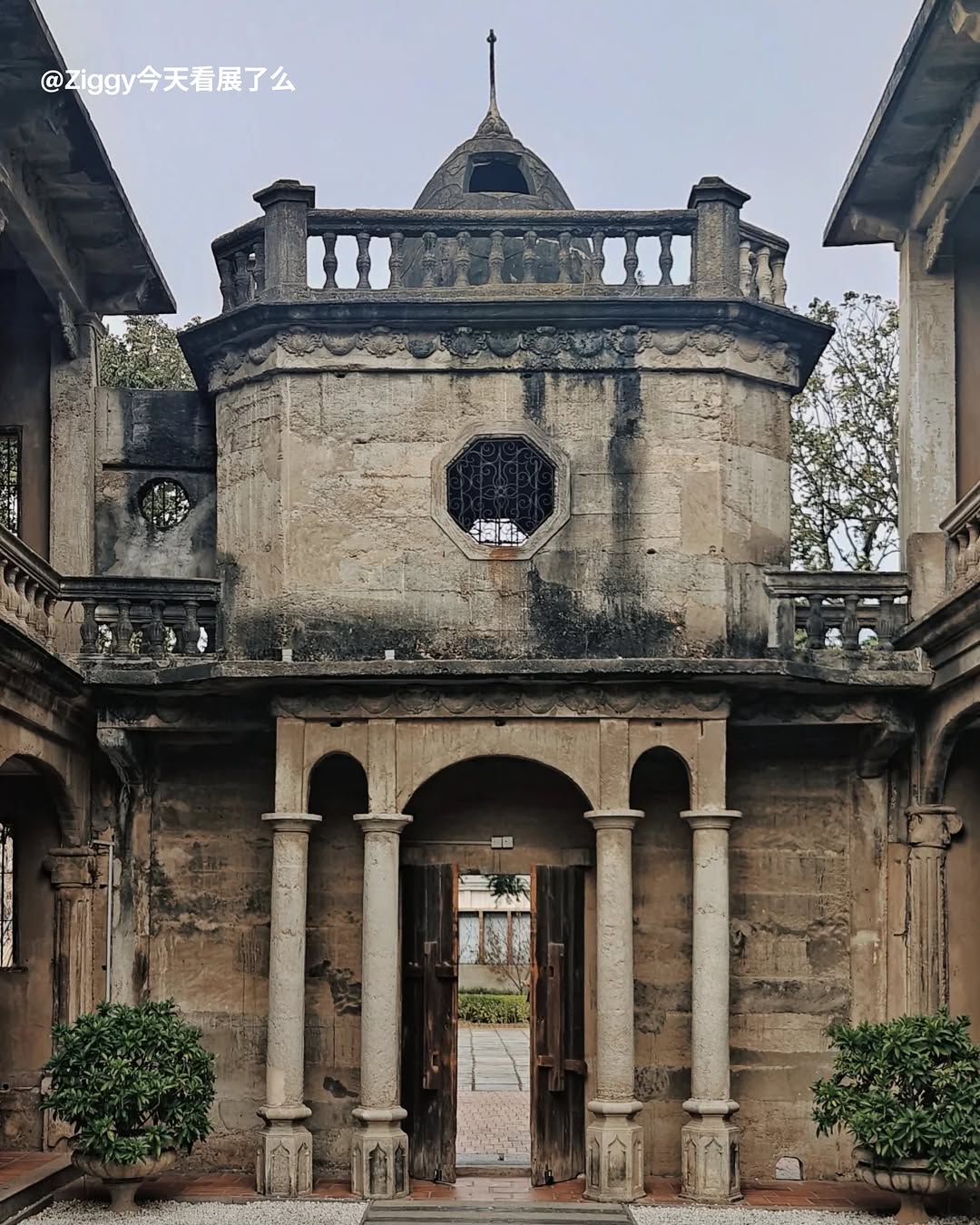
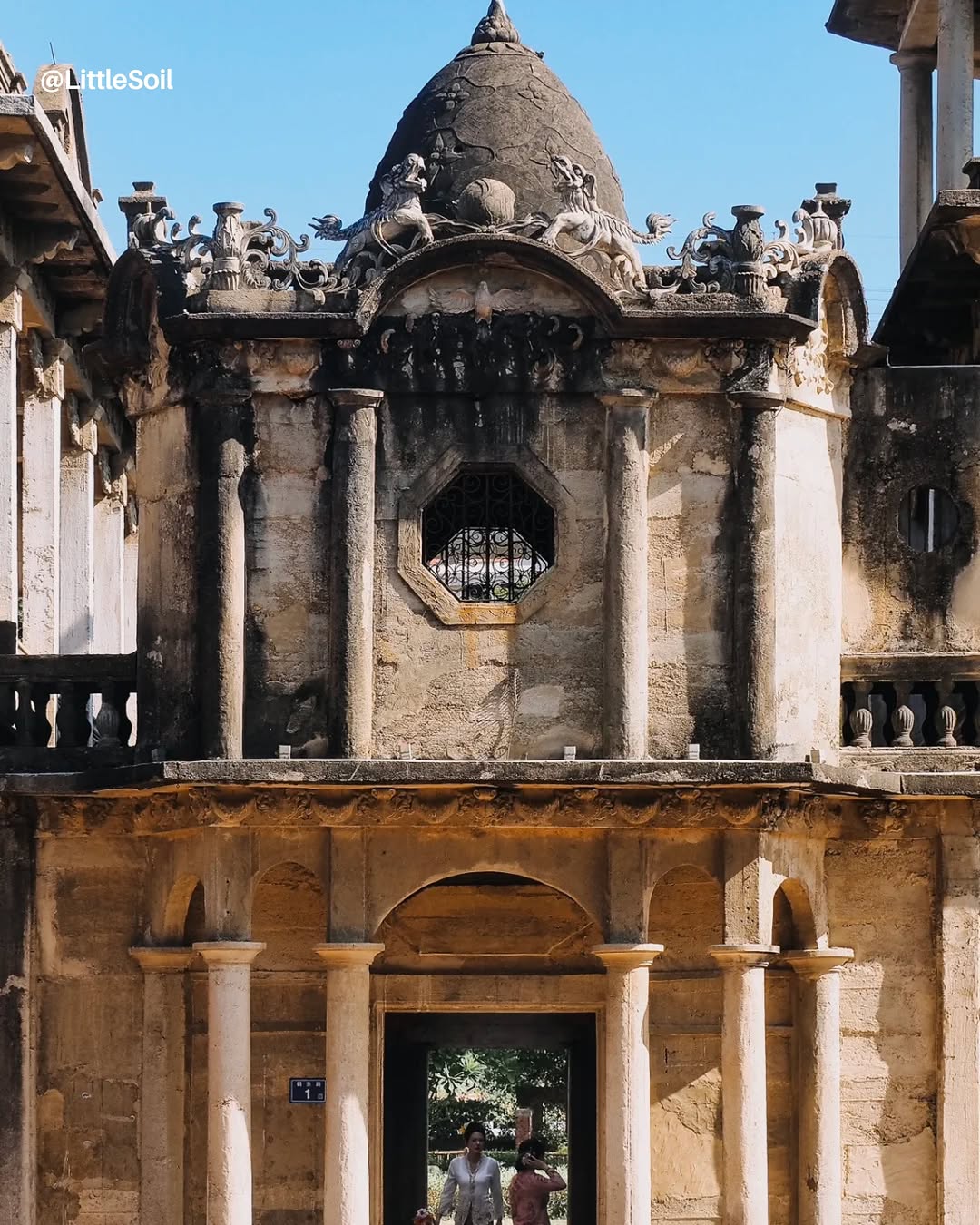
This eclectic blend of Western elements like arches, columns, and decorative façades with traditional Minnan or Chaoshan layouts makes them instantly recognizable yet deeply rooted in their local environment.
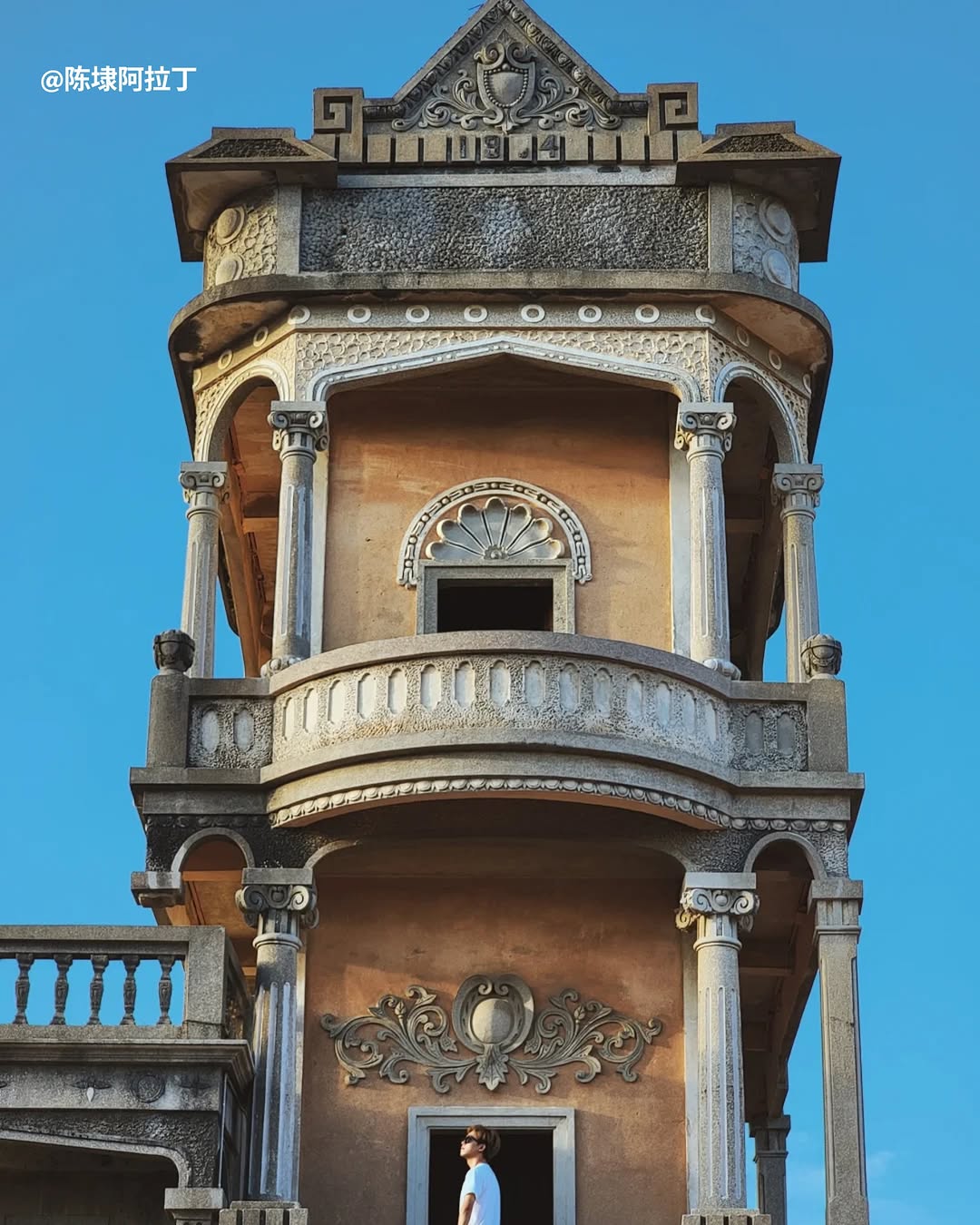
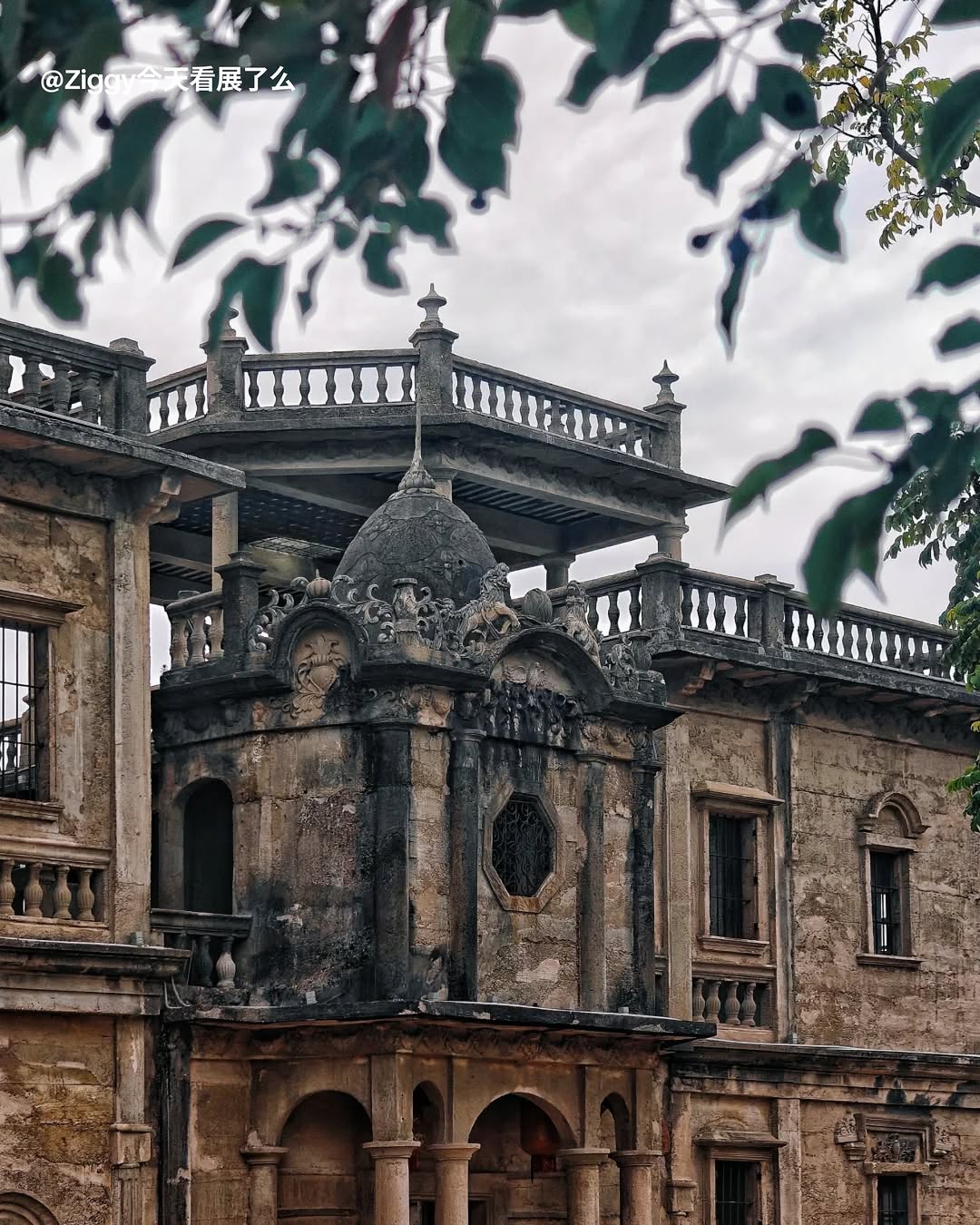
Beyond their striking appearance, Fan Zai Lou tells a profound human story of migration. They encapsulate a cycle that shaped generations in the region: the necessity of leaving home, the challenges and triumphs of life overseas, and the ultimate return to re-establish roots. These were not mere shelters but powerful symbols of familial responsibility, designed to house extended families, honor ancestors, and secure the future for generations to come.

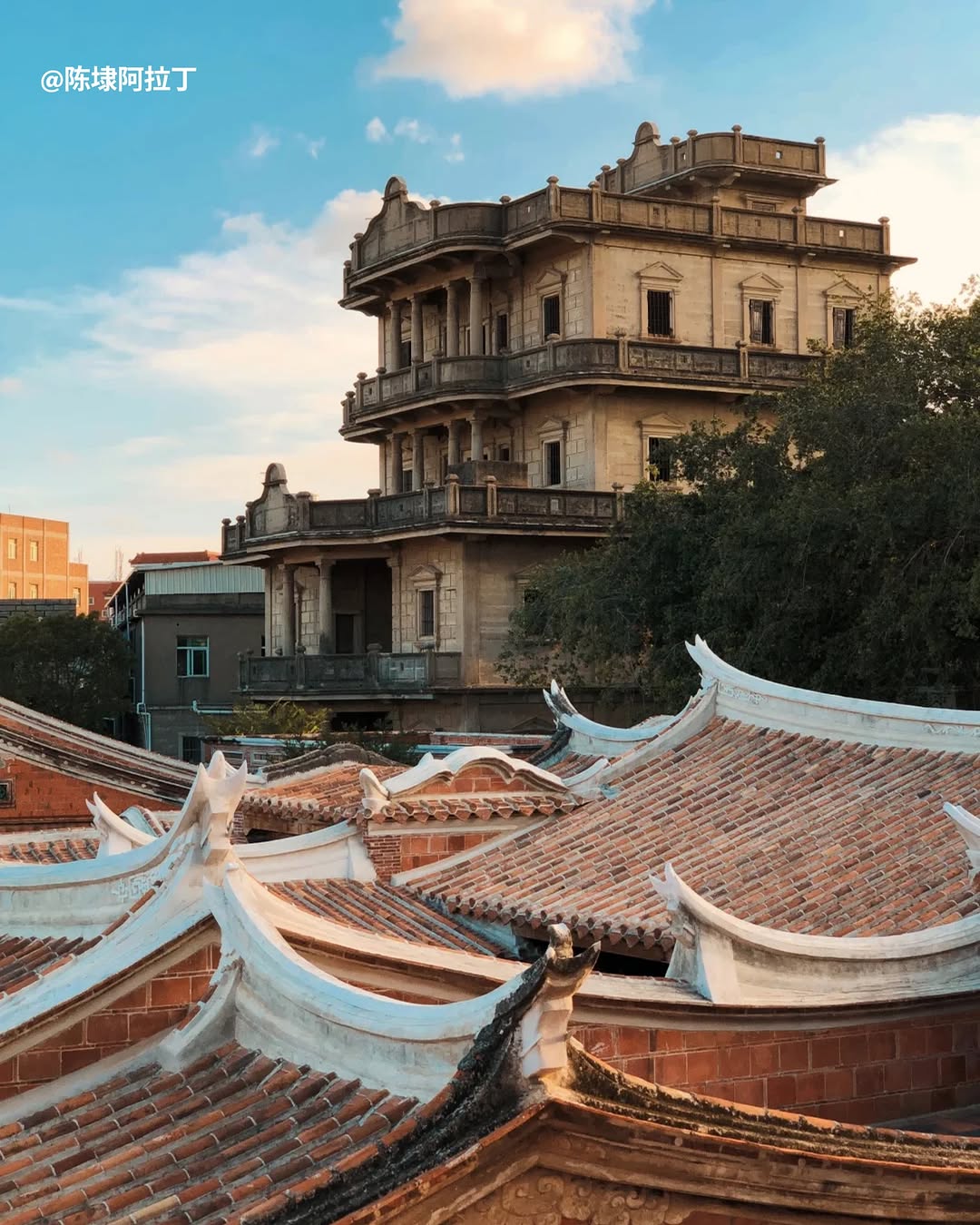
Today, many of these “quiet archives” face the ravages of time and modernization. Yet, they continue to whisper tales of movement, aspiration, and the indelible way global histories etched themselves into everyday architecture, long before the term “globalization” entered our lexicon. Fan Zai Lou reminds us that cultural hybridity and transnational identity are not new phenomena, but deeply woven into the fabric of human history.
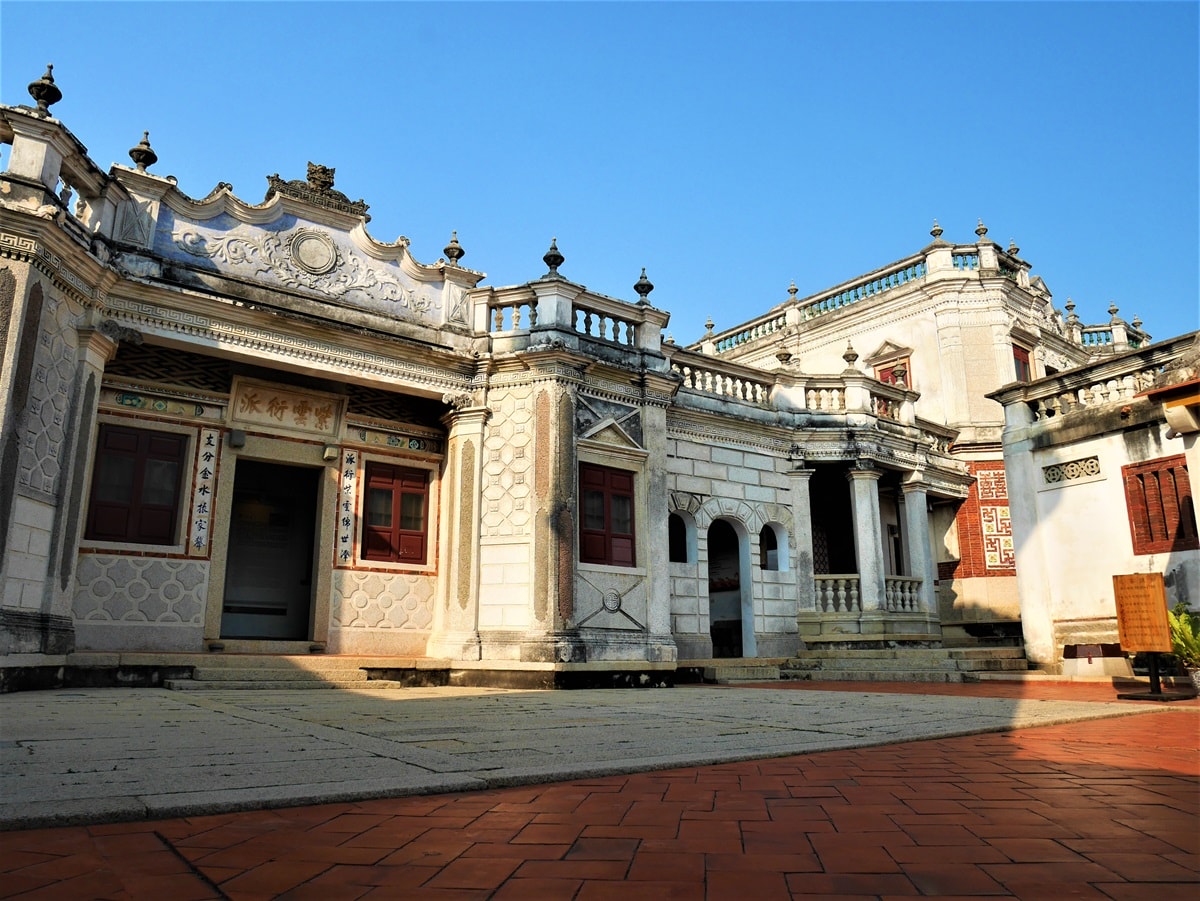
Cover and last images via Joshua World Travel.