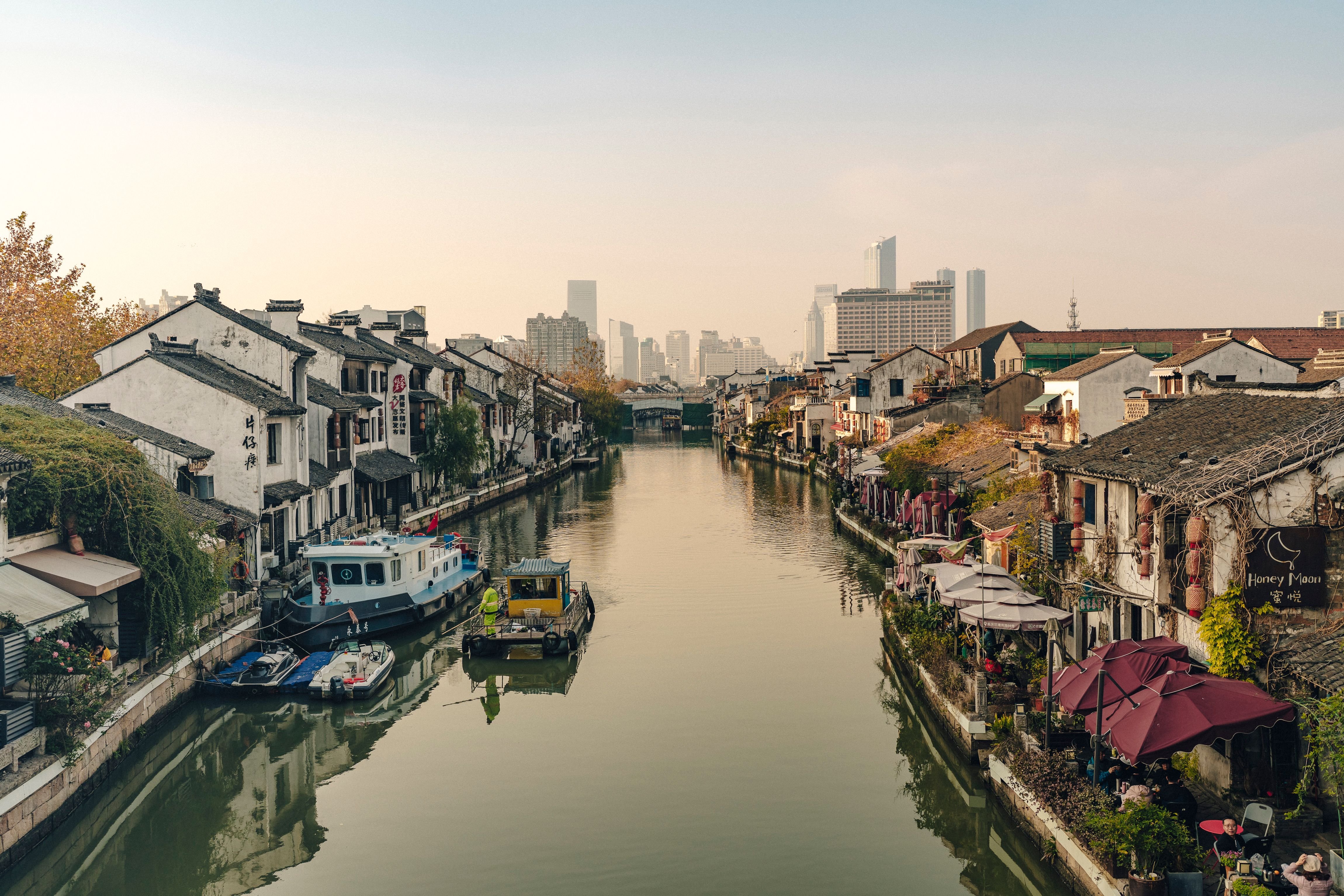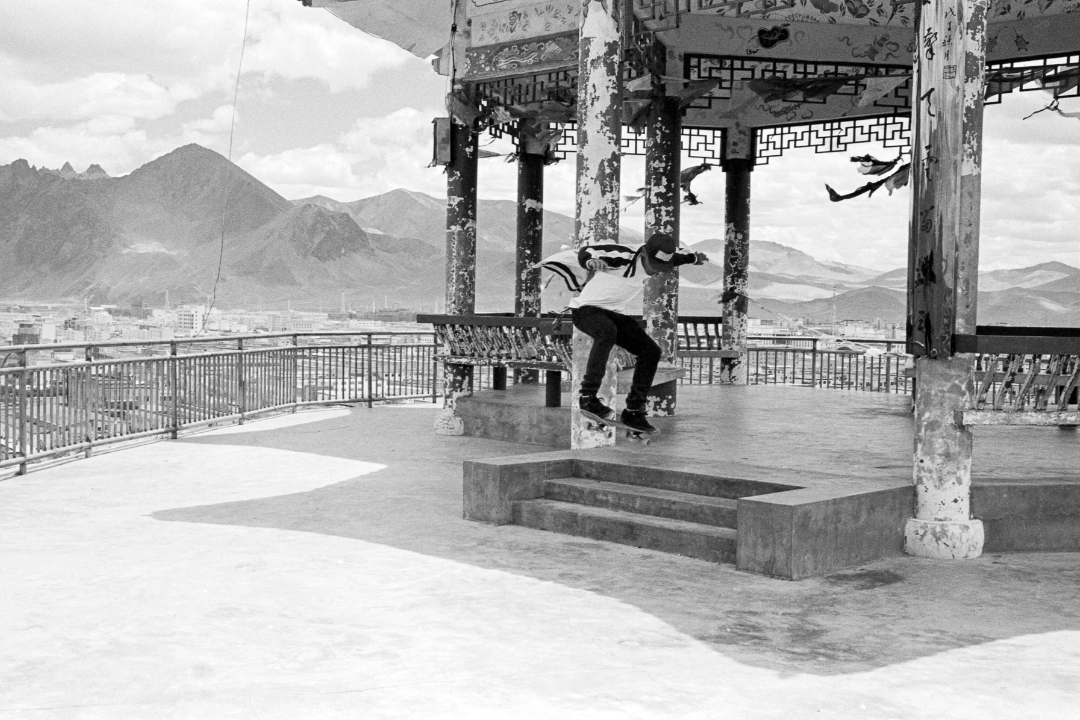
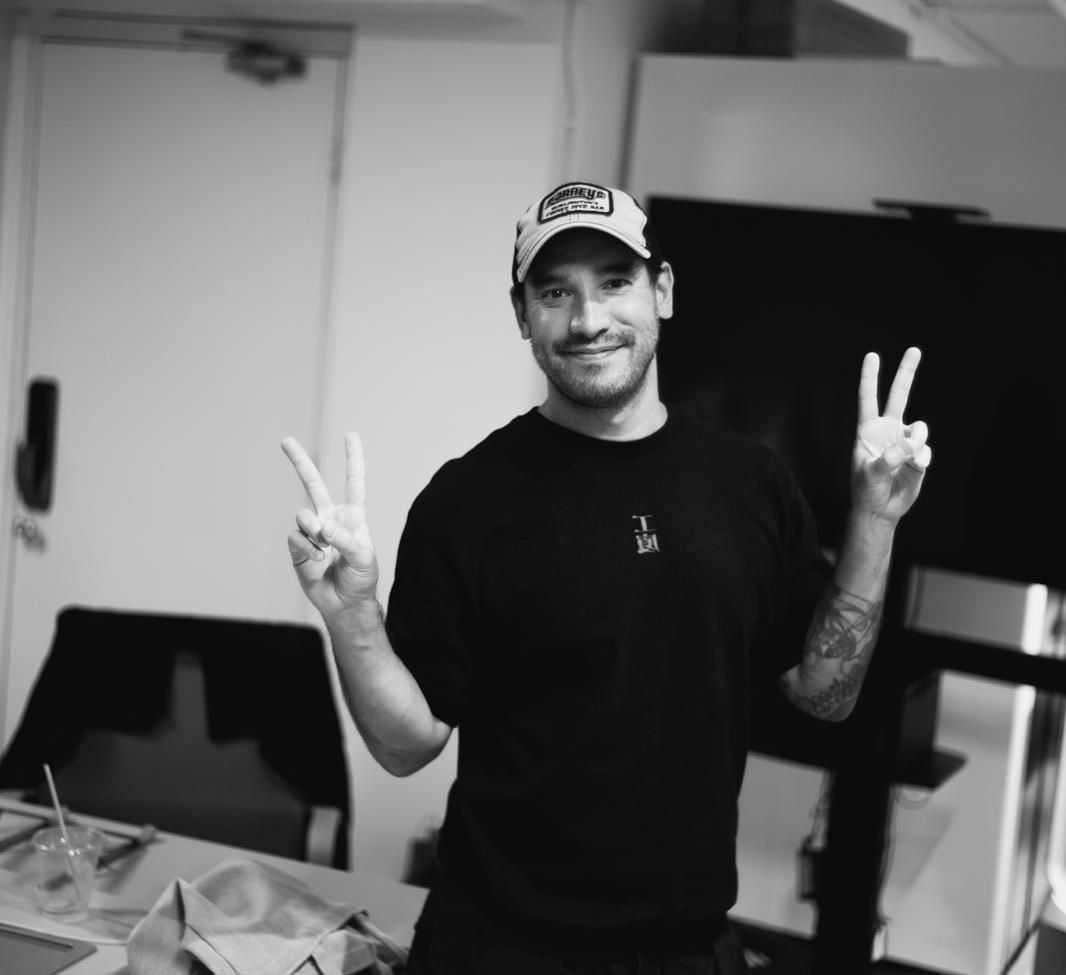
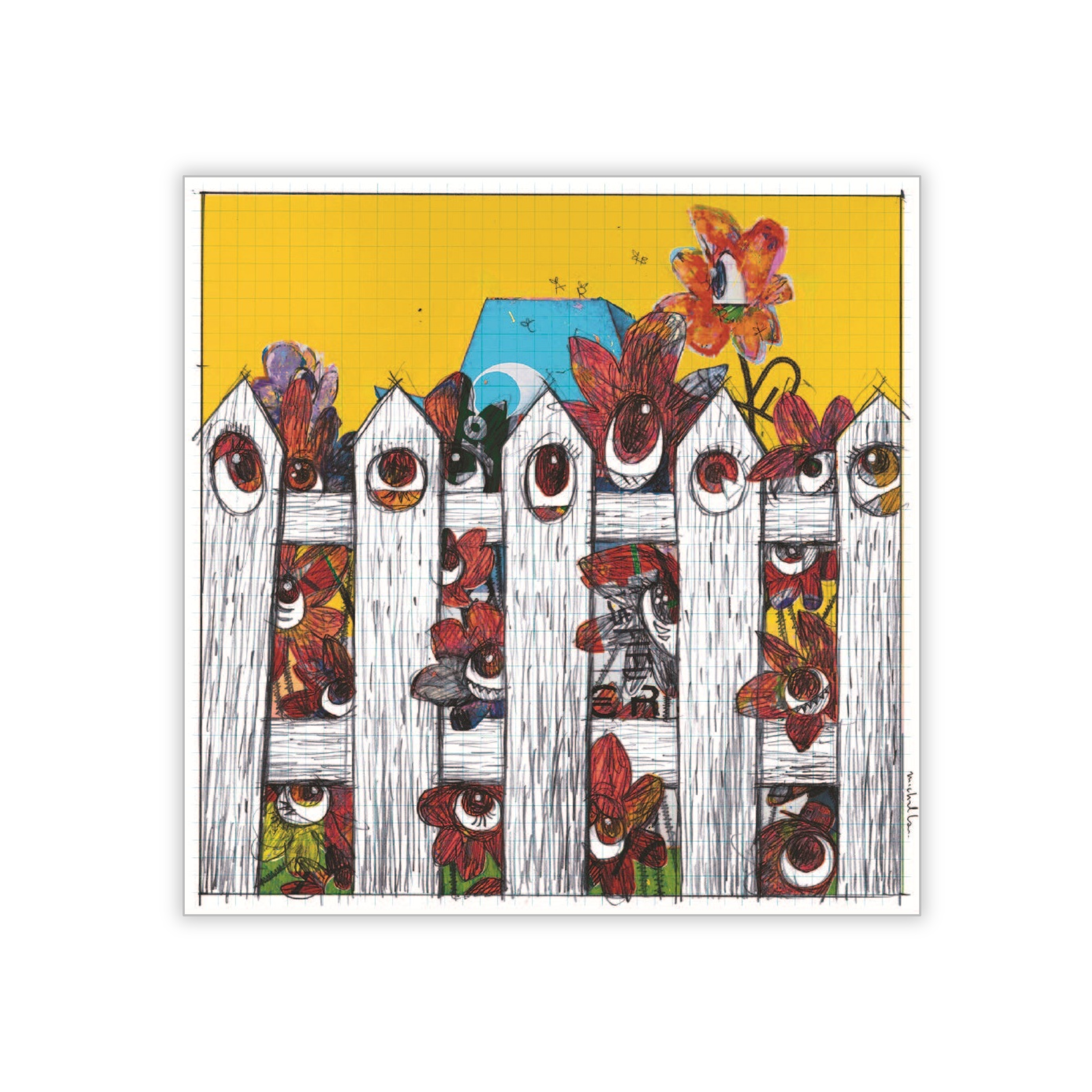
There’s a particular kind of beauty to Hong Kong that reveals itself when you stop looking for it. It’s in the chipped paint on a shutter, a flower stall wedged between glass towers, the glow of a neon sign reflected in a rain-soaked street. This is a city of grit and glitter, density and distraction. It’s a place that moves at a pace that can make simply stopping to smell the roses feel like an onset of anxiety. For Hong Kong artist Michael Lau, finding beauty in the ordinary has been a creative philosophy for decades. Dubbed the “Godfather of Designer Toys,” Lau first made his mark with the seminal Gardener series in 1999, before developing that fascination with everyday beauty into his Flowers series, which he began during the pandemic. Now, that philosophy blooms again in Flowers: Serendipity, his second collaboration with Carhartt Work In Progress (WIP), following their 2017 Gardener figure project.
At Lau’s side is his wife and creative partner, Florance Yip, who works as a duo to protect the creative freedom that allows his ideas to flourish. Together with Carhartt WIP—the label that has spent decades adapting its workwear roots while embedding itself in global subcultures, art, skateboarding, and music—they’ve created something that embodies and extends Lau’s worldview.
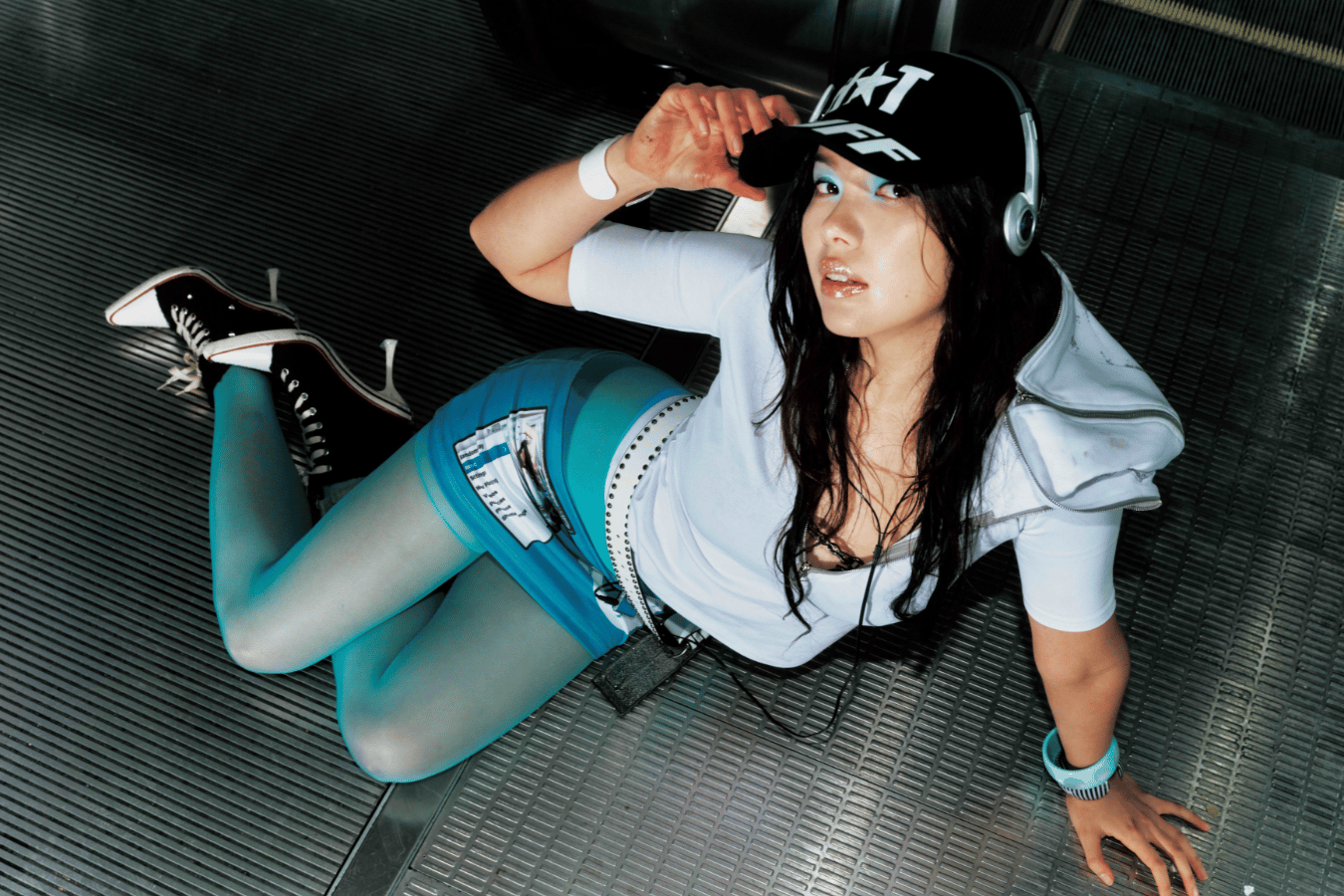
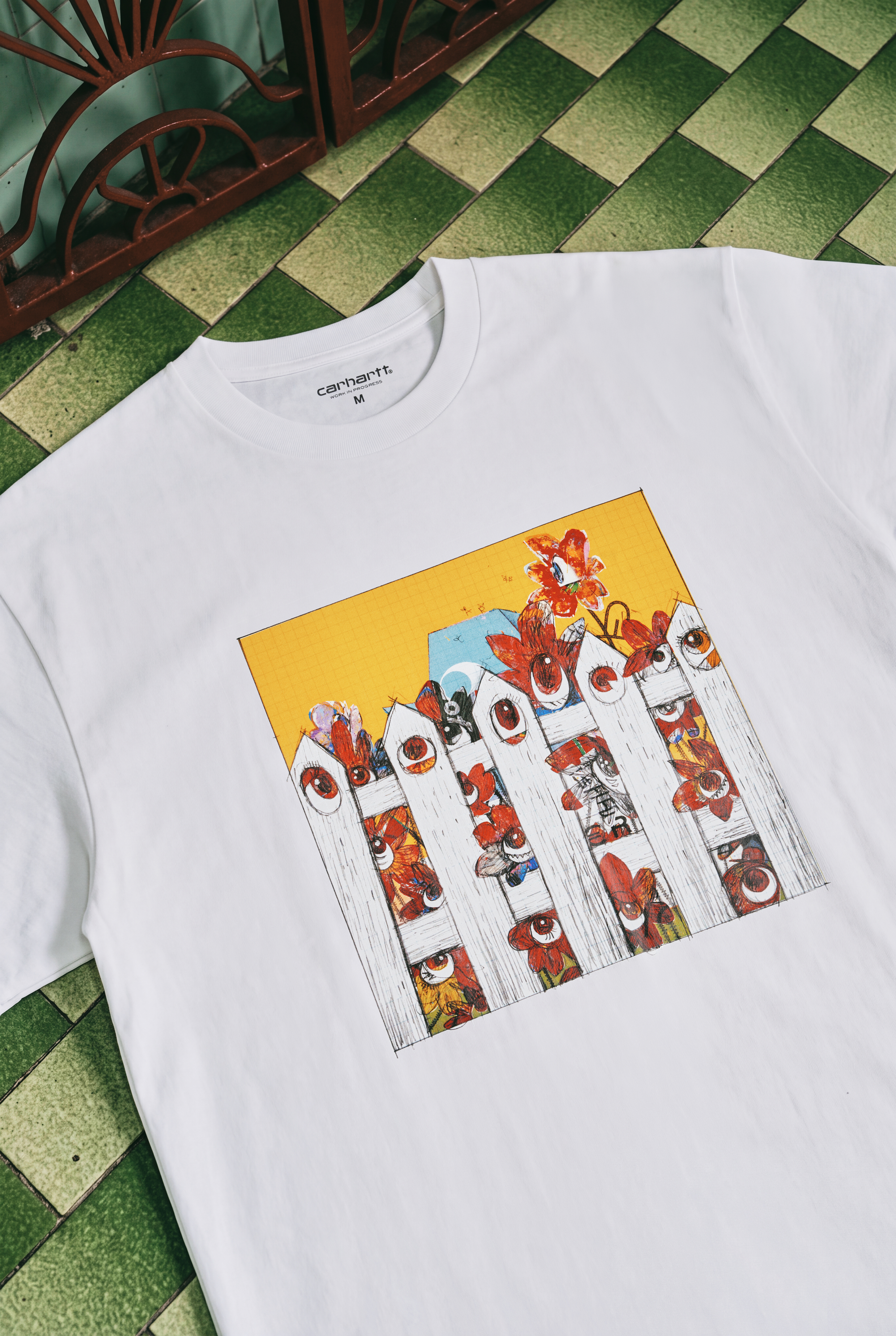
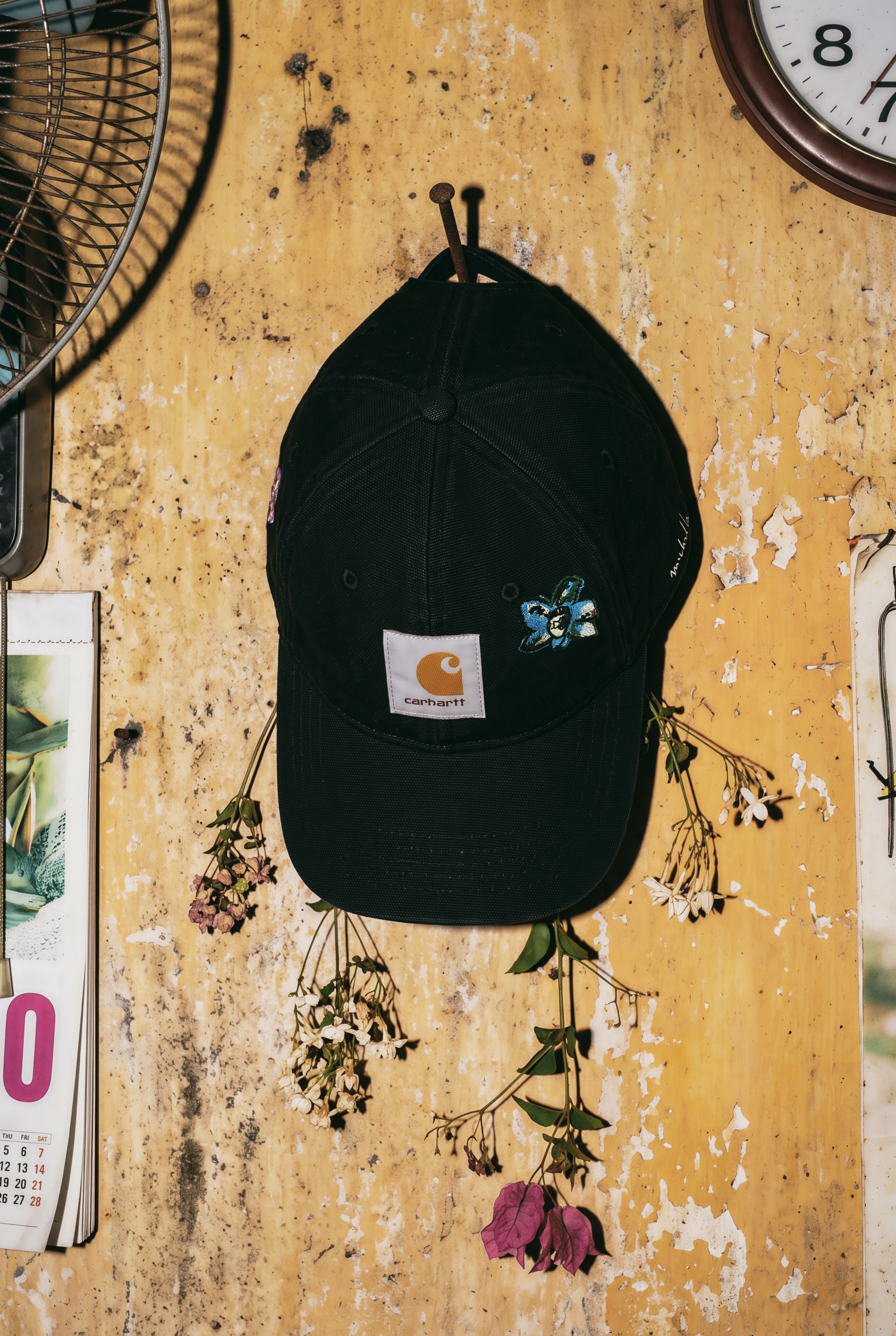
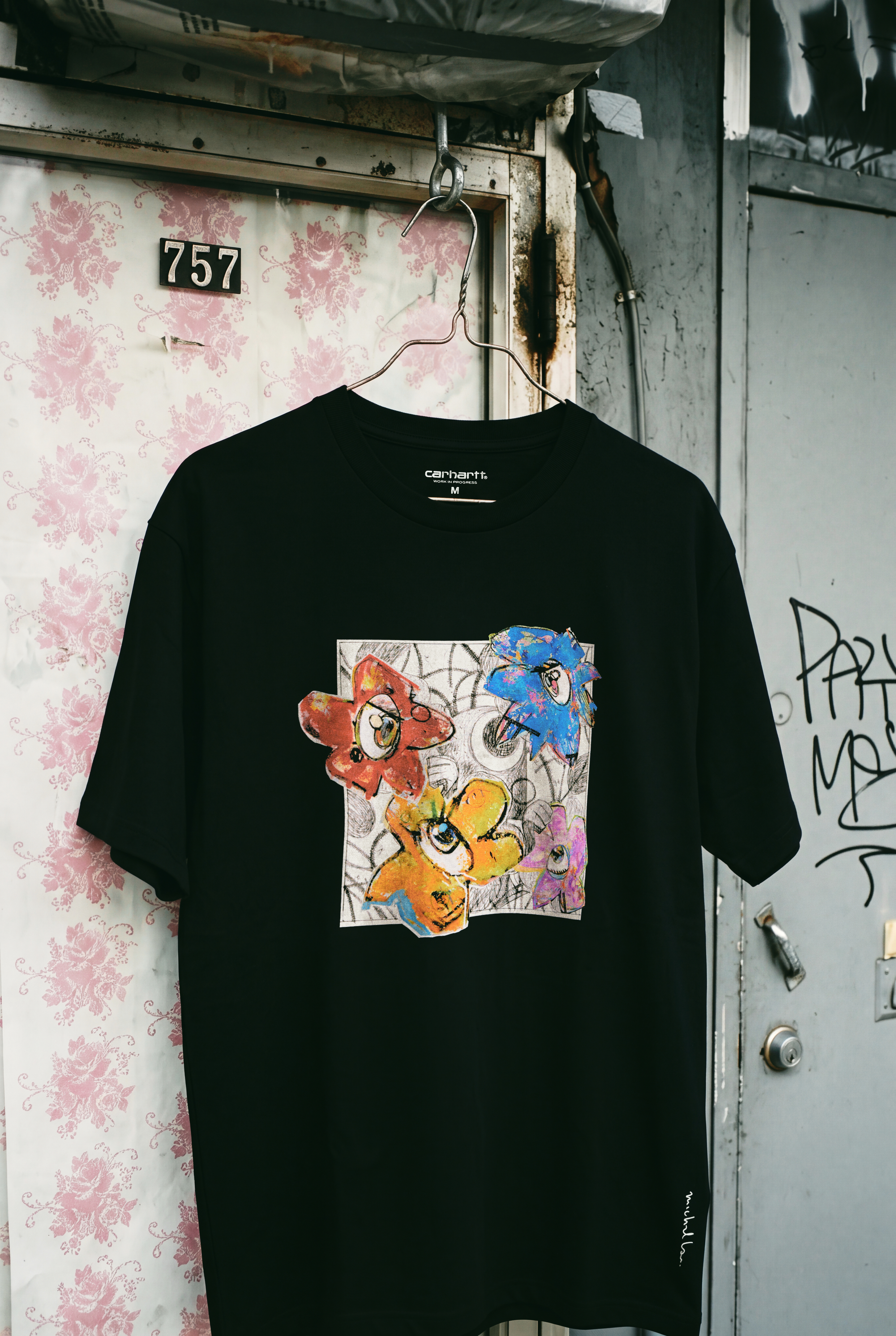
The resulting capsule brings Lau’s hand-drawn flower characters onto familiar Carhartt WIP forms, including the OG Detroit Jacket, jersey crewneck, baseball cap, and T-shirts, with intricate embroidery and graphic treatments. But the clothes are ultimately just another canvas. At the heart of Flowers: Serendipity is a simple proposition: happiness and hope don’t require an ideal setting. Even an ordinary street corner can become an inner garden if you’re willing to see it that way. In an age of endless scrolling, algorithmic noise, and sensory overload, perhaps that’s the reminder we need most. Hong Kong has no shortage of distractions, but artists like Michael Lau—with brands like Carhartt WIP willing to give those ideas room to grow—remind us that sometimes the most radical thing you can do is slow down, look around, and notice what’s already blooming.
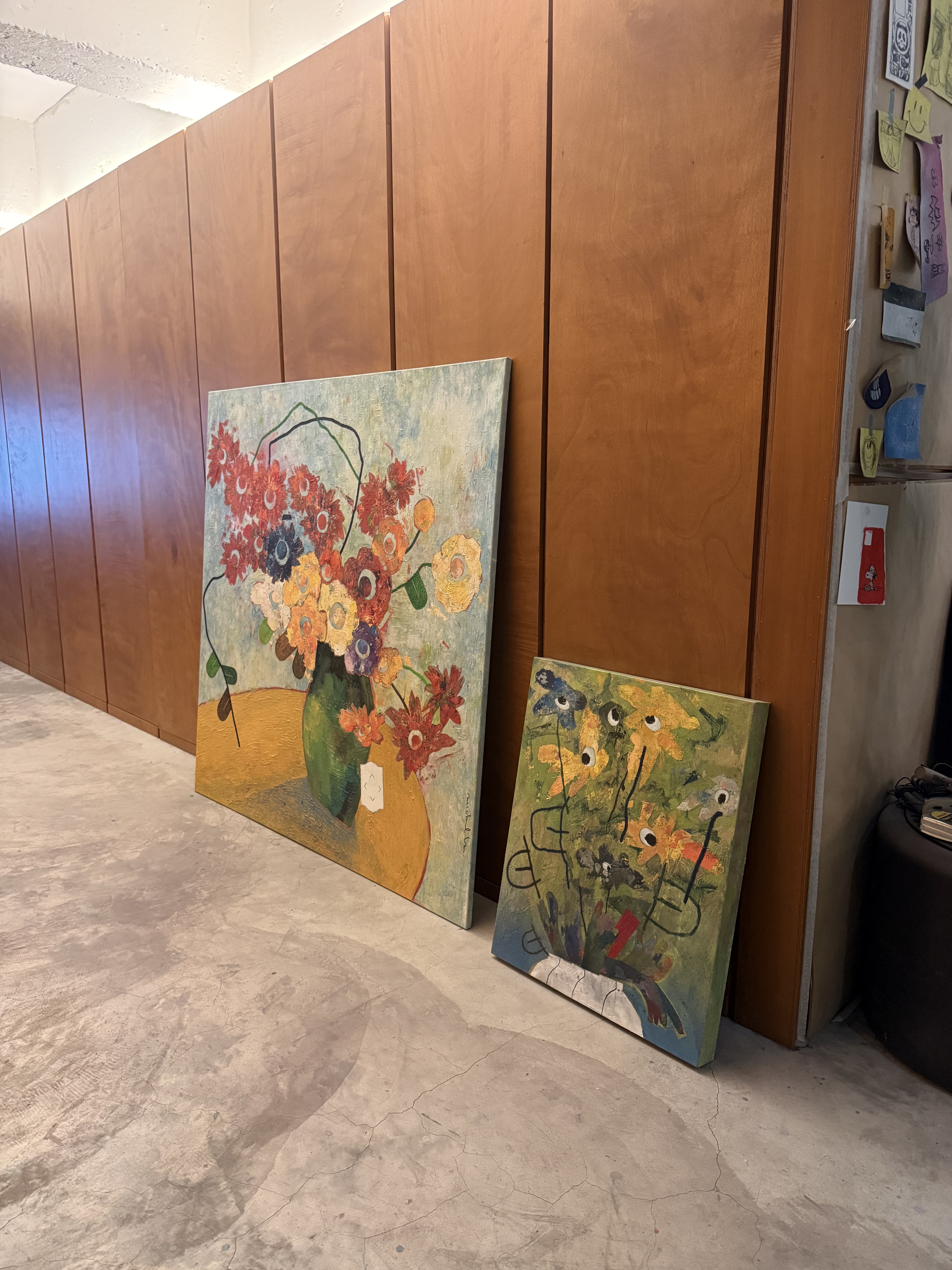
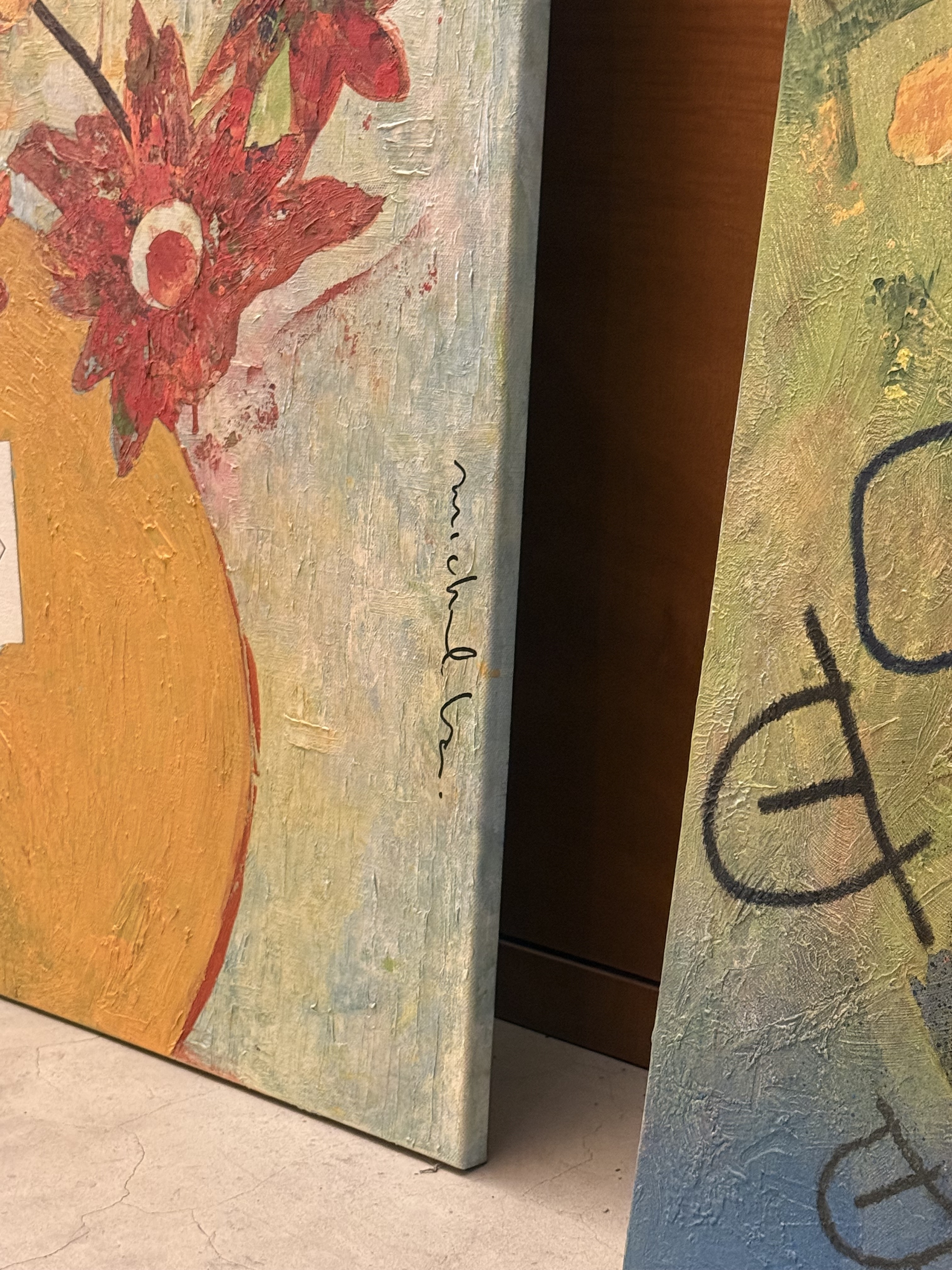
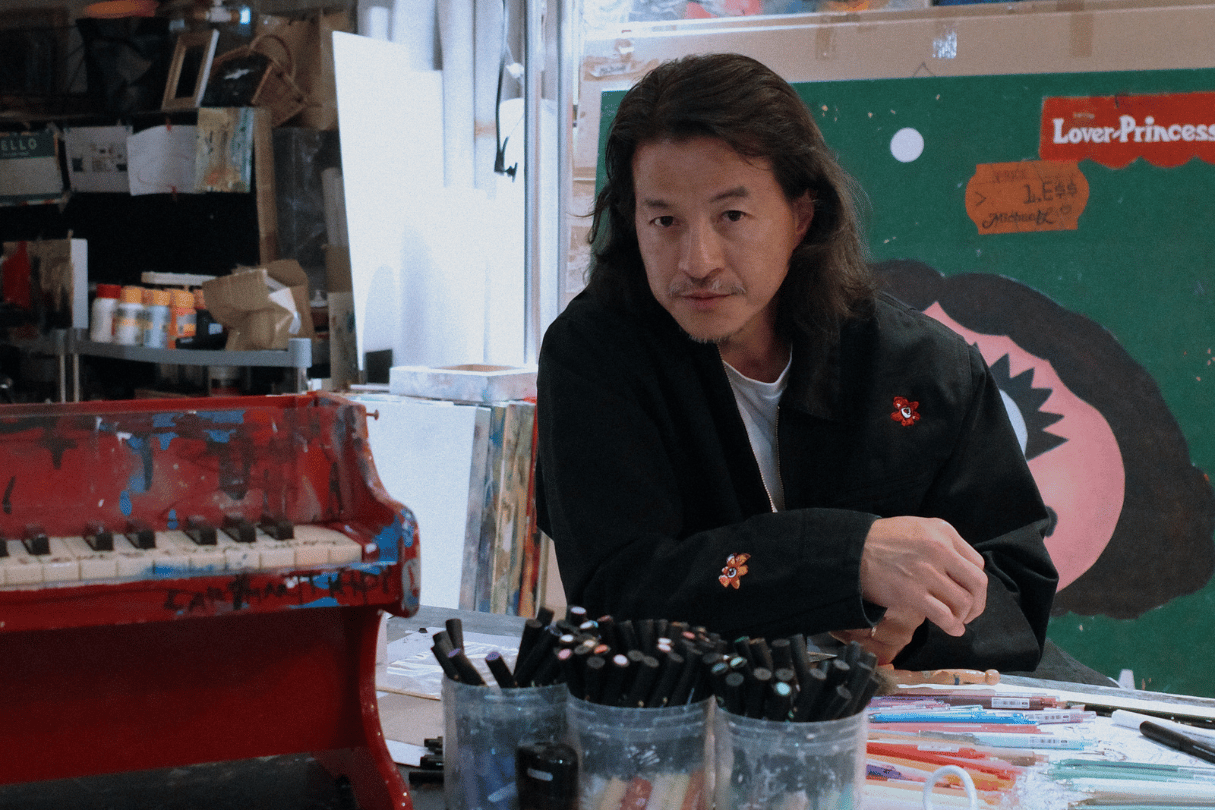
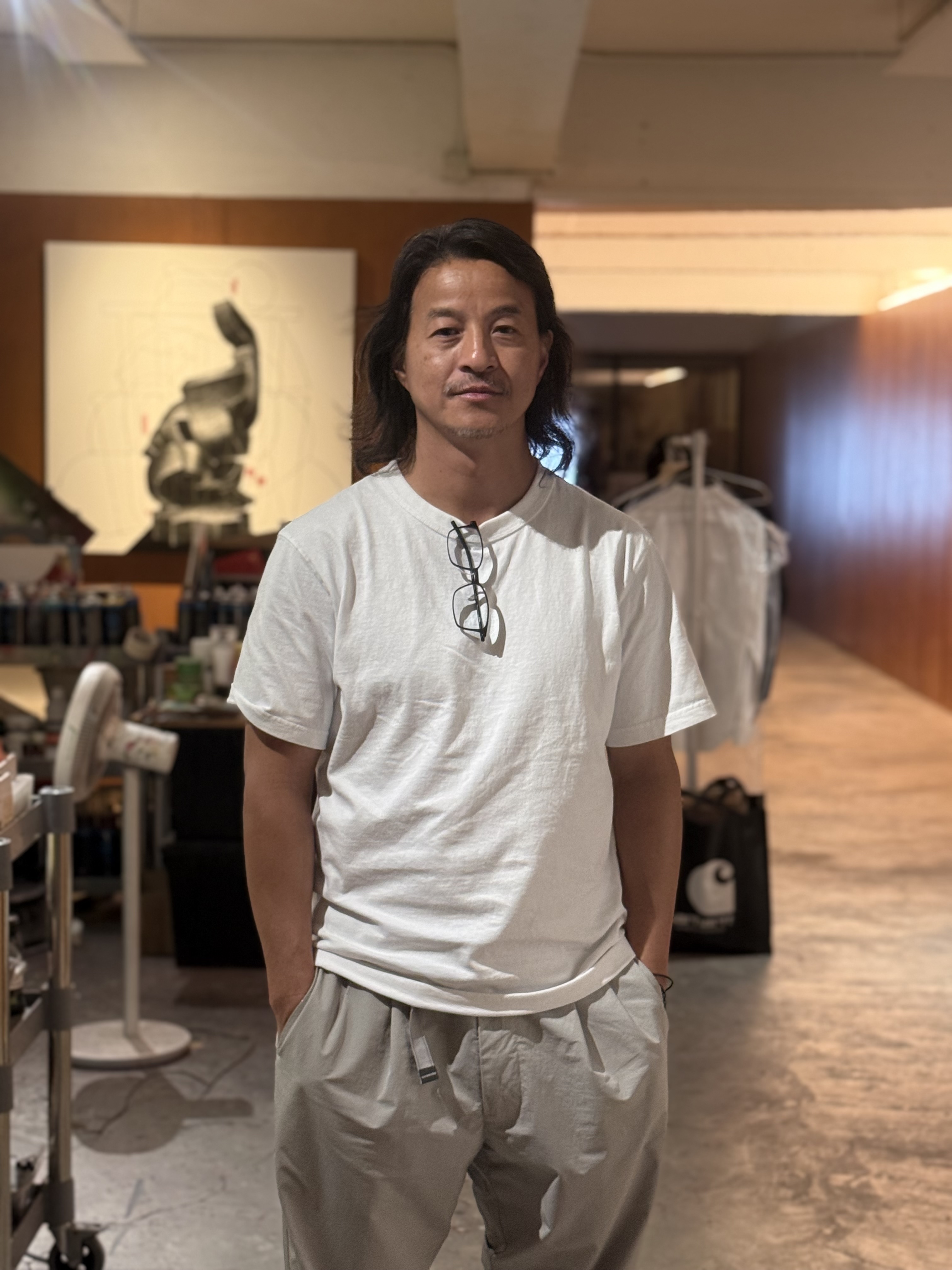
I was lucky enough to join Michael, Florance, and Carol from Carhartt WIP’s APAC team at Michael’s studio to unearth how and why he views the world with such wonder, why a brand like Carhartt WIP made the perfect fertilizer for this ethos, how hard it is to find authenticity and identity in today’s artists, and, when it comes to actually stopping to smell the flowers, which one is his go-to.
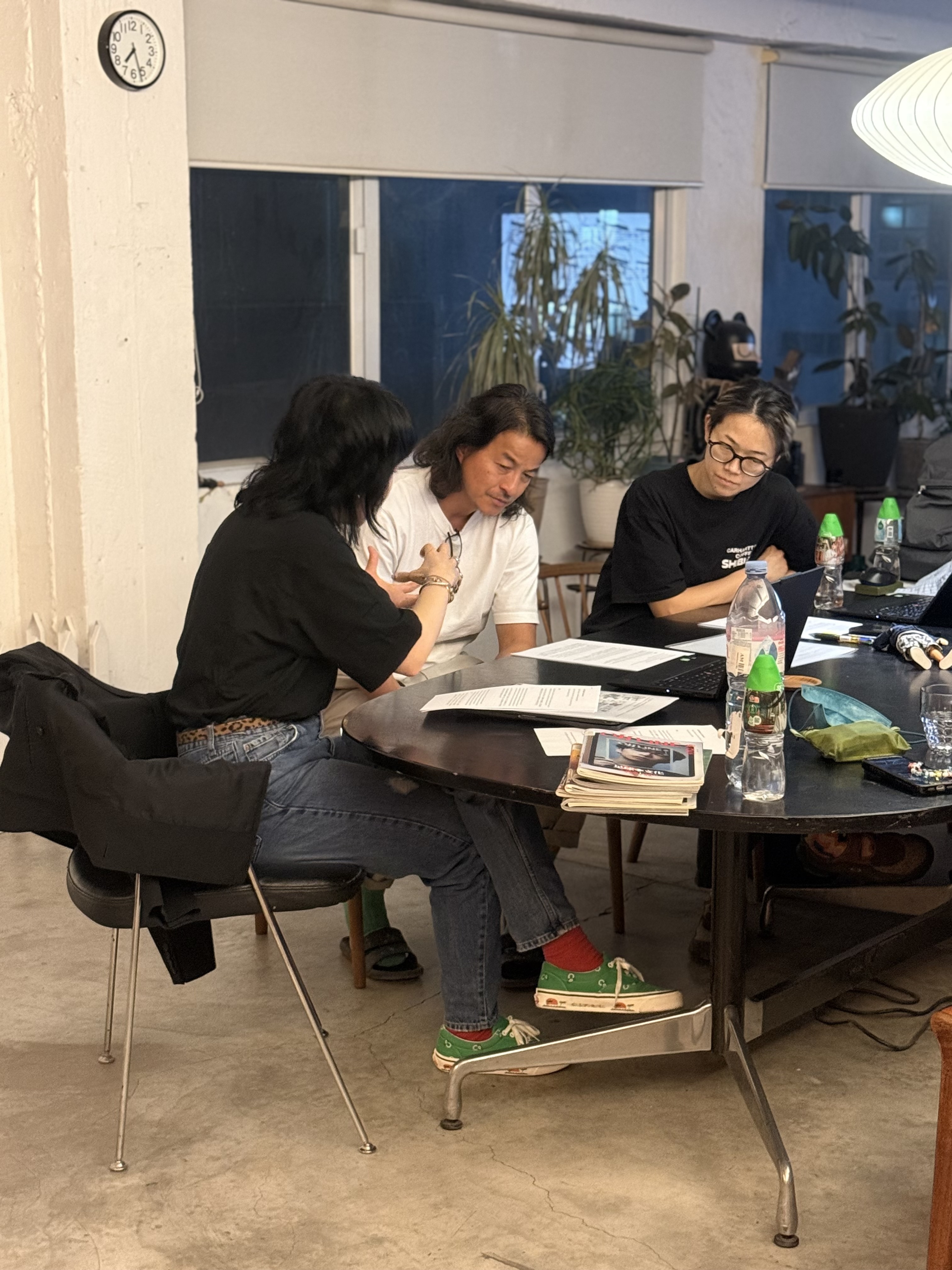
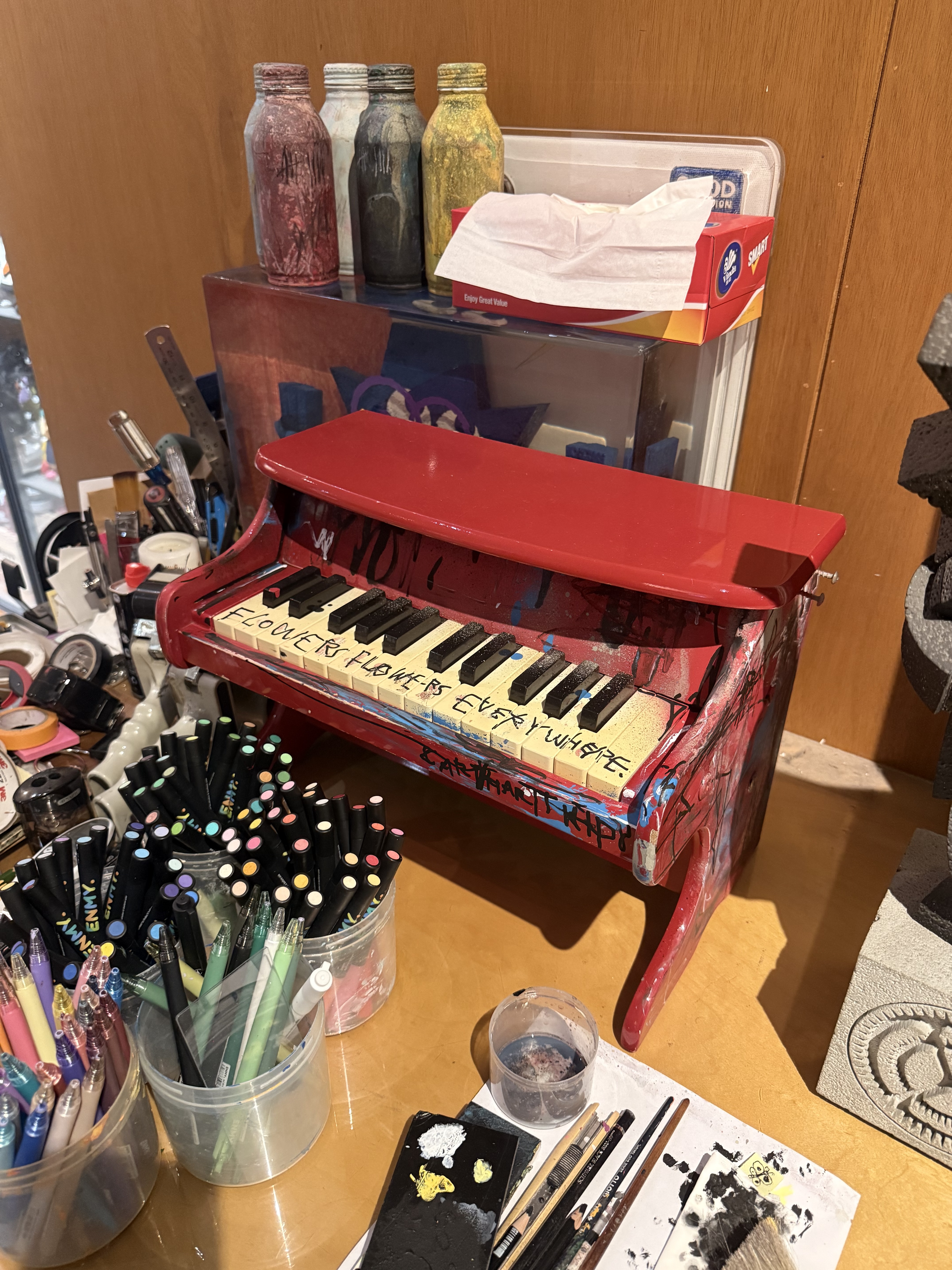
Alex Lendrum/RADII: Finding the beauty in the ordinary is very poetic. It’s also the ethos that was part of the Gardener series. Back then in 1999, or even before that, why, where, and when did you start to embrace that mindset?
Michael Lau: I didn’t realize it when I was a kid, but I started to realize more and more that the way I see things can be different from how other people see them. A lot of times, I would see beauty in certain things that nobody seems to pick up on. Maybe I was born with that ability, and it helped me to do the different creative things I’ve been doing.
Even with very normal objects, I can see something beautiful. I remember once I was in the toilet looking at a plastic box and suddenly thought, “This box is really nice.” Even downstairs from this studio, there’s an old lady who has put up a little garden, and I find it beautiful. It’s these little things that I notice.
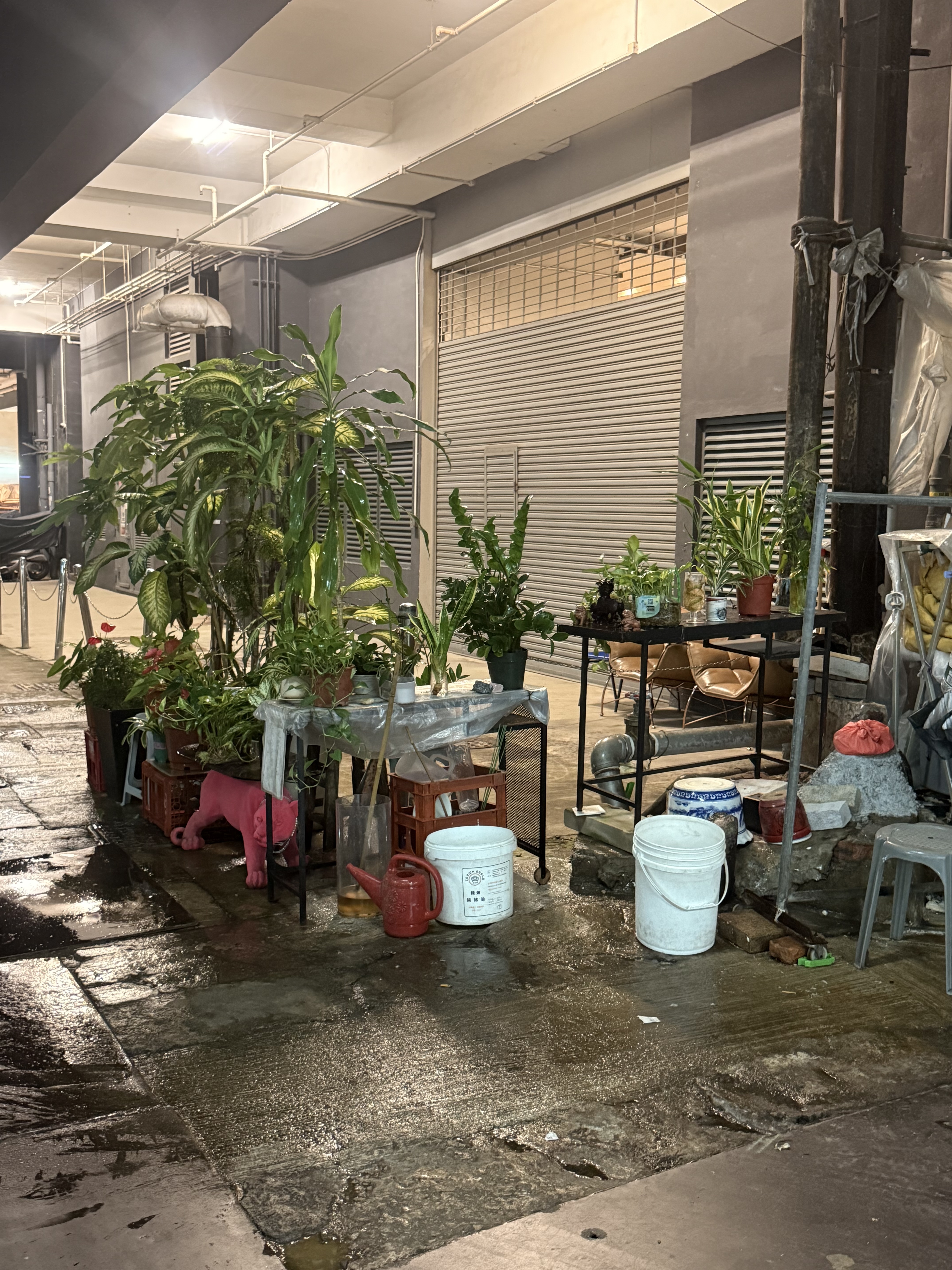
Was there a particular point before Gardener when you realized this was becoming a creative philosophy for you?
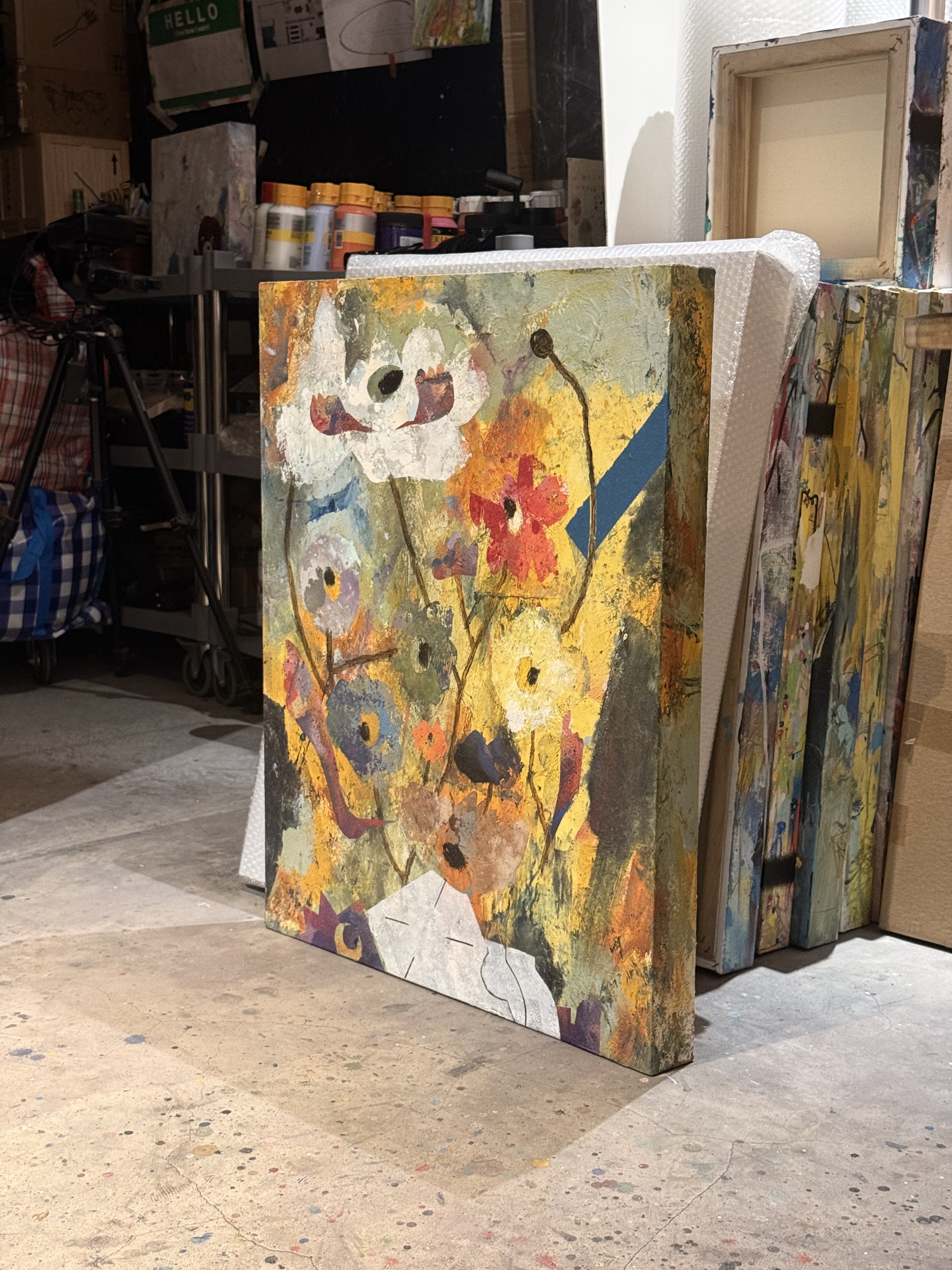
Michael: I started with painting before Gardener. When I was still in primary school, teachers would pick me to represent the school in painting competitions, and I would often win. I also grew up in a family that wasn’t very wealthy, so there weren’t many resources. I would take things apart and make my own toys or create something from whatever I had.
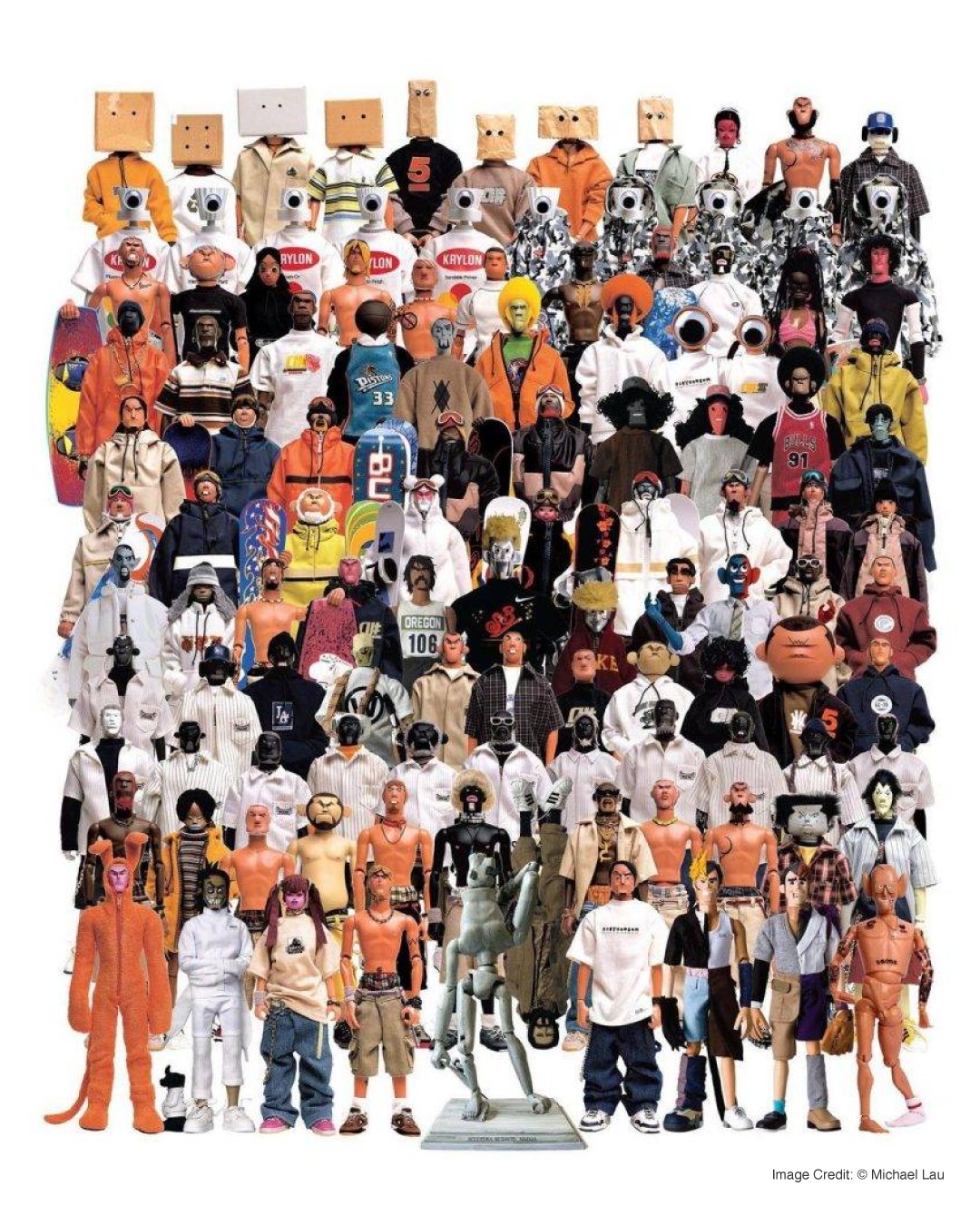
When I started painting, I began to understand myself through the work. You put your thoughts into a painting, then you show it to people, and when they appreciate it, that reinforces the idea that your perspective is worth developing. It becomes a cycle. You see things through your own eyes, create something from that perspective, and when people respond to it, it keeps you going.
Why did you bring that ethos into the Flowers series and then into Carhartt WIP?
Michael: I started the Flowers series in 2020, during the pandemic. I had always painted characters and people, but because we were all forced to stay home, we started buying more flowers and making floral arrangements at home. I looked at them and thought flowers give people joy and hope.
So I started thinking, maybe I could draw flowers like people. That’s why every flower has an expression—some are smiling, some have quirky faces. Through the series, I wanted to express joy, hope, and love, particularly at a time when everyone was feeling unhappy and uncertain.
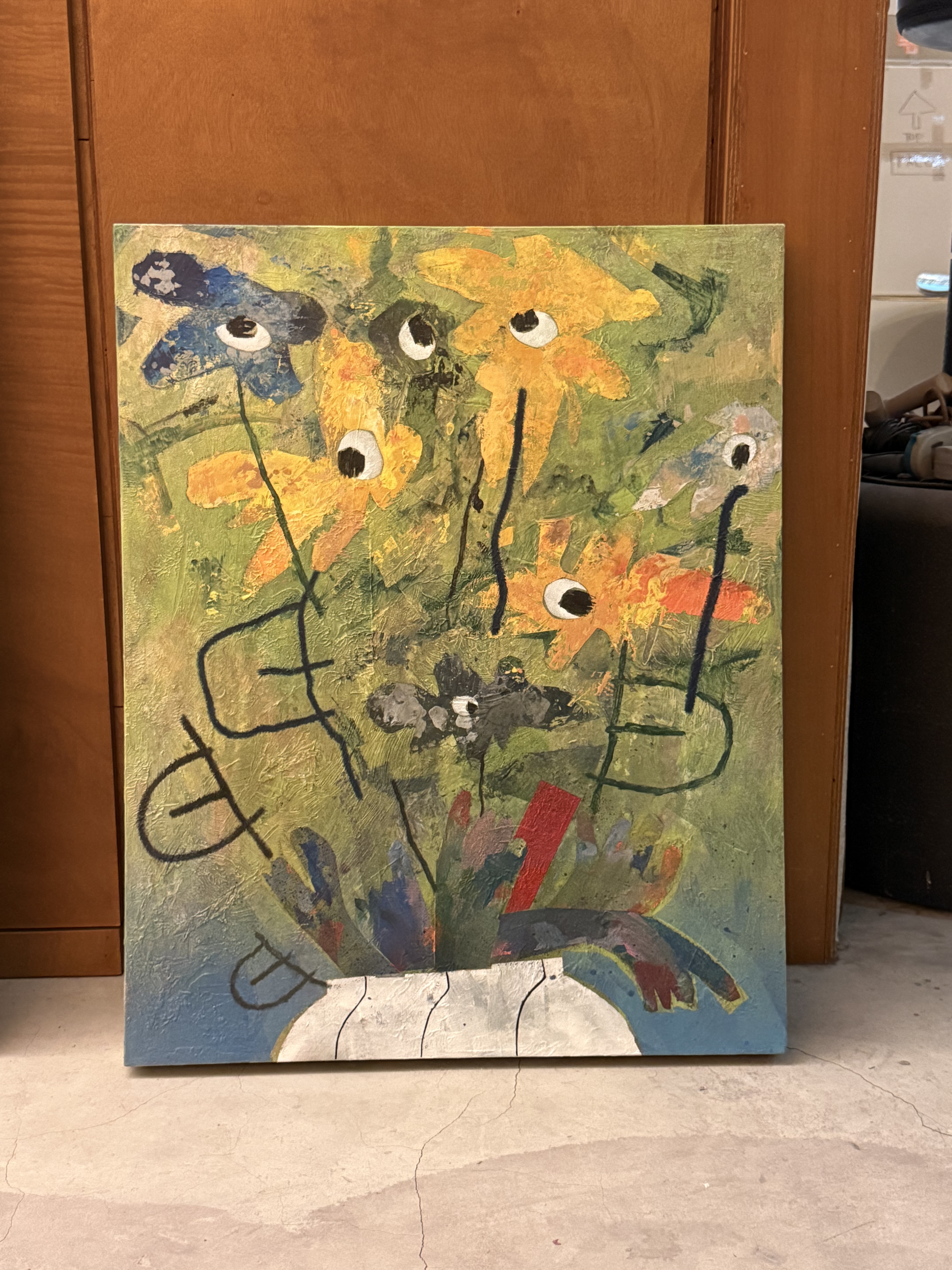
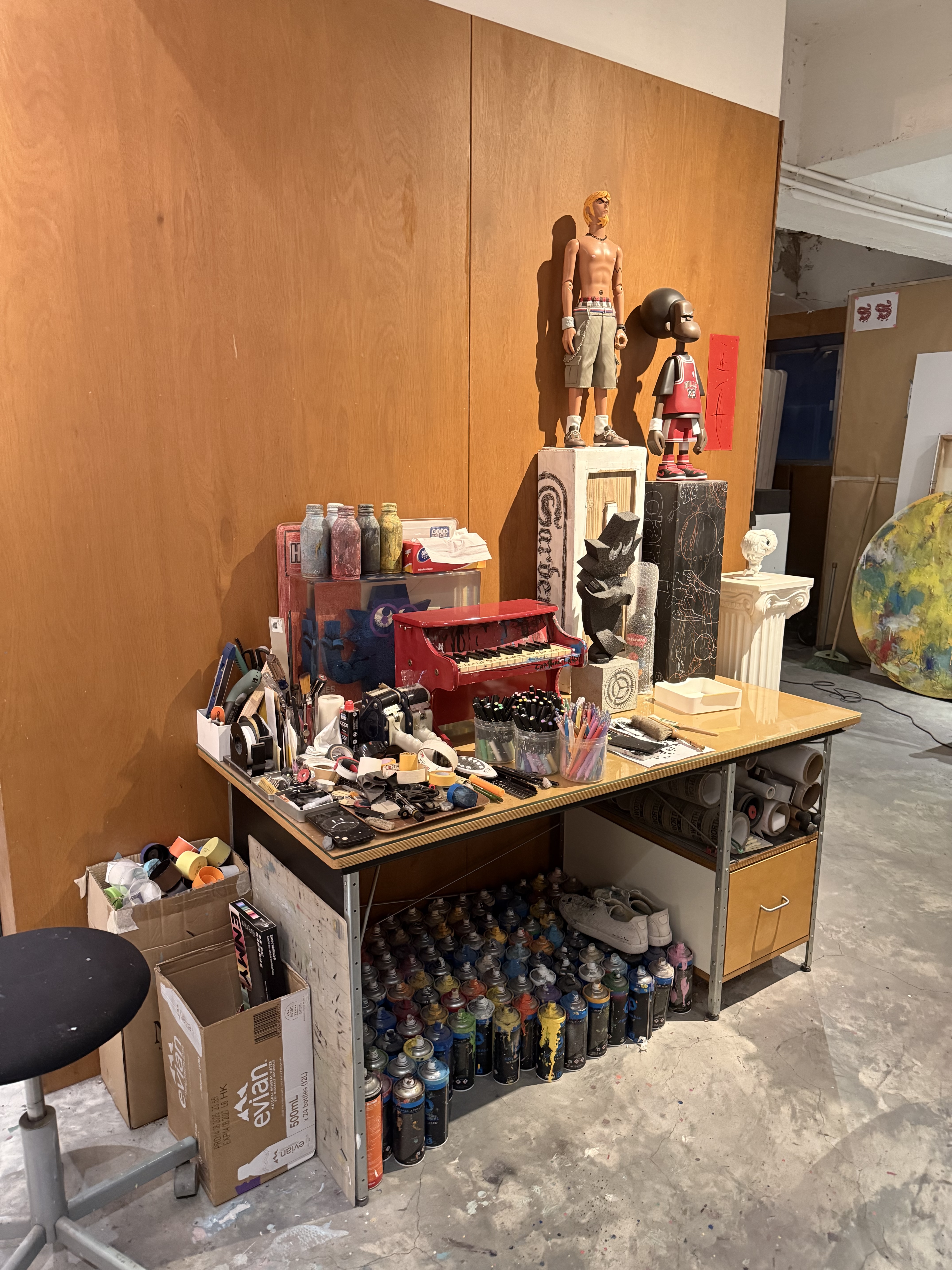
With Carhartt WIP, I wanted to extend that same ethos. The clothes are something people can wear every day, so they become another canvas and a constant reminder of those feelings.
Carol Cheng: Carhartt WIP has always tried to be supportive of art, especially local art. When we were thinking about what was unique to Hong Kong, we didn’t just want to work with another painter. We wanted something that was really one of a kind and represented the local culture.
We have done artist-specific projects in places like Melbourne, the UK, and New York, but that hadn’t happened in Hong Kong in the same way. Initially, we approached Michael for one artwork and one piece. But once we started talking about what was possible, we realized there was an opportunity to expand it into something bigger and make the storytelling more complete.
Florance Yip: The openness in the communication is what enabled the creativity to flourish. Michael doesn’t want to just do a T-shirt. He particularly wanted to work with the jacket because he thinks it’s very emblematic of Carhartt WIP.
As a duo, we’re always looking at whether a collaboration is really in Michael’s best interest as an artist. Is it making him happy? Is it giving him a creative challenge? Or does it feel like a chore?
Michael: Every artwork I make has a story behind it—why I made it, what the character represents, what it has been through, and what I want to say. One print can’t always explain everything. With this capsule, there was more physical space to let people feel the flowers and their expressions.
Do you think you would have leaned this much into the Flowers and Gardener ethos if you weren’t based in Hong Kong?
Michael: Definitely not. I’m a product of Hong Kong, and I think what I’ve created is only possible because I’m from here. Hong Kong is a place where East meets West—the U.S., UK, Japan, China, everywhere. It doesn’t have one single identity, and that makes it a good meeting point for different cultures and influences.
There’s also the physical environment. If I had grown up in the West, maybe I would have started making sculptures. In the U.S. or Canada, you might have a house, a garage, a basement. In Hong Kong, you have a small room. Even before Gardener, when I was painting, I had to paint in the corridor because the canvas couldn’t fit inside the room I rented.
When I eventually had a small flat, I had enough space to make figurines, but not enough to make sculptures. So I started making toys. Hong Kong also had a very strong toy manufacturing industry in the 1980s, so there were factories, samples, and materials around me. All of that became part of the environment that shaped my work.
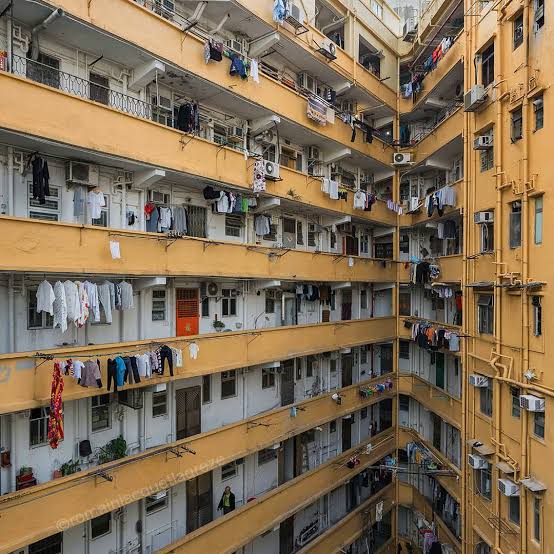
Flowers represent resilience, joy, and hope—things humanity has always needed. Why do you think we need those qualities so much right now?
Michael: I think simple qualities are actually the most important for everyone. For some reason, it’s becoming harder to get those basic feelings. Everything is becoming more complicated. That’s why I want to talk about something simple—joy, hope, happiness—and bring that feeling back to people.
Hong Kong is the perfect canvas for blending urban grit and resilience with unexpected creativity. Almost like how “pressure makes diamonds.” Are there any new or emerging artists from Hong Kong that you’d like to shout out?
Michael: It’s hard to say. I’ve seen a lot of them, and there are definitely many good artists. But I think it’s becoming harder to find artists with a really strong identity—something that represents who they are and, perhaps, something that represents Hong Kong.
Social media means artists are exposed to so much more of the world now. That can be positive, because you absorb all these influences and bring them into your work. But it can also dilute your identity. You need to have a very strong identity as an artist.
What advice would you give to young creatives today, particularly in line with your Flowers ethos?
Michael: First, enjoy what you do. Before, whenever people asked me this question, I would always say you have to work really hard and “go crazy” for anything that makes you smile. But everyone’s definition of working hard is different.
Don’t think too much about the outcome or the results. People often ask me, “How can I become famous?” That logic is already wrong. You don’t become an artist because you want to be famous. If you’re lucky, fame becomes a byproduct. You should enjoy what you do.
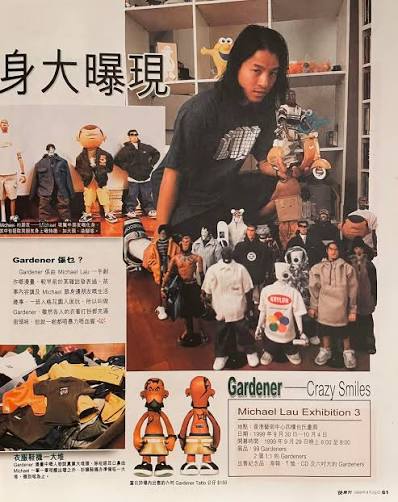
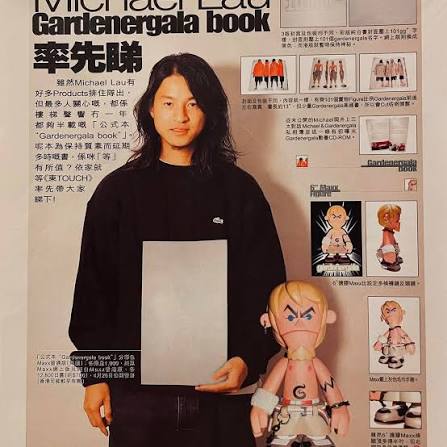
Today, social media makes it very easy to measure yourself by followers, likes, and engagement. Those numbers are unavoidable, but they’re not necessarily the right measurement of whether you’re doing good creative work.
Last question—keeping with the Flowers theme, what are both of your favorite flowers?
Michael: The Barberton daisy. It’s a type of daisy with lots of colors. It’s vibrant, it’s cheap, and it gives you a happy feeling. I think it looks cool.
Florance: We started going to the flower market every week during the pandemic, and we still do it now. You never know what you’re going to see, so you just pick whatever you feel like that week. Maybe something fancy, maybe something quiet. It depends on your mood.
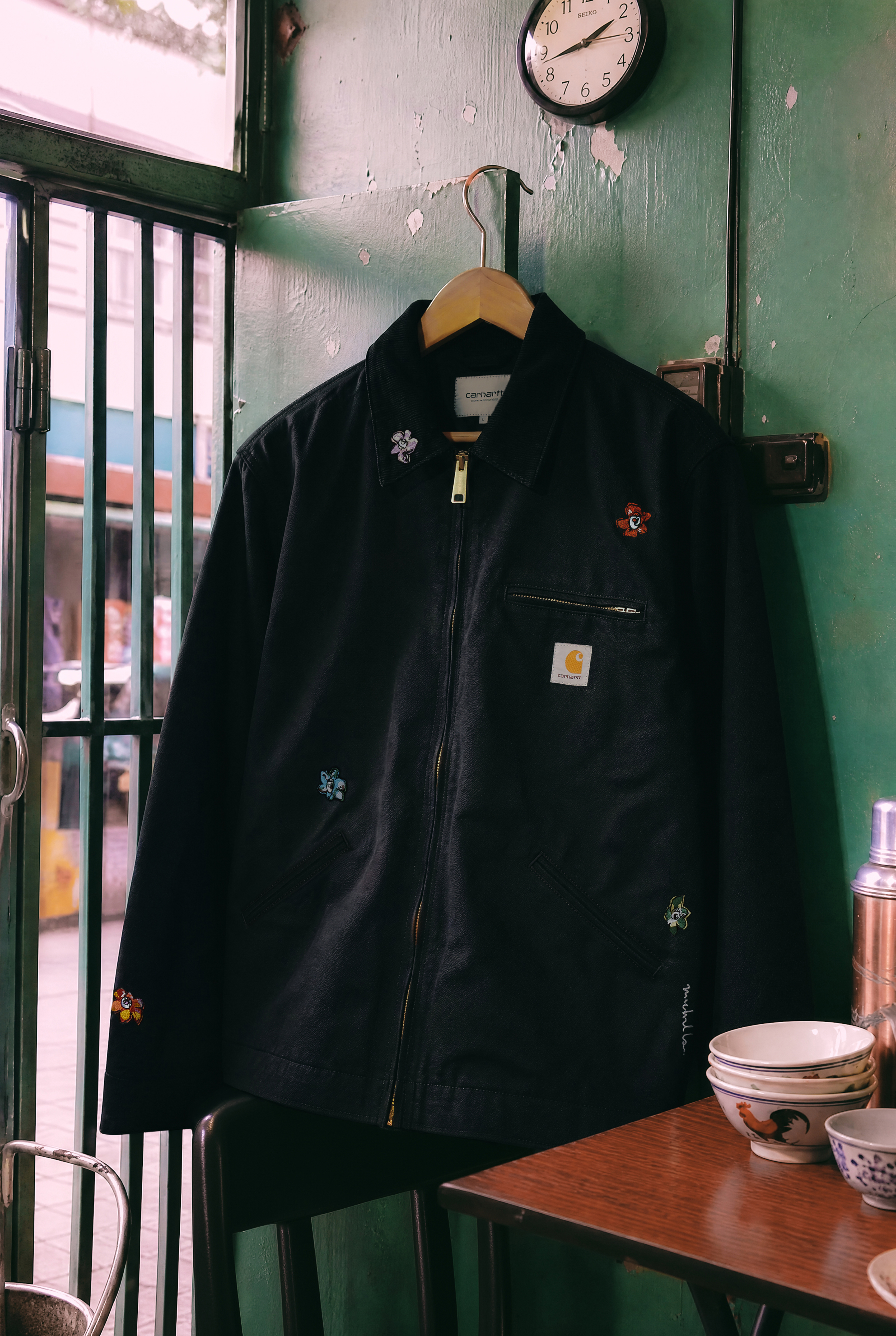
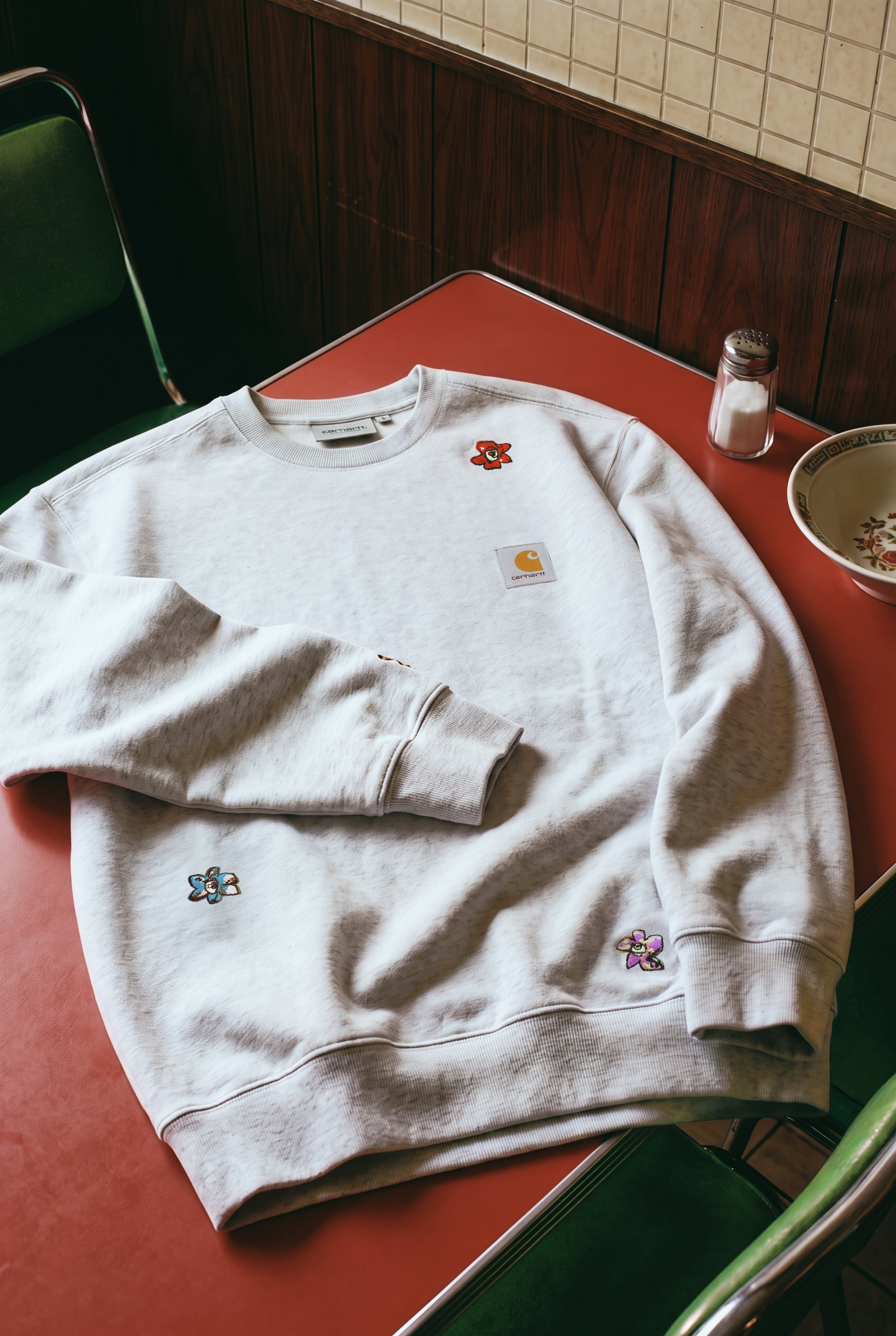
To embrace the simple things in life for yourself, the Flowers: Serendipity capsule will be available from August 13 to 23 at the Carhartt WIP Hong Kong Flagship Store, on 13 Pak Sha Road, Causeway Bay. Prices range from HKD 559 to HKD 2,699 (approximately USD 72 to USD 346), making this a limited window to get your hands on the collaboration.
Cover and collection image via Carhartt WIP/Studio Shots via Alex Lendrum/RADII.