
Feature image of Chengdu’s Biggest-Ever Festival Bets on the Future of China’s Livehouses

Chengdu’s Biggest-Ever Festival Bets on the Future of China’s Livehouses

5 mins read

5 mins read

Feature image of Chengdu’s Biggest-Ever Festival Bets on the Future of China’s Livehouses
From disappearing noodle-shop venues to packed festival stages, Chengdu’s live music scene shows why keeping the underground alive still matters.

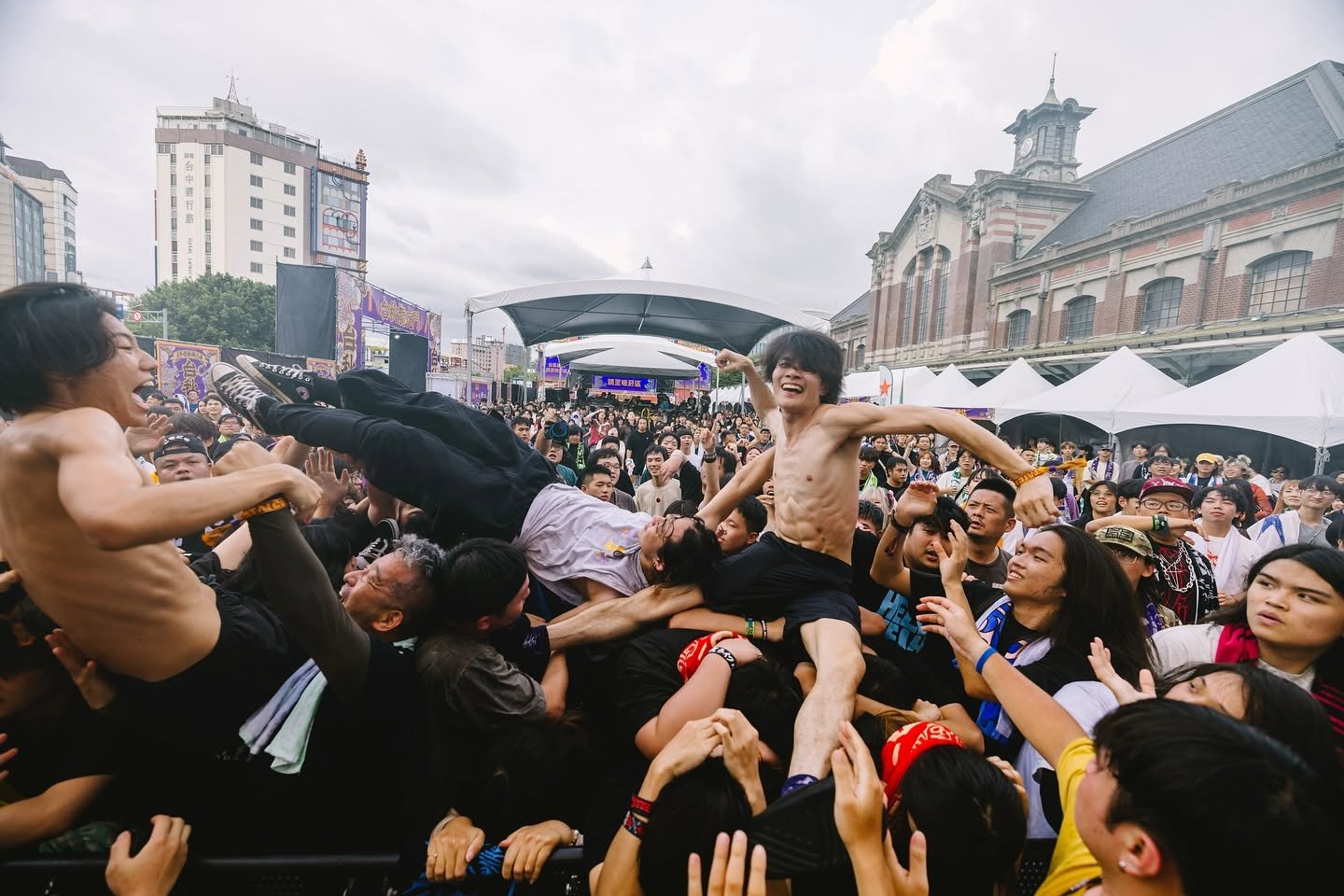
Earlier this month, rain came down hard over Chengdu. The air was humid, but the city was loud. At Eastern Suburb Memory, the sound came in layers: drums and guitars from the stage, cheers from the crowd, the soft crackle of vinyl records, and conversations drifting between exhibitions and pop-up booths.

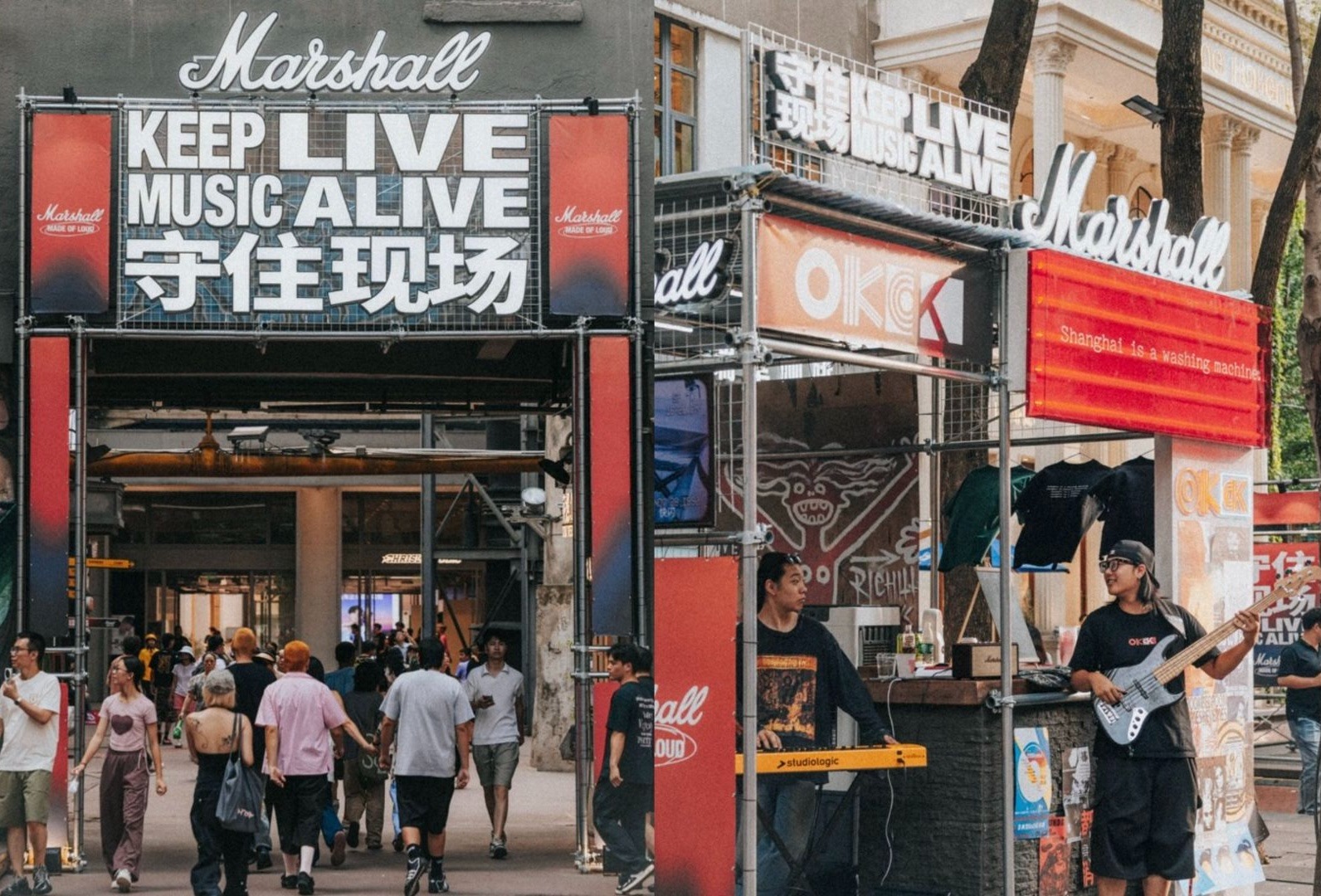
As Marshall’s “KEEP LIVE MUSIC ALIVE — 守住现场” campaign entered its final day, Eastern Suburb Memory became a meeting point for different generations of China’s live music scene. The former factory complex, now a cultural district, filled with fans moving between exhibitions, daytime sets, and interactive installations before gathering at the main stage at 7 PM. Last year, RADII visited Marshall Livehouse in Bangkok, the brand’s multilevel music venue and community space. This year in Chengdu, that same interest in connecting artists, audiences, and local music culture played out on a much larger scale.
For more than six decades, Marshall has been part of the live music world, initially through the amplifiers that became fixtures on rock stages and later through speakers, headphones, and community-led music projects. The “KEEP LIVE MUSIC ALIVE” campaign builds on that legacy by focusing on the people and places behind a healthy music scene: artists, fans, independent venues, and local creative communities. In Chengdu, Marshall partnered with Tmall for a six-day festival featuring live performances, exhibitions, listening sessions, workshops, and the Marshall Village, where venues and labels from across China came together.

For many Chinese rock bands, spaces like this are where music begins: in small venues where new groups play their first shows, experiment with their sound, and gradually find an audience. They are also places where strangers become a community, brought together by a shared song or performance. This time, we were invited to be part of it, to experience the noise, energy, and lasting vitality of live music as it happened.

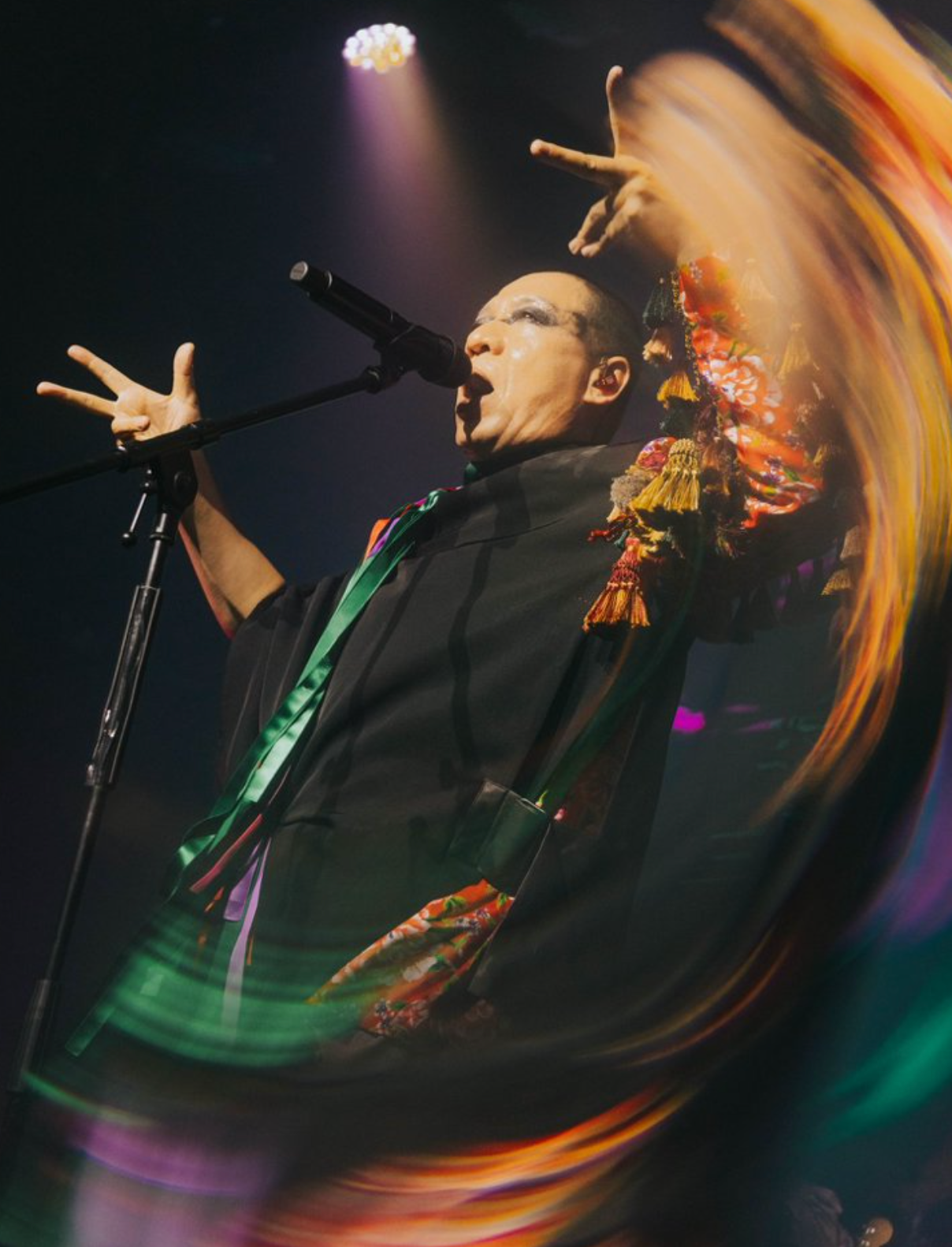
The night’s lineup brought together veteran rock band Second Hand Rose from China’s northeast, alongside Zhejiang’s Characterless, Guangzhou’s Hyper Slash, and Chengdu acts Fayzz and STOLEN. Each band brought something different to the stage, but their journeys share a familiar thread. Their rise reflects the development of live music in China itself: from scattered underground performances to today’s growing network of livehouses, music festivals, and national tours.

On Chengdu’s stage, that history was not just something to look back on. You could feel it in real time.
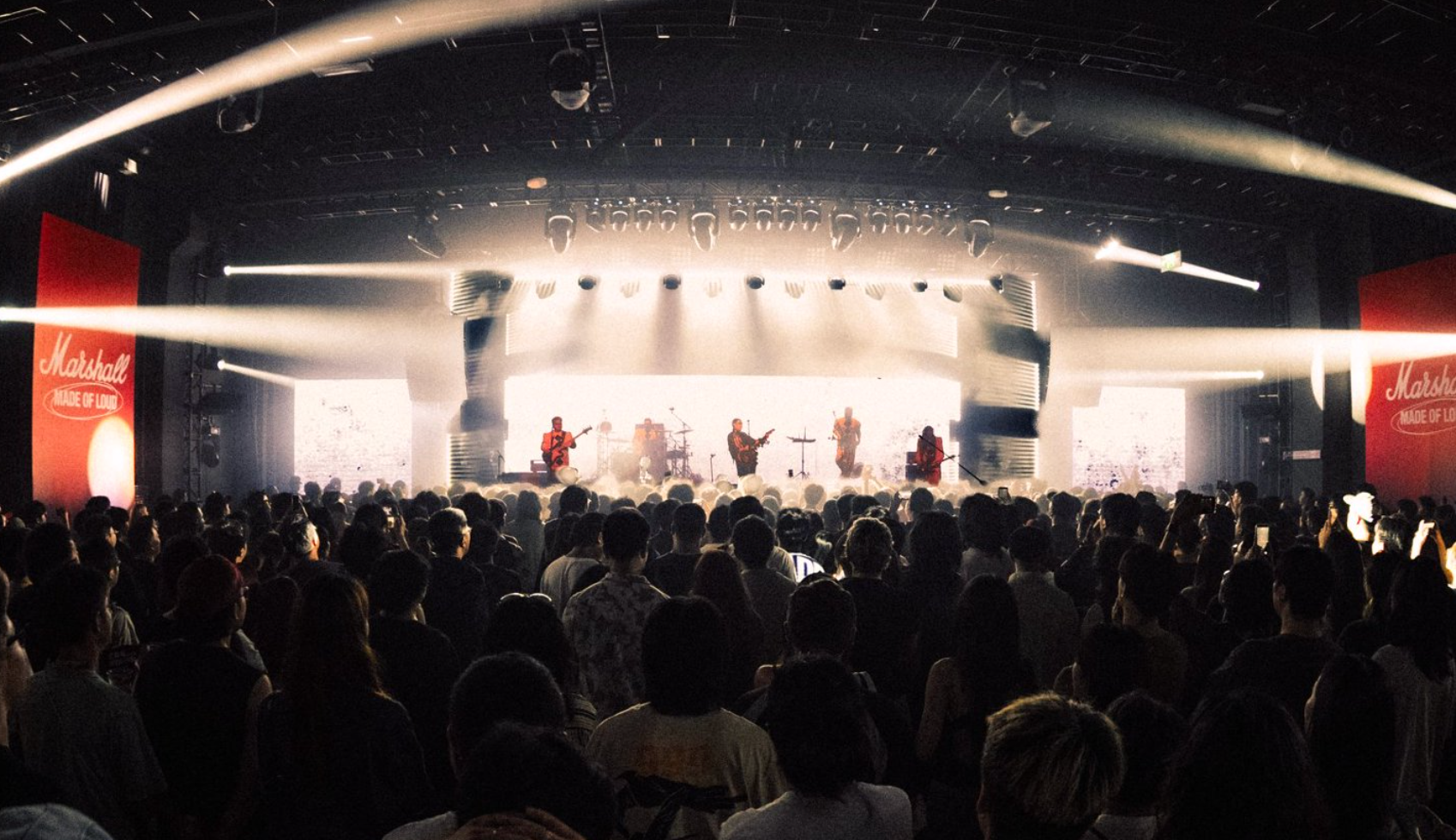
RADII features Marshall's KEEP LIVE MUSIC ALIVE — 守住现场 festival in Chengdu.
Second Hand Rose on Stage. Image via Marshall.

“Don’t Be Anxious About Imperfect Personalities”

Among the emerging acts, we chatted with Characterless (性格缺失), a band from the mountainous south of Zhejiang province. The grounded conversation offered their perspective on what it means to grow up within China’s livehouse ecosystem.
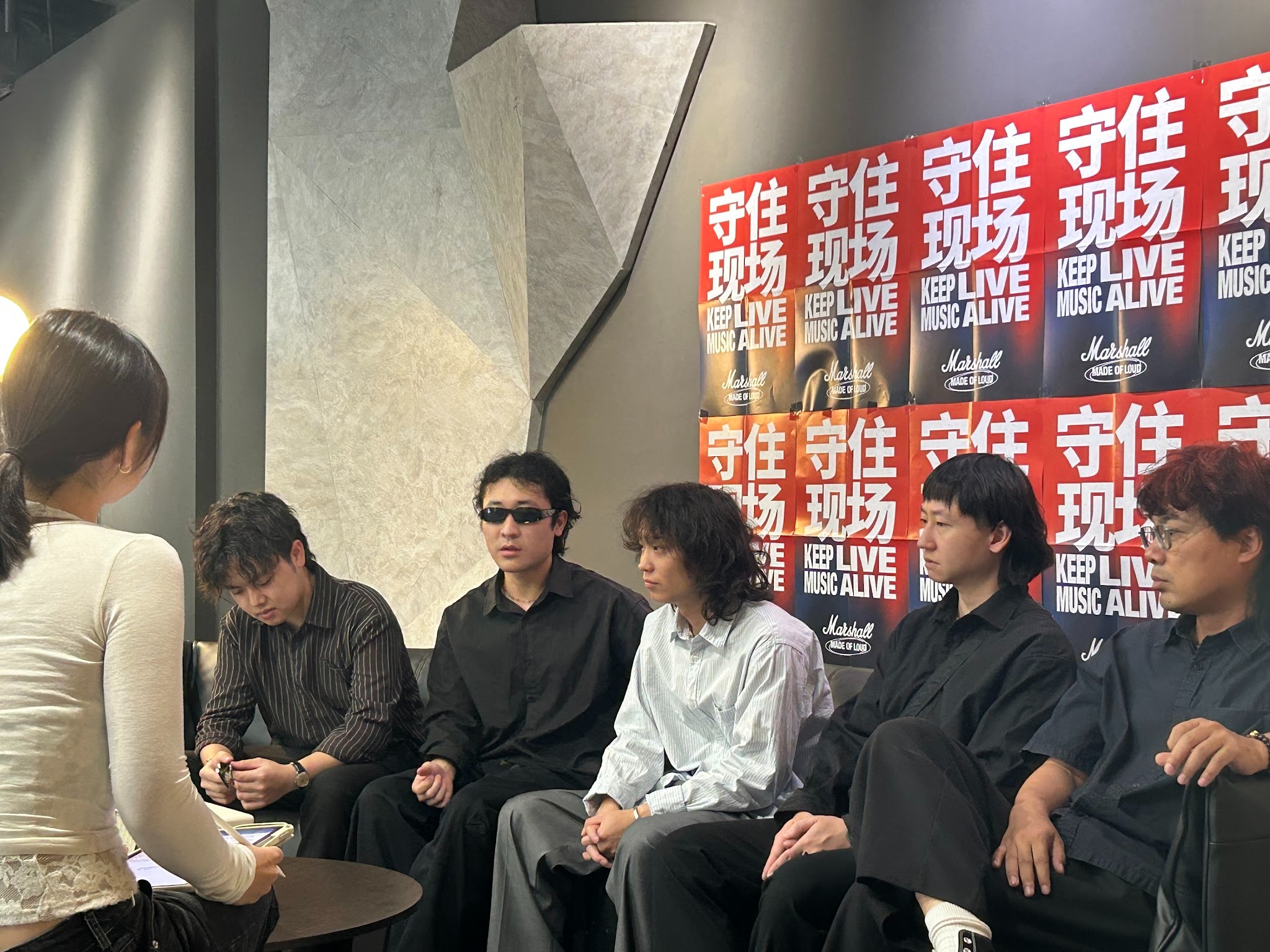
RADII features Marshall's KEEP LIVE MUSIC ALIVE — 守住现场 festival in Chengdu.
RADII’s interview with Band Characterless.

The band came together three years ago almost by coincidence. Vocalist Ye Ji and drummer Gong Li initially just wanted to “play around for a bit,” they told us. But gradually, it became serious, and it was fans who pushed things forward, amplifying their songs through self-media and word-of-mouth until the 2025 city tour finally put them on a much wider map.
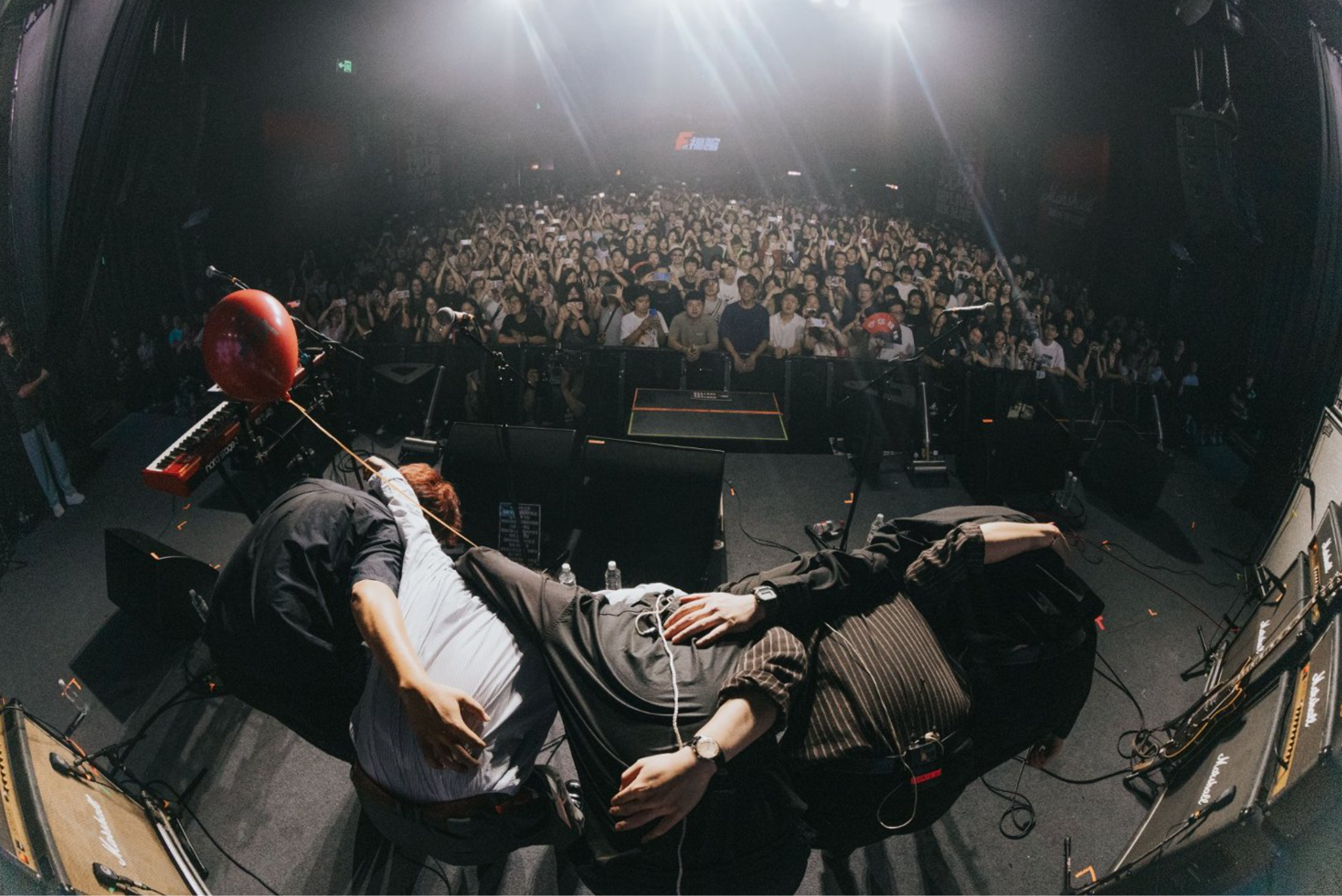
RADII features Marshall's KEEP LIVE MUSIC ALIVE — 守住现场 festival in Chengdu.
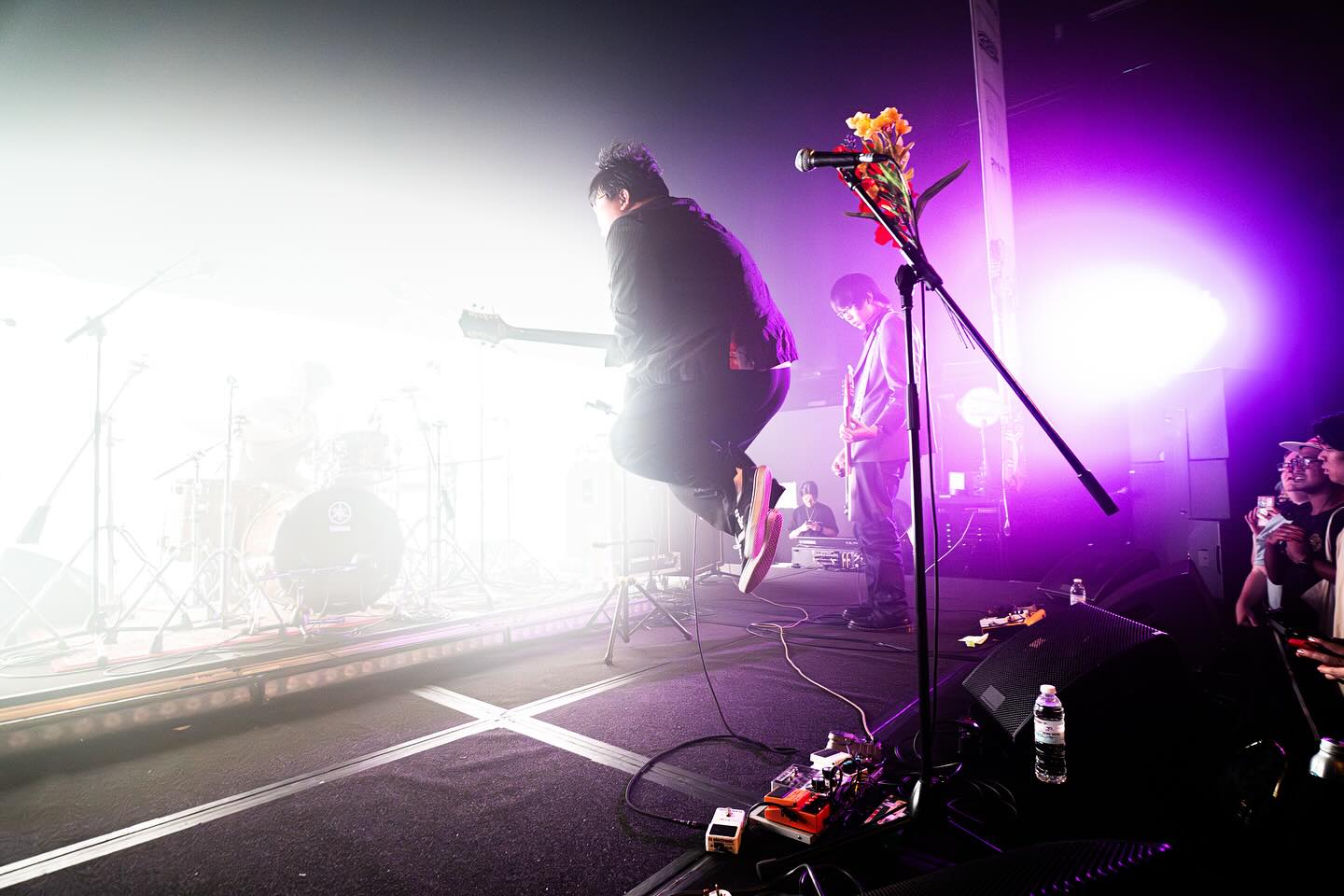
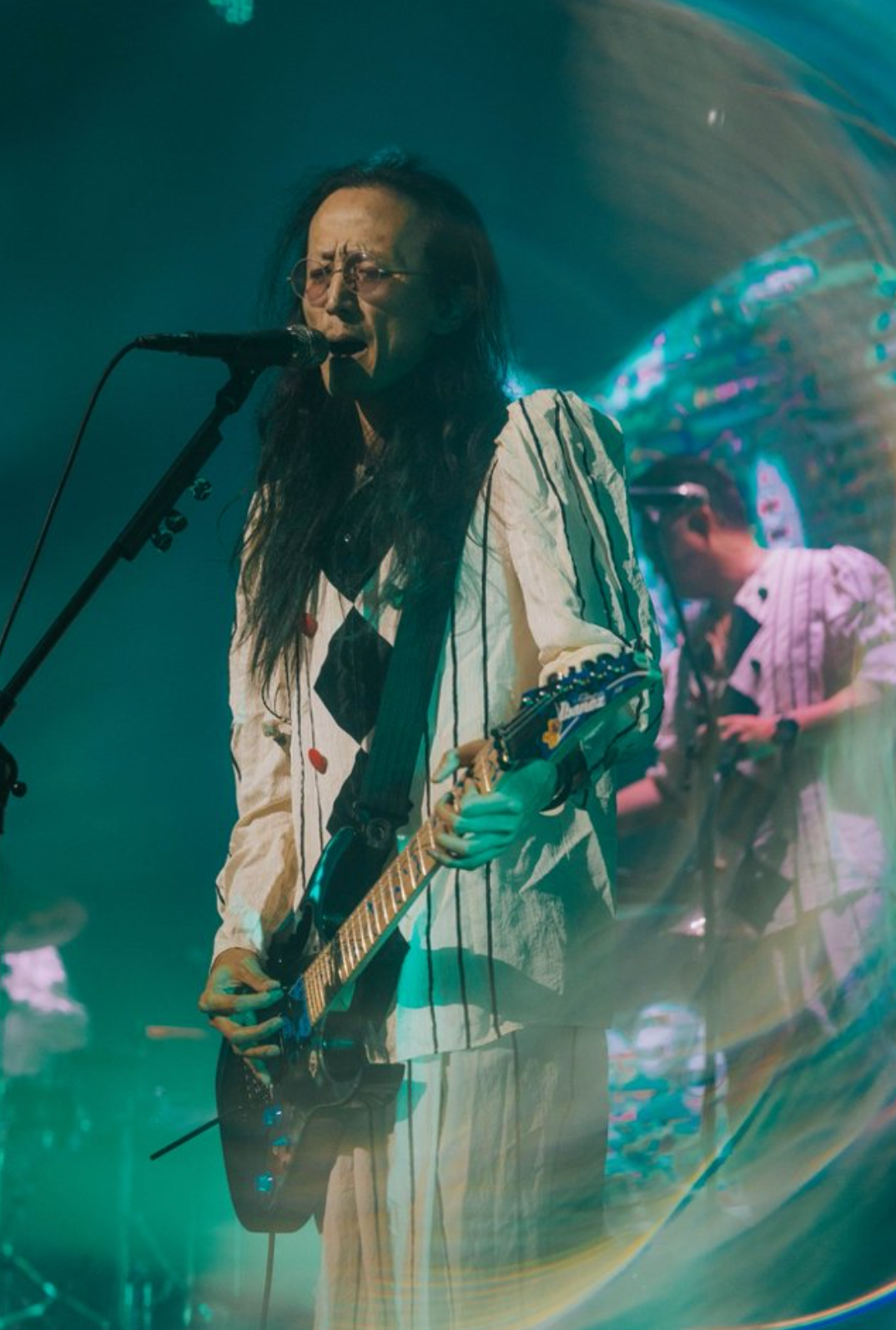
Characterless taking a bow on stage. Image via Marshall.

Their band name, Characterless (性格缺失), literally translates to “lack” or “deficiency” of personality. It sounds bleak at first, but the band sees it differently. They spoke openly about struggling to manage their own emotions in the early days, in ways that were sometimes obvious and sometimes invisible to others.

For Ye Ji, the name is a response to the pressure many young people feel to always appear emotionally stable, confident, and complete.

“You don’t need to be anxious about the imperfections in your character,” Ji says.
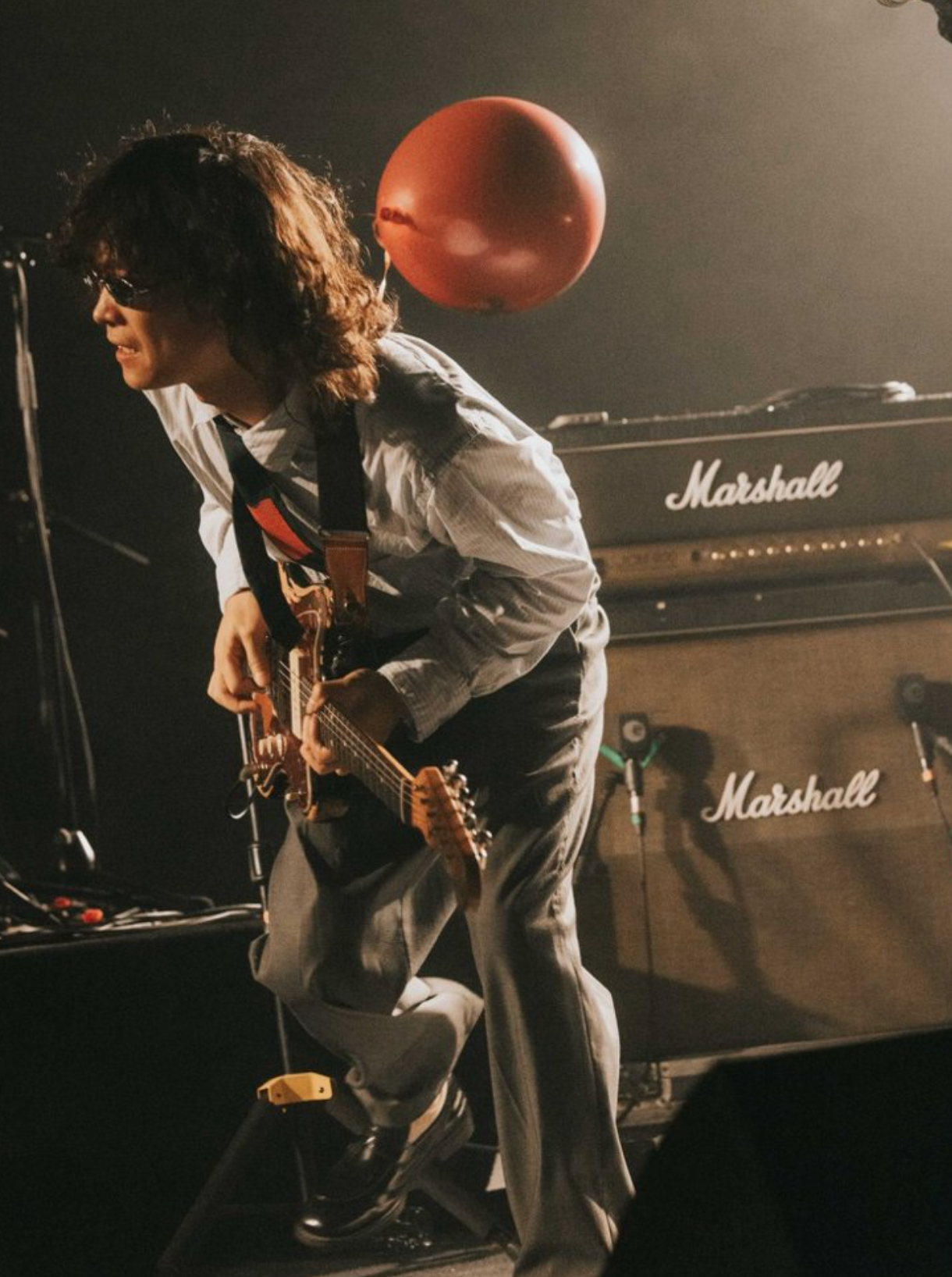
RADII features Marshall's KEEP LIVE MUSIC ALIVE — 守住现场 festival in Chengdu.
Characterless’ vocalist Ye Ji. Image via Marshall.

That message also runs through tiny details of the band’s performances: a rehearsal room filled with fan gifts, or the red balloon hanging behind him during every show to remind everyone to stay childlike and soft-hearted.

When a Venue Becomes a Noodle Shop

Livehouses are where these kinds of idiosyncrasies can survive. At a bigger concert, a band has to hit its marks and make the most of a limited set time. In a smaller room, they can experiment, talk to the audience, and let awkward, funny, or overly earnest moments breathe.

That is why the closure of a single venue can feel so personal.

Like many bands of their generation, Characterless have already seen important spaces disappear. One of the most indelible memories they carry is from Xiyou, a venue in Xinjiang that had operated for around a decade before closing down. The space later became a noodle shop.

Characterless played Xiyou’s final show.

“Wherever you are, you need small venues—venues with personality,” the band says. “That’s where music can make its most real and direct sound. A lot of music was born there.”

In that context, Marshall’s “KEEP LIVE MUSIC ALIVE” slogan lands as more than a brand message. It points to what is actually at stake. Independent venues often take risks that larger and more polished spaces will not: booking bands with no proven audience, trying out unexpected lineups, and making room for niche communities that may not appear commercially attractive on paper.
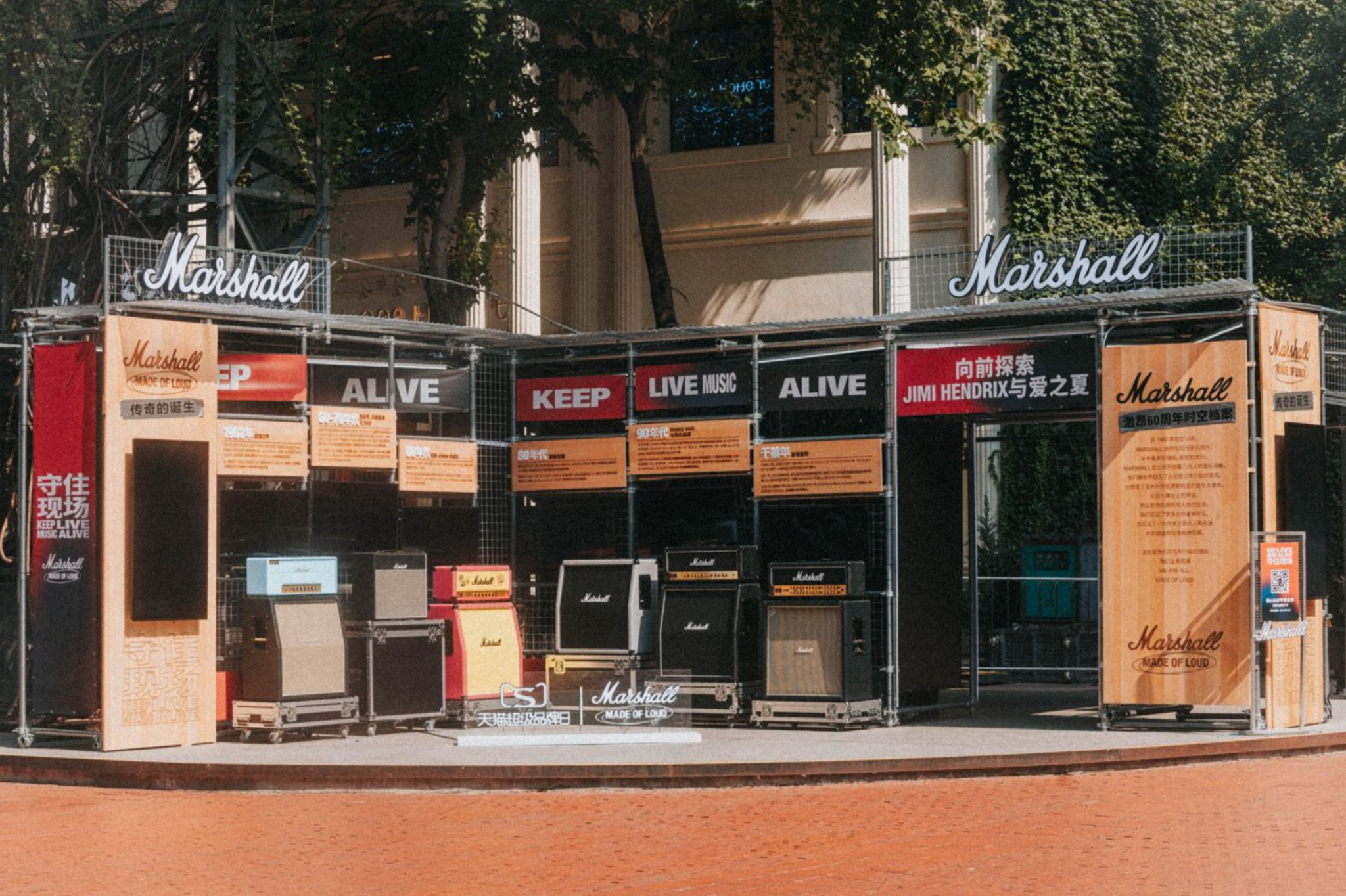
RADII features Marshall's KEEP LIVE MUSIC ALIVE — 守住现场 festival in Chengdu.
Image via Marshall.

When those spaces close, you lose more than a room with a stage. You lose the backstage conversations that might turn into new projects, the first shows that make a young musician feel they might have a future, and the regular audience members who then become part of a scene.

Chengdu in da House

Reading until now, a lot of you might wonder: Why choose Chengdu as the launch city? It wasn’t an accident. Long before it became a marketing shorthand for a “laid-back lifestyle,” the city was known for a culture that gives musicians time and space to be creative.
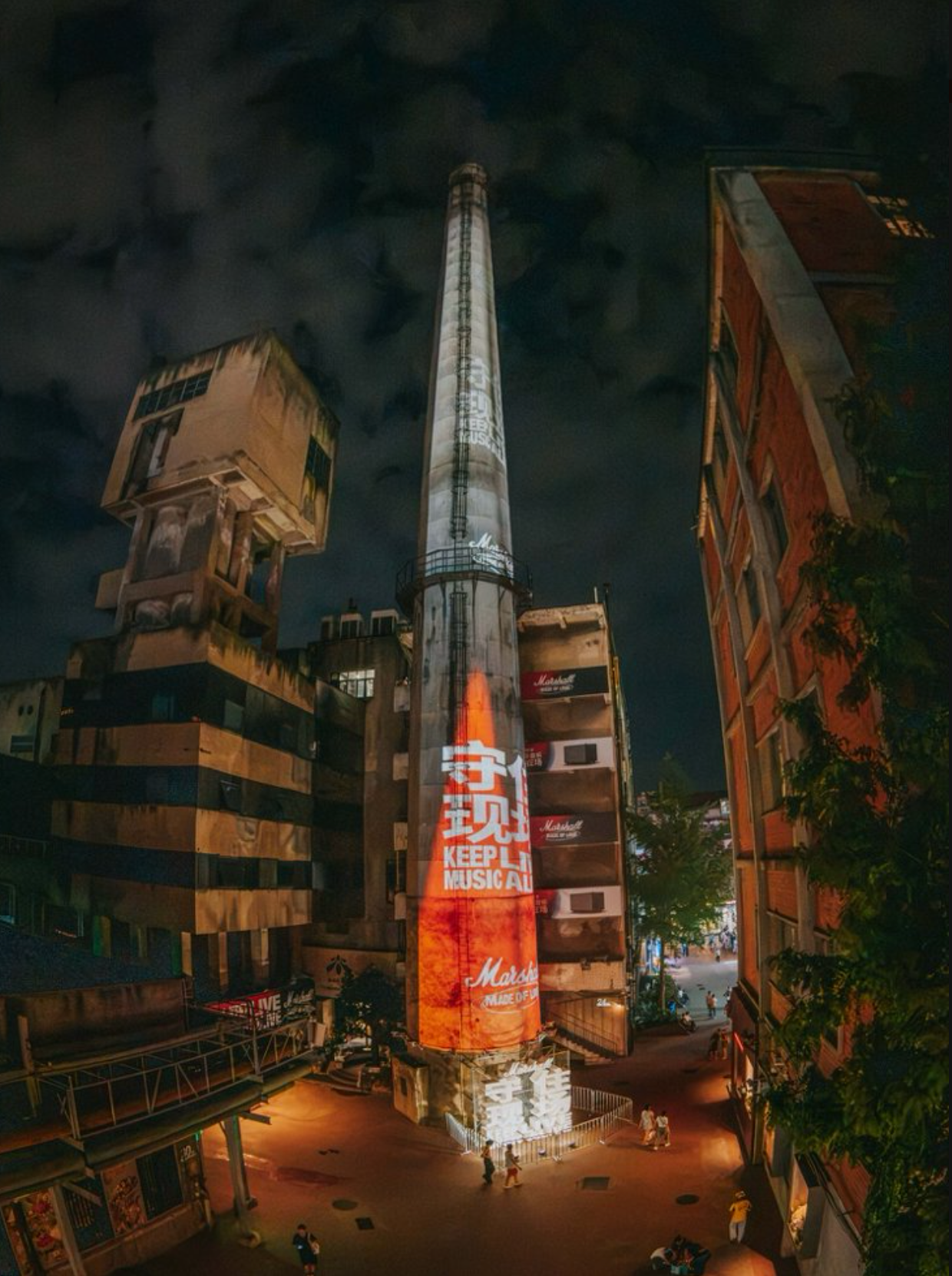
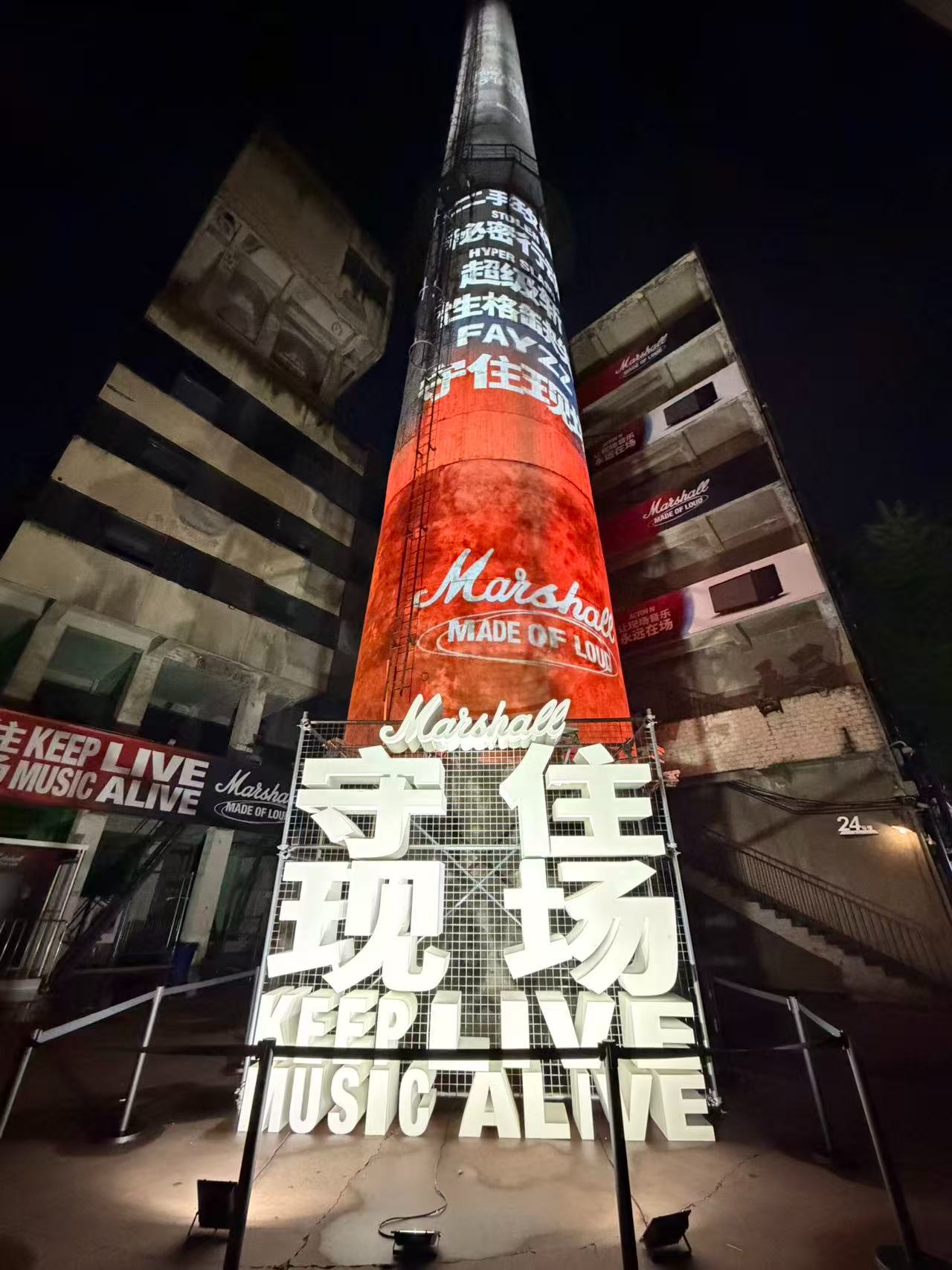
If Beijing and Shanghai were once seen as the engines of China’s mainstream music industry, Chengdu carved out a parallel reputation as a grassroots music capital. It is a place where rehearsal rooms, jam bars, and livehouses made it possible for niche genres to find loyal micro-audiences. Eastern Suburb Memory itself, built on the site of the former Hongguang Electron Tube Factory, has evolved into a major cultural park that centers music, performance, and creative industries.

Launching “KEEP LIVE MUSIC ALIVE” here made the festival feel less like a parachuted-in brand activation and more like an amplification of something that already existed. For fans, that meant the event felt rooted in familiar geography rather than in a generic festival field; for venues and bands, it offered a temporary platform where local realities could be seen and heard at a national level.
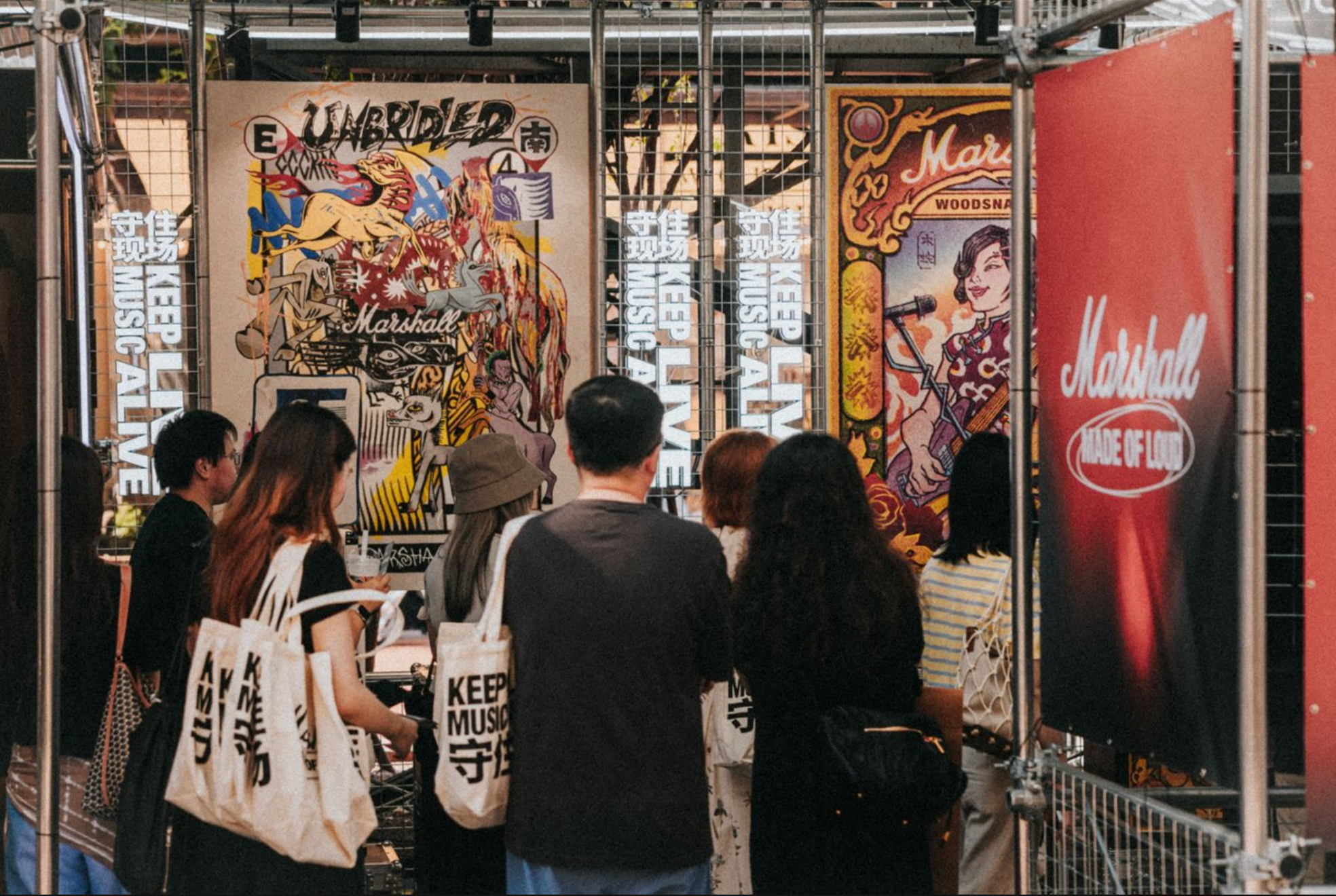
RADII features Marshall's KEEP LIVE MUSIC ALIVE — 守住现场 festival in Chengdu.
Image via Marshall.

For six days, Eastern Suburb Memory became a compressed version of China’s live music ecosystem: legendary acts and emerging bands, venues and labels, fans and industry workers, a global brand and local partners. Together, they made a case that “keeping live music alive” is not just about preserving nostalgia for a guitar-and-amp era, but about making sure future bands still have somewhere to start.

Cover image via Marshall.

NEWSLETTER

Get weekly top picks and exclusive, newsletter only content delivered straight to you inbox.

NEWSLETTER

Get weekly top picks and exclusive, newsletter only content delivered straight to you inbox.

RADII NEWSLETTER

Get weekly top picks and exclusive, newsletter only content delivered straight to you inbox

Feature image of Chengdu’s Biggest-Ever Festival Bets on the Future of China’s Livehouses

Chengdu’s Biggest-Ever Festival Bets on the Future of China’s Livehouses

5 mins read

From disappearing noodle-shop venues to packed festival stages, Chengdu’s live music scene shows why keeping the underground alive still matters.

Earlier this month, rain came down hard over Chengdu. The air was humid, but the city was loud. At Eastern Suburb Memory, the sound came in layers: drums and guitars from the stage, cheers from the crowd, the soft crackle of vinyl records, and conversations drifting between exhibitions and pop-up booths.

As Marshall’s “KEEP LIVE MUSIC ALIVE — 守住现场” campaign entered its final day, Eastern Suburb Memory became a meeting point for different generations of China’s live music scene. The former factory complex, now a cultural district, filled with fans moving between exhibitions, daytime sets, and interactive installations before gathering at the main stage at 7 PM. Last year, RADII visited Marshall Livehouse in Bangkok, the brand’s multilevel music venue and community space. This year in Chengdu, that same interest in connecting artists, audiences, and local music culture played out on a much larger scale.

For more than six decades, Marshall has been part of the live music world, initially through the amplifiers that became fixtures on rock stages and later through speakers, headphones, and community-led music projects. The “KEEP LIVE MUSIC ALIVE” campaign builds on that legacy by focusing on the people and places behind a healthy music scene: artists, fans, independent venues, and local creative communities. In Chengdu, Marshall partnered with Tmall for a six-day festival featuring live performances, exhibitions, listening sessions, workshops, and the Marshall Village, where venues and labels from across China came together.

For many Chinese rock bands, spaces like this are where music begins: in small venues where new groups play their first shows, experiment with their sound, and gradually find an audience. They are also places where strangers become a community, brought together by a shared song or performance. This time, we were invited to be part of it, to experience the noise, energy, and lasting vitality of live music as it happened.

The night’s lineup brought together veteran rock band Second Hand Rose from China’s northeast, alongside Zhejiang’s Characterless, Guangzhou’s Hyper Slash, and Chengdu acts Fayzz and STOLEN. Each band brought something different to the stage, but their journeys share a familiar thread. Their rise reflects the development of live music in China itself: from scattered underground performances to today’s growing network of livehouses, music festivals, and national tours.

On Chengdu’s stage, that history was not just something to look back on. You could feel it in real time.

RADII features Marshall's KEEP LIVE MUSIC ALIVE — 守住现场 festival in Chengdu.
Second Hand Rose on Stage. Image via Marshall.

“Don’t Be Anxious About Imperfect Personalities”

Among the emerging acts, we chatted with Characterless (性格缺失), a band from the mountainous south of Zhejiang province. The grounded conversation offered their perspective on what it means to grow up within China’s livehouse ecosystem.

RADII features Marshall's KEEP LIVE MUSIC ALIVE — 守住现场 festival in Chengdu.
RADII’s interview with Band Characterless.

The band came together three years ago almost by coincidence. Vocalist Ye Ji and drummer Gong Li initially just wanted to “play around for a bit,” they told us. But gradually, it became serious, and it was fans who pushed things forward, amplifying their songs through self-media and word-of-mouth until the 2025 city tour finally put them on a much wider map.

RADII features Marshall's KEEP LIVE MUSIC ALIVE — 守住现场 festival in Chengdu.
Characterless taking a bow on stage. Image via Marshall.

Their band name, Characterless (性格缺失), literally translates to “lack” or “deficiency” of personality. It sounds bleak at first, but the band sees it differently. They spoke openly about struggling to manage their own emotions in the early days, in ways that were sometimes obvious and sometimes invisible to others.

For Ye Ji, the name is a response to the pressure many young people feel to always appear emotionally stable, confident, and complete.

“You don’t need to be anxious about the imperfections in your character,” Ji says.

RADII features Marshall's KEEP LIVE MUSIC ALIVE — 守住现场 festival in Chengdu.
Characterless’ vocalist Ye Ji. Image via Marshall.

That message also runs through tiny details of the band’s performances: a rehearsal room filled with fan gifts, or the red balloon hanging behind him during every show to remind everyone to stay childlike and soft-hearted.

When a Venue Becomes a Noodle Shop

Livehouses are where these kinds of idiosyncrasies can survive. At a bigger concert, a band has to hit its marks and make the most of a limited set time. In a smaller room, they can experiment, talk to the audience, and let awkward, funny, or overly earnest moments breathe.

That is why the closure of a single venue can feel so personal.

Like many bands of their generation, Characterless have already seen important spaces disappear. One of the most indelible memories they carry is from Xiyou, a venue in Xinjiang that had operated for around a decade before closing down. The space later became a noodle shop.

Characterless played Xiyou’s final show.

“Wherever you are, you need small venues—venues with personality,” the band says. “That’s where music can make its most real and direct sound. A lot of music was born there.”

In that context, Marshall’s “KEEP LIVE MUSIC ALIVE” slogan lands as more than a brand message. It points to what is actually at stake. Independent venues often take risks that larger and more polished spaces will not: booking bands with no proven audience, trying out unexpected lineups, and making room for niche communities that may not appear commercially attractive on paper.

RADII features Marshall's KEEP LIVE MUSIC ALIVE — 守住现场 festival in Chengdu.
Image via Marshall.

When those spaces close, you lose more than a room with a stage. You lose the backstage conversations that might turn into new projects, the first shows that make a young musician feel they might have a future, and the regular audience members who then become part of a scene.

Chengdu in da House

Reading until now, a lot of you might wonder: Why choose Chengdu as the launch city? It wasn’t an accident. Long before it became a marketing shorthand for a “laid-back lifestyle,” the city was known for a culture that gives musicians time and space to be creative.

If Beijing and Shanghai were once seen as the engines of China’s mainstream music industry, Chengdu carved out a parallel reputation as a grassroots music capital. It is a place where rehearsal rooms, jam bars, and livehouses made it possible for niche genres to find loyal micro-audiences. Eastern Suburb Memory itself, built on the site of the former Hongguang Electron Tube Factory, has evolved into a major cultural park that centers music, performance, and creative industries.

Launching “KEEP LIVE MUSIC ALIVE” here made the festival feel less like a parachuted-in brand activation and more like an amplification of something that already existed. For fans, that meant the event felt rooted in familiar geography rather than in a generic festival field; for venues and bands, it offered a temporary platform where local realities could be seen and heard at a national level.

RADII features Marshall's KEEP LIVE MUSIC ALIVE — 守住现场 festival in Chengdu.
Image via Marshall.

For six days, Eastern Suburb Memory became a compressed version of China’s live music ecosystem: legendary acts and emerging bands, venues and labels, fans and industry workers, a global brand and local partners. Together, they made a case that “keeping live music alive” is not just about preserving nostalgia for a guitar-and-amp era, but about making sure future bands still have somewhere to start.

Cover image via Marshall.
NEWSLETTER

Get weekly top picks and exclusive, newsletter only content delivered straight to you inbox.

RADII NEWSLETTER

Get weekly top picks and exclusive, newsletter only content delivered straight to you inbox

RELATED POSTS

Feature image of Chengdu’s Biggest-Ever Festival Bets on the Future of China’s Livehouses

Chengdu’s Biggest-Ever Festival Bets on the Future of China’s Livehouses

5 mins read

5 mins read

Feature image of Chengdu’s Biggest-Ever Festival Bets on the Future of China’s Livehouses
From disappearing noodle-shop venues to packed festival stages, Chengdu’s live music scene shows why keeping the underground alive still matters.

Earlier this month, rain came down hard over Chengdu. The air was humid, but the city was loud. At Eastern Suburb Memory, the sound came in layers: drums and guitars from the stage, cheers from the crowd, the soft crackle of vinyl records, and conversations drifting between exhibitions and pop-up booths.

As Marshall’s “KEEP LIVE MUSIC ALIVE — 守住现场” campaign entered its final day, Eastern Suburb Memory became a meeting point for different generations of China’s live music scene. The former factory complex, now a cultural district, filled with fans moving between exhibitions, daytime sets, and interactive installations before gathering at the main stage at 7 PM. Last year, RADII visited Marshall Livehouse in Bangkok, the brand’s multilevel music venue and community space. This year in Chengdu, that same interest in connecting artists, audiences, and local music culture played out on a much larger scale.

For more than six decades, Marshall has been part of the live music world, initially through the amplifiers that became fixtures on rock stages and later through speakers, headphones, and community-led music projects. The “KEEP LIVE MUSIC ALIVE” campaign builds on that legacy by focusing on the people and places behind a healthy music scene: artists, fans, independent venues, and local creative communities. In Chengdu, Marshall partnered with Tmall for a six-day festival featuring live performances, exhibitions, listening sessions, workshops, and the Marshall Village, where venues and labels from across China came together.

For many Chinese rock bands, spaces like this are where music begins: in small venues where new groups play their first shows, experiment with their sound, and gradually find an audience. They are also places where strangers become a community, brought together by a shared song or performance. This time, we were invited to be part of it, to experience the noise, energy, and lasting vitality of live music as it happened.

The night’s lineup brought together veteran rock band Second Hand Rose from China’s northeast, alongside Zhejiang’s Characterless, Guangzhou’s Hyper Slash, and Chengdu acts Fayzz and STOLEN. Each band brought something different to the stage, but their journeys share a familiar thread. Their rise reflects the development of live music in China itself: from scattered underground performances to today’s growing network of livehouses, music festivals, and national tours.

On Chengdu’s stage, that history was not just something to look back on. You could feel it in real time.

RADII features Marshall's KEEP LIVE MUSIC ALIVE — 守住现场 festival in Chengdu.
Second Hand Rose on Stage. Image via Marshall.

“Don’t Be Anxious About Imperfect Personalities”

Among the emerging acts, we chatted with Characterless (性格缺失), a band from the mountainous south of Zhejiang province. The grounded conversation offered their perspective on what it means to grow up within China’s livehouse ecosystem.

RADII features Marshall's KEEP LIVE MUSIC ALIVE — 守住现场 festival in Chengdu.
RADII’s interview with Band Characterless.

The band came together three years ago almost by coincidence. Vocalist Ye Ji and drummer Gong Li initially just wanted to “play around for a bit,” they told us. But gradually, it became serious, and it was fans who pushed things forward, amplifying their songs through self-media and word-of-mouth until the 2025 city tour finally put them on a much wider map.

RADII features Marshall's KEEP LIVE MUSIC ALIVE — 守住现场 festival in Chengdu.
Characterless taking a bow on stage. Image via Marshall.

Their band name, Characterless (性格缺失), literally translates to “lack” or “deficiency” of personality. It sounds bleak at first, but the band sees it differently. They spoke openly about struggling to manage their own emotions in the early days, in ways that were sometimes obvious and sometimes invisible to others.

For Ye Ji, the name is a response to the pressure many young people feel to always appear emotionally stable, confident, and complete.

“You don’t need to be anxious about the imperfections in your character,” Ji says.

RADII features Marshall's KEEP LIVE MUSIC ALIVE — 守住现场 festival in Chengdu.
Characterless’ vocalist Ye Ji. Image via Marshall.

That message also runs through tiny details of the band’s performances: a rehearsal room filled with fan gifts, or the red balloon hanging behind him during every show to remind everyone to stay childlike and soft-hearted.

When a Venue Becomes a Noodle Shop

Livehouses are where these kinds of idiosyncrasies can survive. At a bigger concert, a band has to hit its marks and make the most of a limited set time. In a smaller room, they can experiment, talk to the audience, and let awkward, funny, or overly earnest moments breathe.

That is why the closure of a single venue can feel so personal.

Like many bands of their generation, Characterless have already seen important spaces disappear. One of the most indelible memories they carry is from Xiyou, a venue in Xinjiang that had operated for around a decade before closing down. The space later became a noodle shop.

Characterless played Xiyou’s final show.

“Wherever you are, you need small venues—venues with personality,” the band says. “That’s where music can make its most real and direct sound. A lot of music was born there.”

In that context, Marshall’s “KEEP LIVE MUSIC ALIVE” slogan lands as more than a brand message. It points to what is actually at stake. Independent venues often take risks that larger and more polished spaces will not: booking bands with no proven audience, trying out unexpected lineups, and making room for niche communities that may not appear commercially attractive on paper.

RADII features Marshall's KEEP LIVE MUSIC ALIVE — 守住现场 festival in Chengdu.
Image via Marshall.

When those spaces close, you lose more than a room with a stage. You lose the backstage conversations that might turn into new projects, the first shows that make a young musician feel they might have a future, and the regular audience members who then become part of a scene.

Chengdu in da House

Reading until now, a lot of you might wonder: Why choose Chengdu as the launch city? It wasn’t an accident. Long before it became a marketing shorthand for a “laid-back lifestyle,” the city was known for a culture that gives musicians time and space to be creative.

If Beijing and Shanghai were once seen as the engines of China’s mainstream music industry, Chengdu carved out a parallel reputation as a grassroots music capital. It is a place where rehearsal rooms, jam bars, and livehouses made it possible for niche genres to find loyal micro-audiences. Eastern Suburb Memory itself, built on the site of the former Hongguang Electron Tube Factory, has evolved into a major cultural park that centers music, performance, and creative industries.

Launching “KEEP LIVE MUSIC ALIVE” here made the festival feel less like a parachuted-in brand activation and more like an amplification of something that already existed. For fans, that meant the event felt rooted in familiar geography rather than in a generic festival field; for venues and bands, it offered a temporary platform where local realities could be seen and heard at a national level.

RADII features Marshall's KEEP LIVE MUSIC ALIVE — 守住现场 festival in Chengdu.
Image via Marshall.

For six days, Eastern Suburb Memory became a compressed version of China’s live music ecosystem: legendary acts and emerging bands, venues and labels, fans and industry workers, a global brand and local partners. Together, they made a case that “keeping live music alive” is not just about preserving nostalgia for a guitar-and-amp era, but about making sure future bands still have somewhere to start.

Cover image via Marshall.
NEWSLETTER

Get weekly top picks and exclusive, newsletter only content delivered straight to you inbox.

NEWSLETTER

Get weekly top picks and exclusive, newsletter only content delivered straight to you inbox.

RADII NEWSLETTER

Get weekly top picks and exclusive, newsletter only content delivered straight to you inbox

Feature image of Chengdu’s Biggest-Ever Festival Bets on the Future of China’s Livehouses

Chengdu’s Biggest-Ever Festival Bets on the Future of China’s Livehouses

5 mins read

From disappearing noodle-shop venues to packed festival stages, Chengdu’s live music scene shows why keeping the underground alive still matters.

Earlier this month, rain came down hard over Chengdu. The air was humid, but the city was loud. At Eastern Suburb Memory, the sound came in layers: drums and guitars from the stage, cheers from the crowd, the soft crackle of vinyl records, and conversations drifting between exhibitions and pop-up booths.

As Marshall’s “KEEP LIVE MUSIC ALIVE — 守住现场” campaign entered its final day, Eastern Suburb Memory became a meeting point for different generations of China’s live music scene. The former factory complex, now a cultural district, filled with fans moving between exhibitions, daytime sets, and interactive installations before gathering at the main stage at 7 PM. Last year, RADII visited Marshall Livehouse in Bangkok, the brand’s multilevel music venue and community space. This year in Chengdu, that same interest in connecting artists, audiences, and local music culture played out on a much larger scale.

For more than six decades, Marshall has been part of the live music world, initially through the amplifiers that became fixtures on rock stages and later through speakers, headphones, and community-led music projects. The “KEEP LIVE MUSIC ALIVE” campaign builds on that legacy by focusing on the people and places behind a healthy music scene: artists, fans, independent venues, and local creative communities. In Chengdu, Marshall partnered with Tmall for a six-day festival featuring live performances, exhibitions, listening sessions, workshops, and the Marshall Village, where venues and labels from across China came together.

For many Chinese rock bands, spaces like this are where music begins: in small venues where new groups play their first shows, experiment with their sound, and gradually find an audience. They are also places where strangers become a community, brought together by a shared song or performance. This time, we were invited to be part of it, to experience the noise, energy, and lasting vitality of live music as it happened.

The night’s lineup brought together veteran rock band Second Hand Rose from China’s northeast, alongside Zhejiang’s Characterless, Guangzhou’s Hyper Slash, and Chengdu acts Fayzz and STOLEN. Each band brought something different to the stage, but their journeys share a familiar thread. Their rise reflects the development of live music in China itself: from scattered underground performances to today’s growing network of livehouses, music festivals, and national tours.

On Chengdu’s stage, that history was not just something to look back on. You could feel it in real time.

RADII features Marshall's KEEP LIVE MUSIC ALIVE — 守住现场 festival in Chengdu.
Second Hand Rose on Stage. Image via Marshall.

“Don’t Be Anxious About Imperfect Personalities”

Among the emerging acts, we chatted with Characterless (性格缺失), a band from the mountainous south of Zhejiang province. The grounded conversation offered their perspective on what it means to grow up within China’s livehouse ecosystem.

RADII features Marshall's KEEP LIVE MUSIC ALIVE — 守住现场 festival in Chengdu.
RADII’s interview with Band Characterless.

The band came together three years ago almost by coincidence. Vocalist Ye Ji and drummer Gong Li initially just wanted to “play around for a bit,” they told us. But gradually, it became serious, and it was fans who pushed things forward, amplifying their songs through self-media and word-of-mouth until the 2025 city tour finally put them on a much wider map.

RADII features Marshall's KEEP LIVE MUSIC ALIVE — 守住现场 festival in Chengdu.
Characterless taking a bow on stage. Image via Marshall.

Their band name, Characterless (性格缺失), literally translates to “lack” or “deficiency” of personality. It sounds bleak at first, but the band sees it differently. They spoke openly about struggling to manage their own emotions in the early days, in ways that were sometimes obvious and sometimes invisible to others.

For Ye Ji, the name is a response to the pressure many young people feel to always appear emotionally stable, confident, and complete.

“You don’t need to be anxious about the imperfections in your character,” Ji says.

RADII features Marshall's KEEP LIVE MUSIC ALIVE — 守住现场 festival in Chengdu.
Characterless’ vocalist Ye Ji. Image via Marshall.

That message also runs through tiny details of the band’s performances: a rehearsal room filled with fan gifts, or the red balloon hanging behind him during every show to remind everyone to stay childlike and soft-hearted.

When a Venue Becomes a Noodle Shop

Livehouses are where these kinds of idiosyncrasies can survive. At a bigger concert, a band has to hit its marks and make the most of a limited set time. In a smaller room, they can experiment, talk to the audience, and let awkward, funny, or overly earnest moments breathe.

That is why the closure of a single venue can feel so personal.

Like many bands of their generation, Characterless have already seen important spaces disappear. One of the most indelible memories they carry is from Xiyou, a venue in Xinjiang that had operated for around a decade before closing down. The space later became a noodle shop.

Characterless played Xiyou’s final show.

“Wherever you are, you need small venues—venues with personality,” the band says. “That’s where music can make its most real and direct sound. A lot of music was born there.”

In that context, Marshall’s “KEEP LIVE MUSIC ALIVE” slogan lands as more than a brand message. It points to what is actually at stake. Independent venues often take risks that larger and more polished spaces will not: booking bands with no proven audience, trying out unexpected lineups, and making room for niche communities that may not appear commercially attractive on paper.

RADII features Marshall's KEEP LIVE MUSIC ALIVE — 守住现场 festival in Chengdu.
Image via Marshall.

When those spaces close, you lose more than a room with a stage. You lose the backstage conversations that might turn into new projects, the first shows that make a young musician feel they might have a future, and the regular audience members who then become part of a scene.

Chengdu in da House

Reading until now, a lot of you might wonder: Why choose Chengdu as the launch city? It wasn’t an accident. Long before it became a marketing shorthand for a “laid-back lifestyle,” the city was known for a culture that gives musicians time and space to be creative.

If Beijing and Shanghai were once seen as the engines of China’s mainstream music industry, Chengdu carved out a parallel reputation as a grassroots music capital. It is a place where rehearsal rooms, jam bars, and livehouses made it possible for niche genres to find loyal micro-audiences. Eastern Suburb Memory itself, built on the site of the former Hongguang Electron Tube Factory, has evolved into a major cultural park that centers music, performance, and creative industries.

Launching “KEEP LIVE MUSIC ALIVE” here made the festival feel less like a parachuted-in brand activation and more like an amplification of something that already existed. For fans, that meant the event felt rooted in familiar geography rather than in a generic festival field; for venues and bands, it offered a temporary platform where local realities could be seen and heard at a national level.

RADII features Marshall's KEEP LIVE MUSIC ALIVE — 守住现场 festival in Chengdu.
Image via Marshall.

For six days, Eastern Suburb Memory became a compressed version of China’s live music ecosystem: legendary acts and emerging bands, venues and labels, fans and industry workers, a global brand and local partners. Together, they made a case that “keeping live music alive” is not just about preserving nostalgia for a guitar-and-amp era, but about making sure future bands still have somewhere to start.

Cover image via Marshall.

NEWSLETTER

Get weekly top picks and exclusive, newsletter only content delivered straight to you inbox.

RADII NEWSLETTER

Get weekly top picks and exclusive, newsletter only content delivered straight to you inbox

RADII newsletter pop up visual

NEWSLETTER​

Get weekly top picks and exclusive, newsletter only content delivered straight to you inbox

RADII Newsletter Pop Up small banner

NEWSLETTER

Get weekly top picks and exclusive, newsletter only content delivered straight to you inbox.

Link Copied!

Share

Feature image of Chengdu’s Biggest-Ever Festival Bets on the Future of China’s Livehouses

Chengdu’s Biggest-Ever Festival Bets on the Future of China’s Livehouses

From disappearing noodle-shop venues to packed festival stages, Chengdu’s live music scene shows why keeping the underground alive still matters.

PULSE

Tap into the latest in music, fashion, art, design, entertainment, pop culture, celebrity news, and contemporary culture

DISCOVER

Embark on a journey through food, travel, wellness, heritage, traditional culture, and lifestyle

STYLE

An insider’s look at the intersection of fashion, art, and design

FEAST

Titillate your taste buds with coverage of the best food and drink trends from China and beyond.

FUTURE

Explore the cutting edge in tech, AI, gadgets, gaming, and innovative tech-related products

FEAST

Titillate your taste buds with coverage of the best food and drink trends from China and beyond

STYLE

An insider’s look at the intersection of fashion, art, and design

PULSE

Unpacking Chinese youth culture through coverage of nightlife, film, sports, celebrities, and the hottest new music