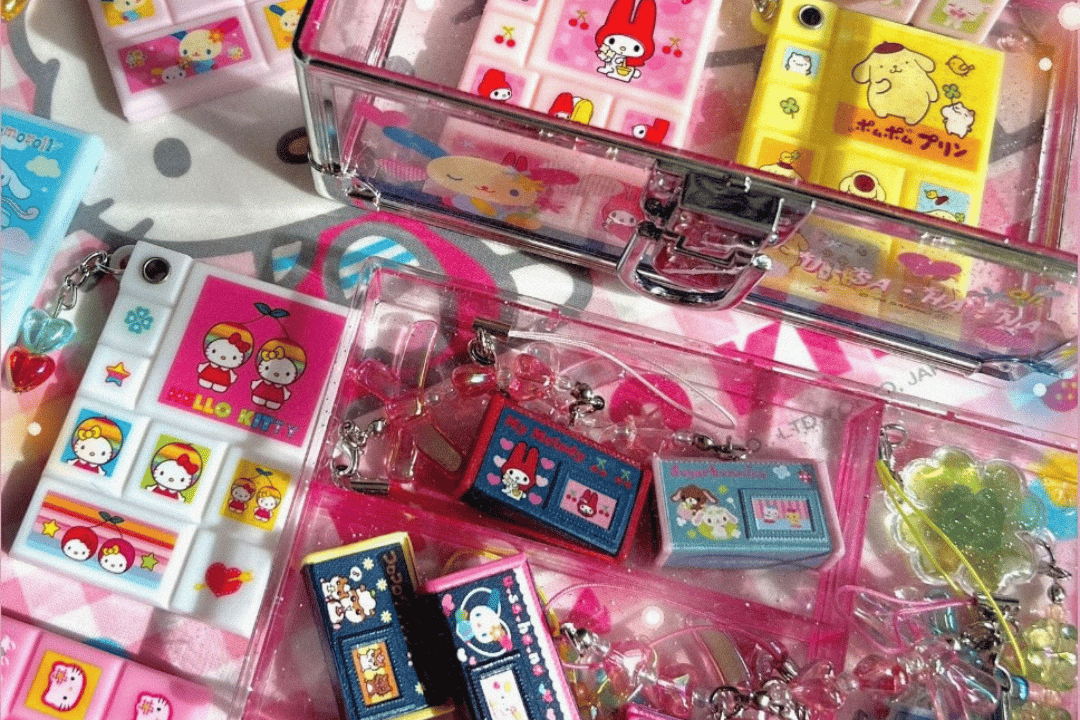

Feature image of The Childhood Objects Every Chinese Kid in the 2000s Knew

The Childhood Objects Every Chinese Kid in the 2000s Knew

4 mins read

4 mins read

Feature image of The Childhood Objects Every Chinese Kid in the 2000s Knew
From locked diaries to digital pets, these weird little objects captured what childhood looked like before smartphones took over

If you went to primary school in China in the early 2000s, there is a good chance you remember the same strange collection of objects: oversized plastic pencil cases, tiny diaries with combination locks, decorated classmate autograph books, Tamagotchis, magnetic construction toys, colorful water beads… the list goes on.

They were ordinary things, but together they formed a kind of childhood ecosystem. Before smartphones gave children mobile games, private spaces, digital pets, and endless entertainment, these little tangible objects did all of that themselves.
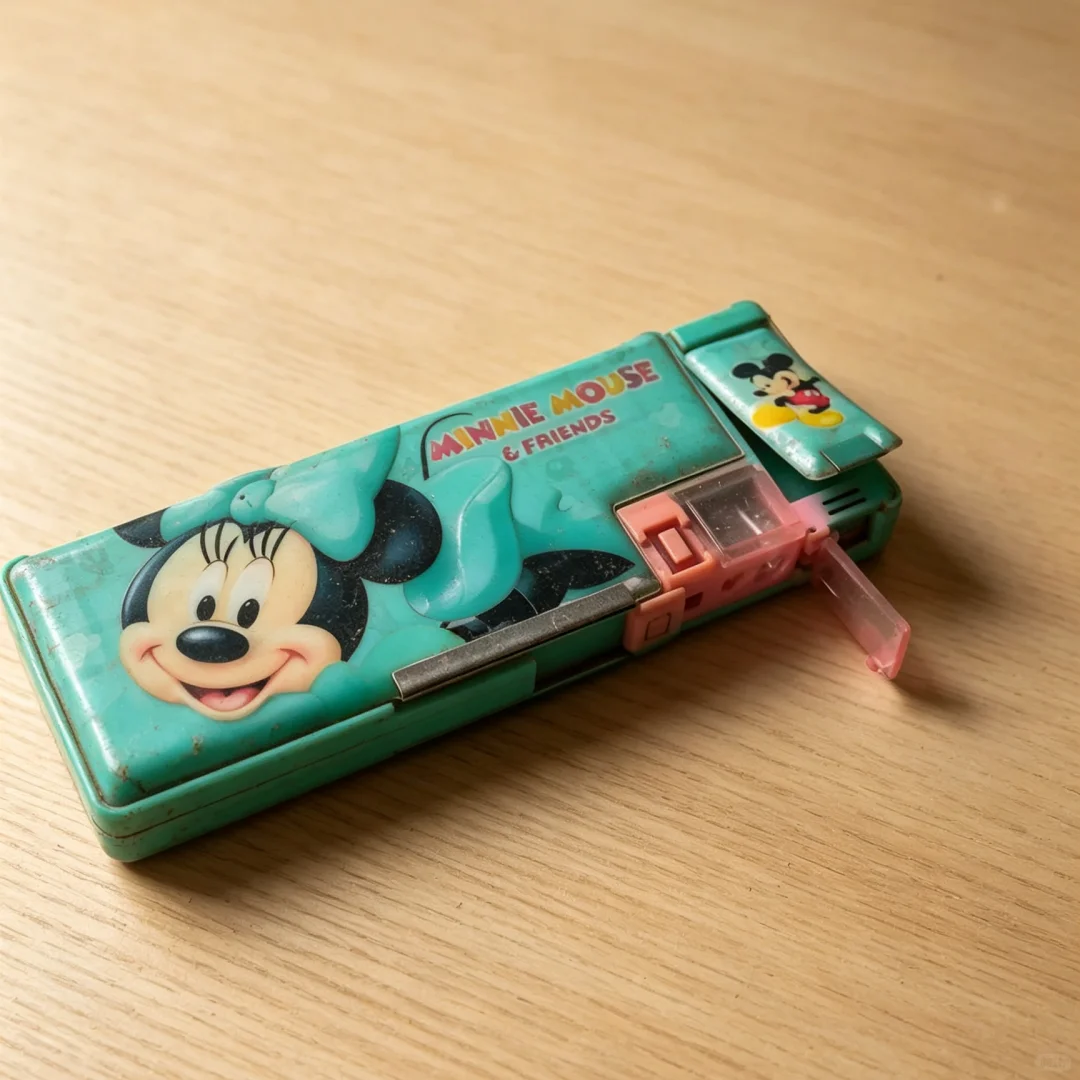
The pencil case was perhaps the most obvious example. It was never just something to put pencils and erasers in. These hard-shell plastic cases of the era came in elaborate, sometimes absurdly multifunctional designs, with buttons, sliding compartments, secret drawers, and even built-in sharpeners. Designs were also heavily gendered: pink, purple, and cartoon characters for girls; blue, racing cars, and robots for boys.

The cases became tiny expressions of personality. Your stationery could tell everyone who you were before you had a social media profile. A favorite cartoon character on a pencil case was also an early form of what we might now call IP—or otaku—culture, and the same was true of diary designs.
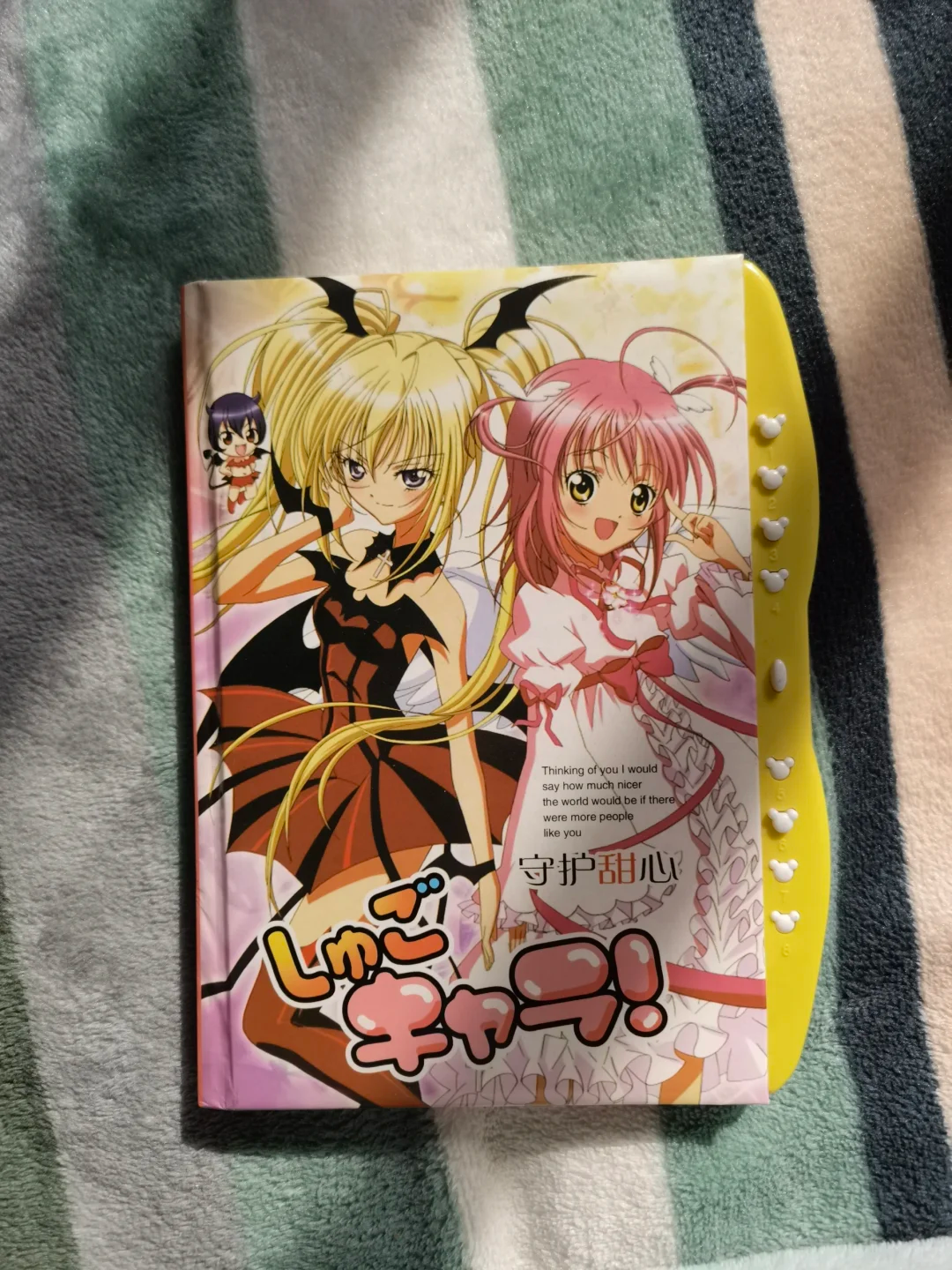
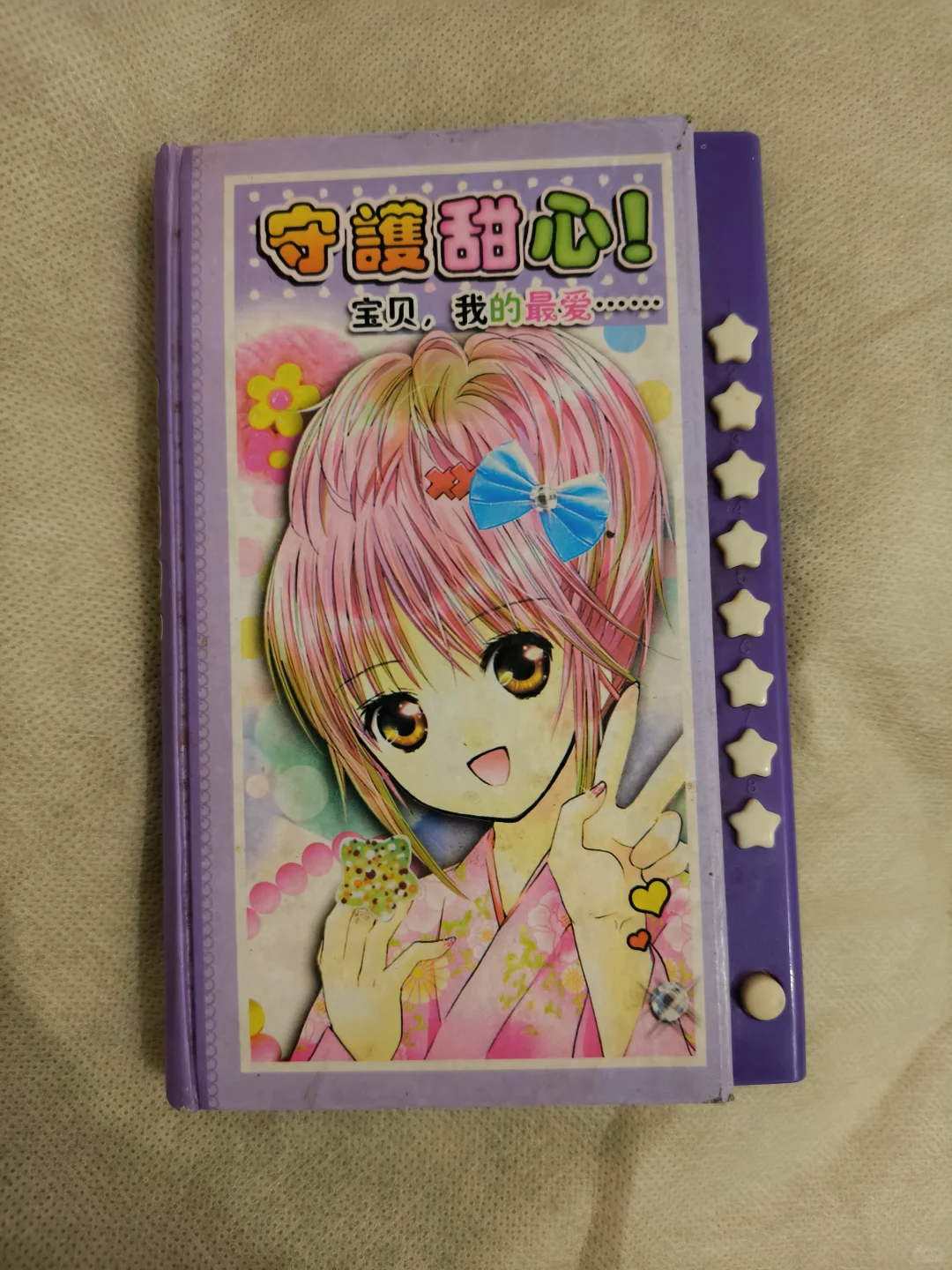
For many girls in particular, a diary with a tiny mechanical lock was one of the first objects that felt genuinely private. Some came with little keys, while others used three-digit combination locks. Anime characters such as Shugo Chara! were particularly popular motifs.

The funny thing is that many children had no real idea what they were protecting themselves from. As adults, some now joke that they spent so much effort choosing a password that they eventually forgot it themselves.

There is something almost poetic about that. We set up passwords to keep adults away from our childhood thoughts, only to grow up and become the adults who could no longer access those thoughts ourselves.
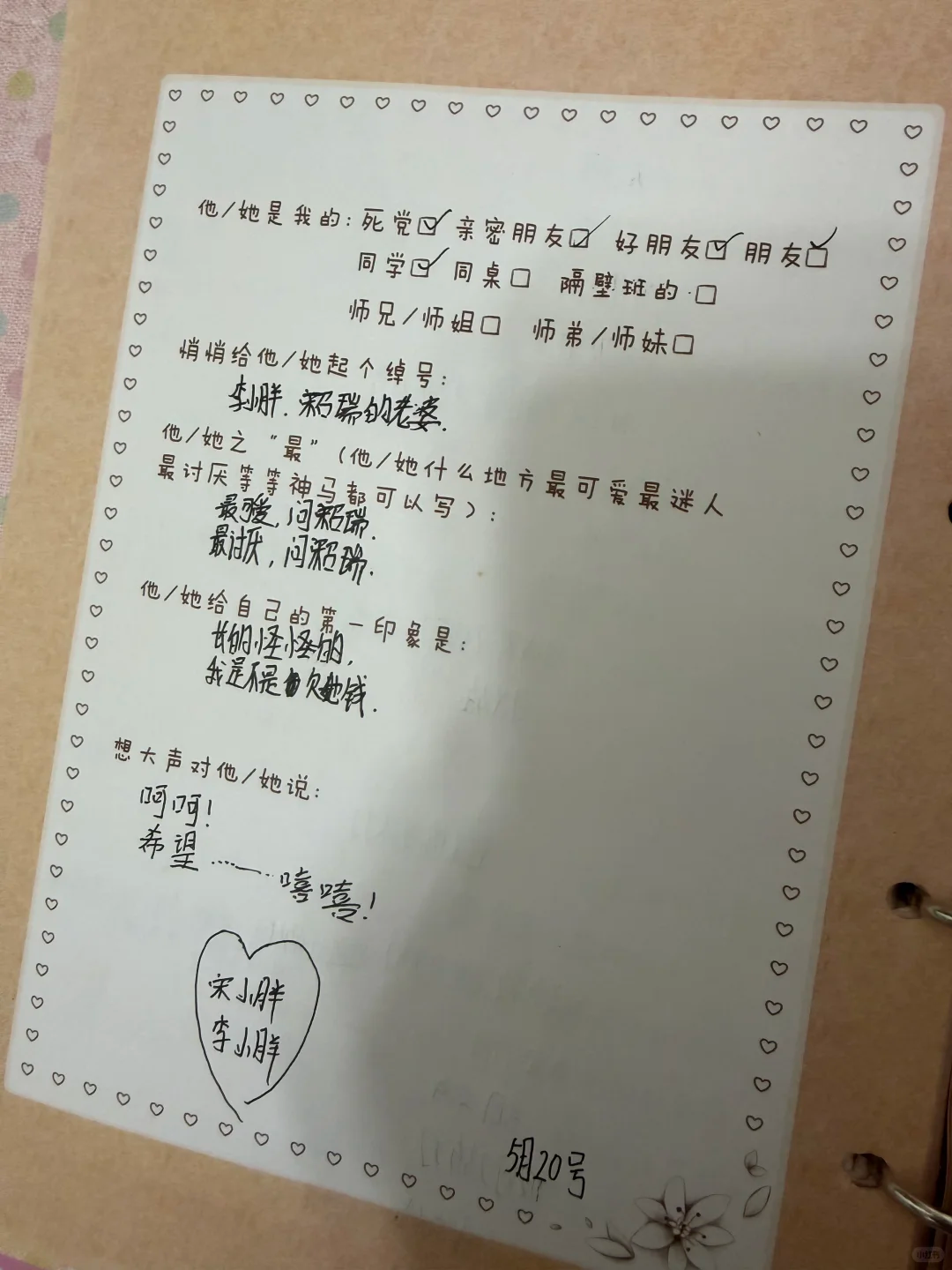
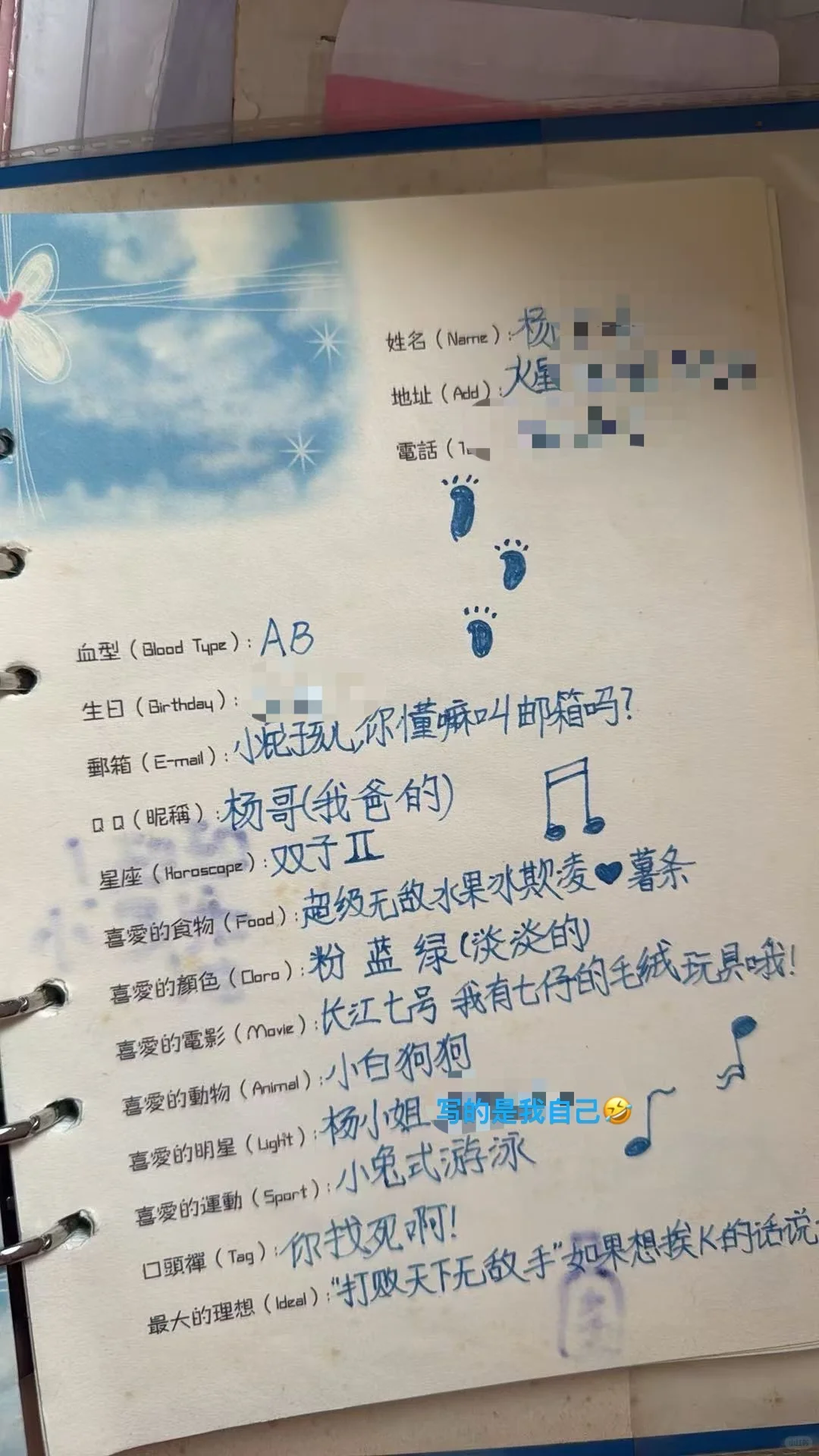
School memories were also stored collectively in the 同学录 (classmate autograph book). At the end of primary school, friends would pass these books around, filling in questions about their favorite food, hobbies, dreams, and impressions of one another. Pages were covered with stickers, glitter, drawings, and sometimes photographs.

Long before Instagram Stories or group chats, this was one of the ways children archived their friendships. And then there were the objects that existed for absolutely no practical reason other than being fun.

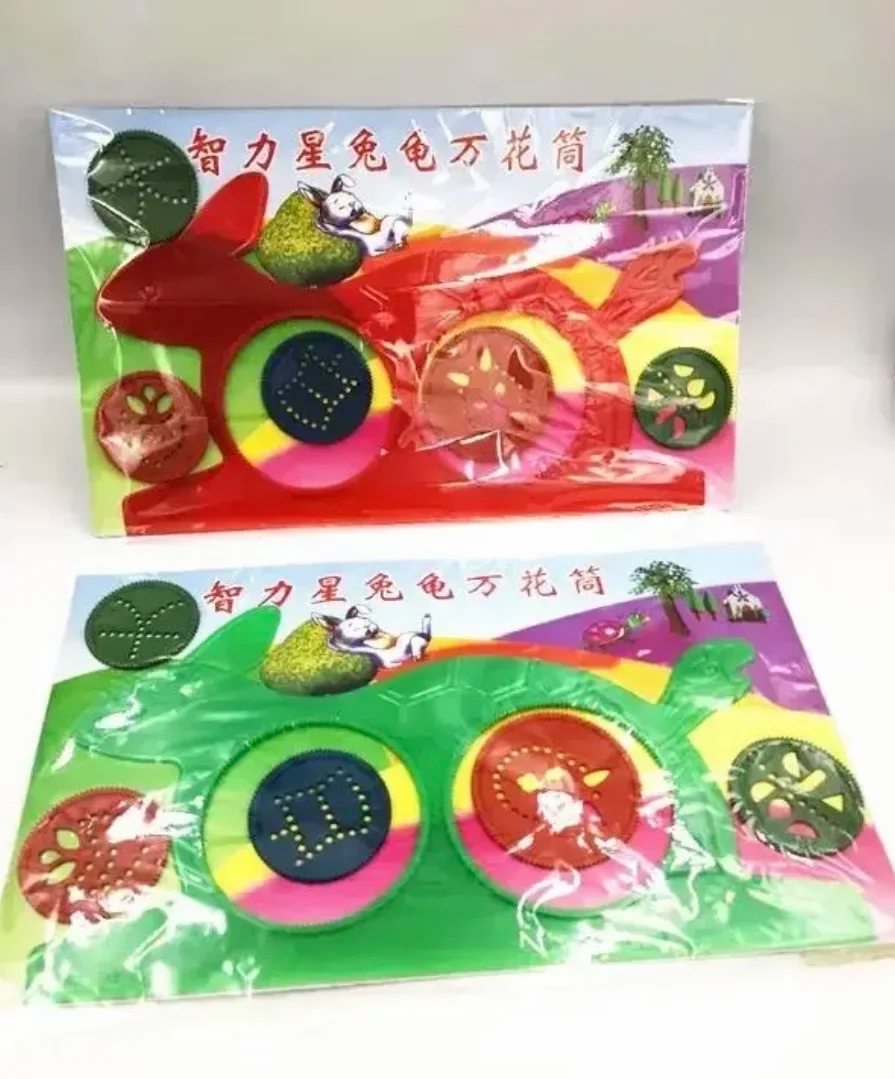
One favorite of its time was the 万花尺 (design ruler), a strange plastic drawing tool made from interlocking circles and holes. Put a pencil through one of the holes and move the inner gear around the outer frame, and it produces elaborate geometric patterns that look far more complicated than the simple movement required to make them. The technique is based on mathematical curves, but to a child, it was essentially magic.
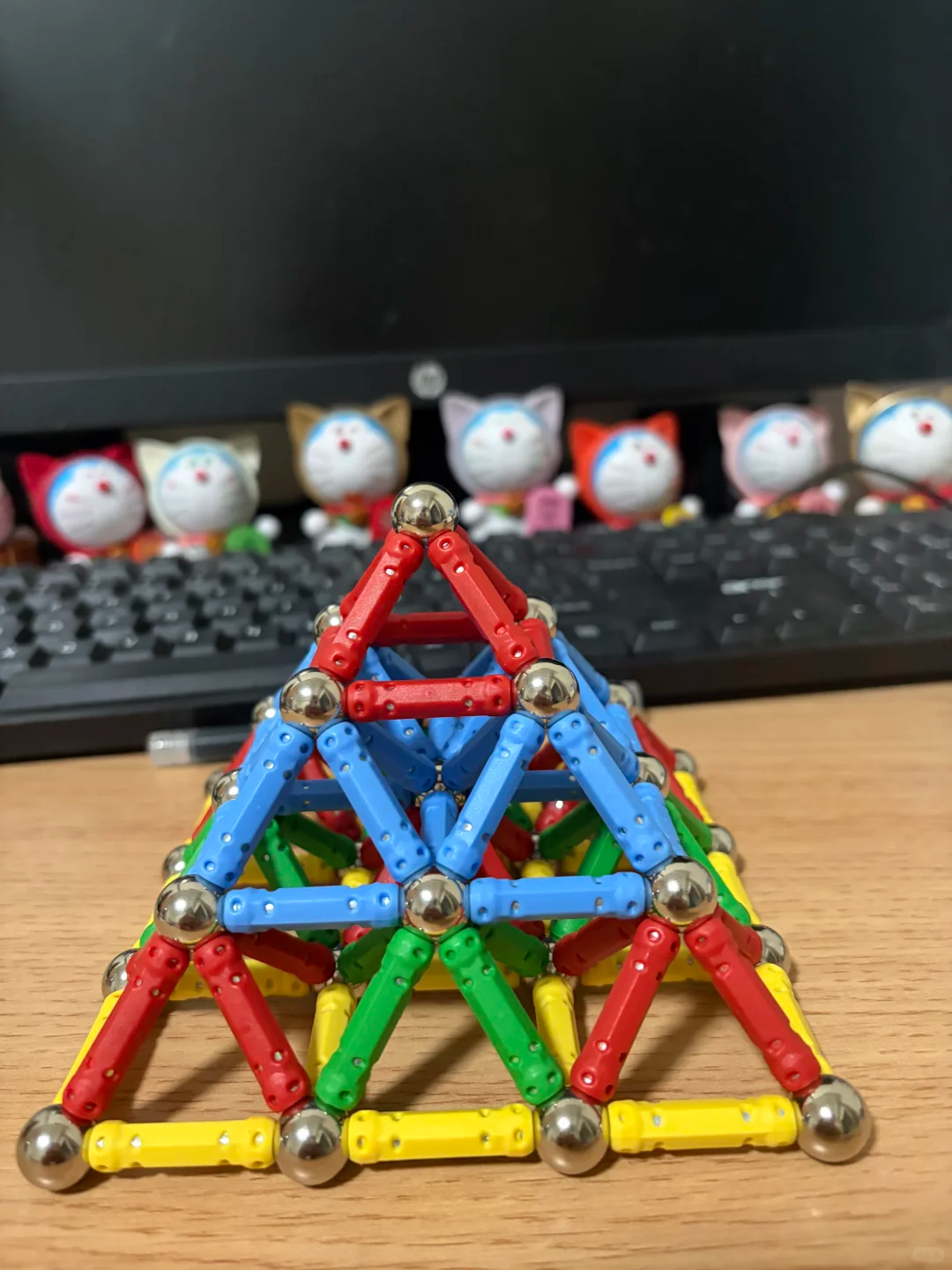
Magnetic sticks offered another kind of low-tech fascination. Small magnetic rods and metal or plastic balls could be connected into towers, cubes, and increasingly ambitious structures. They were almost like a child’s introduction to construction, geometry, and spatial thinking, without anyone calling it educational.
Moreover, Barbie offered a different kind of open-ended play. The doll itself was only the beginning. Children changed her clothes, gave her makeovers, invented relationships between characters, and constructed elaborate stories around them. The toy was effectively a tiny stage on which children could rehearse different versions of adult life. And then there was the object that took that same idea into the digital world: Tamagotchi.
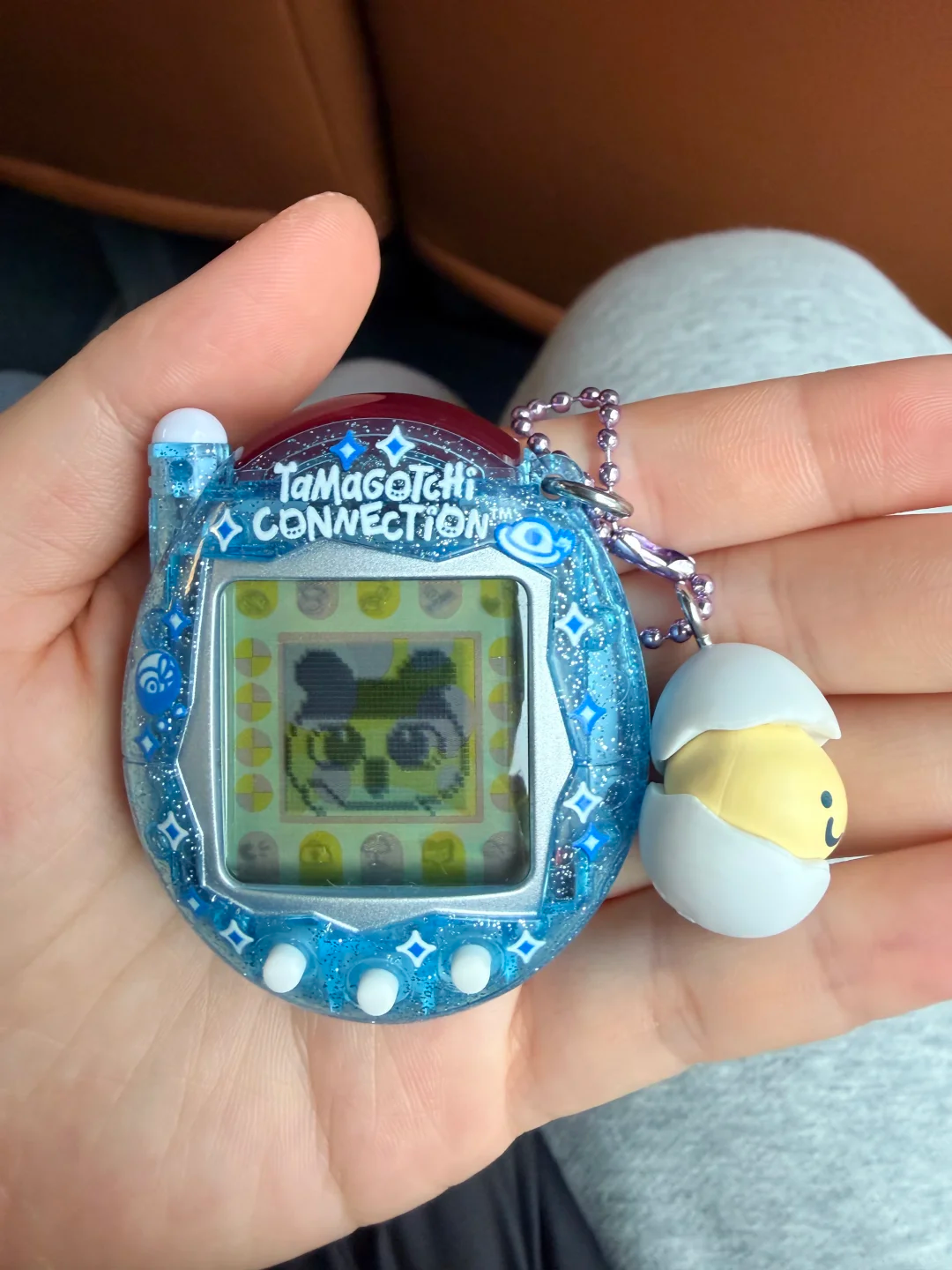
First released in Japan in 1996, Tamagotchi became a global phenomenon, with a second boom in the mid-2000s when the Tamagotchi Connection series became especially popular among children. In China, Tamagotchis and inexpensive imitations became a childhood craze, giving children a tiny digital pet to feed, clean, and care for before smartphones made virtual companionship commonplace.
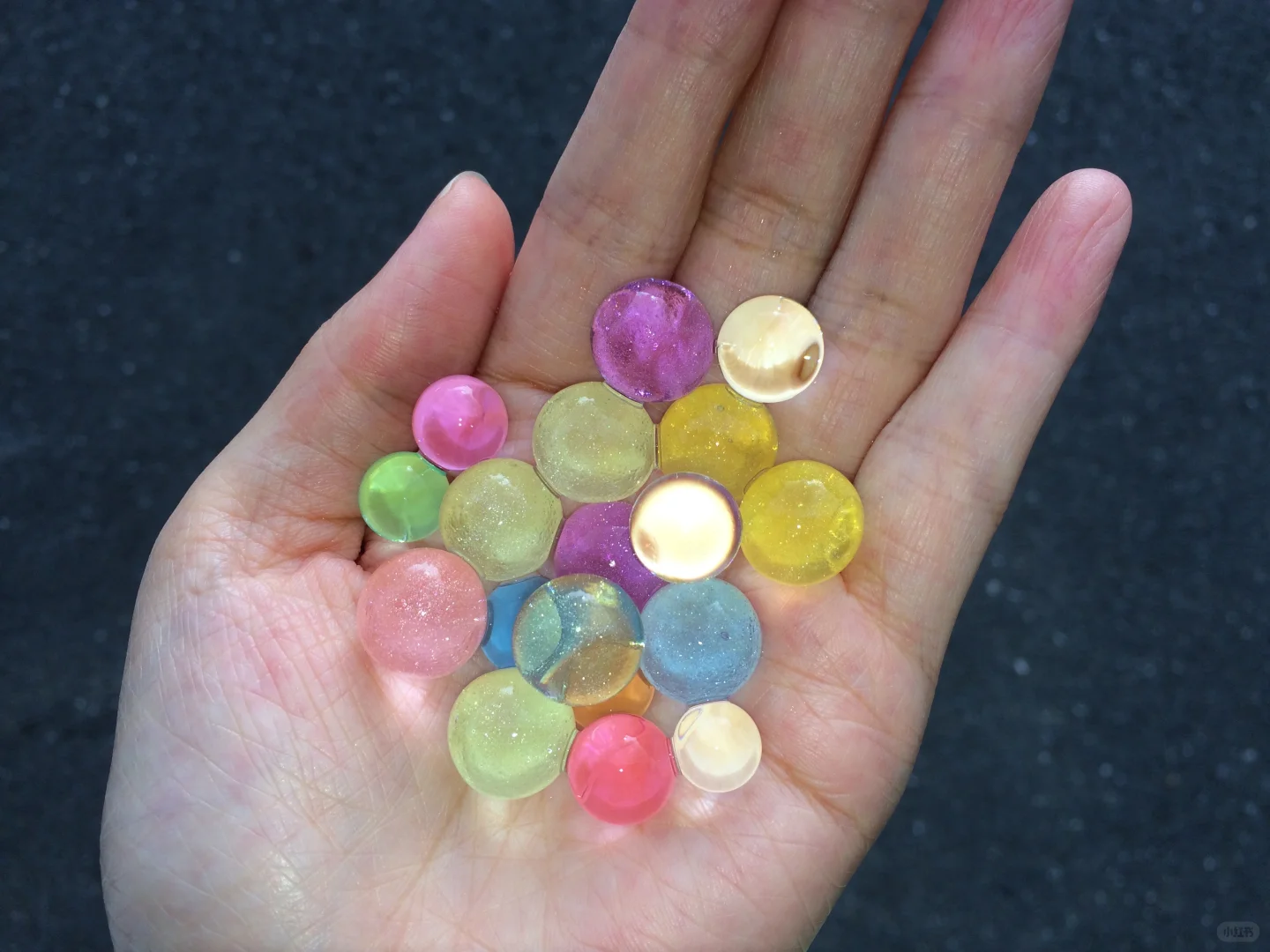
Some of the strangest childhood objects were less sophisticated. 水宝宝 (water babies), often sold as colorful water-absorbing beads, were tiny polymer balls that expanded dramatically when placed in water. Children collected them in different colors and watched them grow.

They were also responsible for a surprising number of household disasters. Some children poured them down sinks or toilets, where the beads could expand and cause blockages. In other words, even our childhood toys occasionally came with a built-in plumbing lesson.

And finally, there were the completely ridiculous prank toys: fake electronic chewing gum, shocking gadgets, fake insects, novelty toys shaped like toilets, and pencil cases designed to look like something they absolutely should not look like.
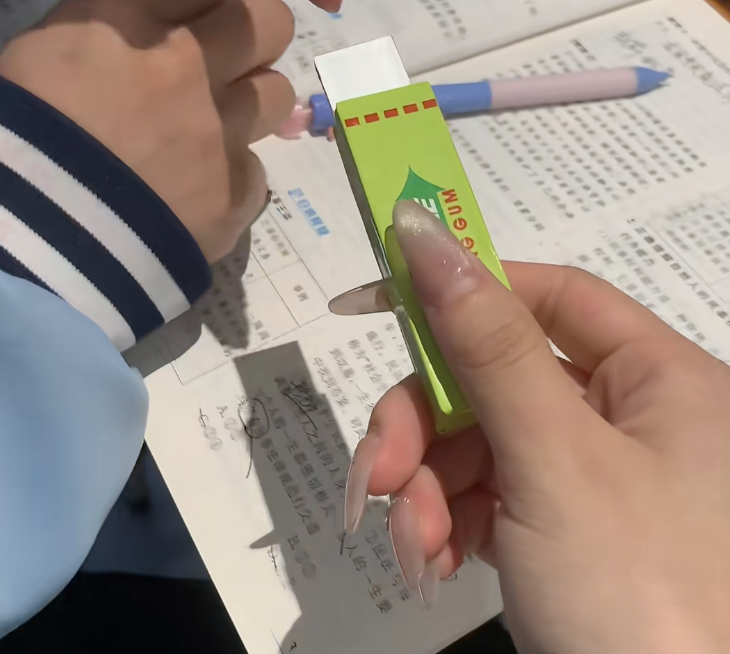
Ask a friend (or enemy) if they wanted a stick of gum, and they’d get quite a shock instead.

Looking back, these objects made us draw, build, write, care for the people around us, and even care for imaginary pets, rather than simply scroll through algorithmically recommended content. Maybe that is why, decades later, a ridiculous pink pencil case or a forgotten Tamagotchi can still feel like home.

All images via Xiaohongshu.

NEWSLETTER

Get weekly top picks and exclusive, newsletter only content delivered straight to you inbox.

NEWSLETTER

Get weekly top picks and exclusive, newsletter only content delivered straight to you inbox.

RADII NEWSLETTER

Get weekly top picks and exclusive, newsletter only content delivered straight to you inbox

Feature image of The Childhood Objects Every Chinese Kid in the 2000s Knew

The Childhood Objects Every Chinese Kid in the 2000s Knew

4 mins read

From locked diaries to digital pets, these weird little objects captured what childhood looked like before smartphones took over

If you went to primary school in China in the early 2000s, there is a good chance you remember the same strange collection of objects: oversized plastic pencil cases, tiny diaries with combination locks, decorated classmate autograph books, Tamagotchis, magnetic construction toys, colorful water beads… the list goes on.

They were ordinary things, but together they formed a kind of childhood ecosystem. Before smartphones gave children mobile games, private spaces, digital pets, and endless entertainment, these little tangible objects did all of that themselves.

The pencil case was perhaps the most obvious example. It was never just something to put pencils and erasers in. These hard-shell plastic cases of the era came in elaborate, sometimes absurdly multifunctional designs, with buttons, sliding compartments, secret drawers, and even built-in sharpeners. Designs were also heavily gendered: pink, purple, and cartoon characters for girls; blue, racing cars, and robots for boys.

The cases became tiny expressions of personality. Your stationery could tell everyone who you were before you had a social media profile. A favorite cartoon character on a pencil case was also an early form of what we might now call IP—or otaku—culture, and the same was true of diary designs.

For many girls in particular, a diary with a tiny mechanical lock was one of the first objects that felt genuinely private. Some came with little keys, while others used three-digit combination locks. Anime characters such as Shugo Chara! were particularly popular motifs.

The funny thing is that many children had no real idea what they were protecting themselves from. As adults, some now joke that they spent so much effort choosing a password that they eventually forgot it themselves.

There is something almost poetic about that. We set up passwords to keep adults away from our childhood thoughts, only to grow up and become the adults who could no longer access those thoughts ourselves.

School memories were also stored collectively in the 同学录 (classmate autograph book). At the end of primary school, friends would pass these books around, filling in questions about their favorite food, hobbies, dreams, and impressions of one another. Pages were covered with stickers, glitter, drawings, and sometimes photographs.

Long before Instagram Stories or group chats, this was one of the ways children archived their friendships. And then there were the objects that existed for absolutely no practical reason other than being fun.

One favorite of its time was the 万花尺 (design ruler), a strange plastic drawing tool made from interlocking circles and holes. Put a pencil through one of the holes and move the inner gear around the outer frame, and it produces elaborate geometric patterns that look far more complicated than the simple movement required to make them. The technique is based on mathematical curves, but to a child, it was essentially magic.

Magnetic sticks offered another kind of low-tech fascination. Small magnetic rods and metal or plastic balls could be connected into towers, cubes, and increasingly ambitious structures. They were almost like a child’s introduction to construction, geometry, and spatial thinking, without anyone calling it educational.

Moreover, Barbie offered a different kind of open-ended play. The doll itself was only the beginning. Children changed her clothes, gave her makeovers, invented relationships between characters, and constructed elaborate stories around them. The toy was effectively a tiny stage on which children could rehearse different versions of adult life. And then there was the object that took that same idea into the digital world: Tamagotchi.

First released in Japan in 1996, Tamagotchi became a global phenomenon, with a second boom in the mid-2000s when the Tamagotchi Connection series became especially popular among children. In China, Tamagotchis and inexpensive imitations became a childhood craze, giving children a tiny digital pet to feed, clean, and care for before smartphones made virtual companionship commonplace.

Some of the strangest childhood objects were less sophisticated. 水宝宝 (water babies), often sold as colorful water-absorbing beads, were tiny polymer balls that expanded dramatically when placed in water. Children collected them in different colors and watched them grow.

They were also responsible for a surprising number of household disasters. Some children poured them down sinks or toilets, where the beads could expand and cause blockages. In other words, even our childhood toys occasionally came with a built-in plumbing lesson.

And finally, there were the completely ridiculous prank toys: fake electronic chewing gum, shocking gadgets, fake insects, novelty toys shaped like toilets, and pencil cases designed to look like something they absolutely should not look like.

Ask a friend (or enemy) if they wanted a stick of gum, and they’d get quite a shock instead.

Looking back, these objects made us draw, build, write, care for the people around us, and even care for imaginary pets, rather than simply scroll through algorithmically recommended content. Maybe that is why, decades later, a ridiculous pink pencil case or a forgotten Tamagotchi can still feel like home.

All images via Xiaohongshu.

NEWSLETTER

Get weekly top picks and exclusive, newsletter only content delivered straight to you inbox.

RADII NEWSLETTER

Get weekly top picks and exclusive, newsletter only content delivered straight to you inbox

RELATED POSTS

Feature image of The Childhood Objects Every Chinese Kid in the 2000s Knew

The Childhood Objects Every Chinese Kid in the 2000s Knew

4 mins read

4 mins read

Feature image of The Childhood Objects Every Chinese Kid in the 2000s Knew
From locked diaries to digital pets, these weird little objects captured what childhood looked like before smartphones took over

If you went to primary school in China in the early 2000s, there is a good chance you remember the same strange collection of objects: oversized plastic pencil cases, tiny diaries with combination locks, decorated classmate autograph books, Tamagotchis, magnetic construction toys, colorful water beads… the list goes on.

They were ordinary things, but together they formed a kind of childhood ecosystem. Before smartphones gave children mobile games, private spaces, digital pets, and endless entertainment, these little tangible objects did all of that themselves.

The pencil case was perhaps the most obvious example. It was never just something to put pencils and erasers in. These hard-shell plastic cases of the era came in elaborate, sometimes absurdly multifunctional designs, with buttons, sliding compartments, secret drawers, and even built-in sharpeners. Designs were also heavily gendered: pink, purple, and cartoon characters for girls; blue, racing cars, and robots for boys.

The cases became tiny expressions of personality. Your stationery could tell everyone who you were before you had a social media profile. A favorite cartoon character on a pencil case was also an early form of what we might now call IP—or otaku—culture, and the same was true of diary designs.

For many girls in particular, a diary with a tiny mechanical lock was one of the first objects that felt genuinely private. Some came with little keys, while others used three-digit combination locks. Anime characters such as Shugo Chara! were particularly popular motifs.

The funny thing is that many children had no real idea what they were protecting themselves from. As adults, some now joke that they spent so much effort choosing a password that they eventually forgot it themselves.

There is something almost poetic about that. We set up passwords to keep adults away from our childhood thoughts, only to grow up and become the adults who could no longer access those thoughts ourselves.

School memories were also stored collectively in the 同学录 (classmate autograph book). At the end of primary school, friends would pass these books around, filling in questions about their favorite food, hobbies, dreams, and impressions of one another. Pages were covered with stickers, glitter, drawings, and sometimes photographs.

Long before Instagram Stories or group chats, this was one of the ways children archived their friendships. And then there were the objects that existed for absolutely no practical reason other than being fun.

One favorite of its time was the 万花尺 (design ruler), a strange plastic drawing tool made from interlocking circles and holes. Put a pencil through one of the holes and move the inner gear around the outer frame, and it produces elaborate geometric patterns that look far more complicated than the simple movement required to make them. The technique is based on mathematical curves, but to a child, it was essentially magic.

Magnetic sticks offered another kind of low-tech fascination. Small magnetic rods and metal or plastic balls could be connected into towers, cubes, and increasingly ambitious structures. They were almost like a child’s introduction to construction, geometry, and spatial thinking, without anyone calling it educational.

Moreover, Barbie offered a different kind of open-ended play. The doll itself was only the beginning. Children changed her clothes, gave her makeovers, invented relationships between characters, and constructed elaborate stories around them. The toy was effectively a tiny stage on which children could rehearse different versions of adult life. And then there was the object that took that same idea into the digital world: Tamagotchi.

First released in Japan in 1996, Tamagotchi became a global phenomenon, with a second boom in the mid-2000s when the Tamagotchi Connection series became especially popular among children. In China, Tamagotchis and inexpensive imitations became a childhood craze, giving children a tiny digital pet to feed, clean, and care for before smartphones made virtual companionship commonplace.

Some of the strangest childhood objects were less sophisticated. 水宝宝 (water babies), often sold as colorful water-absorbing beads, were tiny polymer balls that expanded dramatically when placed in water. Children collected them in different colors and watched them grow.

They were also responsible for a surprising number of household disasters. Some children poured them down sinks or toilets, where the beads could expand and cause blockages. In other words, even our childhood toys occasionally came with a built-in plumbing lesson.

And finally, there were the completely ridiculous prank toys: fake electronic chewing gum, shocking gadgets, fake insects, novelty toys shaped like toilets, and pencil cases designed to look like something they absolutely should not look like.

Ask a friend (or enemy) if they wanted a stick of gum, and they’d get quite a shock instead.

Looking back, these objects made us draw, build, write, care for the people around us, and even care for imaginary pets, rather than simply scroll through algorithmically recommended content. Maybe that is why, decades later, a ridiculous pink pencil case or a forgotten Tamagotchi can still feel like home.

All images via Xiaohongshu.

NEWSLETTER

Get weekly top picks and exclusive, newsletter only content delivered straight to you inbox.

NEWSLETTER

Get weekly top picks and exclusive, newsletter only content delivered straight to you inbox.

RADII NEWSLETTER

Get weekly top picks and exclusive, newsletter only content delivered straight to you inbox

Feature image of The Childhood Objects Every Chinese Kid in the 2000s Knew

The Childhood Objects Every Chinese Kid in the 2000s Knew

4 mins read

From locked diaries to digital pets, these weird little objects captured what childhood looked like before smartphones took over

If you went to primary school in China in the early 2000s, there is a good chance you remember the same strange collection of objects: oversized plastic pencil cases, tiny diaries with combination locks, decorated classmate autograph books, Tamagotchis, magnetic construction toys, colorful water beads… the list goes on.

They were ordinary things, but together they formed a kind of childhood ecosystem. Before smartphones gave children mobile games, private spaces, digital pets, and endless entertainment, these little tangible objects did all of that themselves.

The pencil case was perhaps the most obvious example. It was never just something to put pencils and erasers in. These hard-shell plastic cases of the era came in elaborate, sometimes absurdly multifunctional designs, with buttons, sliding compartments, secret drawers, and even built-in sharpeners. Designs were also heavily gendered: pink, purple, and cartoon characters for girls; blue, racing cars, and robots for boys.

The cases became tiny expressions of personality. Your stationery could tell everyone who you were before you had a social media profile. A favorite cartoon character on a pencil case was also an early form of what we might now call IP—or otaku—culture, and the same was true of diary designs.

For many girls in particular, a diary with a tiny mechanical lock was one of the first objects that felt genuinely private. Some came with little keys, while others used three-digit combination locks. Anime characters such as Shugo Chara! were particularly popular motifs.

The funny thing is that many children had no real idea what they were protecting themselves from. As adults, some now joke that they spent so much effort choosing a password that they eventually forgot it themselves.

There is something almost poetic about that. We set up passwords to keep adults away from our childhood thoughts, only to grow up and become the adults who could no longer access those thoughts ourselves.

School memories were also stored collectively in the 同学录 (classmate autograph book). At the end of primary school, friends would pass these books around, filling in questions about their favorite food, hobbies, dreams, and impressions of one another. Pages were covered with stickers, glitter, drawings, and sometimes photographs.

Long before Instagram Stories or group chats, this was one of the ways children archived their friendships. And then there were the objects that existed for absolutely no practical reason other than being fun.

One favorite of its time was the 万花尺 (design ruler), a strange plastic drawing tool made from interlocking circles and holes. Put a pencil through one of the holes and move the inner gear around the outer frame, and it produces elaborate geometric patterns that look far more complicated than the simple movement required to make them. The technique is based on mathematical curves, but to a child, it was essentially magic.

Magnetic sticks offered another kind of low-tech fascination. Small magnetic rods and metal or plastic balls could be connected into towers, cubes, and increasingly ambitious structures. They were almost like a child’s introduction to construction, geometry, and spatial thinking, without anyone calling it educational.

Moreover, Barbie offered a different kind of open-ended play. The doll itself was only the beginning. Children changed her clothes, gave her makeovers, invented relationships between characters, and constructed elaborate stories around them. The toy was effectively a tiny stage on which children could rehearse different versions of adult life. And then there was the object that took that same idea into the digital world: Tamagotchi.

First released in Japan in 1996, Tamagotchi became a global phenomenon, with a second boom in the mid-2000s when the Tamagotchi Connection series became especially popular among children. In China, Tamagotchis and inexpensive imitations became a childhood craze, giving children a tiny digital pet to feed, clean, and care for before smartphones made virtual companionship commonplace.

Some of the strangest childhood objects were less sophisticated. 水宝宝 (water babies), often sold as colorful water-absorbing beads, were tiny polymer balls that expanded dramatically when placed in water. Children collected them in different colors and watched them grow.

They were also responsible for a surprising number of household disasters. Some children poured them down sinks or toilets, where the beads could expand and cause blockages. In other words, even our childhood toys occasionally came with a built-in plumbing lesson.

And finally, there were the completely ridiculous prank toys: fake electronic chewing gum, shocking gadgets, fake insects, novelty toys shaped like toilets, and pencil cases designed to look like something they absolutely should not look like.

Ask a friend (or enemy) if they wanted a stick of gum, and they’d get quite a shock instead.

Looking back, these objects made us draw, build, write, care for the people around us, and even care for imaginary pets, rather than simply scroll through algorithmically recommended content. Maybe that is why, decades later, a ridiculous pink pencil case or a forgotten Tamagotchi can still feel like home.

All images via Xiaohongshu.

NEWSLETTER

Get weekly top picks and exclusive, newsletter only content delivered straight to you inbox.

RADII NEWSLETTER

Get weekly top picks and exclusive, newsletter only content delivered straight to you inbox

RADII newsletter pop up visual

NEWSLETTER​

Get weekly top picks and exclusive, newsletter only content delivered straight to you inbox

RADII Newsletter Pop Up small banner

NEWSLETTER

Get weekly top picks and exclusive, newsletter only content delivered straight to you inbox.

Link Copied!

Share

Feature image of The Childhood Objects Every Chinese Kid in the 2000s Knew

The Childhood Objects Every Chinese Kid in the 2000s Knew

From locked diaries to digital pets, these weird little objects captured what childhood looked like before smartphones took over

PULSE

Tap into the latest in music, fashion, art, design, entertainment, pop culture, celebrity news, and contemporary culture

DISCOVER

Embark on a journey through food, travel, wellness, heritage, traditional culture, and lifestyle

STYLE

An insider’s look at the intersection of fashion, art, and design

FEAST

Titillate your taste buds with coverage of the best food and drink trends from China and beyond.

FUTURE

Explore the cutting edge in tech, AI, gadgets, gaming, and innovative tech-related products

FEAST

Titillate your taste buds with coverage of the best food and drink trends from China and beyond

STYLE

An insider’s look at the intersection of fashion, art, and design

PULSE

Unpacking Chinese youth culture through coverage of nightlife, film, sports, celebrities, and the hottest new music