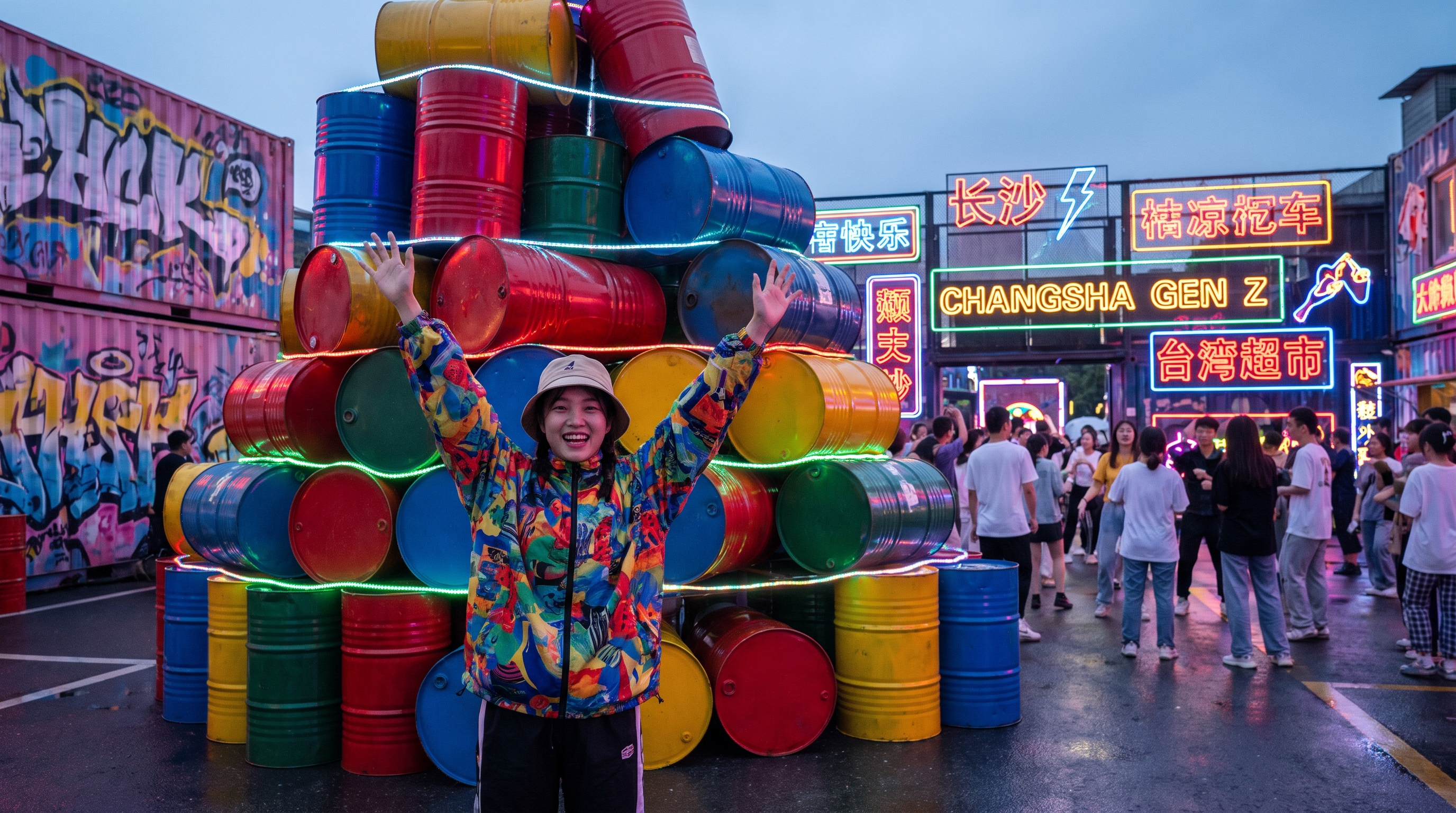
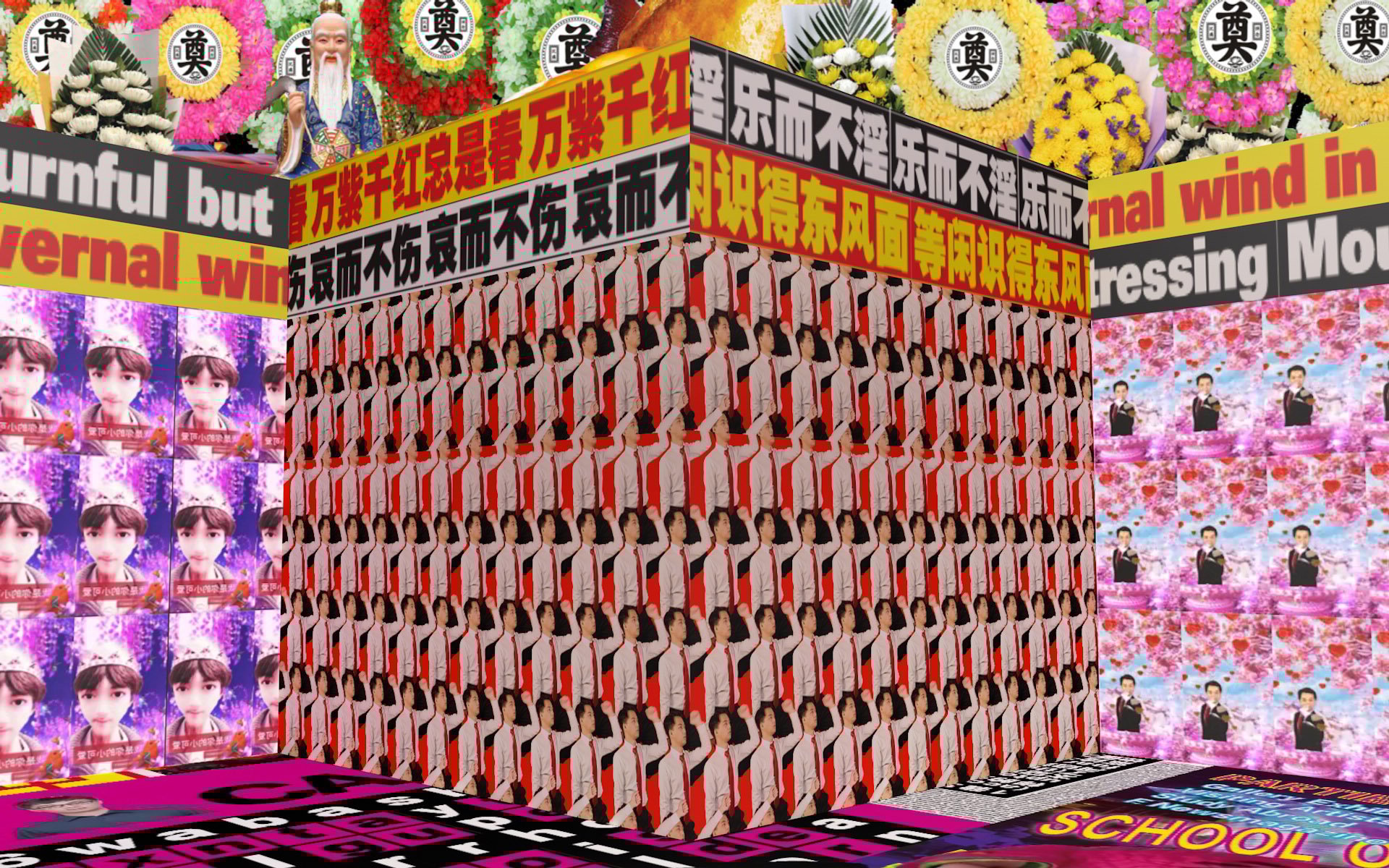

In a world saturated with sleek minimalism and perfectly curated aesthetics, a defiant counter-movement has been bubbling up from the vibrant underground design culture of East Asia, particularly China. It’s known as “New Ugly,” a graphic design style that gleefully throws traditional design rulebooks out the window, embracing chaos, imperfection, and a jarring visual honesty that’s resonating deeply with a global youth audience.
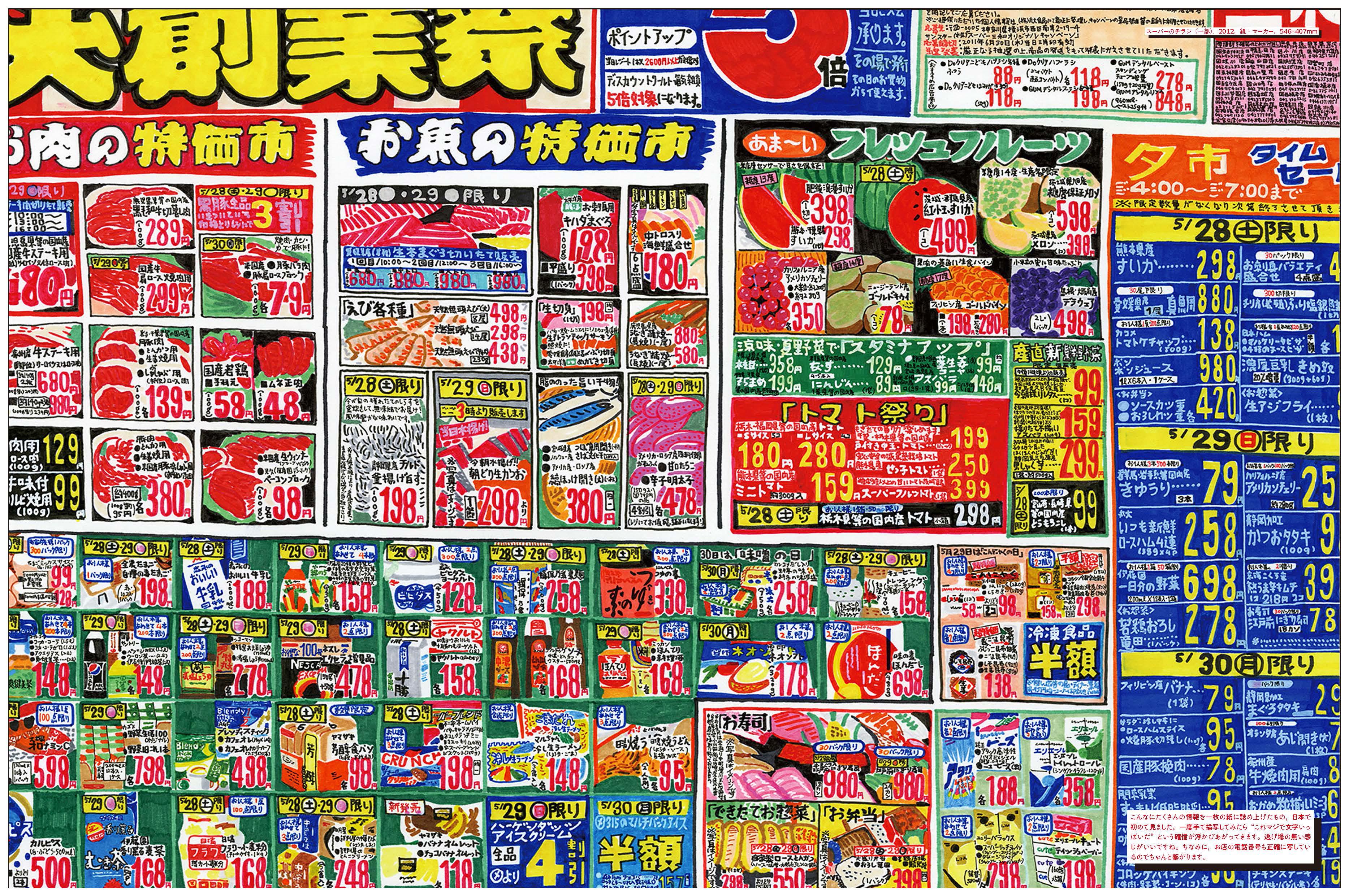
The “New Ugly” isn’t merely about creating something aesthetically displeasing. It’s more of a deliberate philosophical stance. Emerging in the late 2010s, this movement actively rejects the harmonious, polished visuals that have long dominated both commercial and artistic design. Instead, it revels in the deliberately over-the-top, the seemingly haphazard, and the intensely authentic. Imagine the raw, unrefined charm of bootleg VHS covers or the eye-popping, mismatched packaging found in a bustling Asian convenience store.
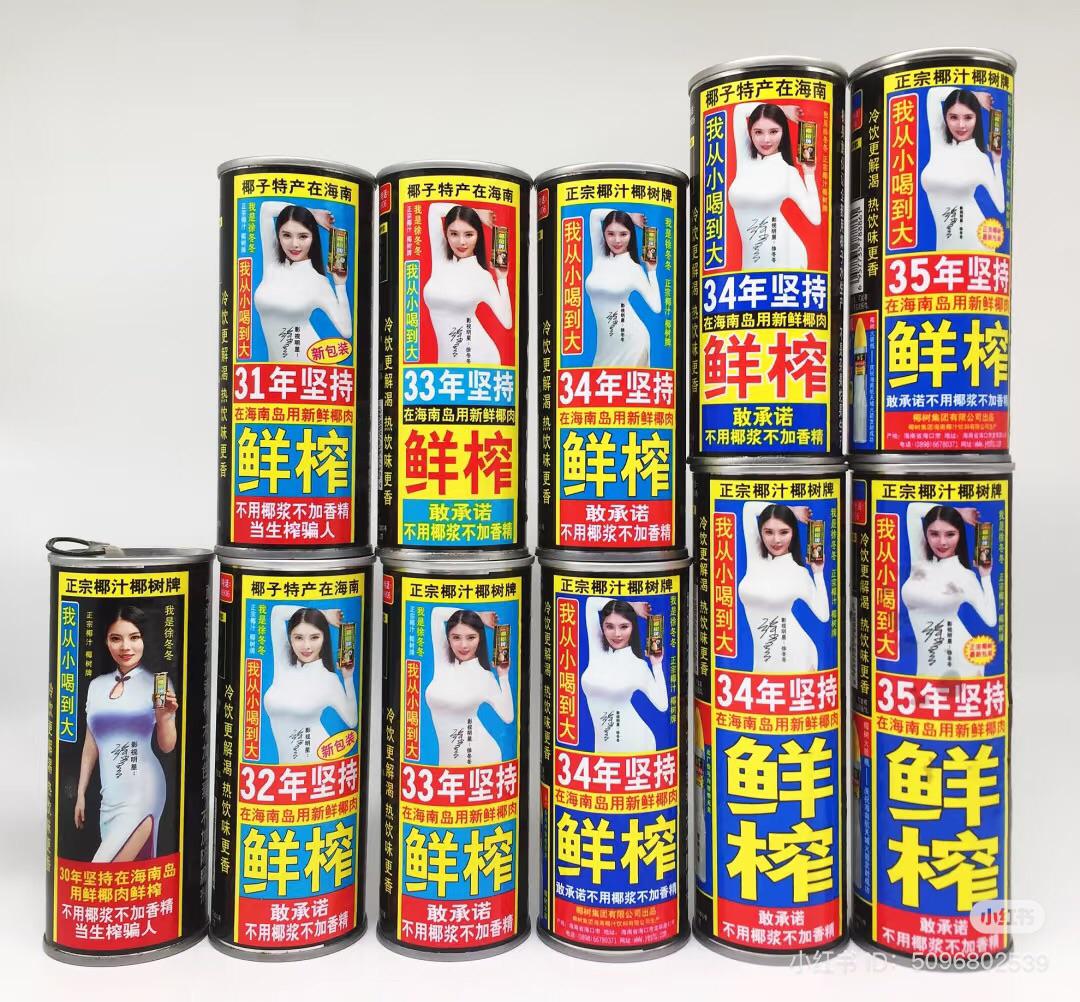
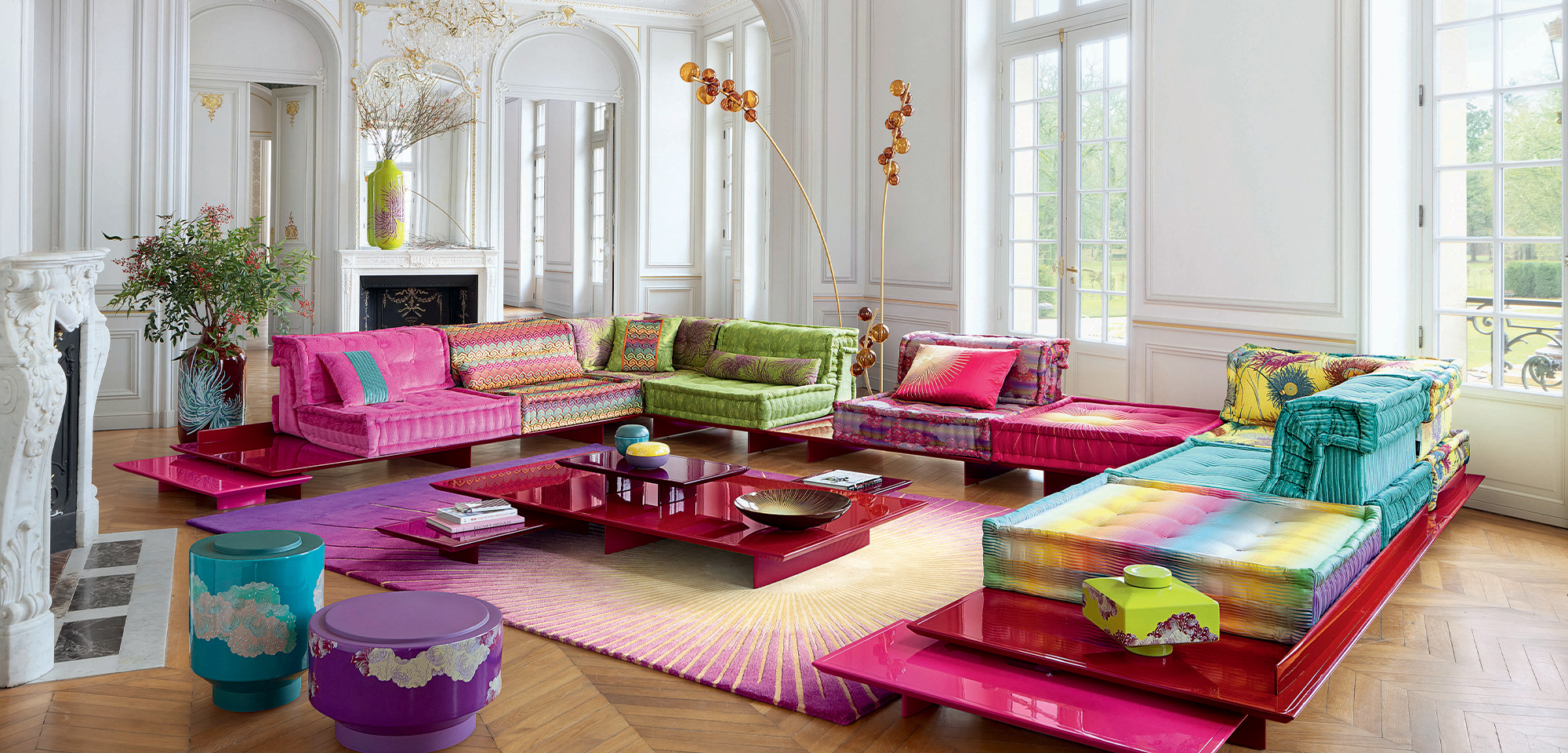
Visually, “New Ugly” is unmistakable. It’s characterized by intentionally jarring color combinations—think neon green clashing with muddy brown, or electric blue fighting for space with a faded yellow. Typography is often messy and deconstructed, with multiple fonts battling for attention on the same page, sometimes even overlapping or appearing to be carelessly placed. Layouts are unbalanced, disregarding conventional grid systems and hierarchy in favor of an overloaded maximalism. Rough textures, unrefined elements, and an almost brutalist approach to composition all contribute to this “ugly” yet strangely compelling aesthetic. The goal isn’t beauty in the classical sense, but rather memorability and a provocative challenge to our preconceived notions of what good design should be.
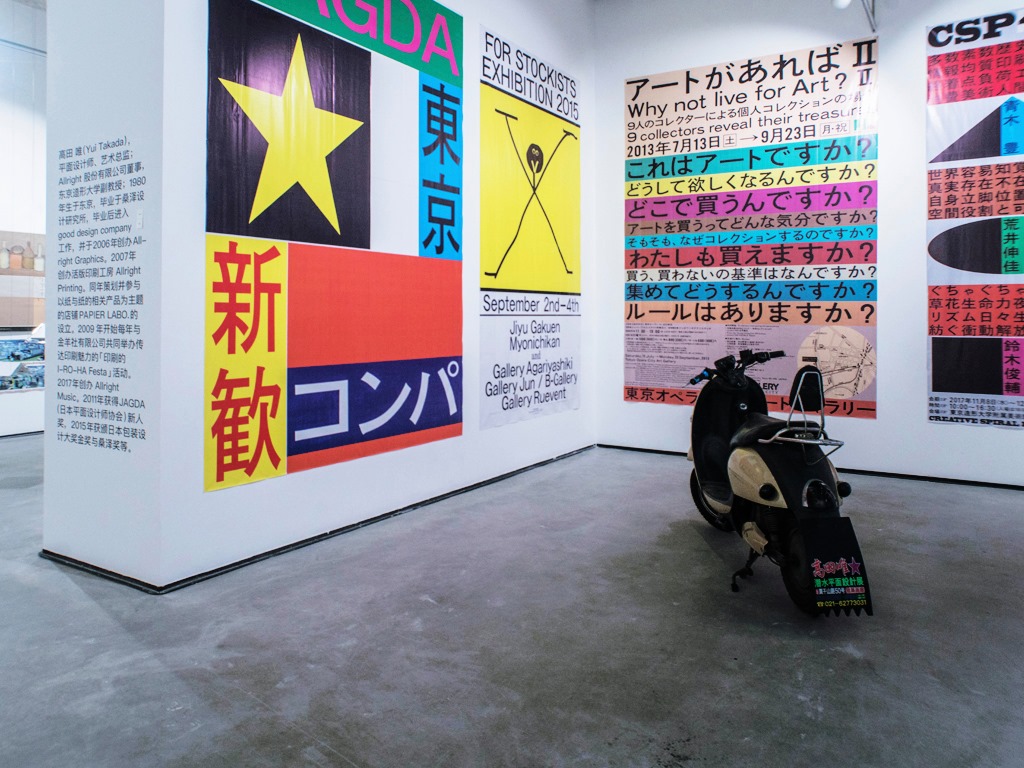
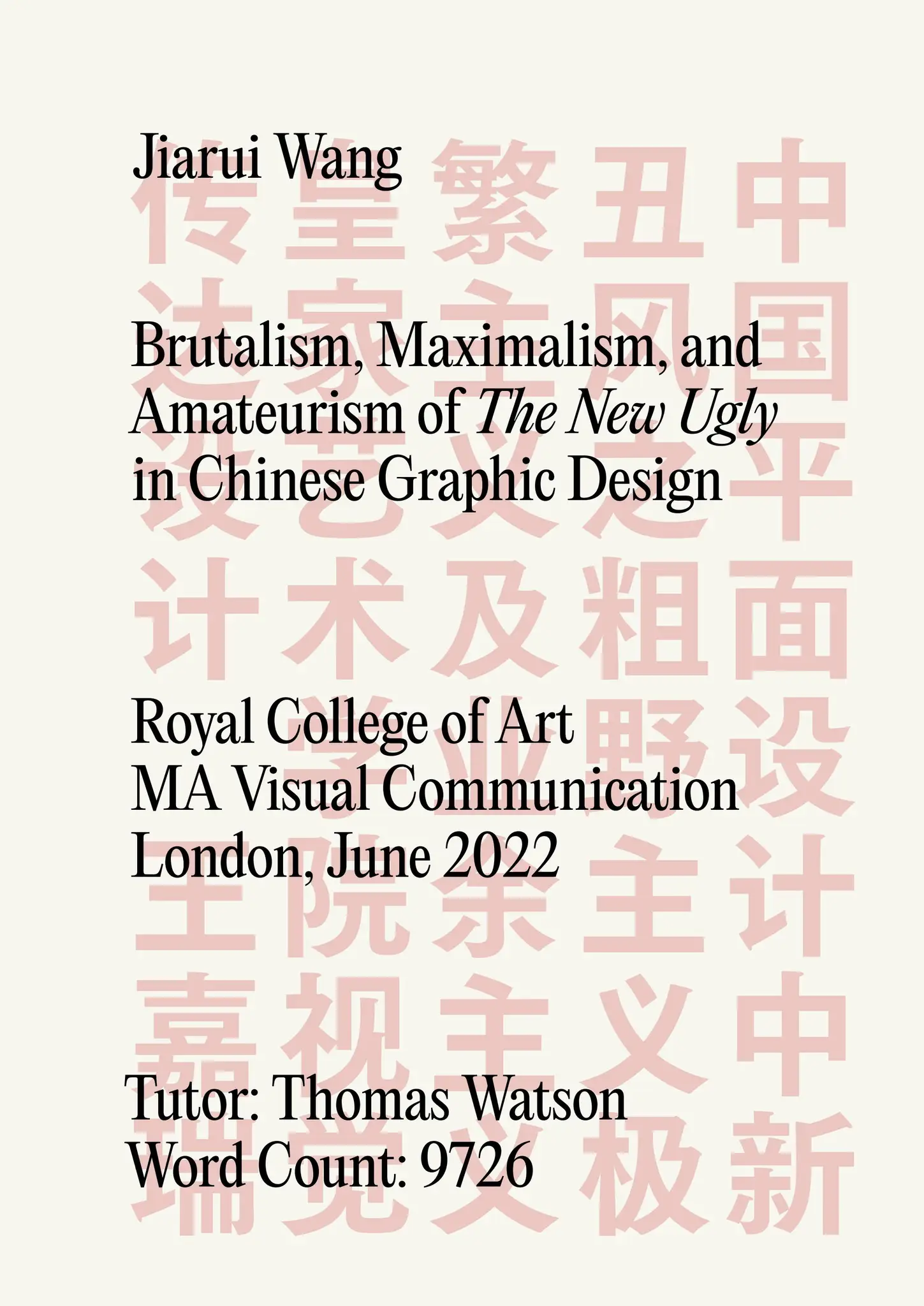
Thanks to content creators like Kathy Pham, we learn more about the origins of the term, such as how Japanese graphic designer Yui Takada is often credited with coining “New Ugly Style.” A significant figure in this aesthetic. His work, while sometimes labeled “anti-design,” showcases a masterful manipulation of seemingly chaotic elements to create impactful visuals. According to Kathy, another key player in presenting the understanding is London-based Jiarui Wang and their dissertation, Brutalism, Maximalism and Amateurism of The New Ugly in Chinese Graphic Design.
In China, artists like Shanghai-based Chengan Xia exemplify the style, using visually explosive compositions that defy modernist principles to explore themes of propaganda and national identity. This unapologetic embrace of imperfection holds a particular allure for Generation Z. In an era of filters and digital perfection, younger consumers are seeking authenticity and relatability.
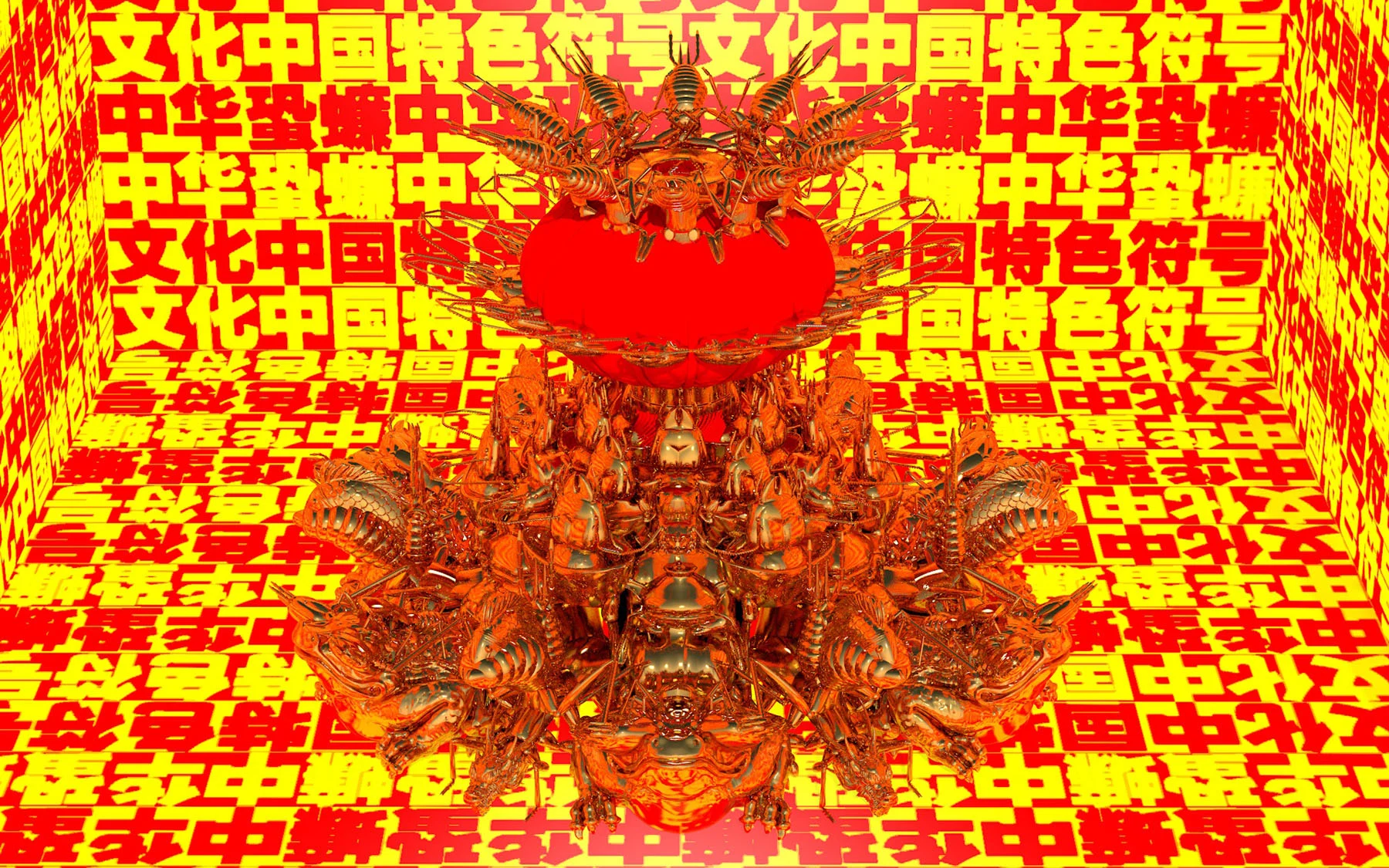
“New Ugly” designs feel real, human, and refreshingly unpolished. It’s a powerful cultural critique and a revolutionary innovation, making a bold statement against the relentless pursuit of perfection in an increasingly curated world.
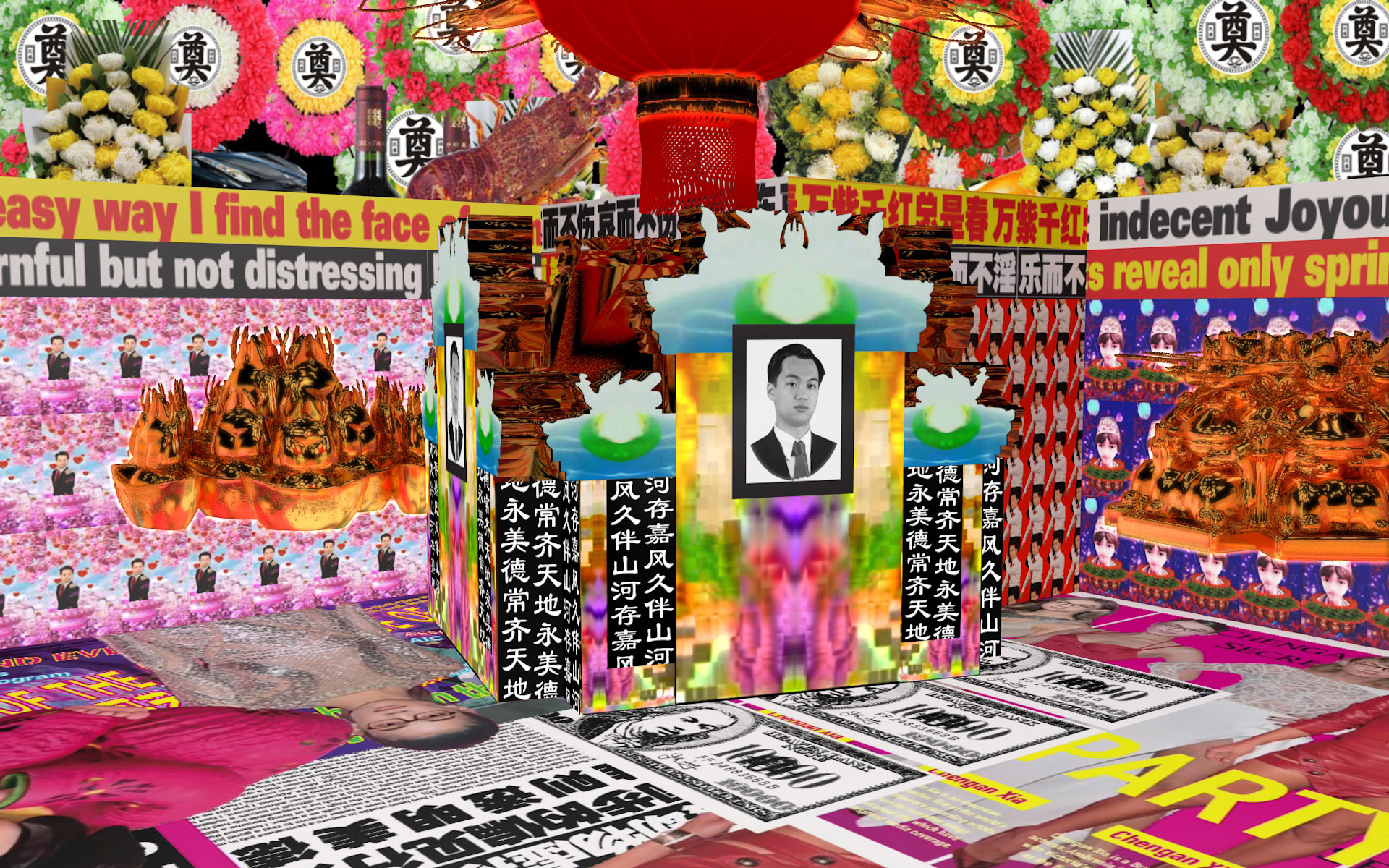
Cover image via De:Formal/artwork by Chengan Xia.