
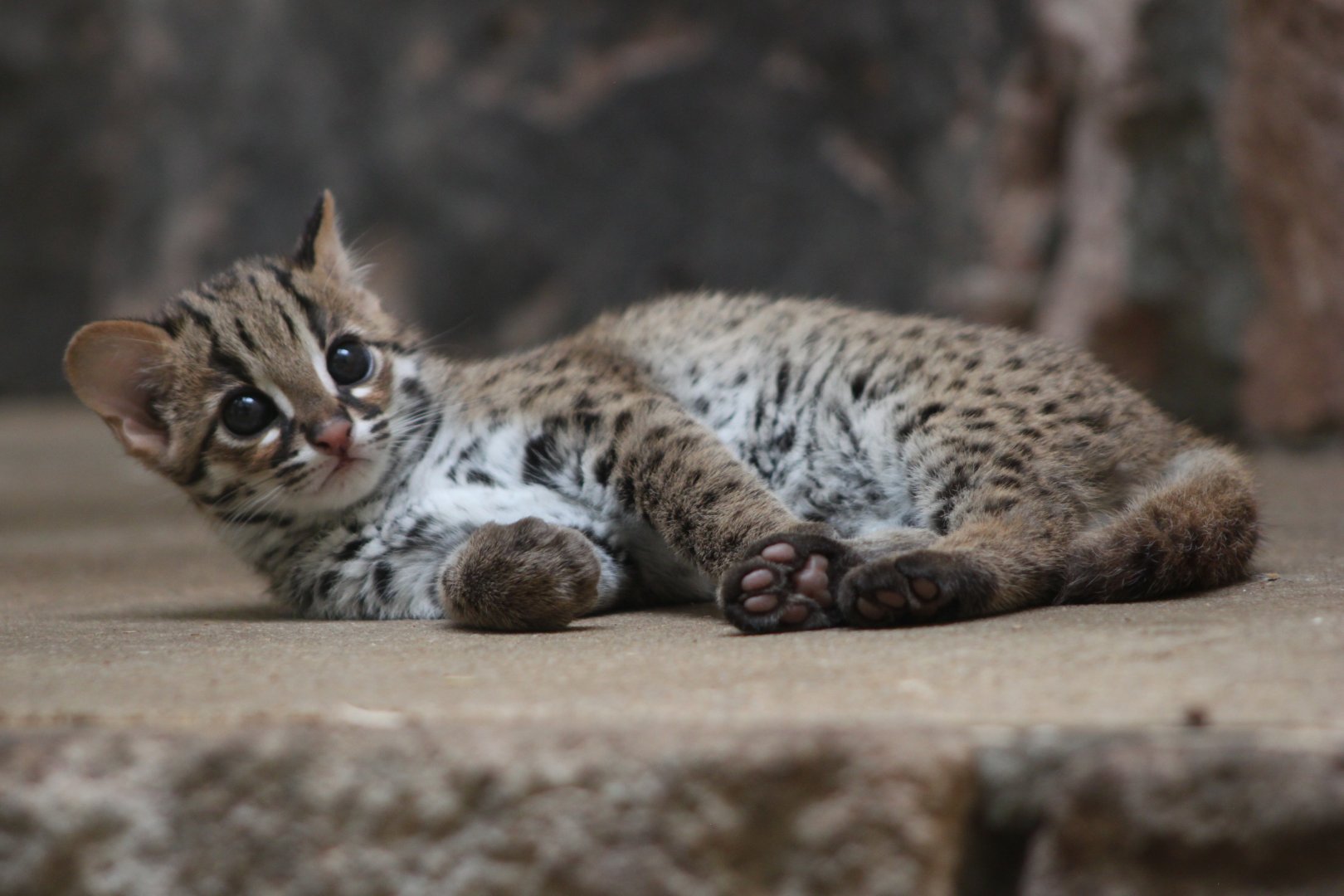

A recent study by researchers at Peking University has dramatically reshaped our understanding of cats’ storied past in China, revealing a dual history of feline companionship spanning five millennia. Published in Cell Genomics in November 2025, the research, led by Dr. Shujin Luo, utilized ancient DNA analysis from 22 cat specimens to differentiate between two distinct feline populations that interacted with humans: the native leopard cat and the familiar domestic cat.

Beginning approximately 5,300 years ago, China’s primary feline companions were not the domesticated housecats we know today, but rather leopard cats (Prionailurus bengalensis). These wild felines forged a commensal relationship with early agricultural communities, drawn to human settlements by abundant rodents feasting on stored millet. Isotopic analysis of their bones revealed diets consistent with preying on animals that consumed farmed grains, indicating their crucial role in natural pest control within ancient villages. One aged leopard cat specimen, whose worn teeth suggested a long life within a village, even hints at a degree of human tolerance or care.

The story of the domestic cat (Felis catus) in China, however, began much later. The study found that domestic cats only arrived between 600 and 730 CE, roughly 1,200 years ago, traveling eastward via the bustling Silk Road from the Near East. Genetic evidence, particularly the presence of the clade IV-B mitochondrial signature, links these early Chinese domestic cats to those found in Central Asia and ultimately to their origins in the Levant region. The earliest confirmed domestic cat in China dates to around 730 CE from Tongwan City, a pivotal Silk Road hub. These imported felines were likely prized as exotic pets, especially those with rare white markings, signifying their initial status as luxury items among the elite.

Peking University researchers note that the leopard cats largely disappeared from human settlements around 150 CE, a period of significant societal upheaval in China. When stability returned, domestic cats had arrived, effectively filling the ecological niche. This monumental study not only provides the first scientific evidence for the distinct origins and timelines of cats in China but also offers a fascinating glimpse into the evolving and multifaceted human-animal relationships throughout Chinese history.
Cover image via ZooChat.