On a frigid February night in New York City’s Chinatown, the line between fashion launch and cultural reset blurred beneath a rain of red and gold paper planes.
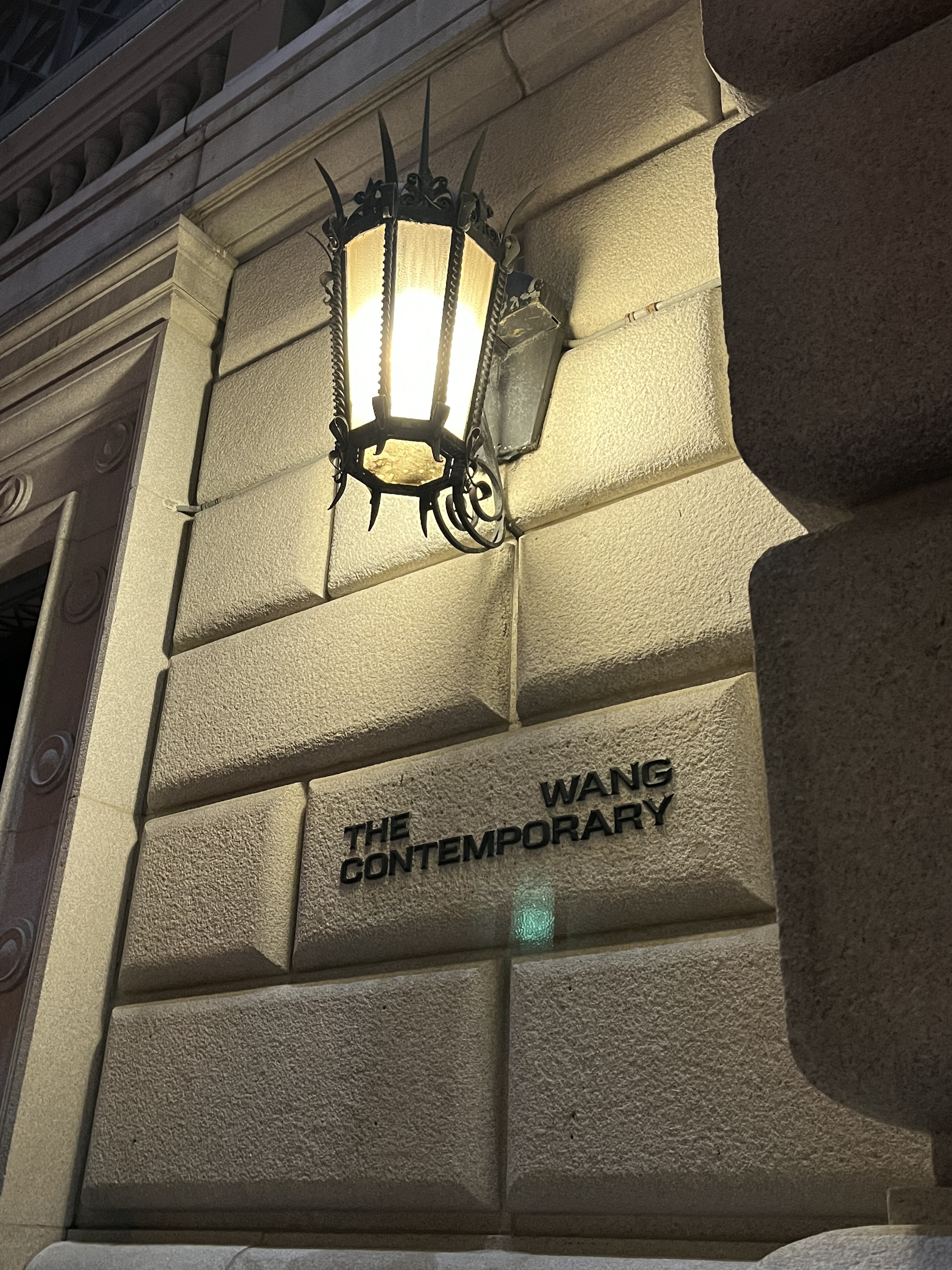
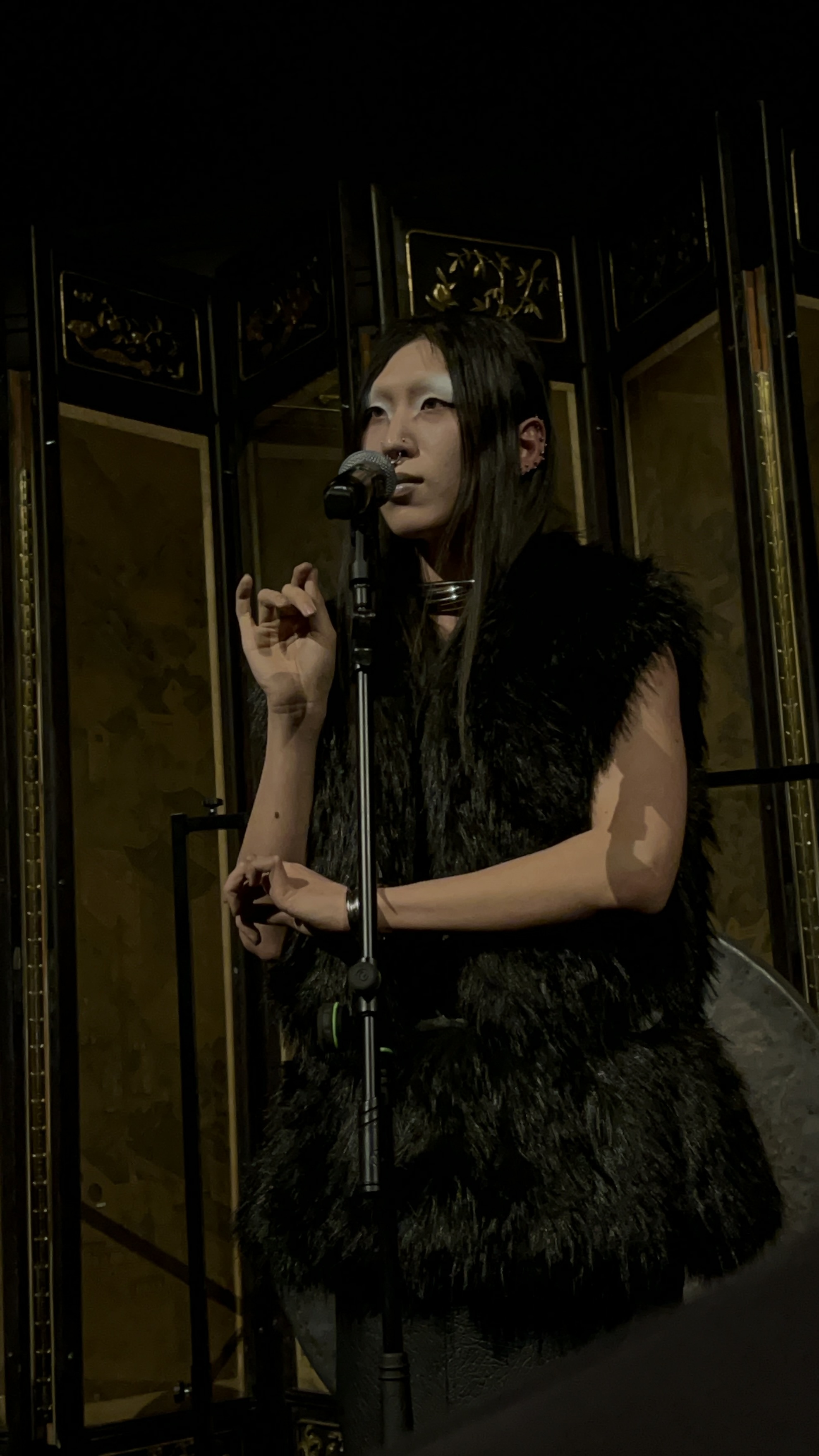
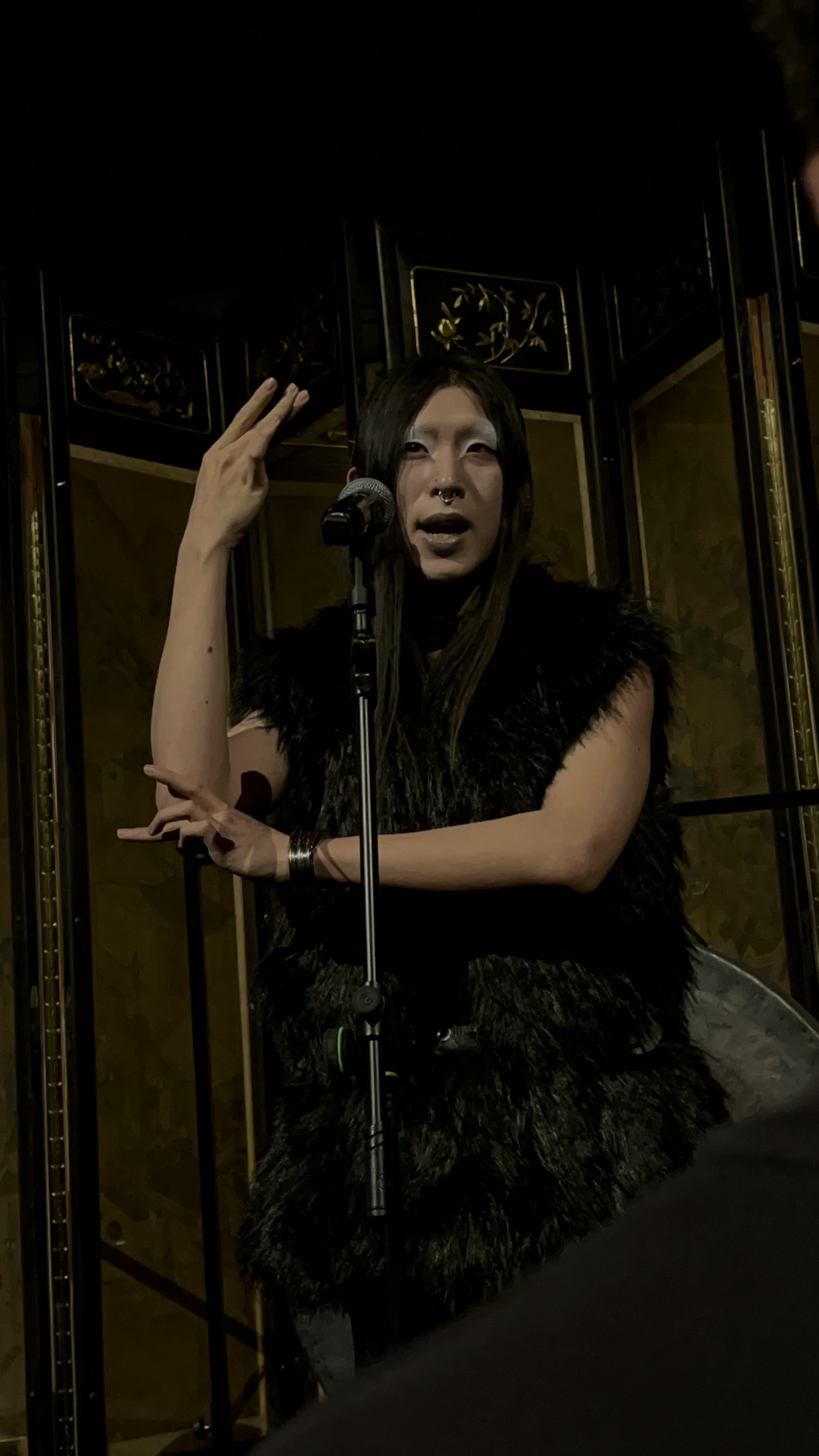
Alexander Wang—long synonymous with downtown cool and razor-sharp silhouettes—is building a new infrastructure initiative. Back in Feb, RADII attended the opening of The Wang Contemporary (TWC), a new mission-driven cultural organization he co-founded with his mother, Ying Wang, inside the freshly restored 58 Bowery. For the first time in the landmark building’s 100-year history, the property is Chinese American-owned—a symbolic reclamation at the literal crossroads of Bowery and Canal Street.
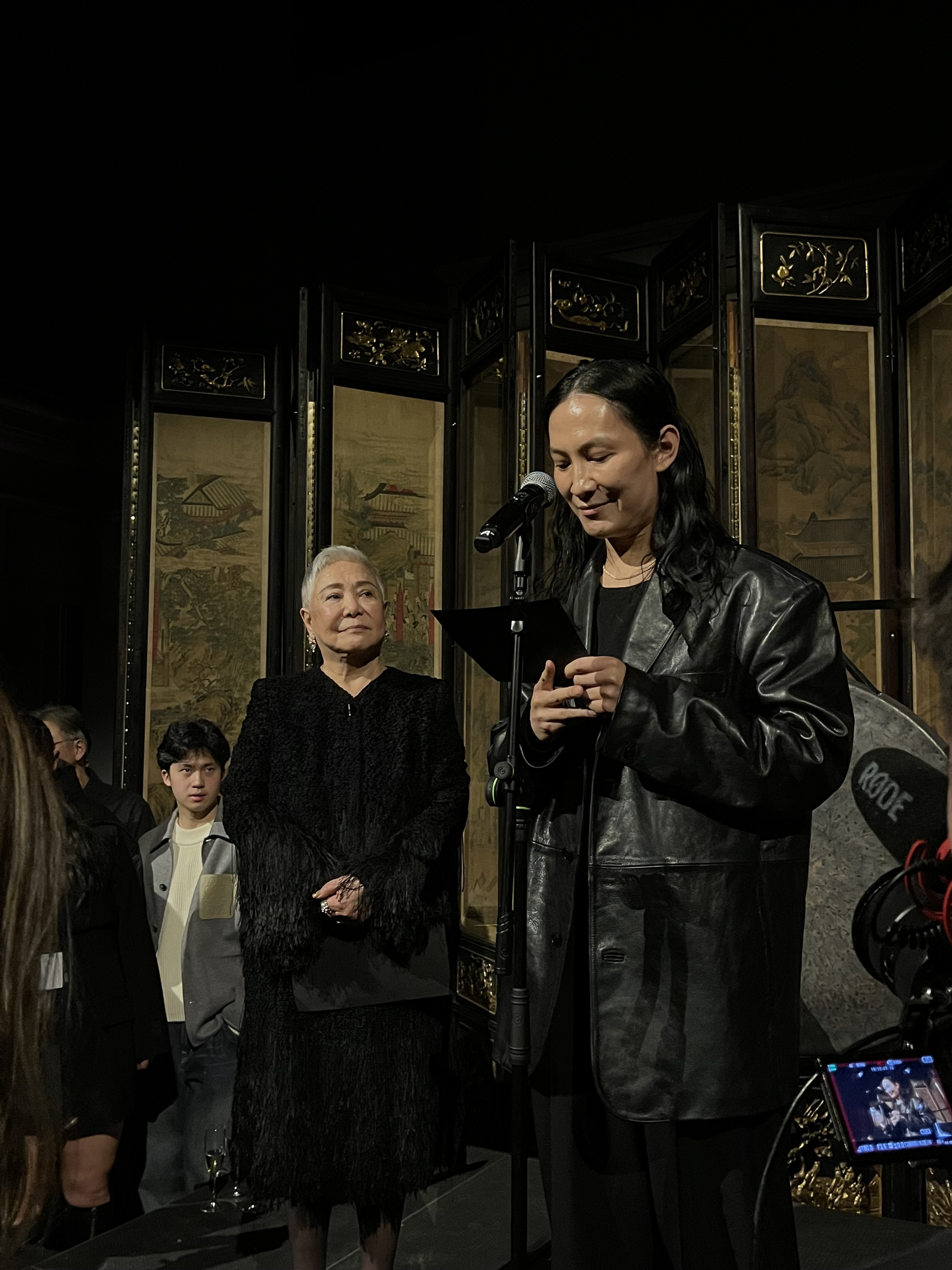
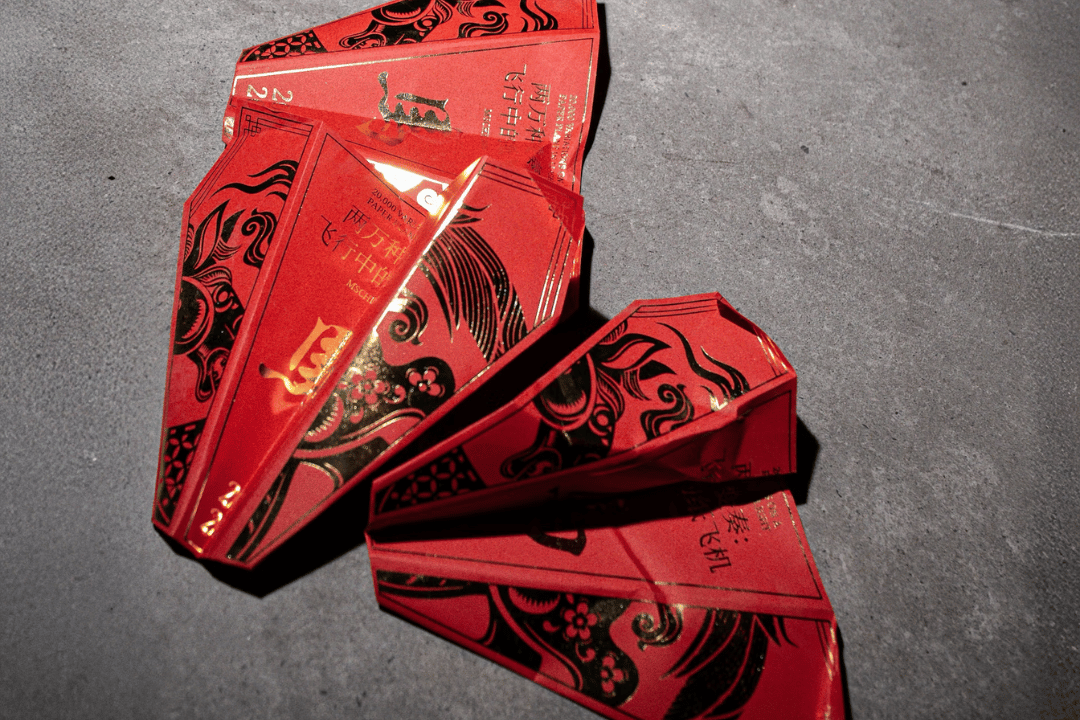
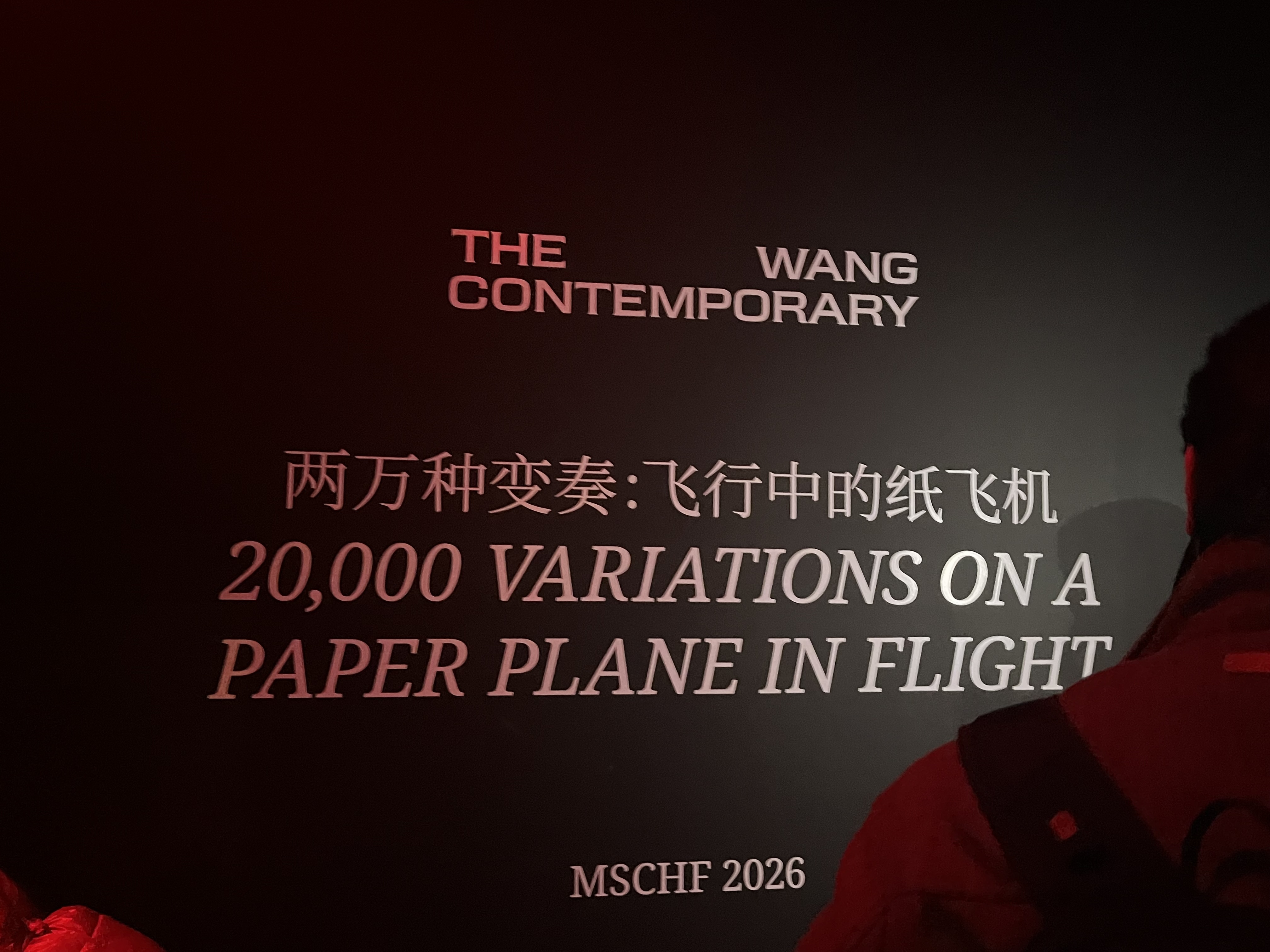
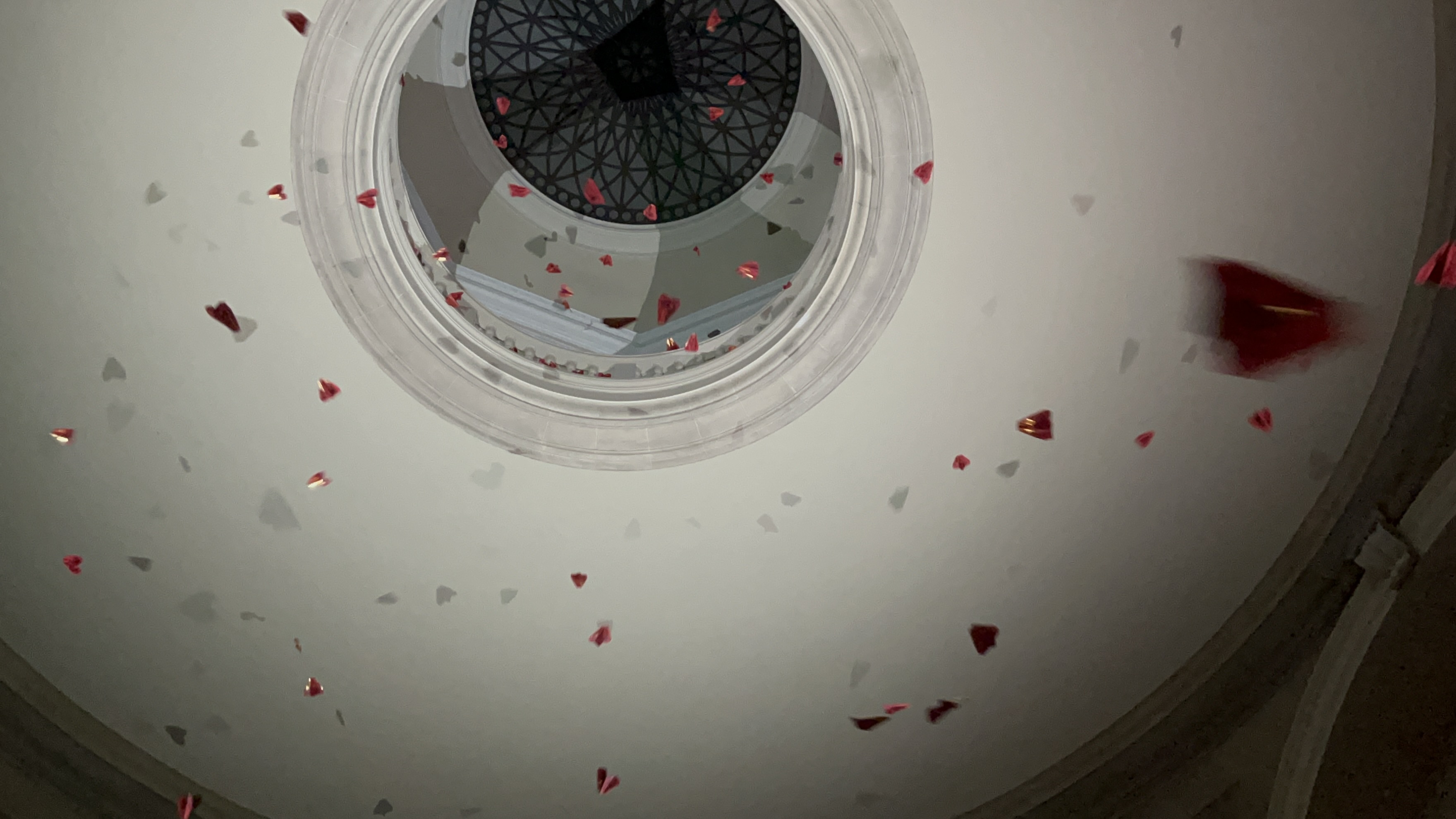
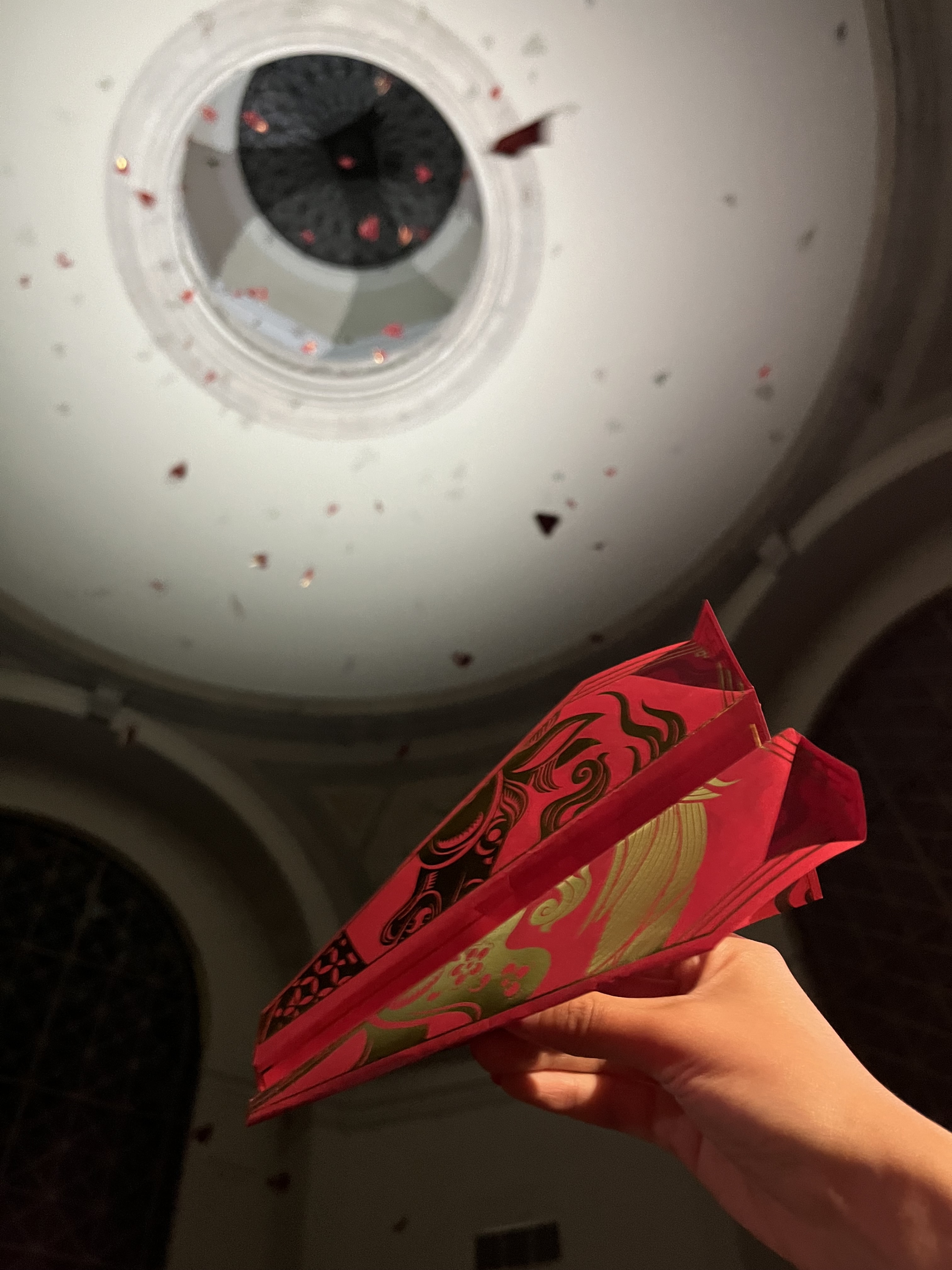
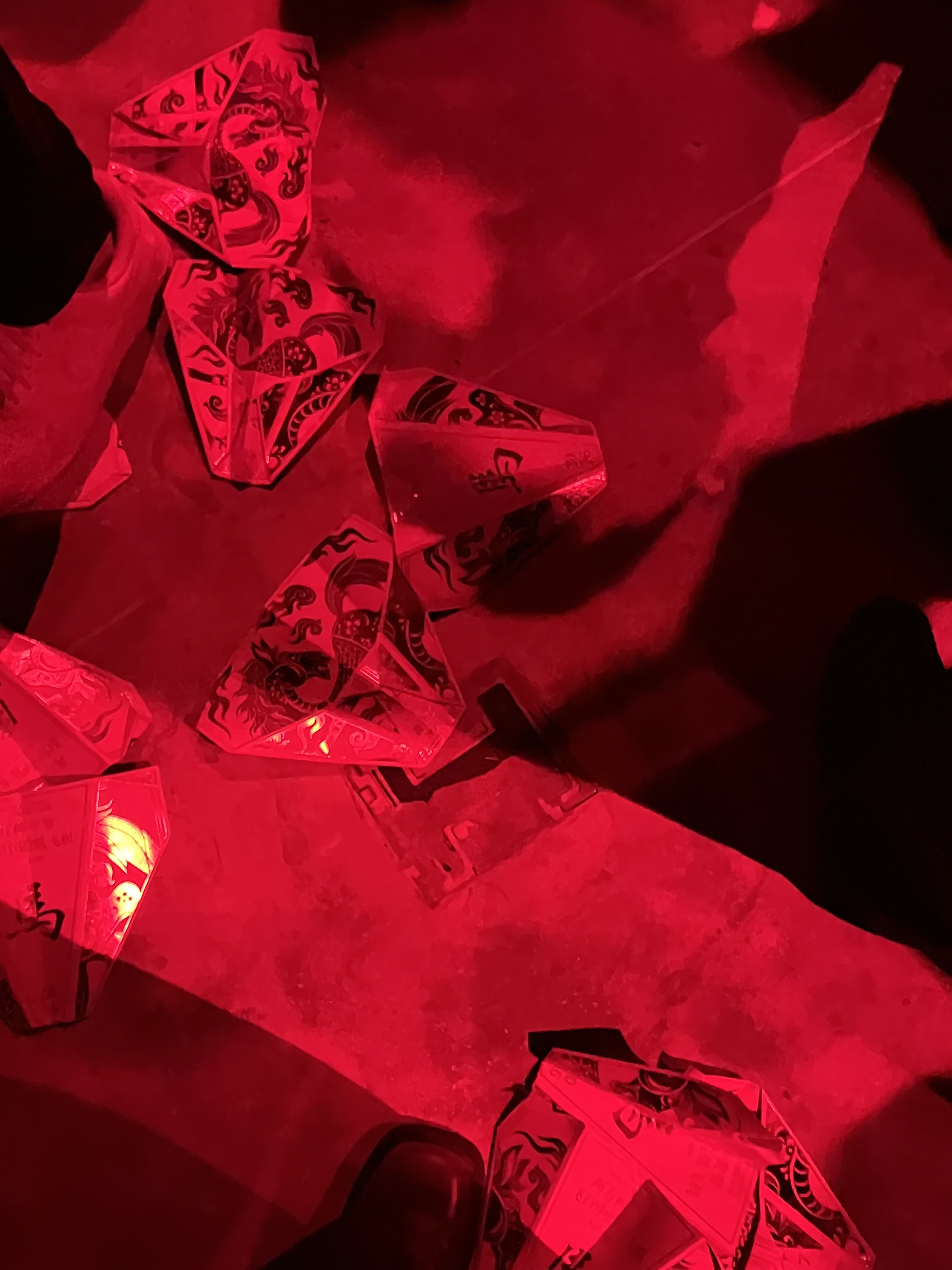
The debut exhibition saw a three-day performance installation by art collective MSCHF titled “20,000 Variations On A Paper Plane In Flight.” Once per hour, a flock of crimson planes cascaded from the building’s central oculus, each inscribed with a single English noun—5,000 of the language’s most common, scattered like coded blessings. An evolving piano score by Yeonjoon Yoon swelled as guests reached skyward, unfolding their fortunes midair. It was part hóngbāo ritual, part controlled chaos, part commentary on who gets to author the future.
In our exclusive interview with Alexander Wang and MSCHF’s Chief Creative Officer and founding member Kevin Wiesner, Wang was clear: “Visibility is not the same as power.” Asian creativity is global, he said—but without permanent platforms, it risks becoming cyclical, “celebrated in moments, sidelined in between.” TWC is his answer to that gap. Not a capsule collection timed to Chinese New Year, but a foundation designed to outlast the hype cycle.
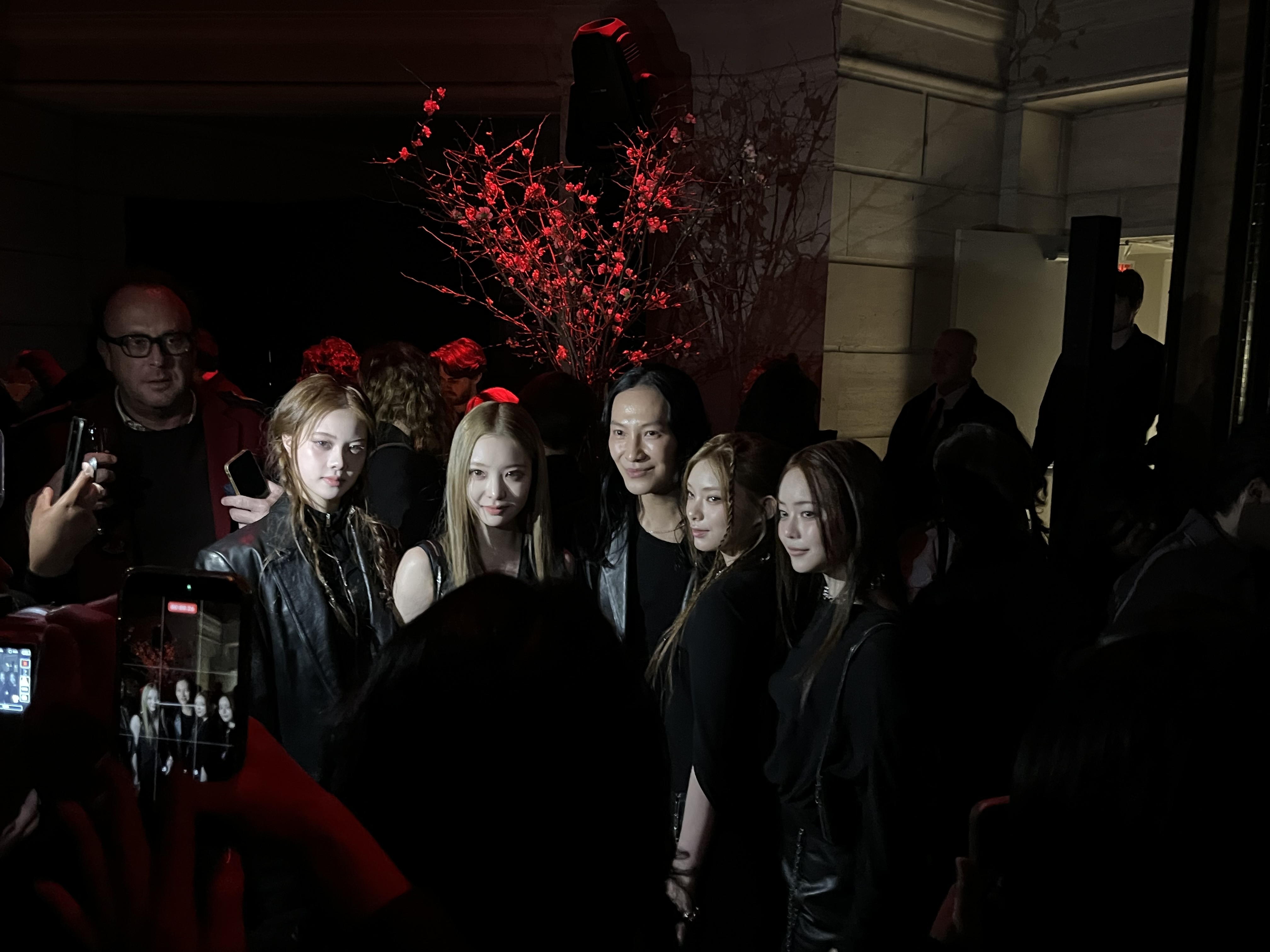
The guest list—from Ice Spice to Anna Delvey—signaled clout. But the bigger flex was structural. In a city home to roughly 1.5 million Asian and Asian-American residents, The Wang Contemporary positions Chinatown not as an aesthetic backdrop, but as an ecosystem. If fashion moves fast, institutions move slowly. Wang, it seems, is betting on both speeds.
RADII: The Wang Contemporary positions itself as “a vessel championing Asian and Asian-American creativity.” Why is it important to spotlight this now?
Alexander Wang: We’re in a moment where Asian creativity is globally visible — but visibility is not the same as power.
The urgency now is about infrastructure. About creating a permanent platform where Asian and Asian-American voices aren’t contextualized as emerging or exceptional — they’re foundational.
This isn’t about a cultural wave. It’s about continuity. If we don’t build institutions now, we risk remaining cyclical — celebrated in moments, sidelined in between.
Chinatown neighborhoods are often romanticized or gentrified. How does The Wang Contemporary avoid becoming another aestheticized space?
Chinatown isn’t a backdrop — it’s an ecosystem shaped by migration, labor, resilience, and reinvention.
We’re very aware of the tension between cultural investment and displacement. The intention is not to aestheticize Chinatown, but to contribute to its next chapter. That means long-term presence, accessible programming, and collaboration that keeps the space porous rather than exclusive.
This feels less commercial and more civic. Is this a pivot?
It’s not a pivot away from fashion. It’s an expansion of what culture means to me.
Fashion moves fast. Institutions move slow. I’m interested in both speeds.
This project is personal — it’s rooted in my family, in Chinatown, in watching my mother think in decades rather than seasons. But it’s also new territory. It’s not about product; it’s about permanence.
What does “global” mean in 2026 for Asian creativity?
“Global” today is multipolar. It’s no longer about entering Western systems — it’s about operating within a network of cultural centers that speak to one another laterally.
Asian creativity doesn’t need translation to be legible. It’s shaping aesthetics, technology, media, and discourse directly.
So “global” isn’t about educating the West. It’s about participating in a landscape where Asian perspectives are structurally influential.
Preservation, evolution, or disruption of Chinatown’s legacy?
Chinatown has always been adaptive. Survival required reinvention.
Earlier generations built economic infrastructure — businesses, associations, networks of support. Cultural infrastructure is the next evolution.
Preservation isn’t about freezing a neighborhood in nostalgia. It’s about honoring its resilience while allowing it to expand into new forms.
What does success look like in five years?
Success is when the space feels active and shared.
When artists see it as a place to experiment. When young creatives feel welcome. When the neighborhood drops in without it feeling like an event.
If it becomes part of everyday cultural life — that’s success.
How do you avoid becoming just another “moment”?
Moments are built for attention. Infrastructure is built for continuity.
We’re not programming around hype cycles. We’re committing to commissions, partnerships, and formats that compound over time.
The difference is intention — and longevity.
What makes this different from brand-driven Chinese New Year marketing?
This isn’t a capsule. It’s a foundation.
Yes, the opening aligns with Chinese New Year — symbolically, that’s meaningful. But the institution exists beyond the calendar. It’s year-round, long-term, and structurally independent from seasonal commerce.
To me, the real distinction is permanence.
MSCHF is known for exposing institutions and flipping cultural symbols on
their head. With “20,000 Planes,” you’re reimagining hóngbāo—red envelopes tied to luck, money, and Chinese New Year tradition. Where’s the line between subversion and reverence?
Kevin Wiesner: MSCHF’s practice is rooted in sampling — in using symbols and elements of culture as building blocks in a recombinatory working process. When TWC invited us to develop an installation, we had a rich set of materials to draw from in the building, its location, and the Chinese New Year timing. You have the architecture — still bearing the old bank’s inscriptions of “wealth” and “frugality” and such, almost invocations themselves — and the celestial aspect of the great dome + oculus. Drawing from LNY traditions more broadly, you have hongbao, but also something of omikuji, which came together to form the planes. And of course, you have general ideas of cycles and repetition in time that are the underpinning of New Year’s traditions at large. All of these pieces are out in the world and in people’s consciousness already — the question for us was: what can we make using all of that?
The installation is part spectacle, part ritual. What does flight symbolize here?
20,000 Variations deals with possibility and how we think about futures and fortunes. As the planes fly down, they distribute themselves to the audience. While the planes descend in a flock, their flight paths are all unique. They each trace a distinct line to get to us.
Both of you operate in industries that thrive on moments—fashion drops, viral art,
etc. How do you ensure The Wang Contemporary doesn’t become just another
“moment” but instead builds long-term cultural infrastructure?
Alexander Wang: I understand the mechanics of a moment — I’ve built within that system for years. But a moment creates visibility; it doesn’t create durability.
The Wang Contemporary is designed for long-term engagement — ongoing commissions, evolving programming, sustained relationships with artists. That’s a different time horizon.
If it still feels relevant years from now — not just resonant on opening night — then it’s infrastructure.
Chinese New Year activations have become commercialized worldwide—from
luxury capsule collections to mall installations. What makes this project different
from brand-driven seasonal marketing?
Kevin Wiesner: This idea of cultural infrastructure is exactly what’s exciting right now. Recently, MSCHF has been interested in taking its work into physical arenas, in some ways quite far from the very online-native spaces that defined our previous era. I think there’s a general sense that creative work is looking for infrastructure, and as TWC continues to operate as a platform for arts and culture, it can provide this with its curation and support of many more artists in the future.
Alex Wang: Seasonal marketing is designed to peak. An institution is designed to last.
The opening aligns with Chinese New Year for symbolic reasons — renewal, gathering, and forward movement. But the work doesn’t end with the holiday.
There’s no product cycle attached to this. No limited drop. What continues is the programming, the commissions, the dialogue. The distinction is permanence — not seasonality.
Check out our first-hand coverage of the event below:
Cover image via The Art Newspaper / All other images via Moren Mao.