
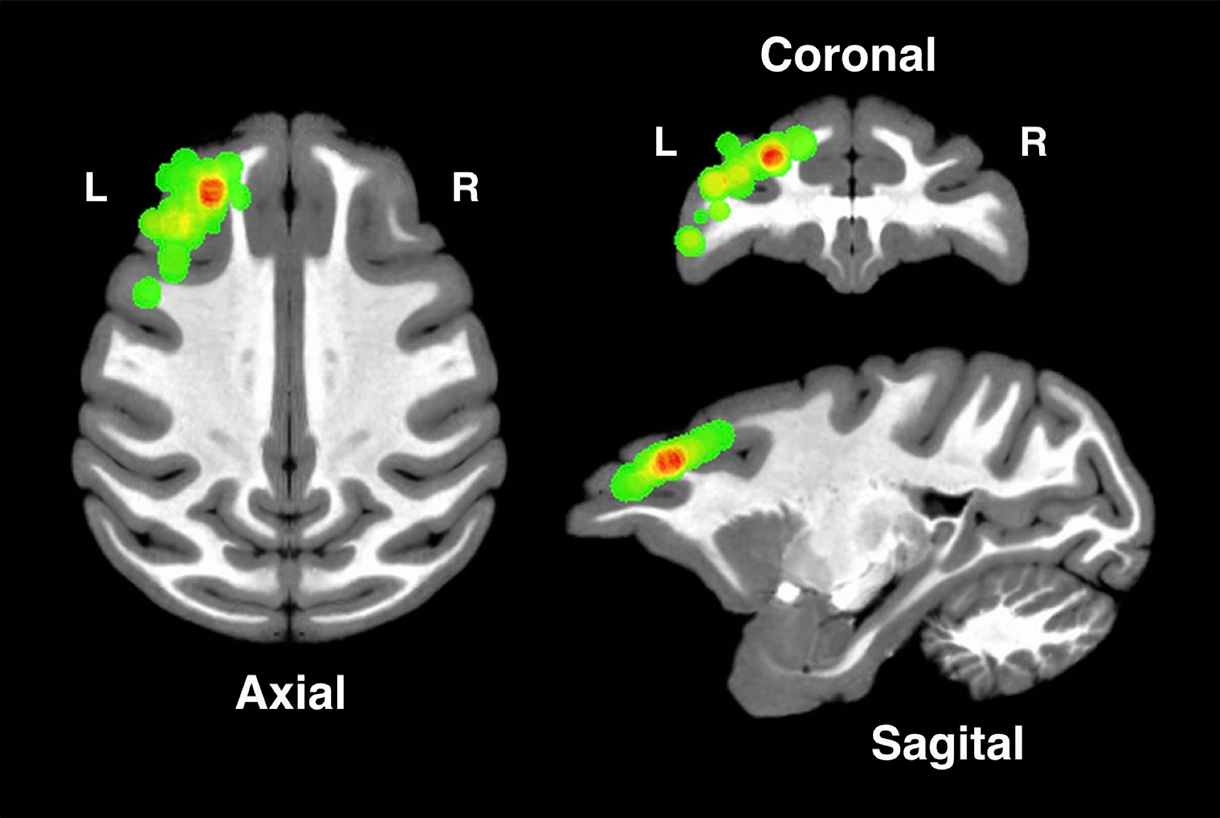

Do you have difficulty focusing? You might think you have ADHD, but it could simply be that your prefrontal cortex is “impaired.” Do you experience emotional swings? It might be your prefrontal cortex “protesting.” A lack of appetite? Difficulty falling asleep? Endless self-judgment? Don’t worry—all of these are controlled by your prefrontal cortex, and as long as you take care of it, you can “regain control of your life.”
This is part of a new trend among young Chinese netizens to self-diagnose, from depression to neurodiversity. Now, they have found yet another convincing explanation for their dissatisfaction with life. The prefrontal cortex (PFC)—the front part of your brain—is gaining increased attention as a catch-all explanation for many perceived dysfunctions among the younger generation.
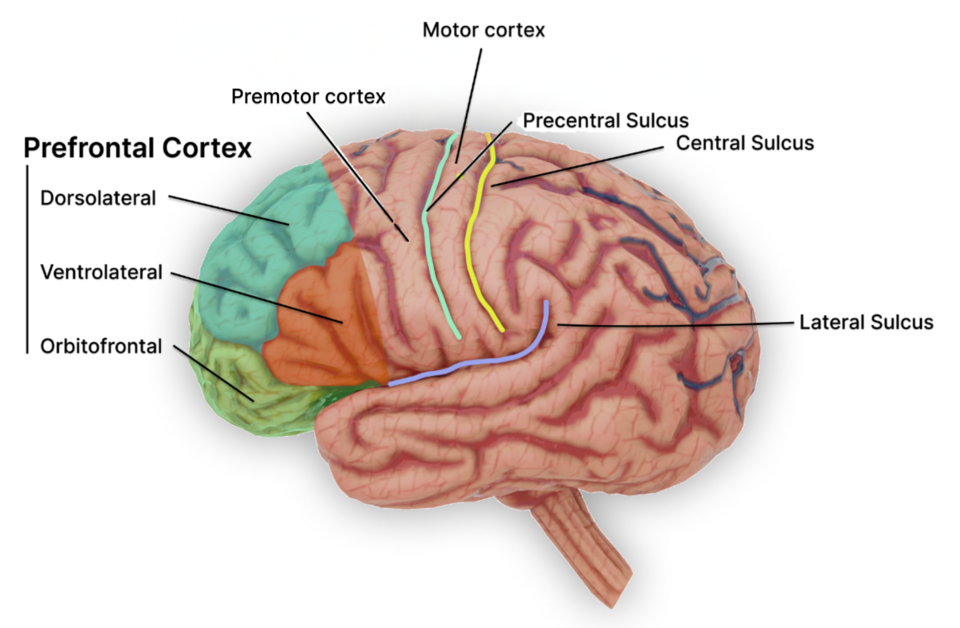
Like many other entertainment-driven internet trends among the youth, theories surrounding the PFC are not entirely untrue. A well-developed PFC supports focus, execution, reasoning, and emotional stability, all of which are exactly what young people are seeking today. Concerns about PFC impairment include long-term stress, lack of sleep, drug abuse, decision overload, and limited social interaction, which happen to reflect common lifestyles among Chinese youth. However, current academic research suggests that the PFC does not fully mature until around the age of 25. This offers many young people with a sense of hope that they may naturally become more capable at 25, and that they still have time to care for their brains before then.

On the Chinese internet, several brain science bloggers have jumped on or contributed to this trend, sharing knowledge about the PFC. Meanwhile, netizens are amplifying it with their own creativity. People often connect MBTI with the PFC and related cognitive science. For example, linking PFC function to Si or dopamine to Te. Some analyze characters in TV series to reflect on their choices and fictional outcomes. Others even attempt to judge whether a person has a well-developed PFC based on the slope of their forehead. Whether supported by academic evidence or not, as long as it is not used to discriminate against others, it remains largely harmless.

No matter where the trend leads, it encourages young people to pay attention to their health. In China, it’s common to see a blend of Western science, Traditional Chinese Medicine (TCM), and Chinese astrology. While people strive to maintain a well-functioning body, there is also a tendency to overinterpret or self-diagnose. One thing is certain: if you’ve read this article to the end, your PFC is still within a “normal range.” So keep a regular routine—and keep your well-functioning PFC in good shape.
Cover Image via ResearchGate.