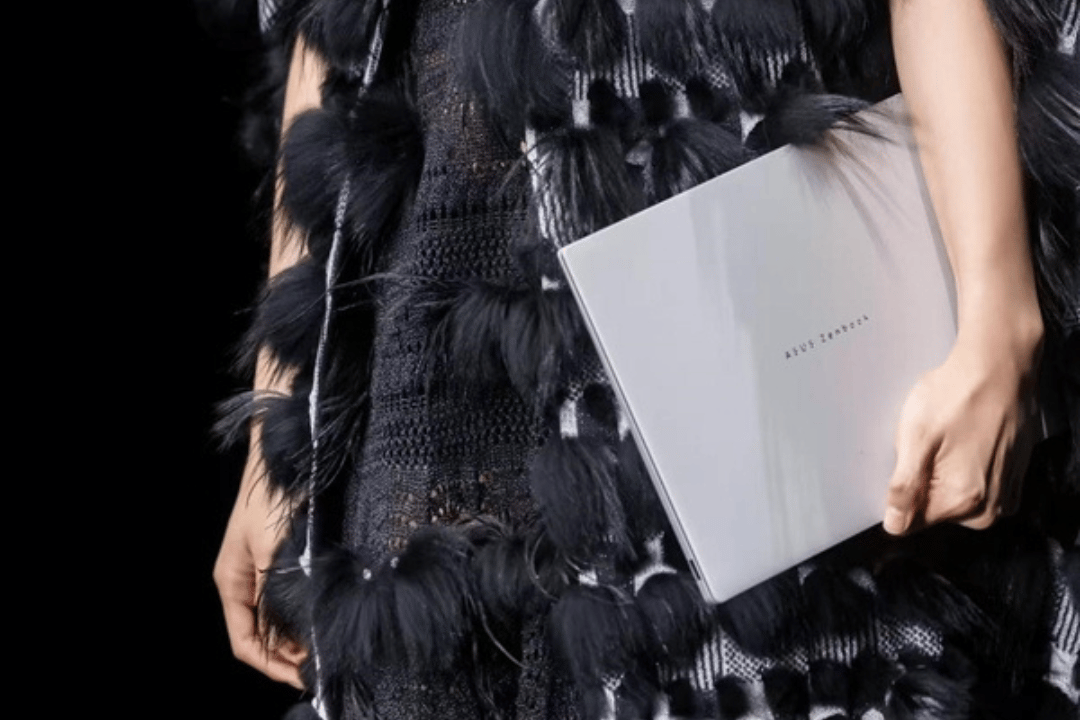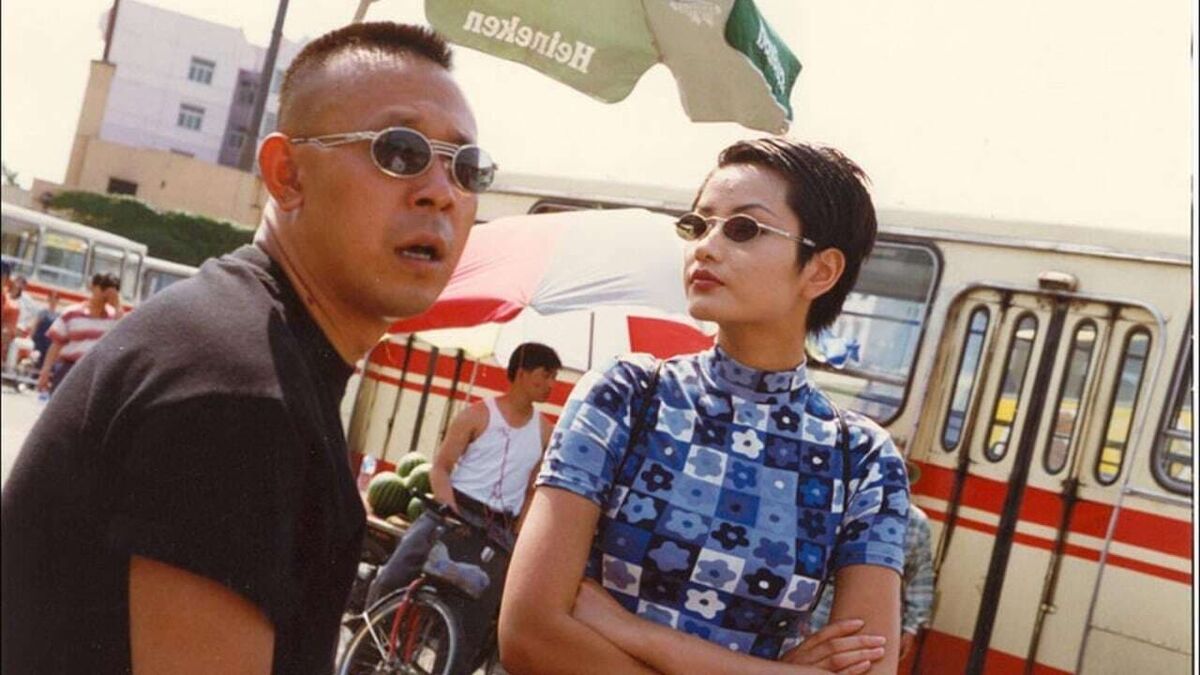
From Y2K to dreamcore, kidcore, and even goblincore, the Chinese fashion scene is a kaleidoscope of different aesthetics that are constantly emerging, adapting, and at times contradicting one another. When one Xiaohongshu post declares that “quiet luxury” will be the year-defining trend, the very next post will announce that maximalism is in. One quickly realizes that there is no single “next aesthetic.” Rather, the next aesthetic trend in Chinese Gen Z fashion may, in fact, be no aesthetic at all.
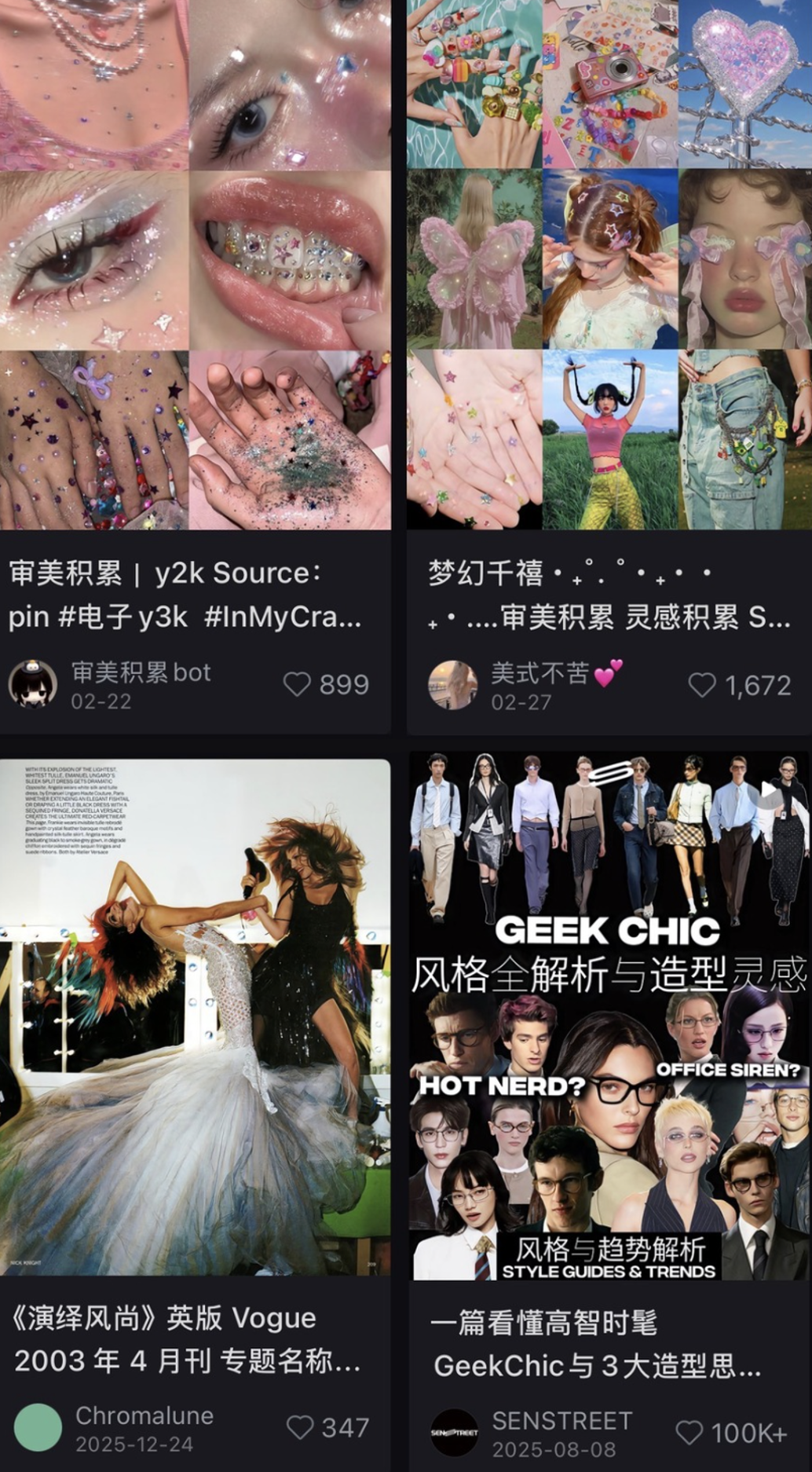
While it seems counterintuitive for a platform centered on visual perfection, the recent 审美积累 (Shěnměi jīlěi), or “aesthetic accumulation,” meme on Xiaohongshu best demonstrates this cultural shift away from prescribed aesthetics. In an age of micro-trends and hyperconsumerism, refined taste has become an increasingly exclusive status symbol. Initially, “aesthetic accumulation” emerged as a trend on image-sharing platforms, aimed at enhancing netizens’ aesthetic sense through the collection of beautiful things—from fashion to interior design, visual art, and more. But for Chinese youth who are already navigating the stresses and expectations of everyday life, the pressure to be “aesthetic” has become just another exhausting social burden.
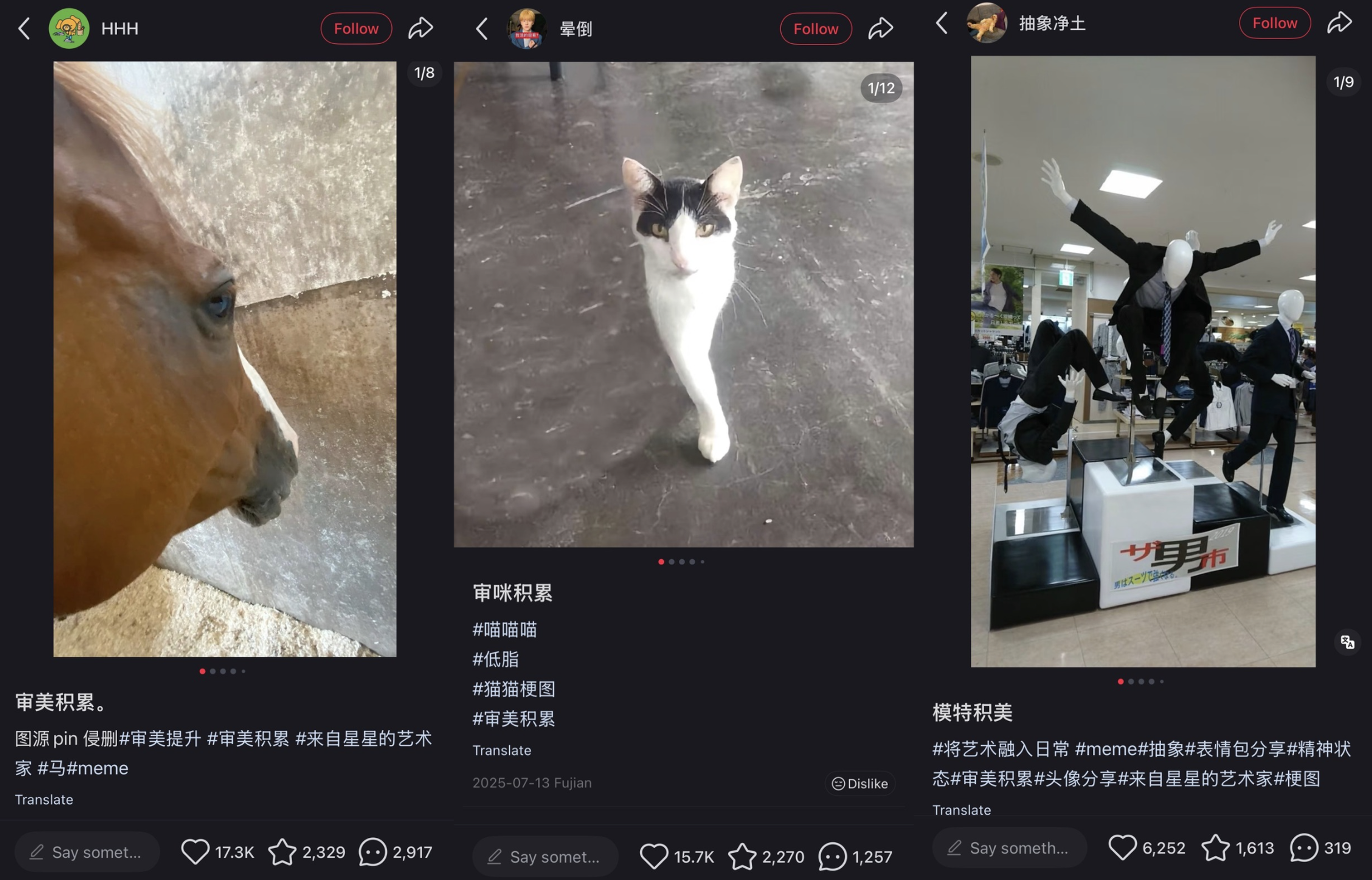
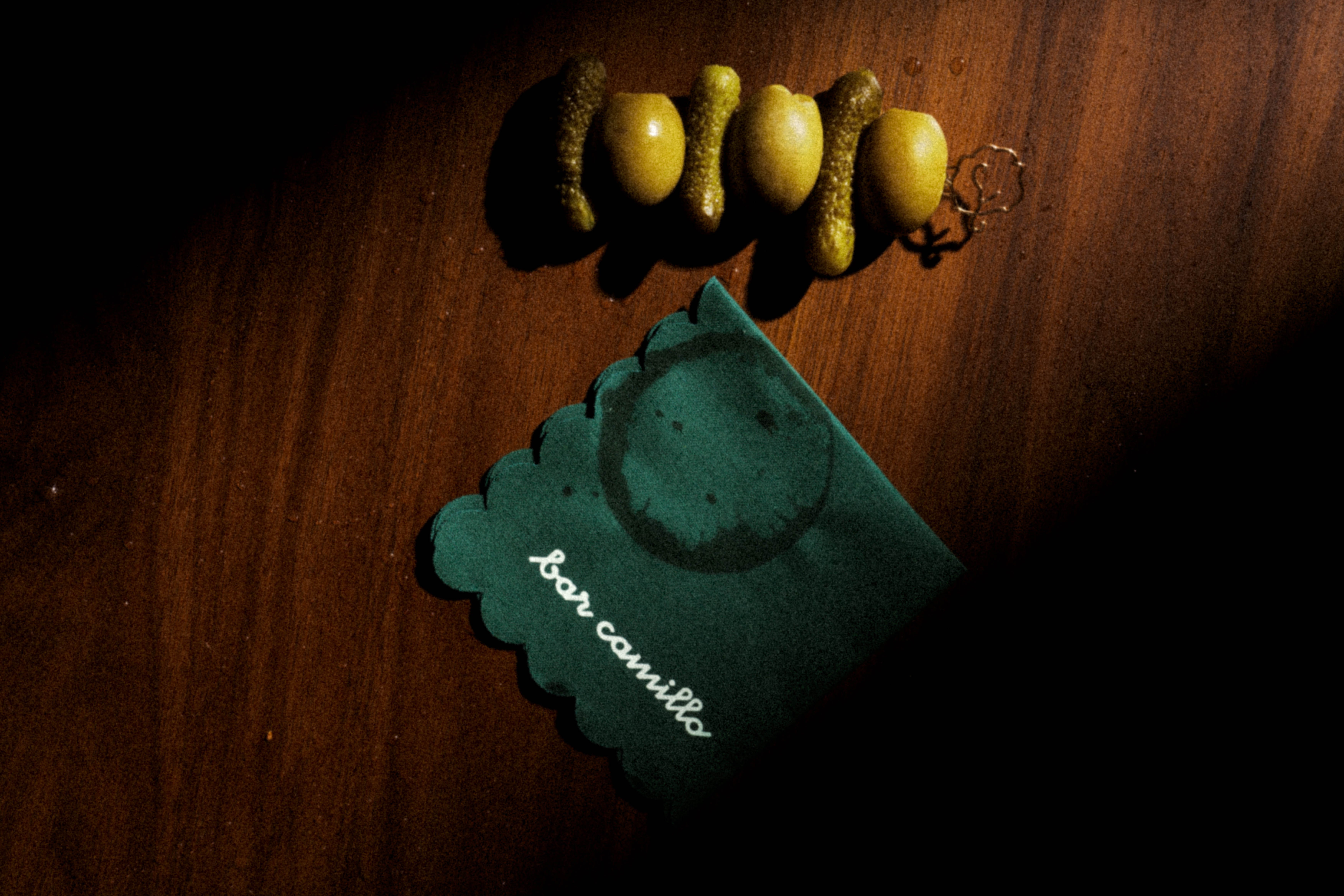
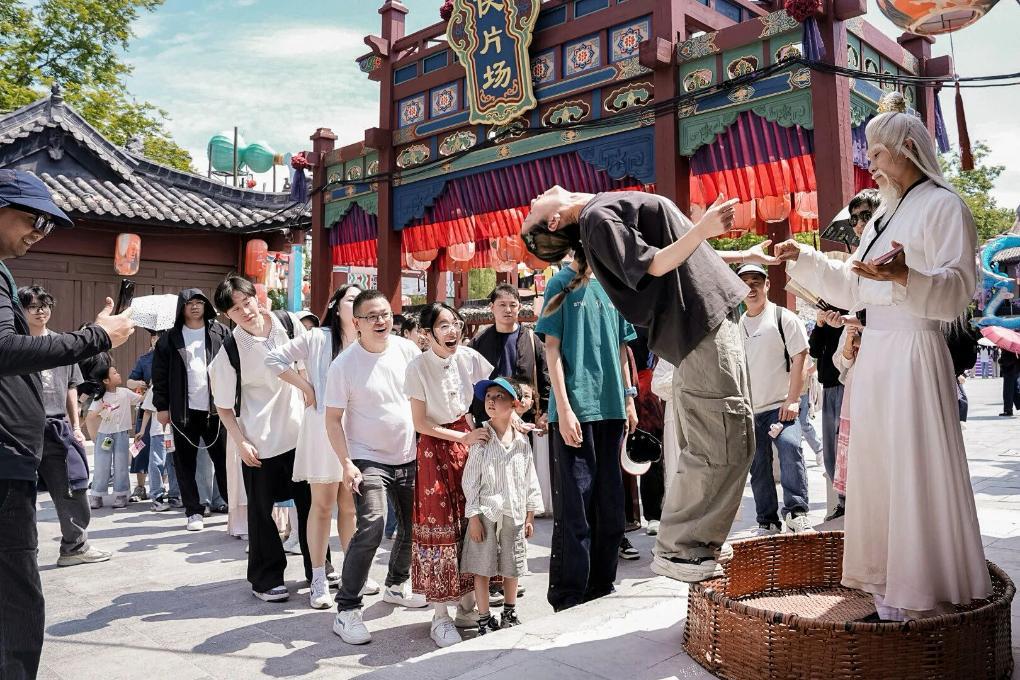
In the increasingly saturated landscape of hyper-curated mood boards, some netizens began satirizing the platform’s highbrow pursuit of aesthetics. This prompted flooding the “aesthetic accumulation” hashtag with meaningless and absurd images. Symbolizing this rebellious sentiment, the hashtag #万物皆可审美积累 (Wànwù jiē kě shěnměi jīlěi), or “Everything can be aesthetic accumulation,” later emerged, amassing over 800 million views on Xiaohongshu.
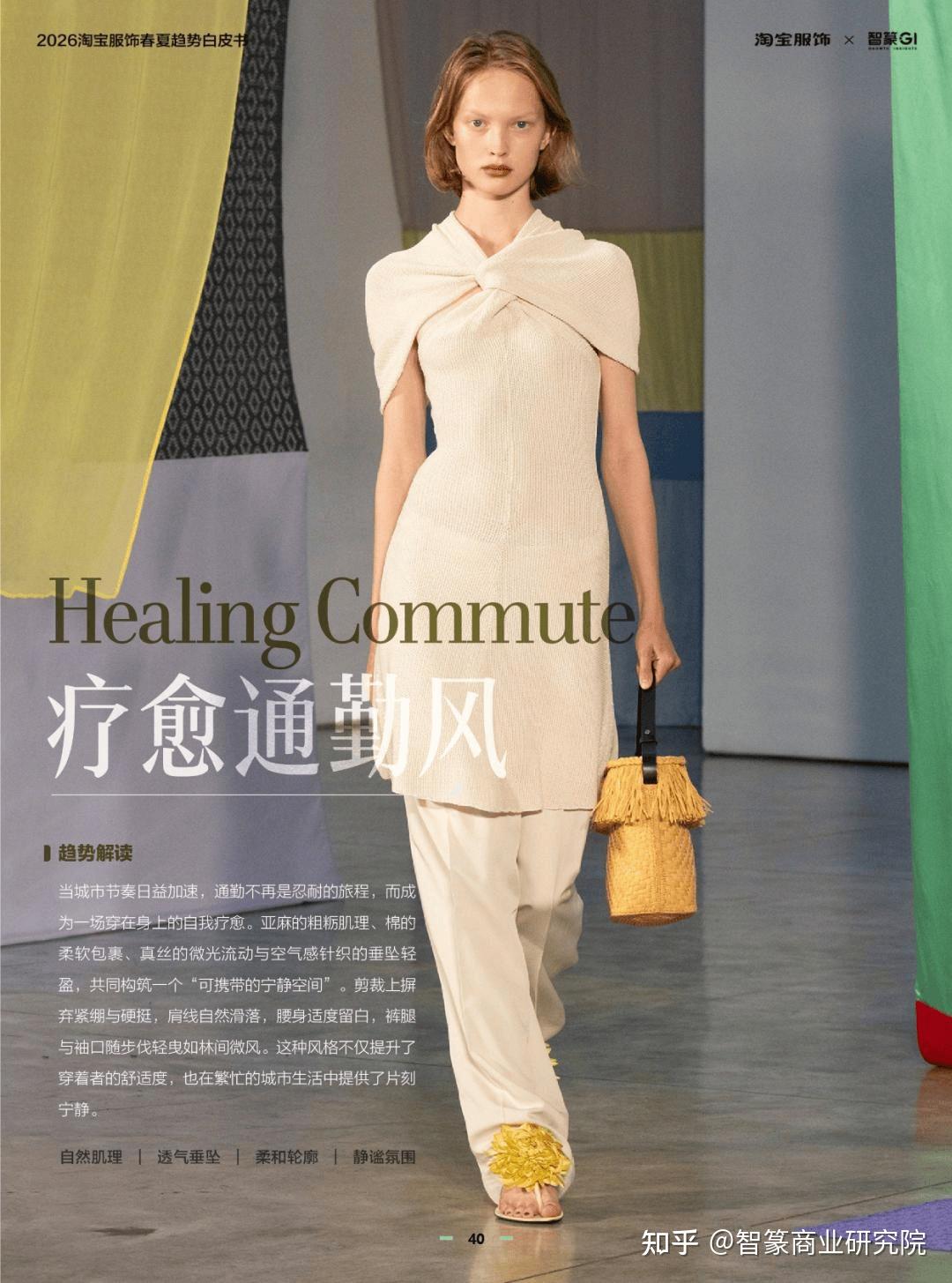
Indeed, rather than chasing curated lifestyles designed for external validation, many Chinese youth are instead looking inward and seeking out authentic experiences that offer 情绪价值 (Qíngxù jiàzhí), or “emotional value.” Recent reports by Taobao and Xiaohongshu show that Chinese fashion and luxury trends are increasingly driven by emotional resonance. This is seen from the rise of the “healing commute style” to preferences for spirit-boosting materials that provide “comfort and emotional stability across diverse life scenarios.” Even the 2025 Sohu Fashion Awards were held under the theme of 向心而行 (Xiàng xīn ér xíng), or “Moving Towards the Heart,” with the event’s core slogan being 我为自己而美 (Wǒ wèi zìjǐ ér měi), or “I am beautiful for myself.”
Prioritizing themselves and their own self-expression, China’s Gen Z has clearly decided that in 2026, they won’t be trying to stay ahead of a trend cycle that waits for no one.
Cover image via Xiaohongshu/ID: 567460190.