Feature image of You Can’t Put a Label on Artist Rutherford Chang

You Can’t Put a Label on Artist Rutherford Chang

7 mins read

7 mins read

Feature image of You Can’t Put a Label on Artist Rutherford Chang
RADII introduces the late artist who found meaning — and the punchline — in copper pennies, ironed receipts, and thousands of secondhand White Albums.

I was first introduced to the late Rutherford Chang and his work through Brian A. Wong, RADII’s founder, and a close friend of both Rutherford and his sister, Danielle. But it wasn’t until I started digging into the kind of art he made — and, more so, how he approached it, both in the making and in why he even wanted to start each art collection in the first place — that I truly started to appreciate the rare and often hilarious outlook on life that Rutherford carried.

Once you’ve seen his reasons for each collection, you’ll get it. At least, I felt like I did. You can grasp the written concept behind a piece without ever quite understanding why, say, the U.S. penny has to be the vessel for it. Me? I took a certain pride in simply enjoying the absurdity of it all, which I imagine is exactly how Rutherford looked at his work — and at life in general.

After the research I did for this piece, I honestly wish I’d had the chance to sit down with him and share that. To watch his face as I explained his own work back to him, hoping for a validating, “Haha, yes. You get it!”
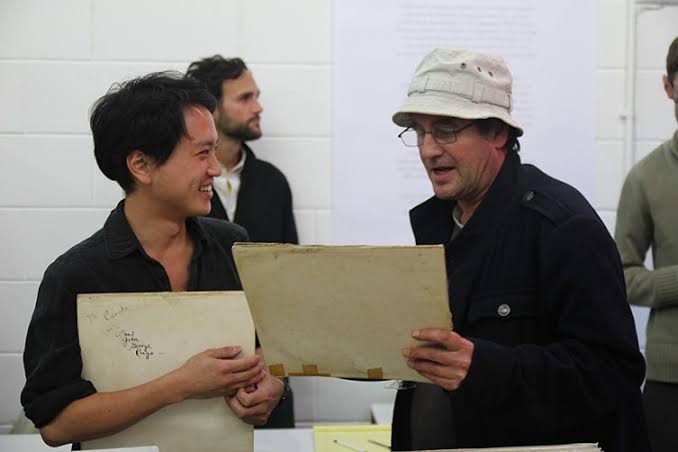
Rutherford (left) with an exhibit-goer at his We Buy White Album exhibit in Liverpool. Image via We-Heart.

From what I enjoyed discovering, Rutherford was a nerd for the everyday object, for the everyday system, for just how wonderfully weird this world is. I love that. Why wouldn’t you pour your focus into exploring the things that fascinate you, and enjoy yourself while you’re at it? And if you can find humor in it too, well, that’s the cherry on top!

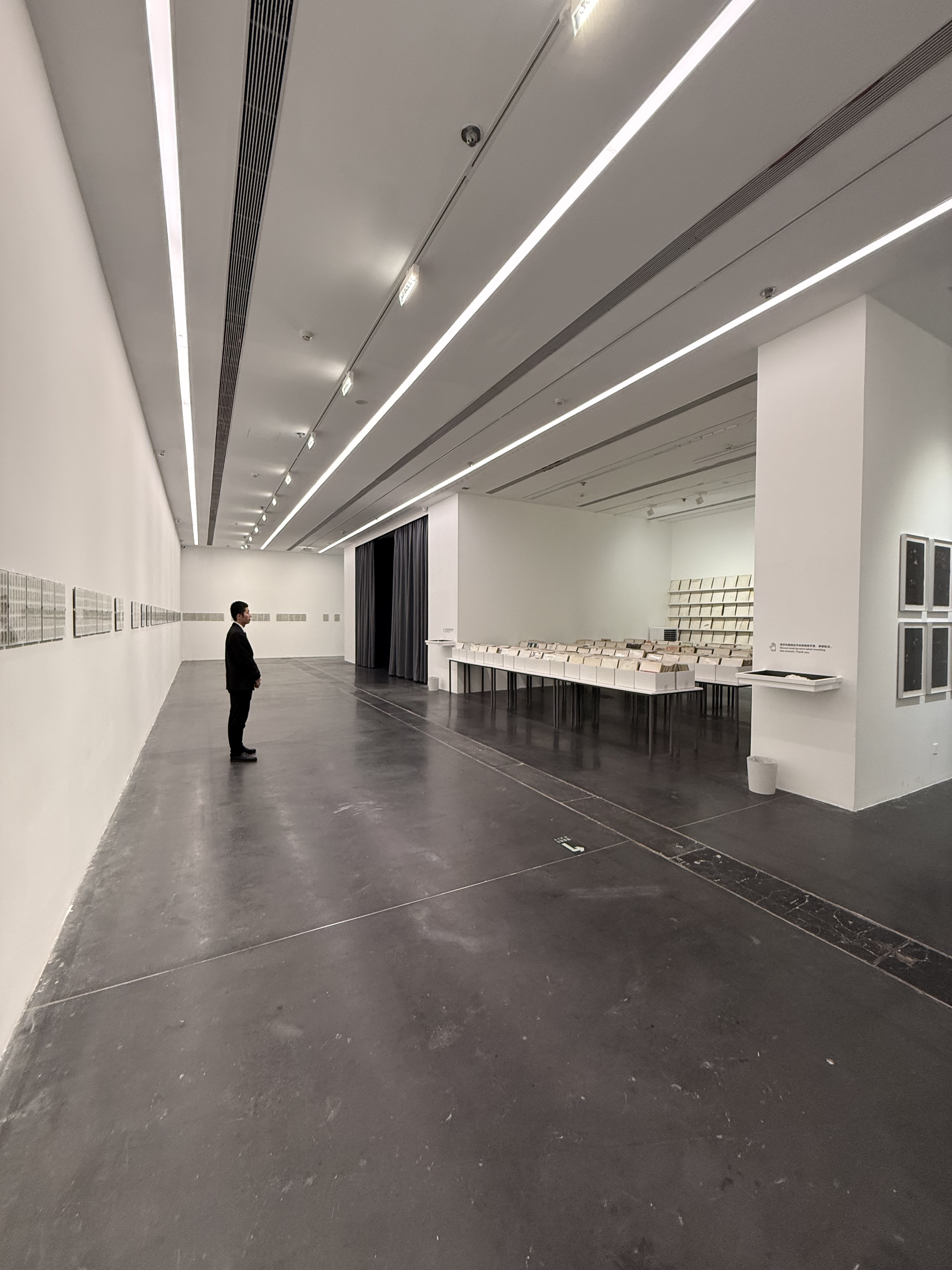
If his name is new to you: Rutherford, who passed away in 2025, was a New York-based conceptual artist who spent two decades turning the overlooked into art. Earlier this year, UCCA Center for Contemporary Art in Beijing staged his most comprehensive survey to date, “Rutherford Chang: Hundreds and Thousands,” and I made sure I was there. The space showcased We Buy White Albums, a “record store” stocked entirely with first-edition copies of the Beatles’ White Album, where nothing is for sale; CENTS, which featured 10,000 pre-1982 copper pennies, each photographed, then compressed into a 31-kilogram copper cube; Game Boy Tetris, more than 2,000 recordings of him doing exactly that, at a level that briefly ranked him second on the Twin Galaxies leaderboard in 2016; and more of his brilliantly tedious work.
But, as it turns out, Rutherford was a collector long before he was an artist. As a kid, he peeled the stickers off fruit to cover his binder and wore the same Goldfish-cracker shirt on repeat. “I was like, hmm, guy’s got a personality,” his older sister, Danielle Chang, tells me. “And he knows what he likes.”

It was Danielle who walked him into the art world. At 13, visiting New York for her college graduation, he went with her to a Damien Hirst exhibition and was, in her words, “just like, whoa.” When he later moved to the city for NYU, she—by then a gallerist and curator—took him along to galleries and introduced him to conceptual art, from Marcel Duchamp to the living artists in her circle. He fell for Andy Warhol, Jeff Koons, and the ’90s art world.

Danielle and I enjoying chatting about Rutherford. Her telling me his stories, me enjoying sitting back and listening.

He later transferred to Wesleyan University, where he majored in psychology but landed a studio art show anyway. That’s when he began to think of himself as an artist. He also got his hands on a label maker and started labeling the painfully obvious—the refrigerator, the computer…—until friends at Oberlin and other colleges were doing it too. Which is funny, because you really can’t put a label on Rutherford.

“He was very orderly, and he saw meaning in other people’s discarded objects,” Danielle says. One can argue that statement sums up his life’s work. He kept luggage tags, boarding passes, hotel stationery, and every scrap of postal tape that came his way. During his decade in China, when demolition was everywhere, and vendors blared yi kuai qian (一块钱, one yuan) through their loudspeakers, he bought the loudspeakers. He kept 20 years of receipts, too, ironed, binder-clipped, and filed in a banker’s box: a diary of his life, in paper form. The last one in the box is from his final meal, a Chipotle burrito.

His art ran on the same instincts, plus rules, most of them borderline impossible. Every copy in We Buy White Albums had to be a first edition bought for under 10 USD, shipping included, and logged in an incredibly detailed spreadsheet. (He did eventually allow for inflation, but never by much.) The pennies in CENTS had to be pre-1982 copper, and rather than simply buying them, he sorted through coins for years and even walked beaches with a metal detector. Brian, who dropped into our call partway through, had a more practical take: “I could have given him a ton of pennies sitting in my parents’ attic, man.” And why 10,000? To Rutherford, the number stood for everything under the sky.

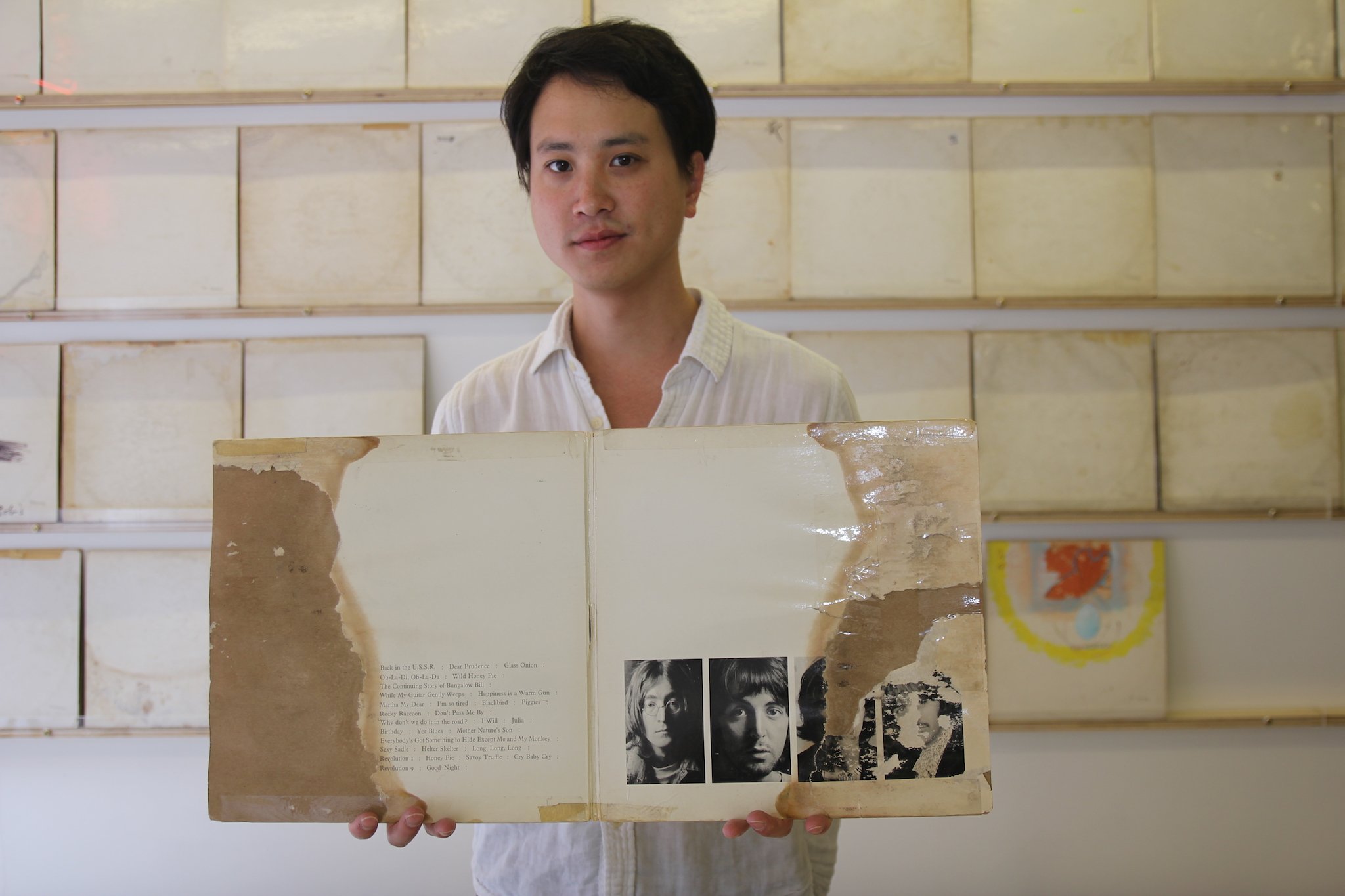
Rutherford proudly presenting his collection of 3,000+ copies of 1st edition The Beatles’ The White Album. Image via

“He sets up these impossible tasks for himself,” Danielle says. “I think it was, you know, the absurdity of it that appealed to him.” Even the White Album was never about the music. “He hated the Beatles, by the way,” she adds. What drew him in were “these seemingly benign or empty vessels that actually contain so much meaning for people, like the empty design of the White Albums.” Well, there’s my answer about the penny.

He was funny, too, often at someone else’s expense and just as often at his own. One late-’90s night at M on the Bund in Shanghai, he convinced a partygoer that his Fisherman’s Friend lozenges were a cocktail of hard drugs. The guy took half and announced he was “really doing it.” “OG troll,” says Brian, who was there. And if any of this sounds a little weird, Brian would like a word: “He’s a genius, not a weirdo.”

He also had a gift for disappearing. He wore a uniform of faded black Levi’s 501s and a plain white button-down, lived in a Chinatown walk-up by choice, and never chased luxury. His friend Shane Boris, as Danielle tells it, once said Rutherford could talk to anyone in any bar, or just sit back and observe, and “nobody would know that they just missed out on talking to the most interesting person in the room.” A former Boy Scout, he was also a fierce keeper of fires. Nobody else touched the wood, and he’d keep one going, along with the conversation, all night.

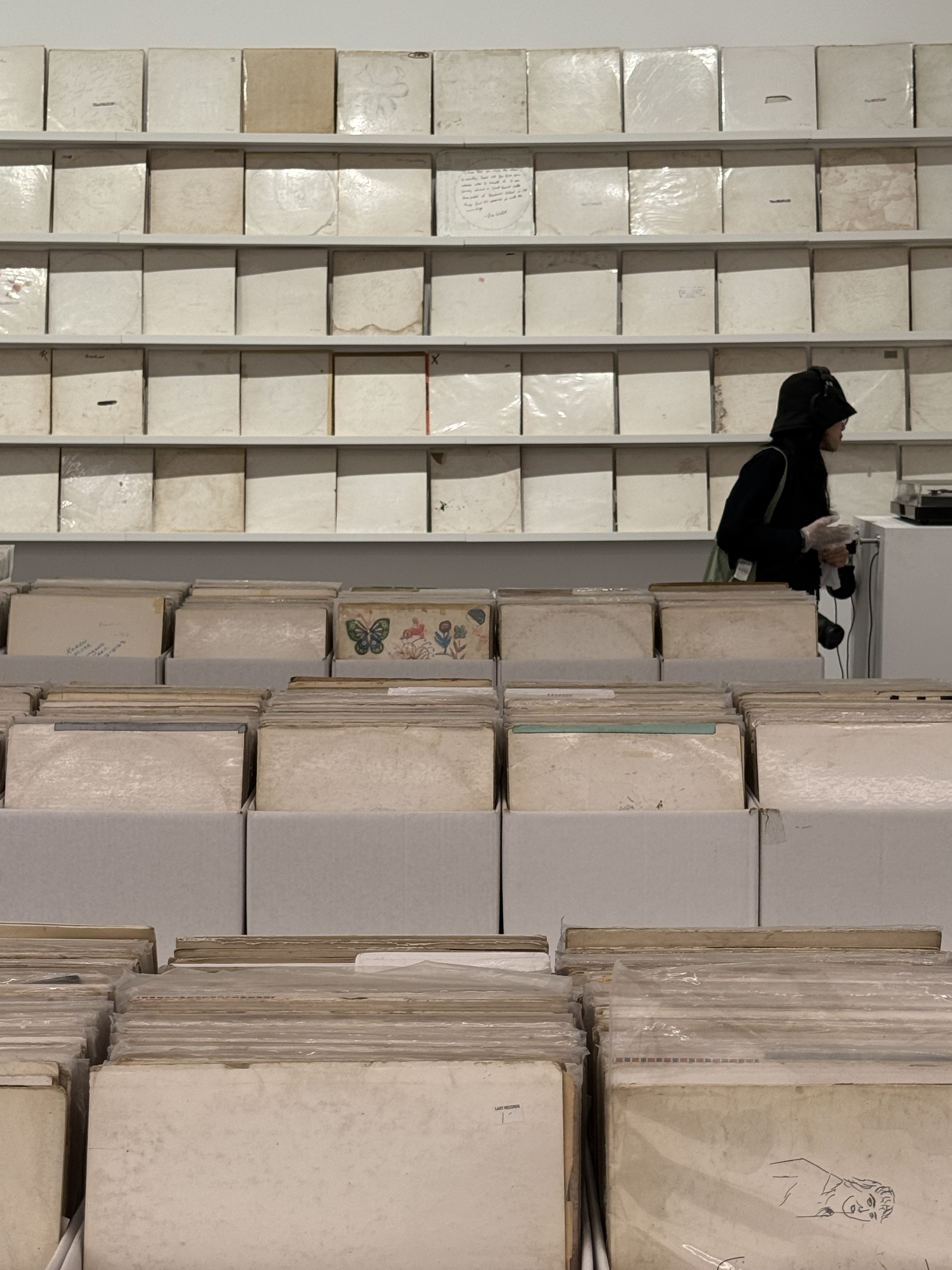
My journey into Rutherford’s world didn’t end in Beijing. GOLD, the contemporary art salon Serakai Studio runs out of a former bank and jewelry shop in Wong Chuk Hang, has brought We Buy White Albums—now an ongoing project continued by the Estate of Rutherford Chang, which Danielle set up last year—to Hong Kong as “Side B” of its current exhibition, “records.” Side A is a listening library of experimental sound picked by artists and DJs from Hong Kong, Tokyo, and Bangkok; Side B is more than 3,000 copies of the same Beatles record. The show runs through Saturday, December 19, so make sure you visit it if you’re in town.

I was lucky enough to experience We Buy White Albums in Beijing, but seeing it back home in Hong Kong, where I could bring my own friends along, was genuinely touching and a happy coincidence for this article. RADII works with GOLD a lot, so I was quick to reach out (just as their invite came through, right on cue) to sit down with Danielle again, this time alongside their mom.

Full circle moment when I got to sit down with Danielle Chang and her mom, to reminisce about Rutherford beyond him as an artist.

She shared wonderful anecdotes about Rutherford growing up: how he was always fascinated by the parts of life and the things that others would easily disregard or never notice. She also opened up and admitted that it took her too long to see the beauty in that. Raising Rutherford and his siblings, she couldn’t always appreciate the way he thought. Like most mothers, she worried about his well-being and his future. Collecting comics, coins, and random artifacts isn’t exactly something an Asian mom parades around to her peers (I know this firsthand). But such is the life of an artist. Artists see the world in a unique and brilliant way that doesn’t come as easily to the rest of us.

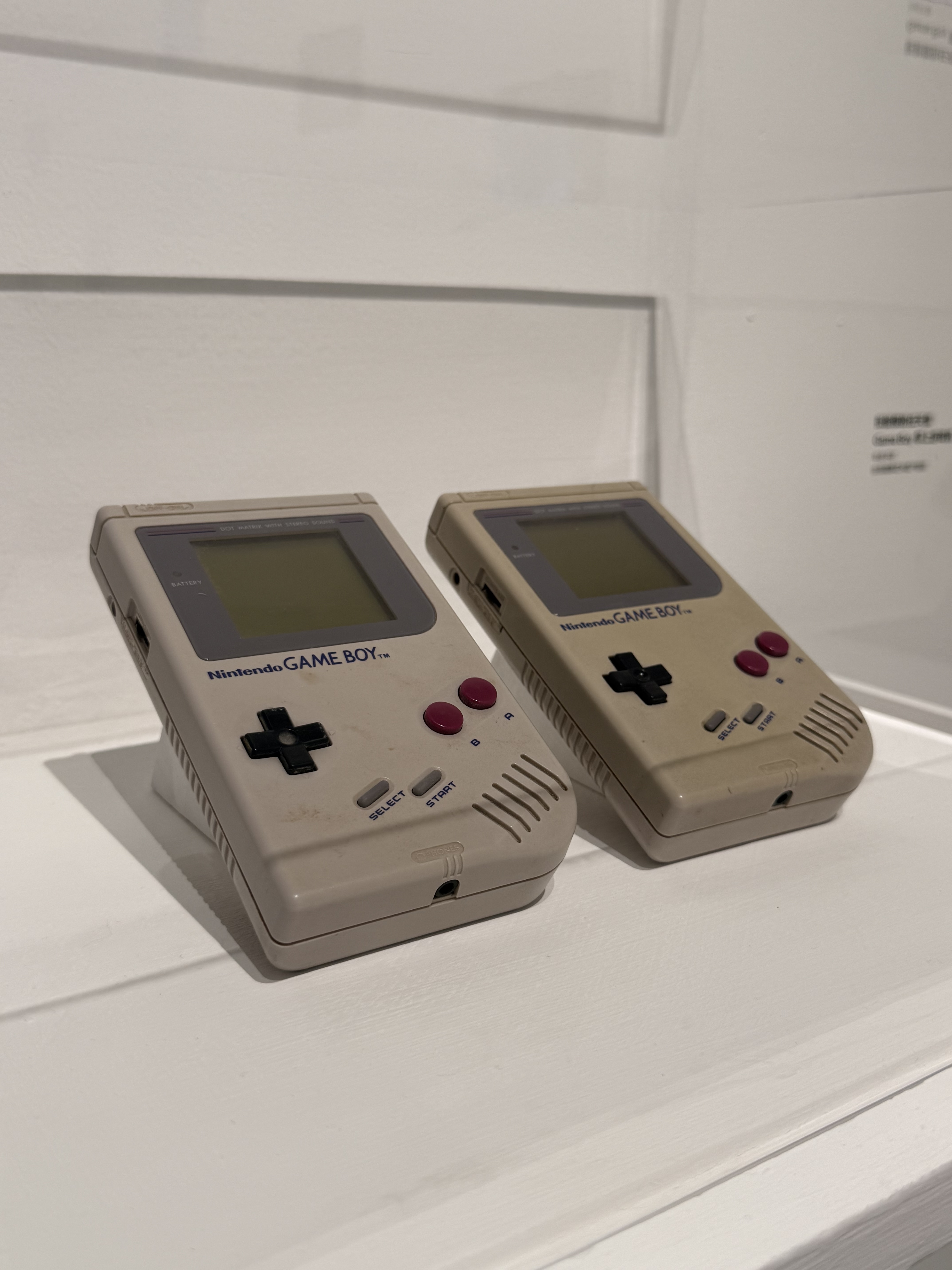
Rutherford’s Game Boy Tetris, where he meticulously played Tetris to the point of becoming the number 2 player in the world — all recorded.

The White Album’s cover, designed by pop artist Richard Hamilton, was meant to be almost nothing: a plain white sleeve bearing only the band’s name, embossed, and a stamped serial number. Nearly six decades on, no two copies in Rutherford’s collection look alike. Their owners filled them in with doodles, dedications, stains, even mold. Nothing, it turns out, stays blank for long.

It’s hard not to see Rutherford in them. A plain white sleeve, a plain white shirt. An ordinary-looking vessel, holding far more than any passerby would guess.

Most of us spend our lives looking past things: the change in our pockets, the receipt at the bottom of the bag, the plain white vinyl sleeve in the bargain bin. Rutherford spent his looking at them—closely, absurdly, lovingly—until they gave something back. That’s the gift he left behind. Not an answer, exactly, but an invitation: Pay attention. Laugh while you’re at it. And keep the fire going.

Cover image via The Creative Independent.

NEWSLETTER

Get weekly top picks and exclusive, newsletter only content delivered straight to you inbox.

NEWSLETTER

Get weekly top picks and exclusive, newsletter only content delivered straight to you inbox.

RADII NEWSLETTER

Get weekly top picks and exclusive, newsletter only content delivered straight to you inbox

Feature image of You Can’t Put a Label on Artist Rutherford Chang

You Can’t Put a Label on Artist Rutherford Chang

7 mins read

RADII introduces the late artist who found meaning — and the punchline — in copper pennies, ironed receipts, and thousands of secondhand White Albums.

I was first introduced to the late Rutherford Chang and his work through Brian A. Wong, RADII’s founder, and a close friend of both Rutherford and his sister, Danielle. But it wasn’t until I started digging into the kind of art he made — and, more so, how he approached it, both in the making and in why he even wanted to start each art collection in the first place — that I truly started to appreciate the rare and often hilarious outlook on life that Rutherford carried.

Once you’ve seen his reasons for each collection, you’ll get it. At least, I felt like I did. You can grasp the written concept behind a piece without ever quite understanding why, say, the U.S. penny has to be the vessel for it. Me? I took a certain pride in simply enjoying the absurdity of it all, which I imagine is exactly how Rutherford looked at his work — and at life in general.

After the research I did for this piece, I honestly wish I’d had the chance to sit down with him and share that. To watch his face as I explained his own work back to him, hoping for a validating, “Haha, yes. You get it!”

Rutherford (left) with an exhibit-goer at his We Buy White Album exhibit in Liverpool. Image via We-Heart.

From what I enjoyed discovering, Rutherford was a nerd for the everyday object, for the everyday system, for just how wonderfully weird this world is. I love that. Why wouldn’t you pour your focus into exploring the things that fascinate you, and enjoy yourself while you’re at it? And if you can find humor in it too, well, that’s the cherry on top!

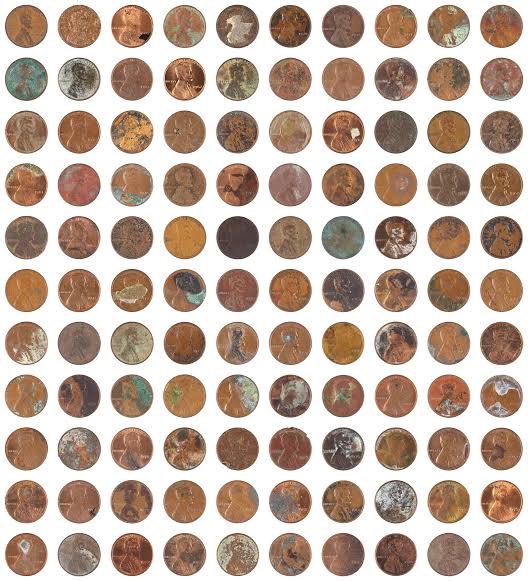
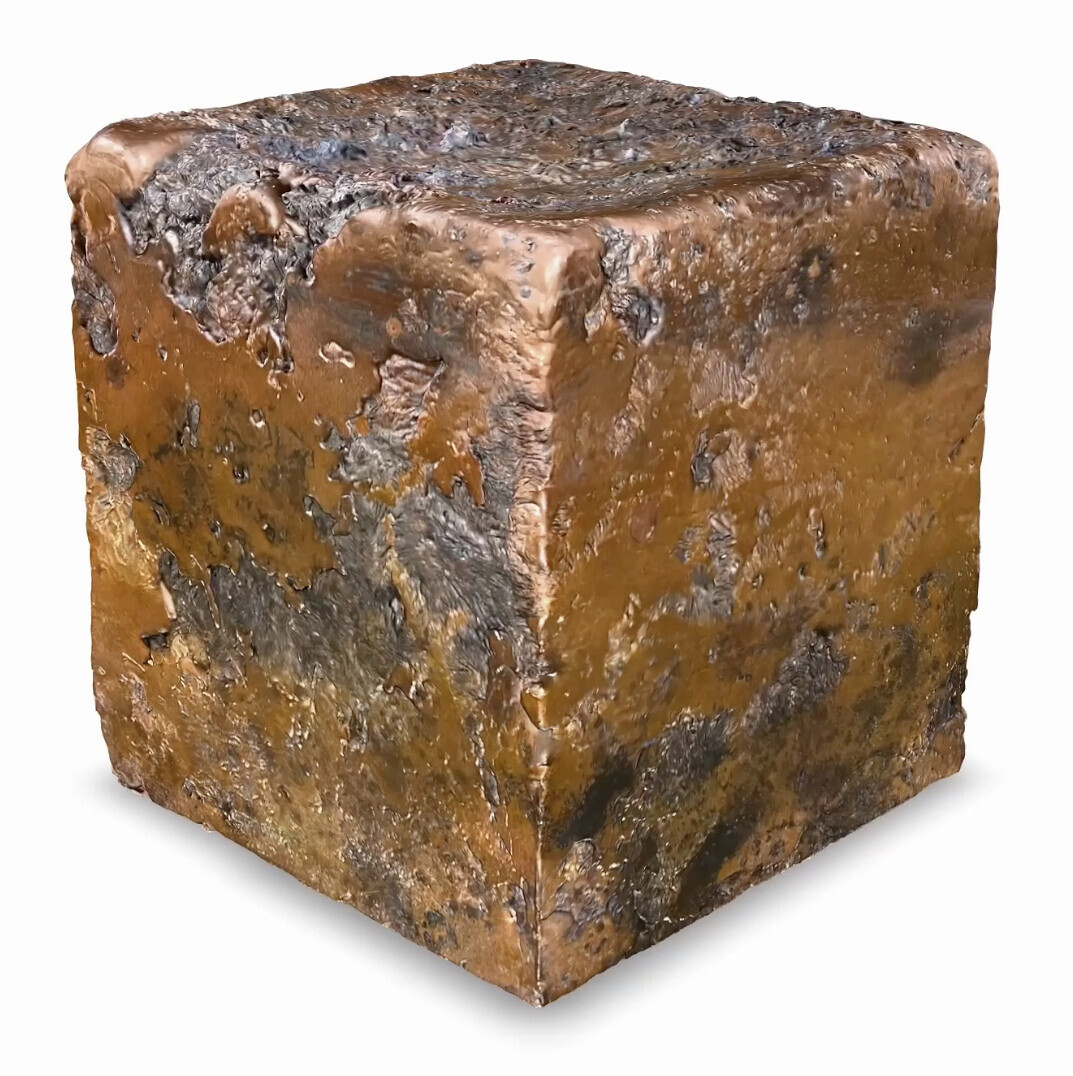
If his name is new to you: Rutherford, who passed away in 2025, was a New York-based conceptual artist who spent two decades turning the overlooked into art. Earlier this year, UCCA Center for Contemporary Art in Beijing staged his most comprehensive survey to date, “Rutherford Chang: Hundreds and Thousands,” and I made sure I was there. The space showcased We Buy White Albums, a “record store” stocked entirely with first-edition copies of the Beatles’ White Album, where nothing is for sale; CENTS, which featured 10,000 pre-1982 copper pennies, each photographed, then compressed into a 31-kilogram copper cube; Game Boy Tetris, more than 2,000 recordings of him doing exactly that, at a level that briefly ranked him second on the Twin Galaxies leaderboard in 2016; and more of his brilliantly tedious work.
But, as it turns out, Rutherford was a collector long before he was an artist. As a kid, he peeled the stickers off fruit to cover his binder and wore the same Goldfish-cracker shirt on repeat. “I was like, hmm, guy’s got a personality,” his older sister, Danielle Chang, tells me. “And he knows what he likes.”

It was Danielle who walked him into the art world. At 13, visiting New York for her college graduation, he went with her to a Damien Hirst exhibition and was, in her words, “just like, whoa.” When he later moved to the city for NYU, she—by then a gallerist and curator—took him along to galleries and introduced him to conceptual art, from Marcel Duchamp to the living artists in her circle. He fell for Andy Warhol, Jeff Koons, and the ’90s art world.

Danielle and I enjoying chatting about Rutherford. Her telling me his stories, me enjoying sitting back and listening.

He later transferred to Wesleyan University, where he majored in psychology but landed a studio art show anyway. That’s when he began to think of himself as an artist. He also got his hands on a label maker and started labeling the painfully obvious—the refrigerator, the computer…—until friends at Oberlin and other colleges were doing it too. Which is funny, because you really can’t put a label on Rutherford.

“He was very orderly, and he saw meaning in other people’s discarded objects,” Danielle says. One can argue that statement sums up his life’s work. He kept luggage tags, boarding passes, hotel stationery, and every scrap of postal tape that came his way. During his decade in China, when demolition was everywhere, and vendors blared yi kuai qian (一块钱, one yuan) through their loudspeakers, he bought the loudspeakers. He kept 20 years of receipts, too, ironed, binder-clipped, and filed in a banker’s box: a diary of his life, in paper form. The last one in the box is from his final meal, a Chipotle burrito.

His art ran on the same instincts, plus rules, most of them borderline impossible. Every copy in We Buy White Albums had to be a first edition bought for under 10 USD, shipping included, and logged in an incredibly detailed spreadsheet. (He did eventually allow for inflation, but never by much.) The pennies in CENTS had to be pre-1982 copper, and rather than simply buying them, he sorted through coins for years and even walked beaches with a metal detector. Brian, who dropped into our call partway through, had a more practical take: “I could have given him a ton of pennies sitting in my parents’ attic, man.” And why 10,000? To Rutherford, the number stood for everything under the sky.
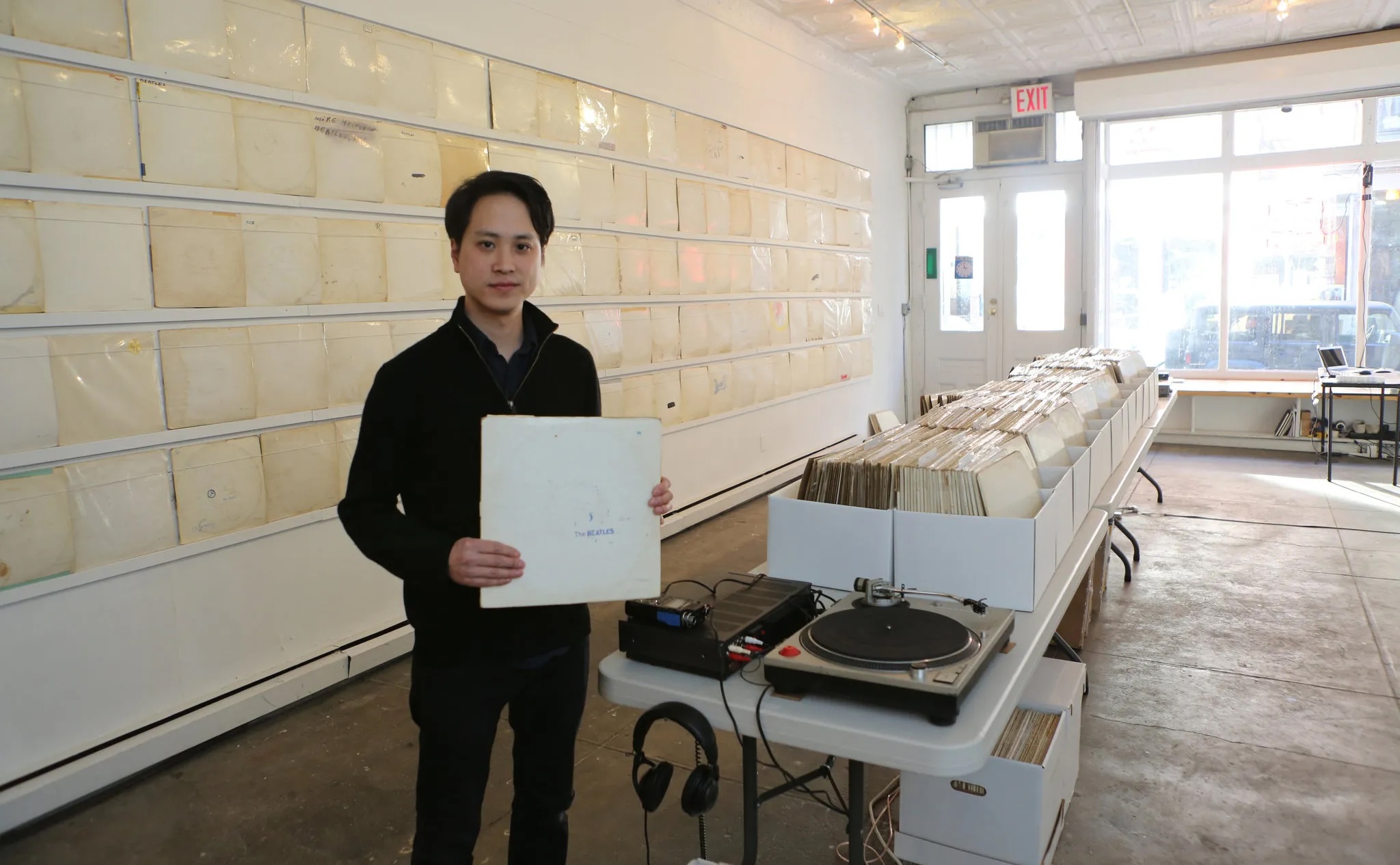
Rutherford proudly presenting his collection of 3,000+ copies of 1st edition The Beatles’ The White Album. Image via

“He sets up these impossible tasks for himself,” Danielle says. “I think it was, you know, the absurdity of it that appealed to him.” Even the White Album was never about the music. “He hated the Beatles, by the way,” she adds. What drew him in were “these seemingly benign or empty vessels that actually contain so much meaning for people, like the empty design of the White Albums.” Well, there’s my answer about the penny.
He was funny, too, often at someone else’s expense and just as often at his own. One late-’90s night at M on the Bund in Shanghai, he convinced a partygoer that his Fisherman’s Friend lozenges were a cocktail of hard drugs. The guy took half and announced he was “really doing it.” “OG troll,” says Brian, who was there. And if any of this sounds a little weird, Brian would like a word: “He’s a genius, not a weirdo.”

He also had a gift for disappearing. He wore a uniform of faded black Levi’s 501s and a plain white button-down, lived in a Chinatown walk-up by choice, and never chased luxury. His friend Shane Boris, as Danielle tells it, once said Rutherford could talk to anyone in any bar, or just sit back and observe, and “nobody would know that they just missed out on talking to the most interesting person in the room.” A former Boy Scout, he was also a fierce keeper of fires. Nobody else touched the wood, and he’d keep one going, along with the conversation, all night.
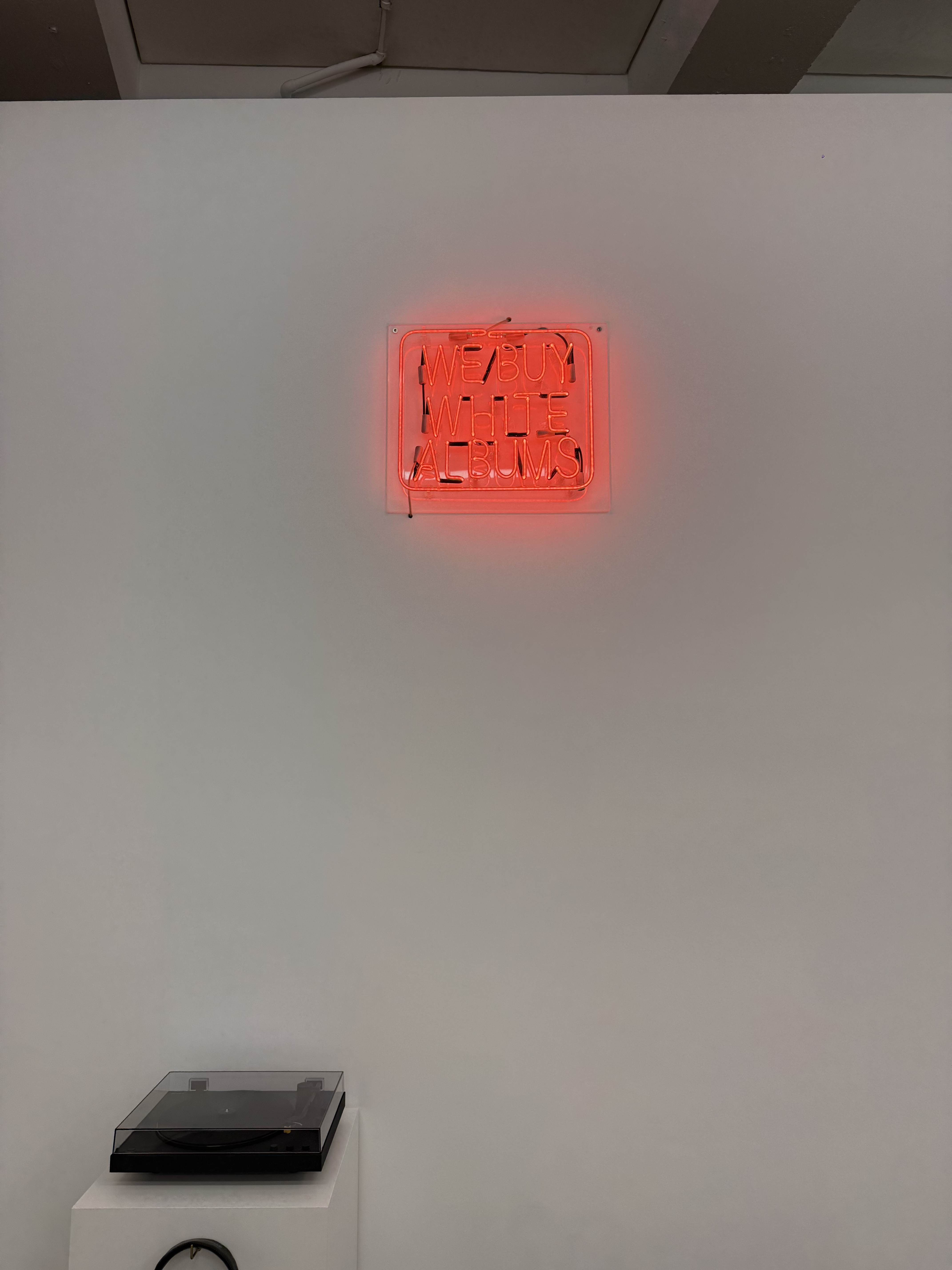
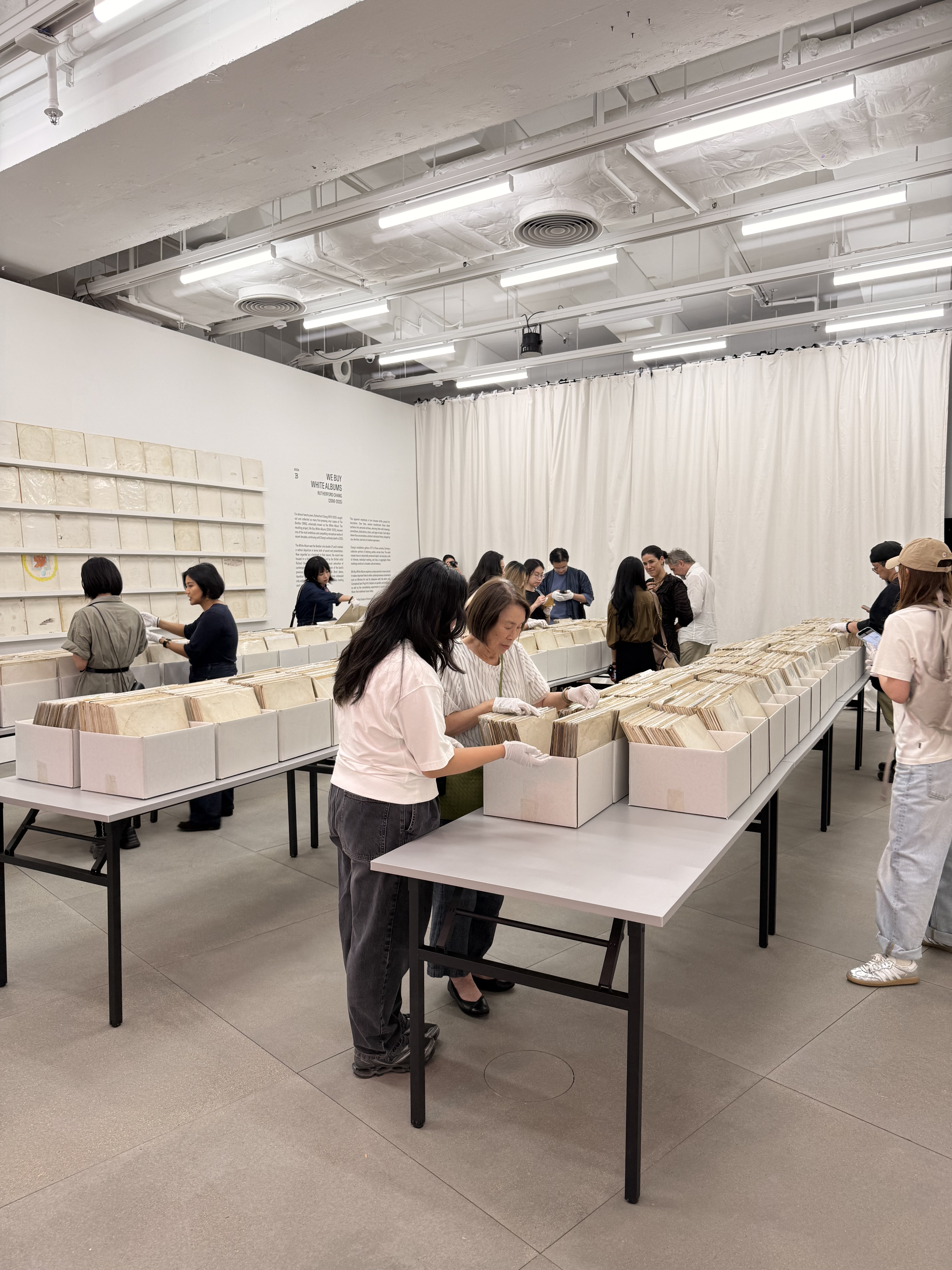
My journey into Rutherford’s world didn’t end in Beijing. GOLD, the contemporary art salon Serakai Studio runs out of a former bank and jewelry shop in Wong Chuk Hang, has brought We Buy White Albums—now an ongoing project continued by the Estate of Rutherford Chang, which Danielle set up last year—to Hong Kong as “Side B” of its current exhibition, “records.” Side A is a listening library of experimental sound picked by artists and DJs from Hong Kong, Tokyo, and Bangkok; Side B is more than 3,000 copies of the same Beatles record. The show runs through Saturday, December 19, so make sure you visit it if you’re in town.
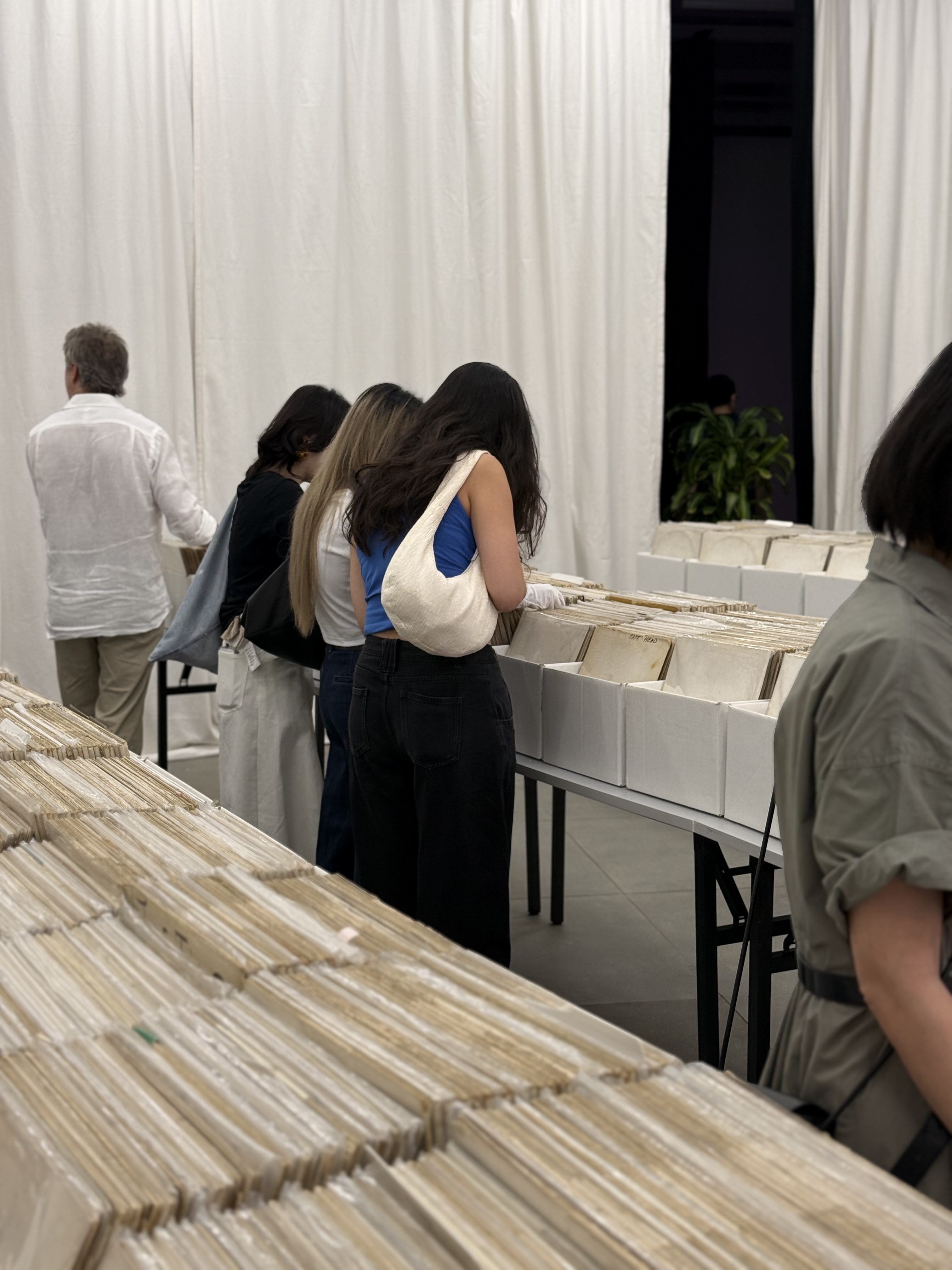
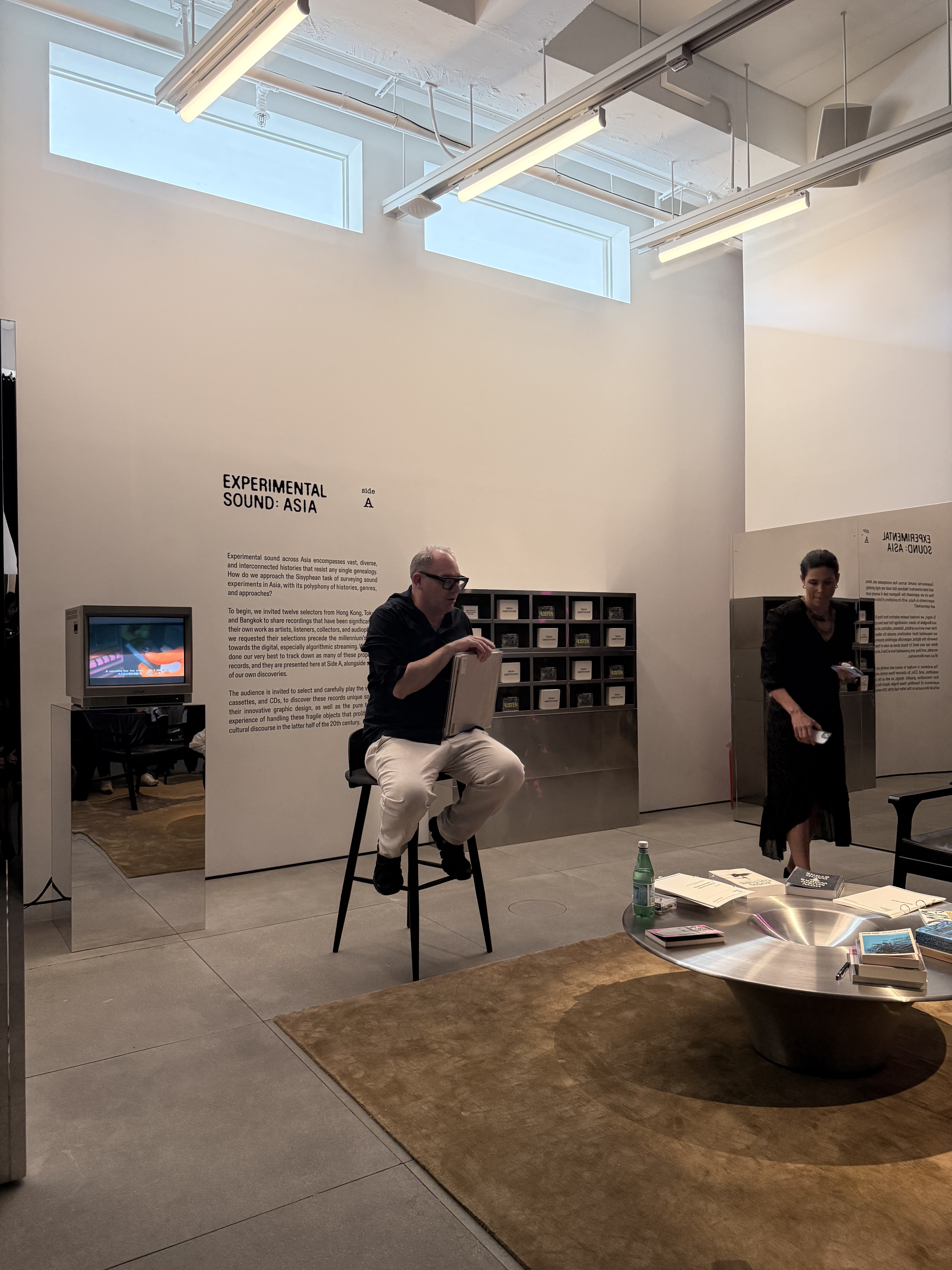
I was lucky enough to experience We Buy White Albums in Beijing, but seeing it back home in Hong Kong, where I could bring my own friends along, was genuinely touching and a happy coincidence for this article. RADII works with GOLD a lot, so I was quick to reach out (just as their invite came through, right on cue) to sit down with Danielle again, this time alongside their mom.

Full circle moment when I got to sit down with Danielle Chang and her mom, to reminisce about Rutherford beyond him as an artist.

She shared wonderful anecdotes about Rutherford growing up: how he was always fascinated by the parts of life and the things that others would easily disregard or never notice. She also opened up and admitted that it took her too long to see the beauty in that. Raising Rutherford and his siblings, she couldn’t always appreciate the way he thought. Like most mothers, she worried about his well-being and his future. Collecting comics, coins, and random artifacts isn’t exactly something an Asian mom parades around to her peers (I know this firsthand). But such is the life of an artist. Artists see the world in a unique and brilliant way that doesn’t come as easily to the rest of us.
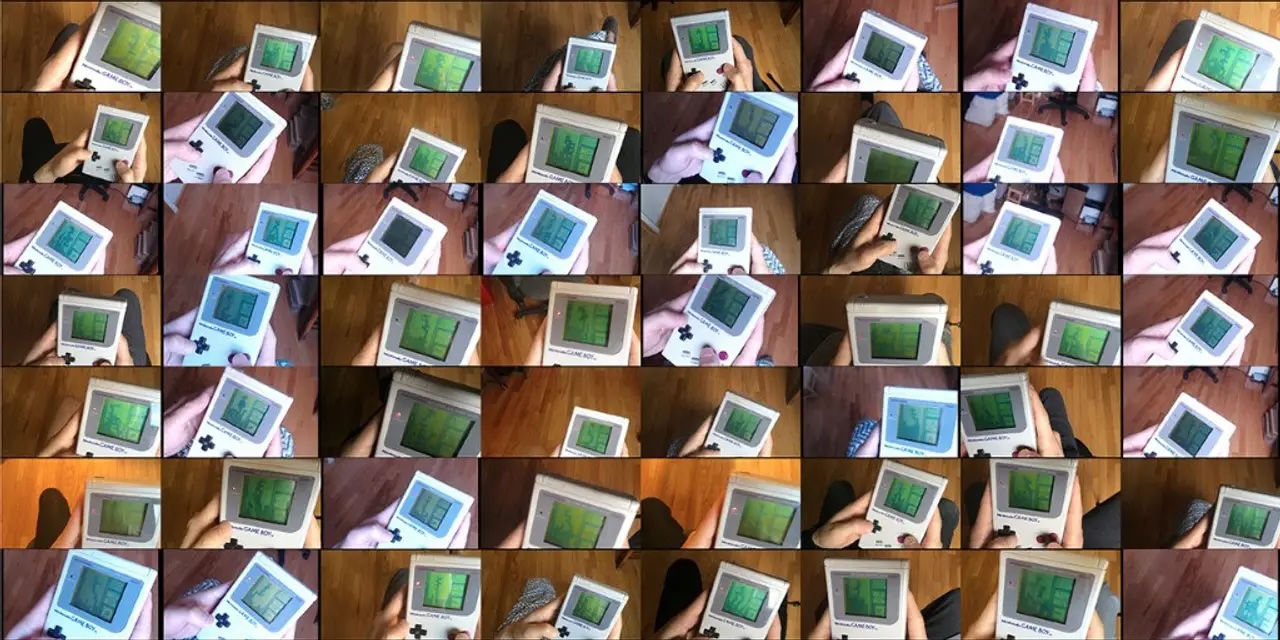
Rutherford’s Game Boy Tetris, where he meticulously played Tetris to the point of becoming the number 2 player in the world — all recorded.

The White Album’s cover, designed by pop artist Richard Hamilton, was meant to be almost nothing: a plain white sleeve bearing only the band’s name, embossed, and a stamped serial number. Nearly six decades on, no two copies in Rutherford’s collection look alike. Their owners filled them in with doodles, dedications, stains, even mold. Nothing, it turns out, stays blank for long.

It’s hard not to see Rutherford in them. A plain white sleeve, a plain white shirt. An ordinary-looking vessel, holding far more than any passerby would guess.

Most of us spend our lives looking past things: the change in our pockets, the receipt at the bottom of the bag, the plain white vinyl sleeve in the bargain bin. Rutherford spent his looking at them—closely, absurdly, lovingly—until they gave something back. That’s the gift he left behind. Not an answer, exactly, but an invitation: Pay attention. Laugh while you’re at it. And keep the fire going.

Cover image via The Creative Independent.

NEWSLETTER

Get weekly top picks and exclusive, newsletter only content delivered straight to you inbox.

RADII NEWSLETTER

Get weekly top picks and exclusive, newsletter only content delivered straight to you inbox

RELATED POSTS

Feature image of You Can’t Put a Label on Artist Rutherford Chang

You Can’t Put a Label on Artist Rutherford Chang

7 mins read

7 mins read

Feature image of You Can’t Put a Label on Artist Rutherford Chang
RADII introduces the late artist who found meaning — and the punchline — in copper pennies, ironed receipts, and thousands of secondhand White Albums.

I was first introduced to the late Rutherford Chang and his work through Brian A. Wong, RADII’s founder, and a close friend of both Rutherford and his sister, Danielle. But it wasn’t until I started digging into the kind of art he made — and, more so, how he approached it, both in the making and in why he even wanted to start each art collection in the first place — that I truly started to appreciate the rare and often hilarious outlook on life that Rutherford carried.

Once you’ve seen his reasons for each collection, you’ll get it. At least, I felt like I did. You can grasp the written concept behind a piece without ever quite understanding why, say, the U.S. penny has to be the vessel for it. Me? I took a certain pride in simply enjoying the absurdity of it all, which I imagine is exactly how Rutherford looked at his work — and at life in general.

After the research I did for this piece, I honestly wish I’d had the chance to sit down with him and share that. To watch his face as I explained his own work back to him, hoping for a validating, “Haha, yes. You get it!”

Rutherford (left) with an exhibit-goer at his We Buy White Album exhibit in Liverpool. Image via We-Heart.

From what I enjoyed discovering, Rutherford was a nerd for the everyday object, for the everyday system, for just how wonderfully weird this world is. I love that. Why wouldn’t you pour your focus into exploring the things that fascinate you, and enjoy yourself while you’re at it? And if you can find humor in it too, well, that’s the cherry on top!

If his name is new to you: Rutherford, who passed away in 2025, was a New York-based conceptual artist who spent two decades turning the overlooked into art. Earlier this year, UCCA Center for Contemporary Art in Beijing staged his most comprehensive survey to date, “Rutherford Chang: Hundreds and Thousands,” and I made sure I was there. The space showcased We Buy White Albums, a “record store” stocked entirely with first-edition copies of the Beatles’ White Album, where nothing is for sale; CENTS, which featured 10,000 pre-1982 copper pennies, each photographed, then compressed into a 31-kilogram copper cube; Game Boy Tetris, more than 2,000 recordings of him doing exactly that, at a level that briefly ranked him second on the Twin Galaxies leaderboard in 2016; and more of his brilliantly tedious work.

But, as it turns out, Rutherford was a collector long before he was an artist. As a kid, he peeled the stickers off fruit to cover his binder and wore the same Goldfish-cracker shirt on repeat. “I was like, hmm, guy’s got a personality,” his older sister, Danielle Chang, tells me. “And he knows what he likes.”

It was Danielle who walked him into the art world. At 13, visiting New York for her college graduation, he went with her to a Damien Hirst exhibition and was, in her words, “just like, whoa.” When he later moved to the city for NYU, she—by then a gallerist and curator—took him along to galleries and introduced him to conceptual art, from Marcel Duchamp to the living artists in her circle. He fell for Andy Warhol, Jeff Koons, and the ’90s art world.

Danielle and I enjoying chatting about Rutherford. Her telling me his stories, me enjoying sitting back and listening.

He later transferred to Wesleyan University, where he majored in psychology but landed a studio art show anyway. That’s when he began to think of himself as an artist. He also got his hands on a label maker and started labeling the painfully obvious—the refrigerator, the computer…—until friends at Oberlin and other colleges were doing it too. Which is funny, because you really can’t put a label on Rutherford.

“He was very orderly, and he saw meaning in other people’s discarded objects,” Danielle says. One can argue that statement sums up his life’s work. He kept luggage tags, boarding passes, hotel stationery, and every scrap of postal tape that came his way. During his decade in China, when demolition was everywhere, and vendors blared yi kuai qian (一块钱, one yuan) through their loudspeakers, he bought the loudspeakers. He kept 20 years of receipts, too, ironed, binder-clipped, and filed in a banker’s box: a diary of his life, in paper form. The last one in the box is from his final meal, a Chipotle burrito.

His art ran on the same instincts, plus rules, most of them borderline impossible. Every copy in We Buy White Albums had to be a first edition bought for under 10 USD, shipping included, and logged in an incredibly detailed spreadsheet. (He did eventually allow for inflation, but never by much.) The pennies in CENTS had to be pre-1982 copper, and rather than simply buying them, he sorted through coins for years and even walked beaches with a metal detector. Brian, who dropped into our call partway through, had a more practical take: “I could have given him a ton of pennies sitting in my parents’ attic, man.” And why 10,000? To Rutherford, the number stood for everything under the sky.

Rutherford proudly presenting his collection of 3,000+ copies of 1st edition The Beatles’ The White Album. Image via

“He sets up these impossible tasks for himself,” Danielle says. “I think it was, you know, the absurdity of it that appealed to him.” Even the White Album was never about the music. “He hated the Beatles, by the way,” she adds. What drew him in were “these seemingly benign or empty vessels that actually contain so much meaning for people, like the empty design of the White Albums.” Well, there’s my answer about the penny.

He was funny, too, often at someone else’s expense and just as often at his own. One late-’90s night at M on the Bund in Shanghai, he convinced a partygoer that his Fisherman’s Friend lozenges were a cocktail of hard drugs. The guy took half and announced he was “really doing it.” “OG troll,” says Brian, who was there. And if any of this sounds a little weird, Brian would like a word: “He’s a genius, not a weirdo.”

He also had a gift for disappearing. He wore a uniform of faded black Levi’s 501s and a plain white button-down, lived in a Chinatown walk-up by choice, and never chased luxury. His friend Shane Boris, as Danielle tells it, once said Rutherford could talk to anyone in any bar, or just sit back and observe, and “nobody would know that they just missed out on talking to the most interesting person in the room.” A former Boy Scout, he was also a fierce keeper of fires. Nobody else touched the wood, and he’d keep one going, along with the conversation, all night.

My journey into Rutherford’s world didn’t end in Beijing. GOLD, the contemporary art salon Serakai Studio runs out of a former bank and jewelry shop in Wong Chuk Hang, has brought We Buy White Albums—now an ongoing project continued by the Estate of Rutherford Chang, which Danielle set up last year—to Hong Kong as “Side B” of its current exhibition, “records.” Side A is a listening library of experimental sound picked by artists and DJs from Hong Kong, Tokyo, and Bangkok; Side B is more than 3,000 copies of the same Beatles record. The show runs through Saturday, December 19, so make sure you visit it if you’re in town.

I was lucky enough to experience We Buy White Albums in Beijing, but seeing it back home in Hong Kong, where I could bring my own friends along, was genuinely touching and a happy coincidence for this article. RADII works with GOLD a lot, so I was quick to reach out (just as their invite came through, right on cue) to sit down with Danielle again, this time alongside their mom.

Full circle moment when I got to sit down with Danielle Chang and her mom, to reminisce about Rutherford beyond him as an artist.

She shared wonderful anecdotes about Rutherford growing up: how he was always fascinated by the parts of life and the things that others would easily disregard or never notice. She also opened up and admitted that it took her too long to see the beauty in that. Raising Rutherford and his siblings, she couldn’t always appreciate the way he thought. Like most mothers, she worried about his well-being and his future. Collecting comics, coins, and random artifacts isn’t exactly something an Asian mom parades around to her peers (I know this firsthand). But such is the life of an artist. Artists see the world in a unique and brilliant way that doesn’t come as easily to the rest of us.

Rutherford’s Game Boy Tetris, where he meticulously played Tetris to the point of becoming the number 2 player in the world — all recorded.

The White Album’s cover, designed by pop artist Richard Hamilton, was meant to be almost nothing: a plain white sleeve bearing only the band’s name, embossed, and a stamped serial number. Nearly six decades on, no two copies in Rutherford’s collection look alike. Their owners filled them in with doodles, dedications, stains, even mold. Nothing, it turns out, stays blank for long.

It’s hard not to see Rutherford in them. A plain white sleeve, a plain white shirt. An ordinary-looking vessel, holding far more than any passerby would guess.

Most of us spend our lives looking past things: the change in our pockets, the receipt at the bottom of the bag, the plain white vinyl sleeve in the bargain bin. Rutherford spent his looking at them—closely, absurdly, lovingly—until they gave something back. That’s the gift he left behind. Not an answer, exactly, but an invitation: Pay attention. Laugh while you’re at it. And keep the fire going.

Cover image via The Creative Independent.

NEWSLETTER

Get weekly top picks and exclusive, newsletter only content delivered straight to you inbox.

NEWSLETTER

Get weekly top picks and exclusive, newsletter only content delivered straight to you inbox.

RADII NEWSLETTER

Get weekly top picks and exclusive, newsletter only content delivered straight to you inbox

Feature image of You Can’t Put a Label on Artist Rutherford Chang

You Can’t Put a Label on Artist Rutherford Chang

7 mins read

RADII introduces the late artist who found meaning — and the punchline — in copper pennies, ironed receipts, and thousands of secondhand White Albums.

I was first introduced to the late Rutherford Chang and his work through Brian A. Wong, RADII’s founder, and a close friend of both Rutherford and his sister, Danielle. But it wasn’t until I started digging into the kind of art he made — and, more so, how he approached it, both in the making and in why he even wanted to start each art collection in the first place — that I truly started to appreciate the rare and often hilarious outlook on life that Rutherford carried.

Once you’ve seen his reasons for each collection, you’ll get it. At least, I felt like I did. You can grasp the written concept behind a piece without ever quite understanding why, say, the U.S. penny has to be the vessel for it. Me? I took a certain pride in simply enjoying the absurdity of it all, which I imagine is exactly how Rutherford looked at his work — and at life in general.

After the research I did for this piece, I honestly wish I’d had the chance to sit down with him and share that. To watch his face as I explained his own work back to him, hoping for a validating, “Haha, yes. You get it!”

Rutherford (left) with an exhibit-goer at his We Buy White Album exhibit in Liverpool. Image via We-Heart.

From what I enjoyed discovering, Rutherford was a nerd for the everyday object, for the everyday system, for just how wonderfully weird this world is. I love that. Why wouldn’t you pour your focus into exploring the things that fascinate you, and enjoy yourself while you’re at it? And if you can find humor in it too, well, that’s the cherry on top!

If his name is new to you: Rutherford, who passed away in 2025, was a New York-based conceptual artist who spent two decades turning the overlooked into art. Earlier this year, UCCA Center for Contemporary Art in Beijing staged his most comprehensive survey to date, “Rutherford Chang: Hundreds and Thousands,” and I made sure I was there. The space showcased We Buy White Albums, a “record store” stocked entirely with first-edition copies of the Beatles’ White Album, where nothing is for sale; CENTS, which featured 10,000 pre-1982 copper pennies, each photographed, then compressed into a 31-kilogram copper cube; Game Boy Tetris, more than 2,000 recordings of him doing exactly that, at a level that briefly ranked him second on the Twin Galaxies leaderboard in 2016; and more of his brilliantly tedious work.

But, as it turns out, Rutherford was a collector long before he was an artist. As a kid, he peeled the stickers off fruit to cover his binder and wore the same Goldfish-cracker shirt on repeat. “I was like, hmm, guy’s got a personality,” his older sister, Danielle Chang, tells me. “And he knows what he likes.”

It was Danielle who walked him into the art world. At 13, visiting New York for her college graduation, he went with her to a Damien Hirst exhibition and was, in her words, “just like, whoa.” When he later moved to the city for NYU, she—by then a gallerist and curator—took him along to galleries and introduced him to conceptual art, from Marcel Duchamp to the living artists in her circle. He fell for Andy Warhol, Jeff Koons, and the ’90s art world.

Danielle and I enjoying chatting about Rutherford. Her telling me his stories, me enjoying sitting back and listening.

He later transferred to Wesleyan University, where he majored in psychology but landed a studio art show anyway. That’s when he began to think of himself as an artist. He also got his hands on a label maker and started labeling the painfully obvious—the refrigerator, the computer…—until friends at Oberlin and other colleges were doing it too. Which is funny, because you really can’t put a label on Rutherford.

“He was very orderly, and he saw meaning in other people’s discarded objects,” Danielle says. One can argue that statement sums up his life’s work. He kept luggage tags, boarding passes, hotel stationery, and every scrap of postal tape that came his way. During his decade in China, when demolition was everywhere, and vendors blared yi kuai qian (一块钱, one yuan) through their loudspeakers, he bought the loudspeakers. He kept 20 years of receipts, too, ironed, binder-clipped, and filed in a banker’s box: a diary of his life, in paper form. The last one in the box is from his final meal, a Chipotle burrito.

His art ran on the same instincts, plus rules, most of them borderline impossible. Every copy in We Buy White Albums had to be a first edition bought for under 10 USD, shipping included, and logged in an incredibly detailed spreadsheet. (He did eventually allow for inflation, but never by much.) The pennies in CENTS had to be pre-1982 copper, and rather than simply buying them, he sorted through coins for years and even walked beaches with a metal detector. Brian, who dropped into our call partway through, had a more practical take: “I could have given him a ton of pennies sitting in my parents’ attic, man.” And why 10,000? To Rutherford, the number stood for everything under the sky.

Rutherford proudly presenting his collection of 3,000+ copies of 1st edition The Beatles’ The White Album. Image via

“He sets up these impossible tasks for himself,” Danielle says. “I think it was, you know, the absurdity of it that appealed to him.” Even the White Album was never about the music. “He hated the Beatles, by the way,” she adds. What drew him in were “these seemingly benign or empty vessels that actually contain so much meaning for people, like the empty design of the White Albums.” Well, there’s my answer about the penny.

He was funny, too, often at someone else’s expense and just as often at his own. One late-’90s night at M on the Bund in Shanghai, he convinced a partygoer that his Fisherman’s Friend lozenges were a cocktail of hard drugs. The guy took half and announced he was “really doing it.” “OG troll,” says Brian, who was there. And if any of this sounds a little weird, Brian would like a word: “He’s a genius, not a weirdo.”

He also had a gift for disappearing. He wore a uniform of faded black Levi’s 501s and a plain white button-down, lived in a Chinatown walk-up by choice, and never chased luxury. His friend Shane Boris, as Danielle tells it, once said Rutherford could talk to anyone in any bar, or just sit back and observe, and “nobody would know that they just missed out on talking to the most interesting person in the room.” A former Boy Scout, he was also a fierce keeper of fires. Nobody else touched the wood, and he’d keep one going, along with the conversation, all night.

My journey into Rutherford’s world didn’t end in Beijing. GOLD, the contemporary art salon Serakai Studio runs out of a former bank and jewelry shop in Wong Chuk Hang, has brought We Buy White Albums—now an ongoing project continued by the Estate of Rutherford Chang, which Danielle set up last year—to Hong Kong as “Side B” of its current exhibition, “records.” Side A is a listening library of experimental sound picked by artists and DJs from Hong Kong, Tokyo, and Bangkok; Side B is more than 3,000 copies of the same Beatles record. The show runs through Saturday, December 19, so make sure you visit it if you’re in town.

I was lucky enough to experience We Buy White Albums in Beijing, but seeing it back home in Hong Kong, where I could bring my own friends along, was genuinely touching and a happy coincidence for this article. RADII works with GOLD a lot, so I was quick to reach out (just as their invite came through, right on cue) to sit down with Danielle again, this time alongside their mom.

Full circle moment when I got to sit down with Danielle Chang and her mom, to reminisce about Rutherford beyond him as an artist.

She shared wonderful anecdotes about Rutherford growing up: how he was always fascinated by the parts of life and the things that others would easily disregard or never notice. She also opened up and admitted that it took her too long to see the beauty in that. Raising Rutherford and his siblings, she couldn’t always appreciate the way he thought. Like most mothers, she worried about his well-being and his future. Collecting comics, coins, and random artifacts isn’t exactly something an Asian mom parades around to her peers (I know this firsthand). But such is the life of an artist. Artists see the world in a unique and brilliant way that doesn’t come as easily to the rest of us.

Rutherford’s Game Boy Tetris, where he meticulously played Tetris to the point of becoming the number 2 player in the world — all recorded.

The White Album’s cover, designed by pop artist Richard Hamilton, was meant to be almost nothing: a plain white sleeve bearing only the band’s name, embossed, and a stamped serial number. Nearly six decades on, no two copies in Rutherford’s collection look alike. Their owners filled them in with doodles, dedications, stains, even mold. Nothing, it turns out, stays blank for long.

It’s hard not to see Rutherford in them. A plain white sleeve, a plain white shirt. An ordinary-looking vessel, holding far more than any passerby would guess.

Most of us spend our lives looking past things: the change in our pockets, the receipt at the bottom of the bag, the plain white vinyl sleeve in the bargain bin. Rutherford spent his looking at them—closely, absurdly, lovingly—until they gave something back. That’s the gift he left behind. Not an answer, exactly, but an invitation: Pay attention. Laugh while you’re at it. And keep the fire going.

Cover image via The Creative Independent.
NEWSLETTER

Get weekly top picks and exclusive, newsletter only content delivered straight to you inbox.

RADII NEWSLETTER

Get weekly top picks and exclusive, newsletter only content delivered straight to you inbox

RADII newsletter pop up visual

NEWSLETTER​

Get weekly top picks and exclusive, newsletter only content delivered straight to you inbox

RADII Newsletter Pop Up small banner

NEWSLETTER

Get weekly top picks and exclusive, newsletter only content delivered straight to you inbox.

Link Copied!

Share

Feature image of You Can’t Put a Label on Artist Rutherford Chang

You Can’t Put a Label on Artist Rutherford Chang

RADII introduces the late artist who found meaning — and the punchline — in copper pennies, ironed receipts, and thousands of secondhand White Albums.

PULSE

Tap into the latest in music, fashion, art, design, entertainment, pop culture, celebrity news, and contemporary culture

DISCOVER

Embark on a journey through food, travel, wellness, heritage, traditional culture, and lifestyle

STYLE

An insider’s look at the intersection of fashion, art, and design

FEAST

Titillate your taste buds with coverage of the best food and drink trends from China and beyond.

FUTURE

Explore the cutting edge in tech, AI, gadgets, gaming, and innovative tech-related products

FEAST

Titillate your taste buds with coverage of the best food and drink trends from China and beyond

STYLE

An insider’s look at the intersection of fashion, art, and design

PULSE

Unpacking Chinese youth culture through coverage of nightlife, film, sports, celebrities, and the hottest new music