
Folks on the Chinese internet are always cooking up something new, and as you can imagine, we love it. This month’s slang is as chaotic, poetic, and apt as ever. From absurd rap freestyles that lodge in your brain to glitchy language that perfectly captures the vibe, the latest of youth-brimming buzzwords presented by RADII reveal a massive cultural shift toward raw authenticity and unfiltered internet energy. Here is a breakdown of the latest slang taking over feeds.
Ya Gòu Zào de (丫够燥的)
“You’re Wild as Hell!”
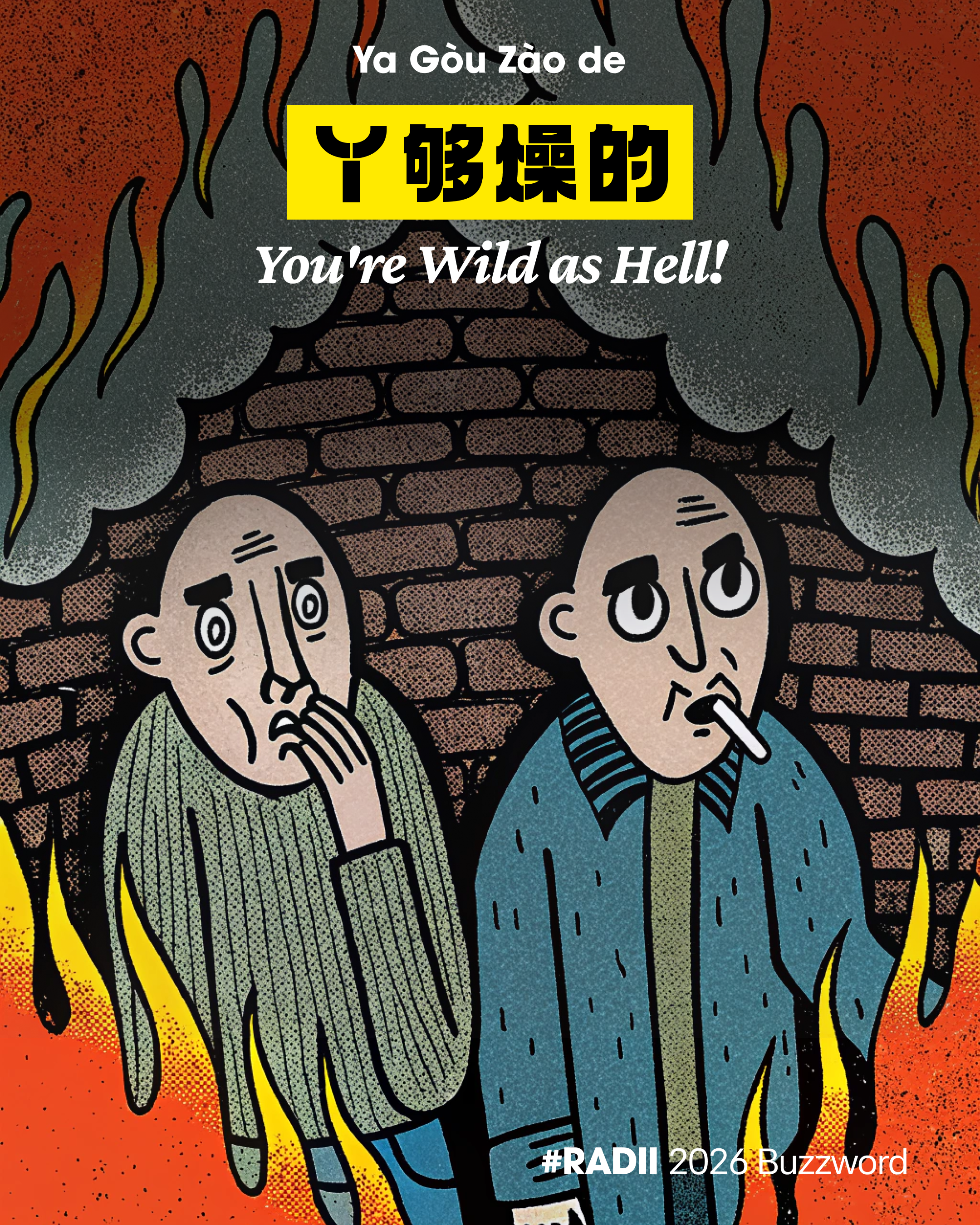
Rooted deeply in the gritty, expressive streets of local Beijing slang, this phrase perfectly encapsulates a very specific type of raw, unfiltered energy. The character 丫 (ya) acts as a distinctly rough, unapologetically Beijing-centric, and highly informal way of referring to “you,” often carrying a rebellious or cheeky undertone. Meanwhile, 燥 (zào) captures that relentlessly loud, chaotic, and completely hyped-up vibe that completely takes over a room.
Because of its flexible nature, you can deploy this phrase in multiple ways: it works brilliantly as a high-praise compliment for a friend who is hyping up a crowd, a playful tease among close peers, or even a blunt, exasperated way to call out a situation or behavior that has completely crossed the line into the ridiculous.
Zhōng Guó Rén Néng Fēi (中国人能飞)
“Chinese People Can Fly”
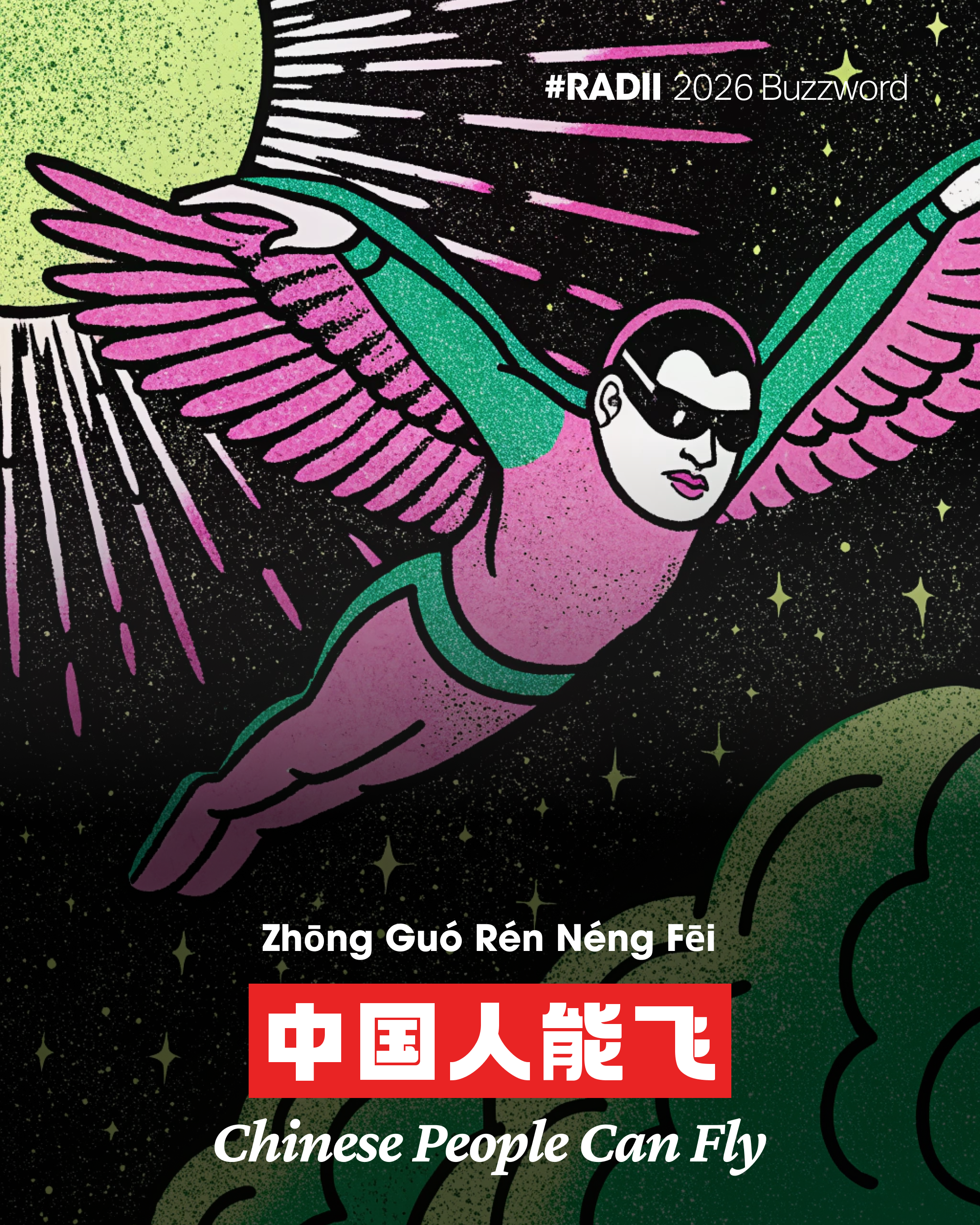
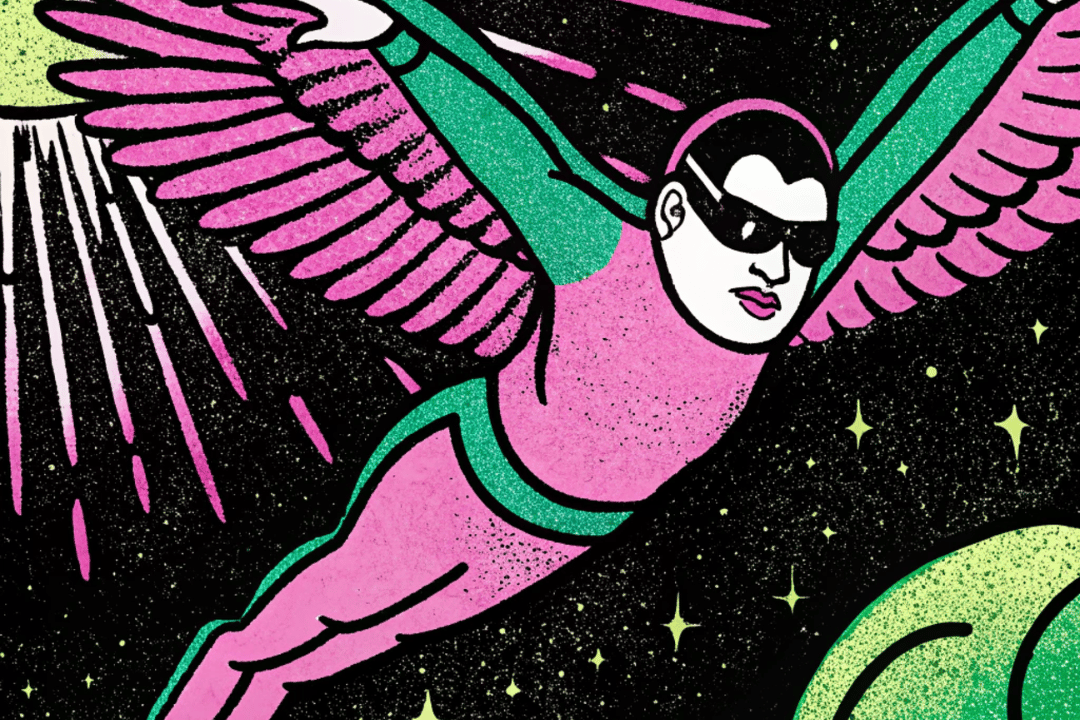
When Chinese rapper SKAI ISYOURGOD casually dropped this highly memorable hook during an impromptu freestyle session on a prominent US radio show, it instantly became a viral sensation. The sheer absurdity of the statement combined with its undeniably catchy, rhythmic delivery makes it impossible to ignore.
It is the kind of infectious earworm that completely bypasses your logical filter and lodges itself deep inside your head on the very first listen, eventually becoming a bizarre yet empowering anthem that fans can’t stop repeating, memeing, or remixing across social media platforms.
Xiàng Shàng Tàn Qì (向上叹气)
“Sigh Upwards”

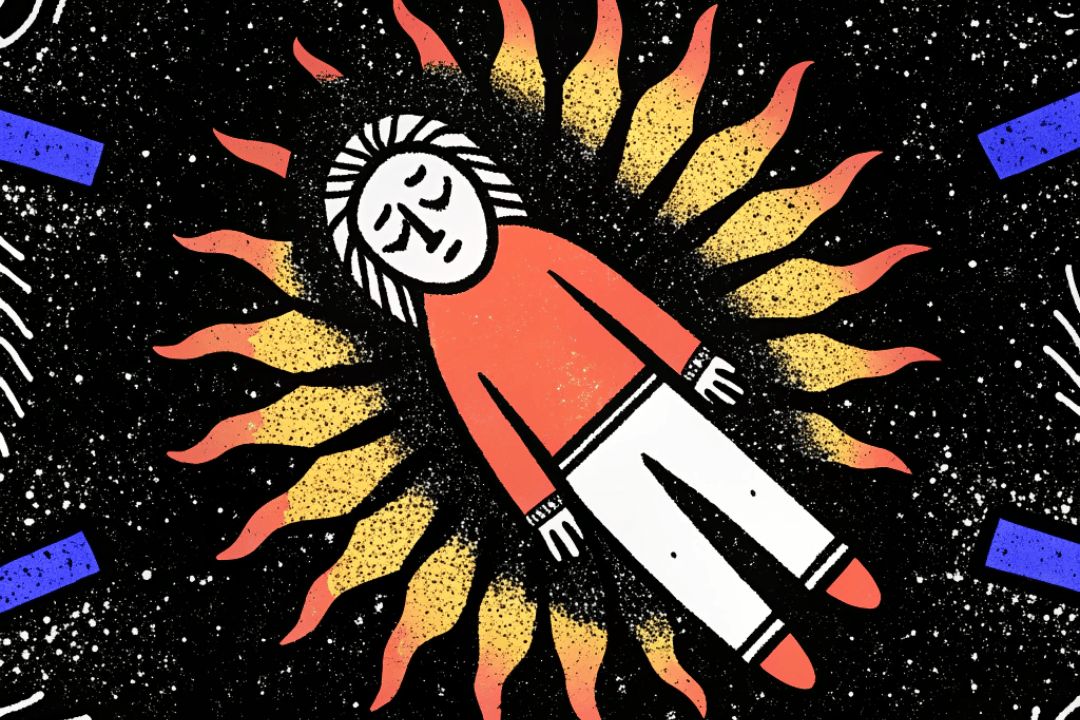
In an era where modern life often feels overwhelmingly heavy, and it is all too easy to catch yourself sinking into a deep mental slump, this simple practice offers a profound sense of relief. The concept of “sighing upwards” acts as a surprisingly effective psychological and physiological trick. By actively choosing to break your downward gaze, simply tilting your head upward toward the sky, and exhaling deeply, you are essentially hitting a physical reset button.
This intentional shift in body language not only forces you to literally look up and fix your posture, but it also helps to physically release pent-up negative energy, allowing you to breathe out the bad vibes, stress, and anxiety that have been weighing down your shoulders throughout the day.
Méi Yǒu Gōng Zuò De Tiān (没有工作的天)
“No-Work Day”
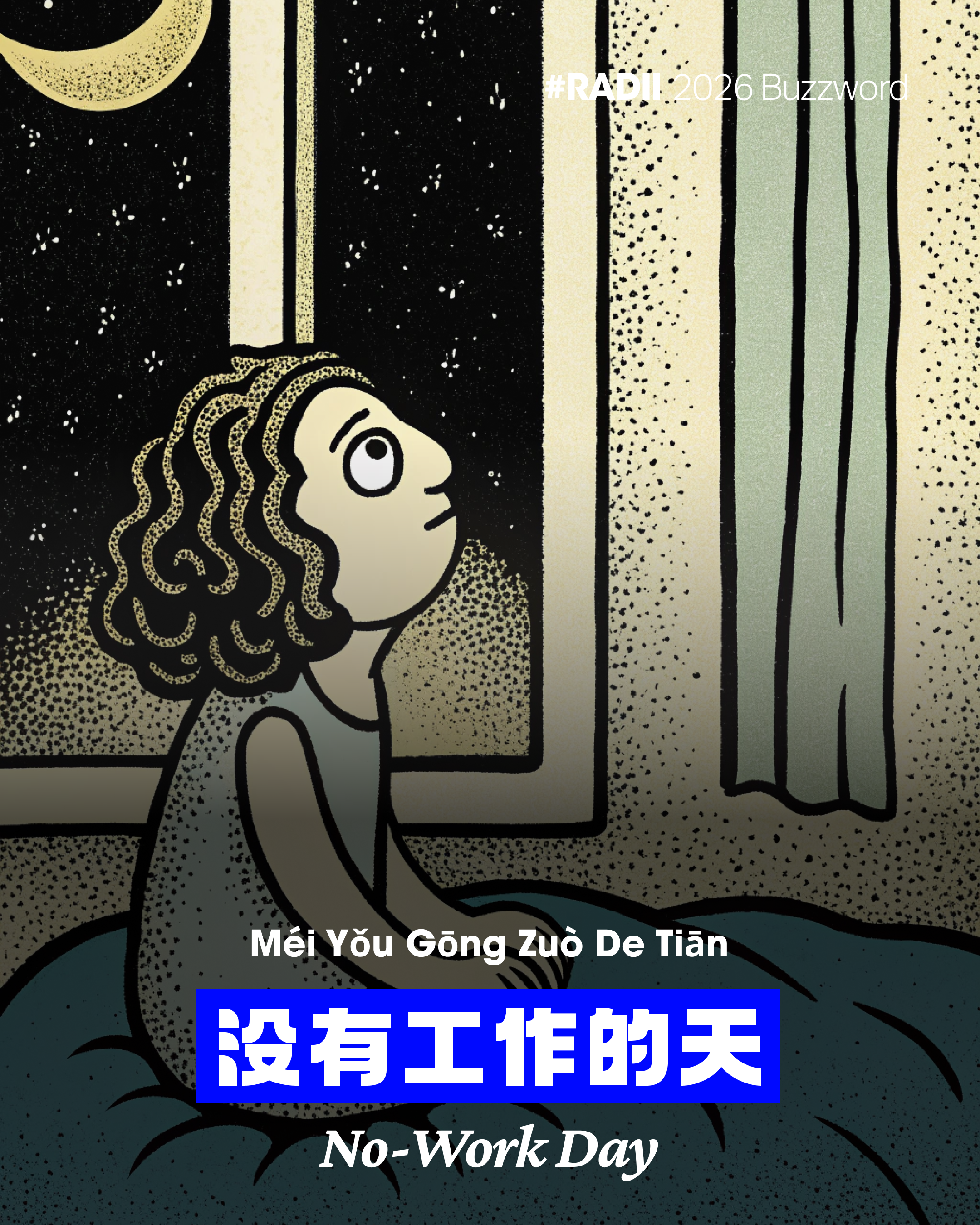
This beautifully flawed phrase originated as the memorable opening line from the popular vlogger Kirill Dobrachev (known to his fans as 柯林). While he originally just meant to communicate something as simple as “my day off,” his developing Chinese language skills resulted in a sentence that came out completely grammatically incorrect, yet it accidentally struck a deeply poetic chord with viewers.
The phrase resonates so strongly with tired internet users that it has evolved into a massively popular vlog template and aesthetic trend. Even though the linguistic logic is entirely broken, the core emotion of escaping the daily grind is something you understand instantly, perfectly capturing the universal desire for a peaceful, quiet day entirely devoid of corporate labor.
Tóng Shì Skill (同事skill)
“Colleague Skill”
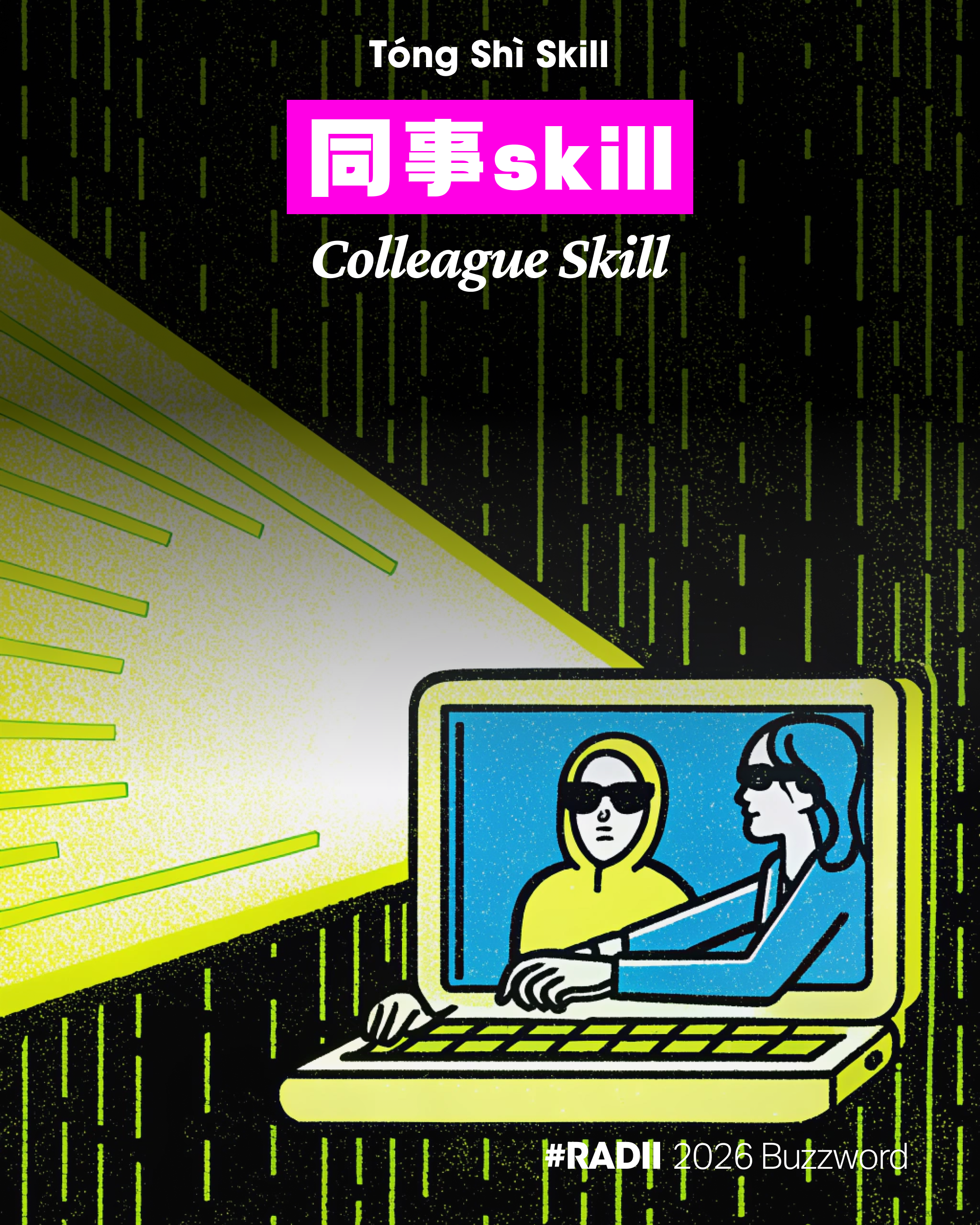
Emerging from the cutting edge of workplace technology, this fascinating and slightly dystopian AI project literally allows you to turn your real-life coworker into a downloadable digital skill file. By feeding the artificial intelligence a steady diet of their past chat messages, emails, and shared documents, the system processes their unique communication quirks and spits out a highly accurate digital clone.
This virtual replica not only completes tasks but also mimics their exact tone, jargon, and working style to an eerie degree. The concept proved so incredibly popular and deeply relatable that a wave of spin-offs immediately followed in its wake. Users quickly began developing variations like “boss.skill” to predict management’s reactions, “ex.skill” for emotional closure or simulated arguments, and even “parents.skill” to simulate family conversations.
To keep up to date with more from our Buzzwords series, be sure to follow us on Instagram if you’re not already!
Cover image via Recraft/RADII.