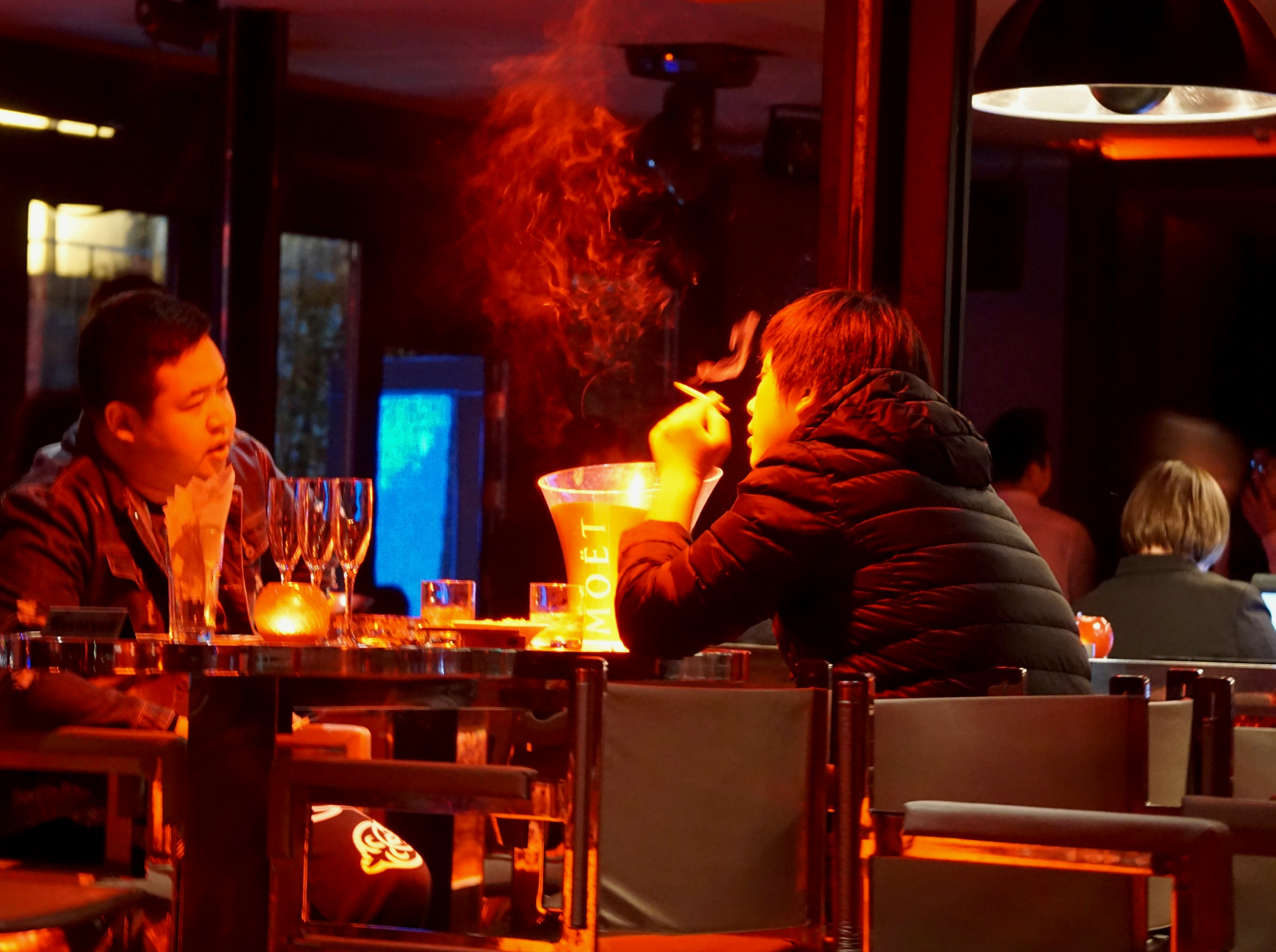

It’s a Friday night, and someone in Jing’an is texting their friend on WeChat, making plans for the night ahead. A few different options are floated, yet within fifteen minutes the answer is in: C Park… maybe TX Huaihai? The answer feels practically pre-determined at this point.
This is the new reality of Shanghai nightlife. Not long ago, a night out here was scattered across various neighborhoods: small dive bars folded neatly into a lane house, the sought-after chaos at INS, or seeing familiar faces at System and All Club. You found things by word of mouth and by knowing people who knew their way around.
So, what’s the deal?
Over the past few years, the city has witnessed a gradual shift in the fabric of the nightlife scene from independently operated venues to what could be referred to as “nightlife clusters.”
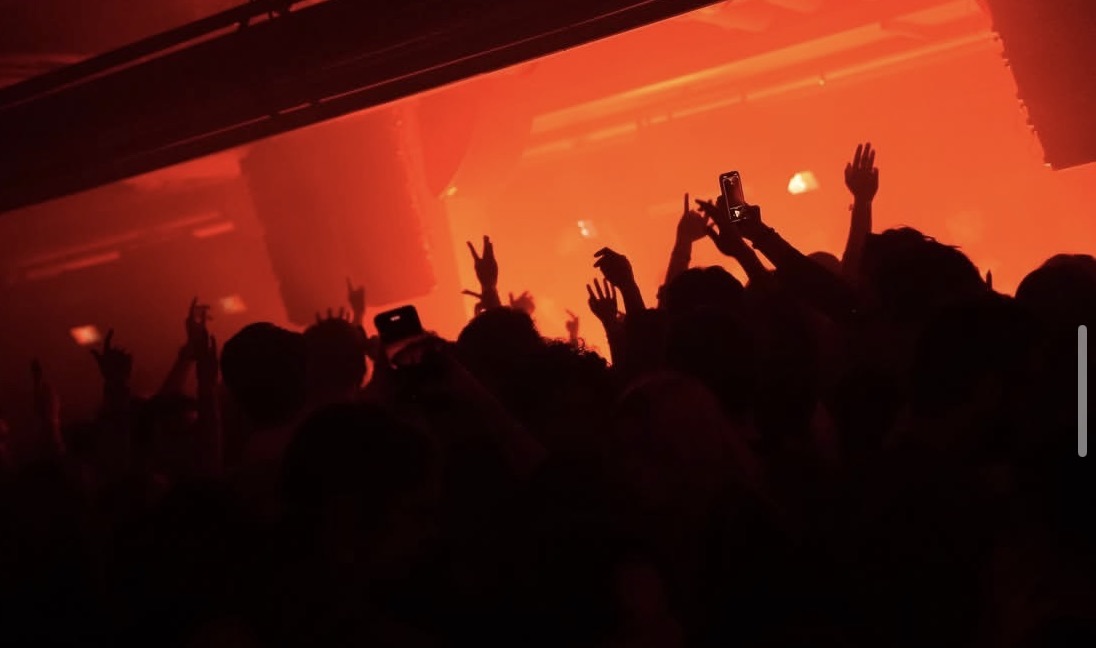
INS, near Fuxing Park, spans seven floors and over twenty venues, and is essentially where this story starts. One could say they are the pioneers of this cluster concept, at least in Shanghai. This experiment has thus far succeeded, attracting hordes of people each weekend, both tourists and locals alike.
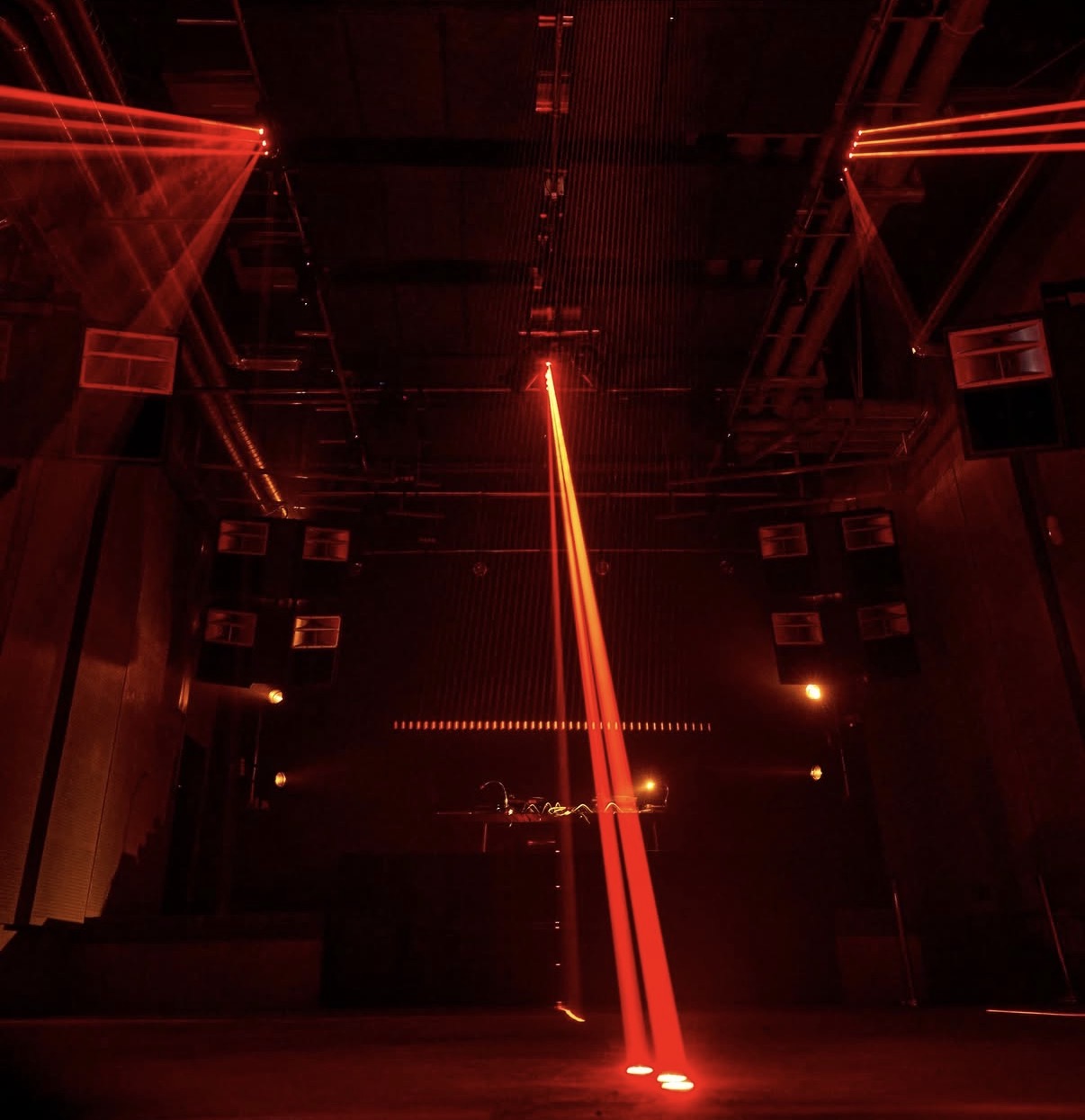
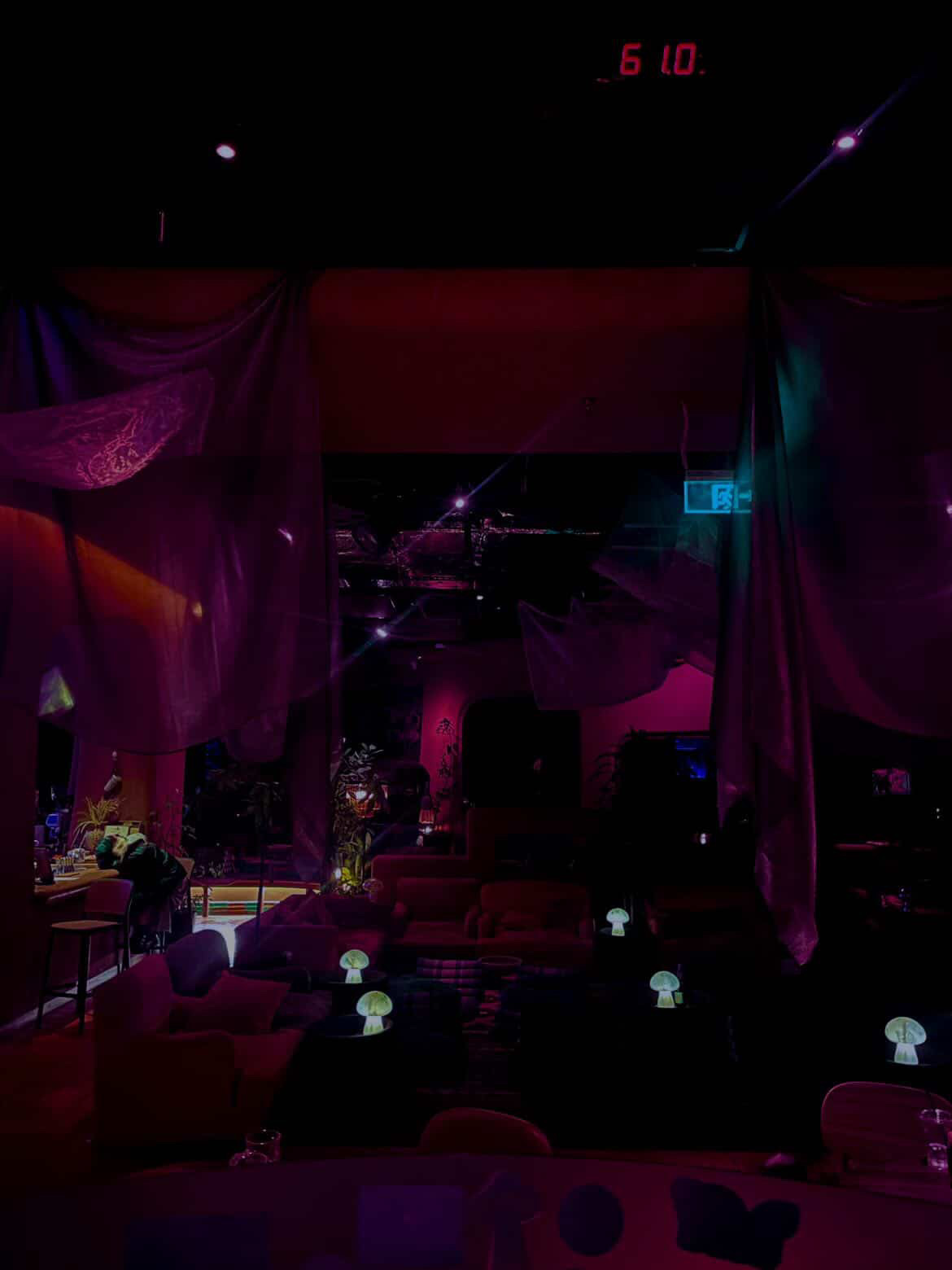
Over the past three months, C Park, a mixed-use center in Changning and the newest “cluster” in the city, has assembled an entire ecosystem within a single city block. consisting of clubs, both new and old, including Wigwam, Yuyintown, Illum, Reactor, Sympathy Angel, and a… tattoo studio, with other venues still opening quite regularly.
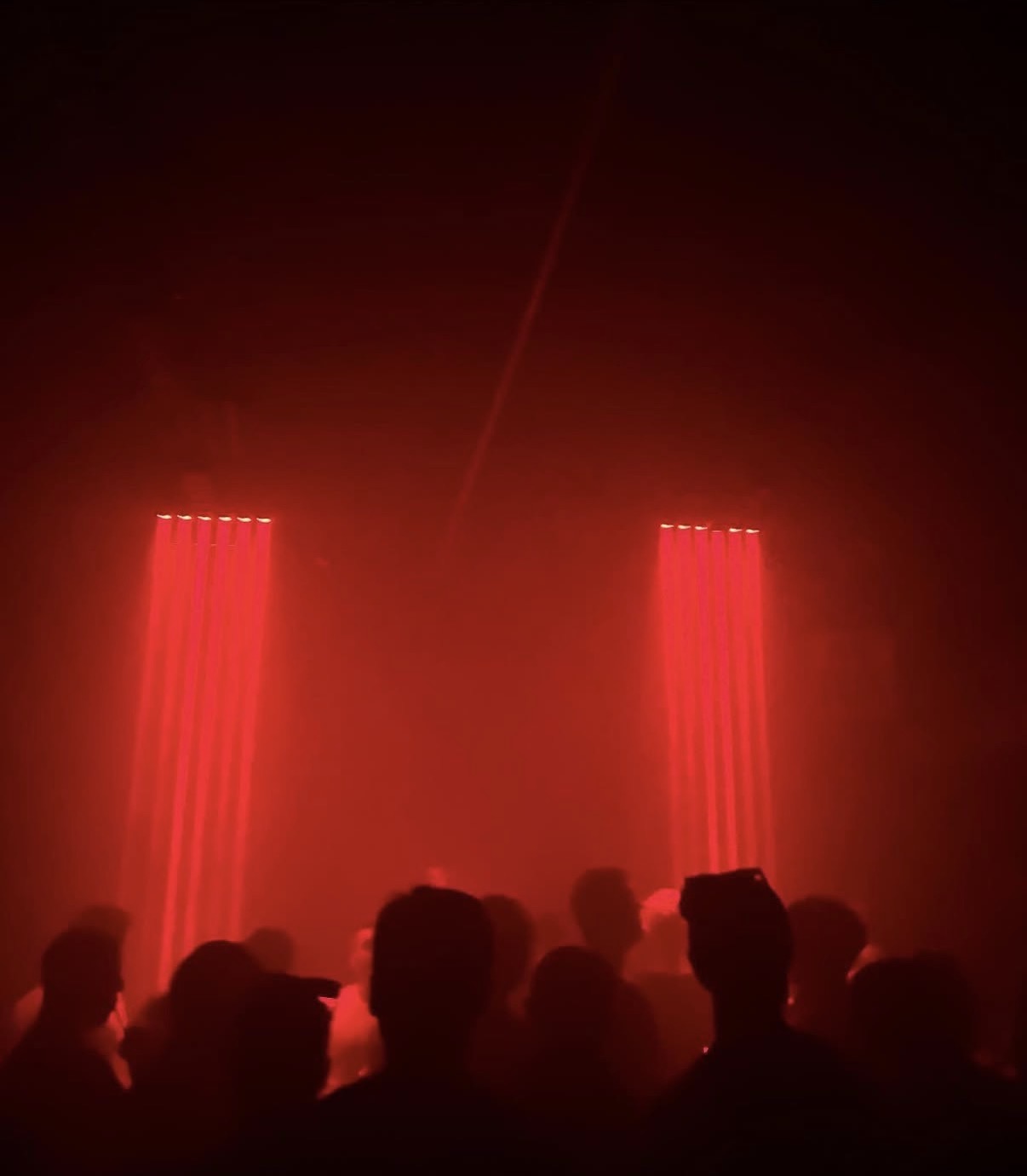
The second major player, TX Huaihai, houses Abyss and Potent. This places two of the city’s most iconic techno clubs under one roof, at the crossroads of one of Shanghai’s most recognizable streets. The new dynamic has birthed a nightly ritual for many—Potent in the early hours of the night and then onward to Abyss until sunrise.
In each of these hubs, socializing has become integrated as a core part of the night, more so than before. In a normal club, conversation happens in the peripheries, like the bathroom line, smoking section, or while waiting for a drink at the bar. In these clusters, people gather in clear areas. For C Park, this usually happens outside of Illum and along the corridors linking different venues. For TX Huaihai, it’s generally the square in front of the entrance to Potent, spilling up to the 7-Eleven next door—although good luck finding anything in stock there.
If you do happen to visit C Park on any given weekend and stand outside of Illum, you will feel a particular type of energy. Everyone is fitted, aura farming, and scanning the crowd around them. It’s like a suspenseful video game lobby where everyone meets up with their friends before jumping off into their side quest of the night.
And so we ask: Is this shift good or bad? From what we can see, the verdict is far from unanimous.
THE PUSH
This centralization of Shanghai’s nightlife didn’t happen by chance. It was a slow process of attrition caused by multiple factors.
Rent in the central districts climbed steadily through the last decade, and standalone clubs already operating on thin margins became increasingly unable to sustain themselves. A 300-capacity venue running three to four nights a week has never been a wildly lucrative business model. When many of these leases came up for renewal, the math simply didn’t add up for the owners.
Regulatory pressure compounded everything else. Frequent police interventions, noise complaints from neighbors upstairs, and the broader uncertainty of operating in what was—and still is—essentially a gray-zone environment created a climate in which no one could plan for the future. Any ordinary Saturday could be a club’s last—and due to circumstances completely out of anyone’s control, no less.
This environment triggered a kind of natural selection. Venues that survived were the ones that could find cover, literally and figuratively, inside larger commercial developments with better insulation, both architecturally and bureaucratically. A club inside an officially approved mixed-use complex is much easier to manage and plan for the future than a basement off Yongkang Lu.
THE PULL
However, to look at these nightlife hubs as a perfect oasis far removed from issues would be naive. While there are plenty of pros, there are just as many cons. Even still, many of the city’s best venues have embraced the new format and made the move.
In the clusters, built-in foot traffic and natural crowd circulation alone positively change the economics of running a venue. The layout creates, in a sense, a nightlife circuit: people move between floors, vibes, and genres. For an emerging club trying to build a following proximity to established names is invaluable in a way that marketing can’t exactly replicate.
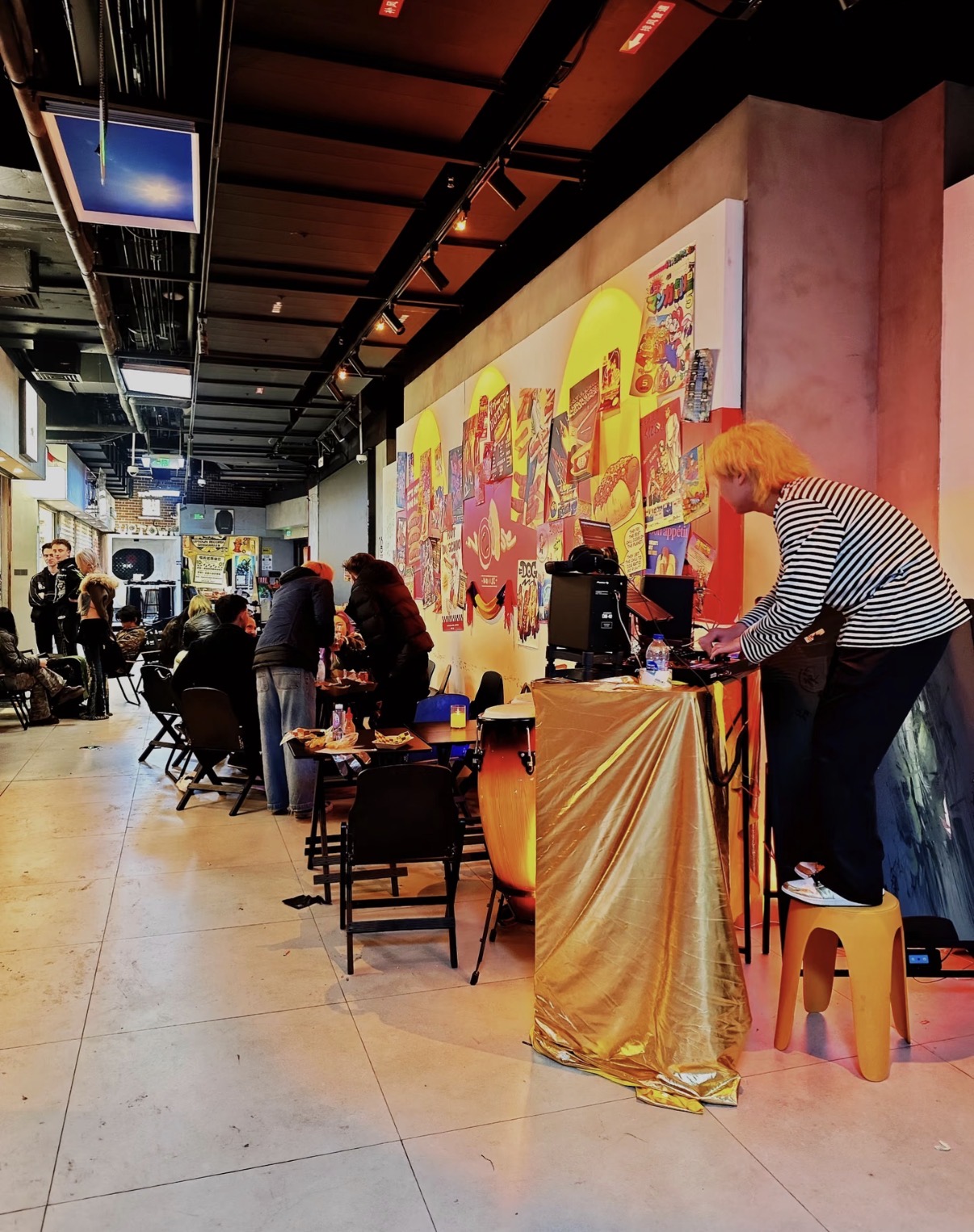
Shared infrastructure is another massive benefit for those within these clusters. The tenants benefit from high-quality sound isolation, easier booking logistics, and operations under a larger licensed entity. This setup significantly reduces the logistical friction of running a club, since not every problem needs to be solved from scratch.
There’s also something to be said about the benefits of cross-pollination. When many of Shanghai’s major clubs are all in the same complex, the scene starts to feel like one porous and interconnected ecosystem. Regulars blend between rooms, bookers talk, and DJs can play back-to-back sets across venues all on the same night.
WHAT ARE THE CONSEQUENCES?
The big question is what this structure does to the culture over time.
Stumbling across a club down an unmarked alley is obviously a different experience from walking fifty meters to the next unit in a commercial development. Both can, of course, offer great music, but only one gives you that feeling that you found something and belong to something more—something sacred, even. When discovery itself is intentionally designed out of the scene—no more sketchy alleyways, no sticker on a doorbell—something fundamental changes in the scene’s DNA.
One significant concern is around control, or who’s actually holding the cards. These venues now operate at the mercy of real estate developers and cluster management. Lease terms, noise curfews, restrictions on certain event themes or formats—none of this is decided by the people actually on the ground. The clubs are simply tenants, more so than before.
So, what happens if a lease comes up for renewal and the developer has other plans?
What happens if the building changes hands or administrations?
The underlying issue that has arisen is one of vulnerability. A cluster of clubs inside a single complex is, from a regulatory standpoint, a single intervention point. One serious accident, one altercation that draws police, or one event that crosses a line, and an entire night’s worth of options evaporates into thin air. In a city of over thirty million people, that’s a fragile arrangement to have. One slip-up could cost Shanghai’s nightlife… everything.
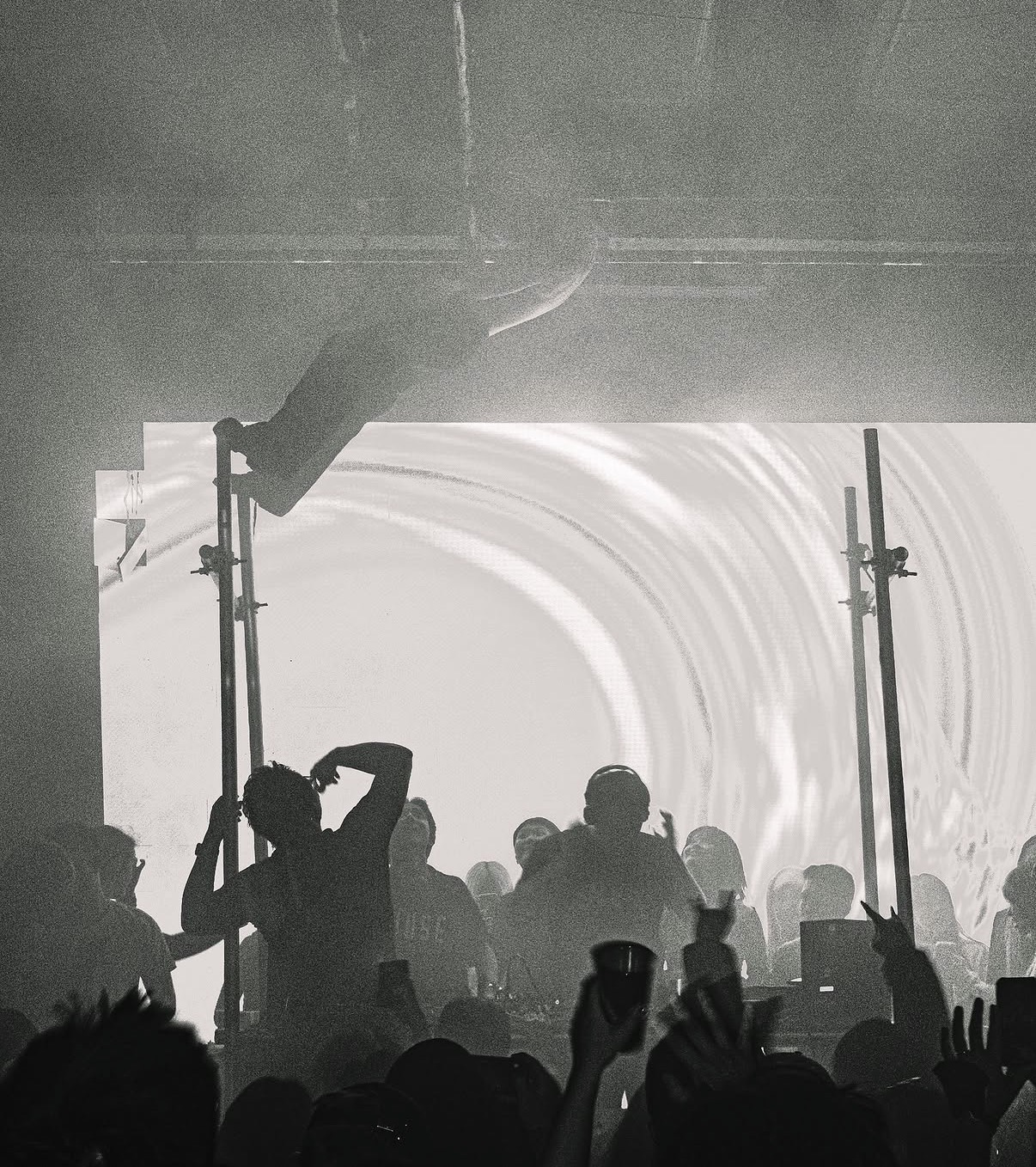
And finally, there’s the question of what doesn’t get built. The scrappy, experimental, cheap venue—the kind of place where the next generation of promoters and DJs gets their start—becomes harder to sustain outside the cluster environment.
Shanghai’s nightlife has always been hyper-adaptive, and that’s part of what makes it interesting. The city has absorbed crackdowns, rent hikes, and pandemics and come back, usually in a different shape than before, but still authentically itself.
The shape it’s taking now is more sanitized in a sense, but it feels more permanent than what came before. Yet maybe permanence shouldn’t be the goal. The same walls that house the scene also define it, and the best nights have never asked for permission to go on.
Whether this new shift helps or hurts the scene is yet to be fully seen and understood, but for now, we can push on with guarded optimism. Whatever comes next, whether the nouveau underground grows inside these clusters or eventually spills out of them, the culture will persevere.
Cover image via Instagram/colepotashnyk.