
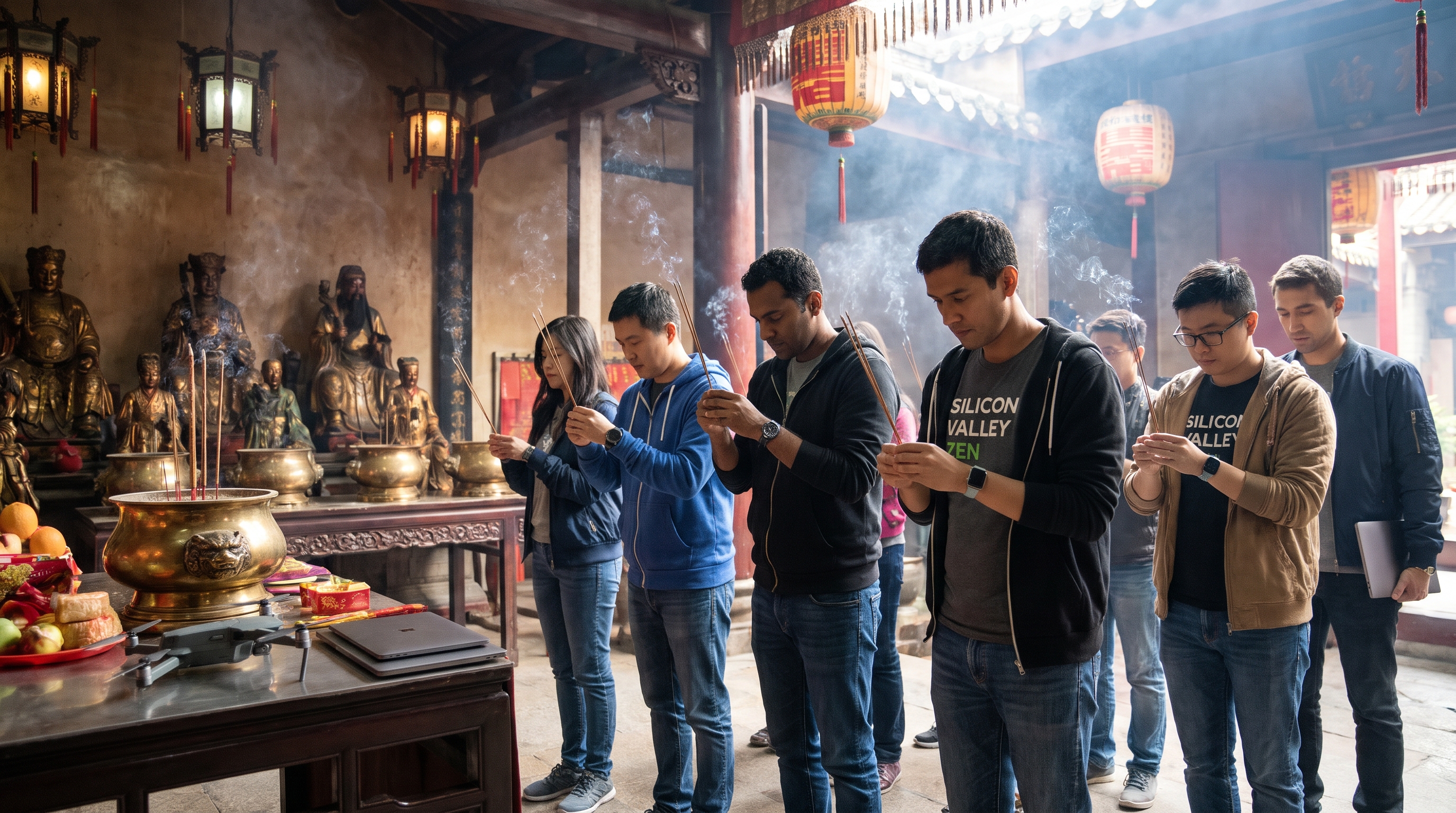



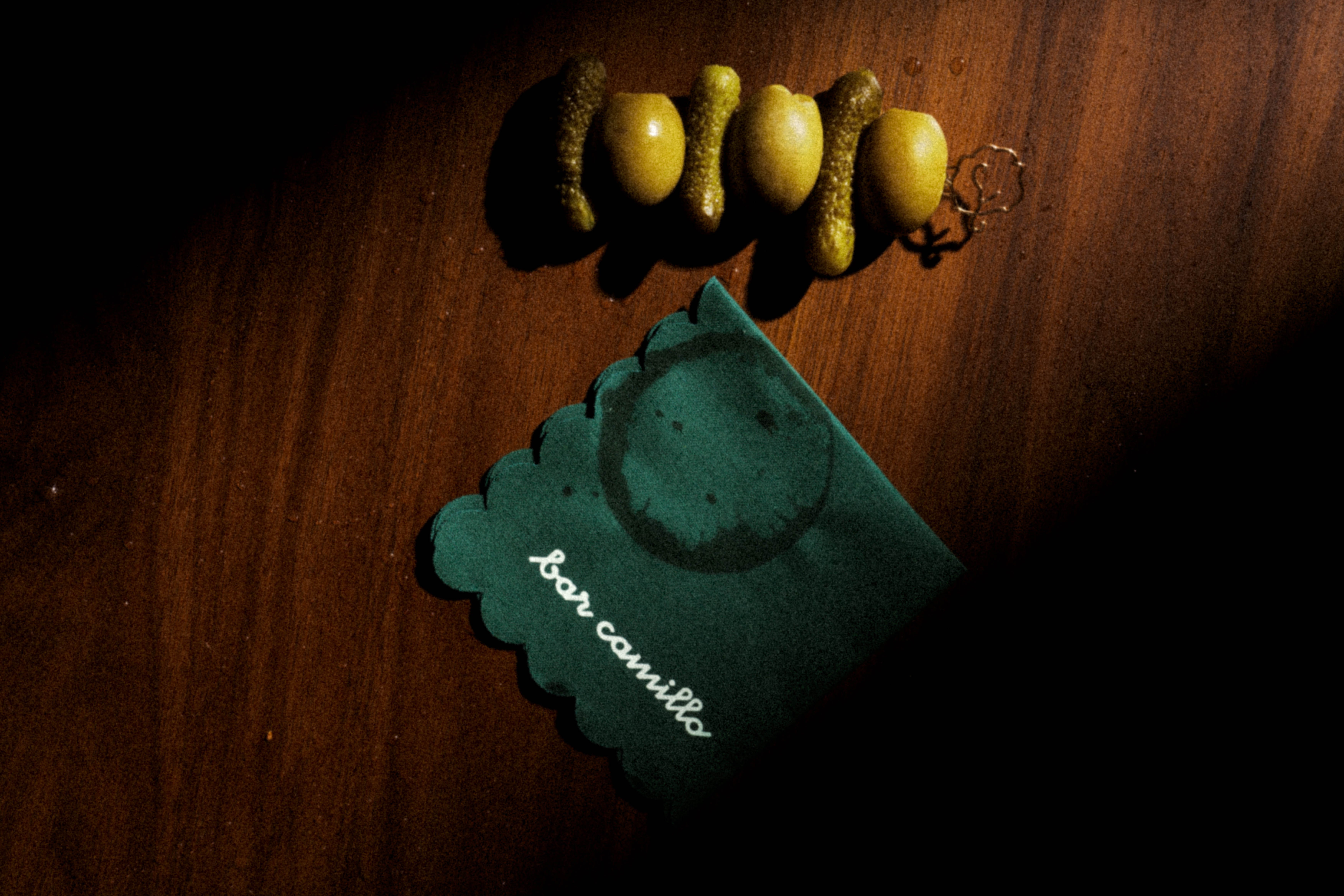




For October, we’re summoning the synergy between algorithms and ancient systems. It’s tech meets tradition, spirituality, and the youth’s renewed fascination with fate, myth, and lore.


NEWSLETTER
Get weekly top picks and exclusive, newsletter only content delivered straight to you inbox.
Comment “RADII” below to join our newsletter and never miss content like this again.
Running dry on which Chinese film to watch next? The academic community at Xi’an Jiaotong-Liverpool University (XJTLU) just handed us a syllabus of must-watch Chinese cinema, and we’re passing it on to you!
Based in Suzhou, XJTLU is an international joint-venture university with students from 90+ countries, so the picks go well beyond your usual mainstream blockbusters. Spanning over four decades, the list moves from childhood memories in 1985 to stories of women in modern Shanghai, with comedies, tragedies, indie gems, and well-known directors in between. Whatever your taste, XJTLU has you covered.
Check out the article linked in bio for the full list!
Follow @radii_media for more
#radii #radiimedia #chinesecinema #chinesefilms #xjtlu

Comment “RADII” below to join our newsletter and never miss content like this again.
Running dry on which Chinese film to watch next? The academic community at Xi’an Jiaotong-Liverpool University (XJTLU) just handed us a syllabus of must-watch Chinese cinema, and we’re passing it on to you!
Based in Suzhou, XJTLU is an international joint-venture university with students from 90+ countries, so the picks go well beyond your usual mainstream blockbusters. Spanning over four decades, the list moves from childhood memories in 1985 to stories of women in modern Shanghai, with comedies, tragedies, indie gems, and well-known directors in between. Whatever your taste, XJTLU has you covered.
Check out the article linked in bio for the full list!
Follow @radii_media for more
#radii #radiimedia #chinesecinema #chinesefilms #xjtlu
...
@songmont_official has put a pagoda in the middle of Paris, and its striking architectural form is only part of the story.
At the Song of Mont exhibition, a Shanxi pagoda-inspired installation sits above six of the brand’s signature collections, placing Chinese architecture and Songmont’s Eastern heritage as the centerpiece over the bags underneath. It’s a quiet statement about how Songmont sees its own work: the bags aren’t where the story begins, but what happens after it, carrying a journey that runs from architecture, craft, and landscape into the rhythms of everyday city life.
Each collection pulls from a different thread of China’s cultural landscape. The Gather Collection takes inspiration from the camel bags used along the ancient Silk Road, the Yore lineup draws its tiger-tooth motifs from Tibetan heritage, and the Drippy Roof Collection takes its cue from the sweeping eaves of Nanchan Temple in Shanxi.
True to Songmont’s design philosophy, heritage isn’t something to keep behind glass. It’s meant to be used, from the “Granny Team” of local artisans who became part of the brand’s foundation to the quiet, everyday use of the bag itself. Carry a Songmont through the city, and you carry that heritage with you, reshaped by your daily routines. It’s a reminder that heritage lives in the hands that make it and the people who carry it.
Click the link in bio to read the full story.
#radii #radiimedia #Songmont #山下有松 #songofmont
@songmont_official has put a pagoda in the middle of Paris, and its striking architectural form is only part of the story.
At the Song of Mont exhibition, a Shanxi pagoda-inspired installation sits above six of the brand’s signature collections, placing Chinese architecture and Songmont’s Eastern heritage as the centerpiece over the bags underneath. It’s a quiet statement about how Songmont sees its own work: the bags aren’t where the story begins, but what happens after it, carrying a journey that runs from architecture, craft, and landscape into the rhythms of everyday city life.
Each collection pulls from a different thread of China’s cultural landscape. The Gather Collection takes inspiration from the camel bags used along the ancient Silk Road, the Yore lineup draws its tiger-tooth motifs from Tibetan heritage, and the Drippy Roof Collection takes its cue from the sweeping eaves of Nanchan Temple in Shanxi.
True to Songmont’s design philosophy, heritage isn’t something to keep behind glass. It’s meant to be used, from the “Granny Team” of local artisans who became part of the brand’s foundation to the quiet, everyday use of the bag itself. Carry a Songmont through the city, and you carry that heritage with you, reshaped by your daily routines. It’s a reminder that heritage lives in the hands that make it and the people who carry it.
Click the link in bio to read the full story.
#radii #radiimedia #Songmont #山下有松 #songofmont
...
Sedan chairs that carry tourists up hiking trails are a long-running debate in China. Some feel for the bearers doing the heavy lifting, while others point out it’s how they make a living. Now there‘s an electric version, where neither the bearers nor the ”hiker“ needs to do any cardio. A three-hour hike? Now it takes 30 minutes.
Credit: 骑迹独轮车 - 阿军
#radii #radiimedia #chinatravel #hikingtrail #sedanchair
Sedan chairs that carry tourists up hiking trails are a long-running debate in China. Some feel for the bearers doing the heavy lifting, while others point out it’s how they make a living. Now there‘s an electric version, where neither the bearers nor the ”hiker“ needs to do any cardio. A three-hour hike? Now it takes 30 minutes.
Credit: 骑迹独轮车 - 阿军
#radii #radiimedia #chinatravel #hikingtrail #sedanchair
...
Comment “RADII” below to join our newsletter and never miss content like this again.
A Zoo, the Powerpuff Girls, and a wuxia universe walk into Shanghai Fashion Week SS27...
This season, China’s homegrown designers treated the catwalk less like a fashion showcase and more like a stage for storytelling, from statements on individuality and nature to heritage and girlhood, all without losing any elegance. We’ve rounded up five of this year‘s most imaginative runways, proof that Shanghai’s fashion scene never fails to deliver concepts you didn’t see coming.
Follow @radii_media for more
#radii #radiimedia #shanghaifashionweek #chinesefashion #ss27
Comment “RADII” below to join our newsletter and never miss content like this again.
A Zoo, the Powerpuff Girls, and a wuxia universe walk into Shanghai Fashion Week SS27...
This season, China’s homegrown designers treated the catwalk less like a fashion showcase and more like a stage for storytelling, from statements on individuality and nature to heritage and girlhood, all without losing any elegance. We’ve rounded up five of this year‘s most imaginative runways, proof that Shanghai’s fashion scene never fails to deliver concepts you didn’t see coming.
Follow @radii_media for more
#radii #radiimedia #shanghaifashionweek #chinesefashion #ss27
...
UGH, another October, another month of playing Earth Online with no log-off button in sight. Luckily, RADII has your back with cheat codes in buzzword form. Step back from pointless side quests in 幸福者退让 mode, count every small win as a 大结果, and if your teammates have never let you down, congratulations, they’re 不烧心.
Follow @radii_media for more heartburn-free content, because life on 地球Online is spicy enough already.
#radiimedia #radii #buzzwordseries #chineseslang #internetculture
UGH, another October, another month of playing Earth Online with no log-off button in sight. Luckily, RADII has your back with cheat codes in buzzword form. Step back from pointless side quests in 幸福者退让 mode, count every small win as a 大结果, and if your teammates have never let you down, congratulations, they’re 不烧心.
Follow @radii_media for more heartburn-free content, because life on 地球Online is spicy enough already.
#radiimedia #radii #buzzwordseries #chineseslang #internetculture
...



NEWSLETTER
Get weekly top picks and exclusive, newsletter only content delivered straight to you inbox.